
Want a landscape that changes with the seasons, supports wildlife, and looks good from your porch, your patio, and even your neighbor’s driveway? Then it’s time to unlock the secret weapon of great garden design: the Mixed Shrub Border!
This garden design technique mixes different kinds of shrubs together for a big impact, layered color, constant blooms, bold textures, and year-round interest. Plus, it’s easy to care for, great for wildlife, and perfect for blocking wind, creating privacy, and structure in your outdoor space.
Ready to build one that looks good in spring, summer, fall, and winter? Let’s go!
What Is A Mixed Shrub Border?
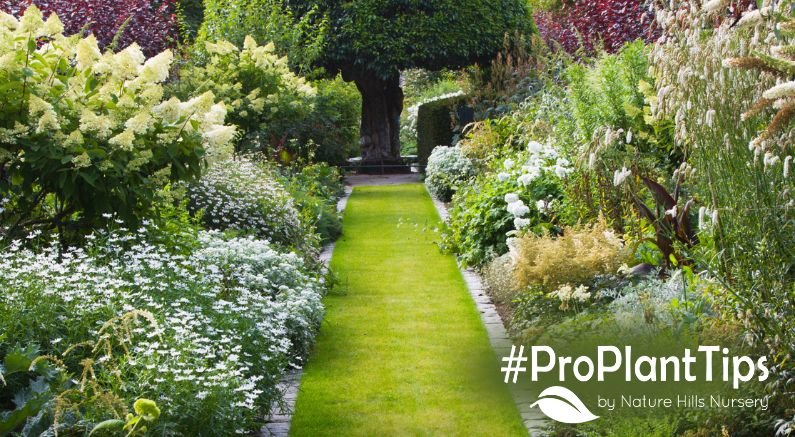
A Mixed Shrub Border is a layered planting of different types of shrubs chosen for their seasonal beauty, shapes, and textures. Instead of planting just one type of bush, you combine many kinds for a richer, more dynamic look that keeps your garden exciting year-round.
Think of it like a band: each shrub plays a different role, some are lead singers (big flowers or fall color), others are backup dancers (evergreen structure or fun textures), but together? They create a show that never stops!
Benefits of a Mixed Shrub Border
Something special is always happening with a well-thought-out mixed border!
- Four-season beauty: Spring blooms, summer color, fall foliage, and winter interest.
- Pollinator paradise: Butterflies, bees, and hummingbirds will love your garden!
- Songbird sanctuary: Birds find food, nesting spots, and shelter.
- Privacy and property definition: Create natural walls and screen unsightly views.
- Low-maintenance: Once established, it practically takes care of itself!
- Curb appeal: Big design value with minimal effort.
Design Tips for a Year-Round Mixed Shrub Border
Learn the basics of Choosing Shrubs For Your Landscape, then put these practices in place.
- Layer heights: Put tall shrubs in the back, medium in the middle, and low growers up front.
- Specimens: Tall and skinny, tree-form, or specimen plants look great standing out among shorter shrubs as a focal point.
- Mix evergreen and deciduous shrubs: Evergreens anchor the space; deciduous shrubs bring seasonal flair.
- Vary textures and leaf shapes: Combine glossy, fine, bold, and wispy for contrast.
- Space for growth: Read tags and give plants enough room to shine!
- Group in odd numbers: 3s and 5s create natural-looking clusters.
Seasonal Shrubs For Year-Round Beauty
Here's your easy cheat sheet of shrubs to plant for every season, and some that go above and beyond!
Spring Stars
- Witch Hazel: Unique spidery yellow blooms very early in the season
- Forsythia: Bright yellow flowers scream spring!
- Lilac Bushes: Fragrant blooms and romantic vibes.
- Rhododendron or Azalea: Bursts of color in white, yellow, peach, pink, red, and purple.
- Spirea: Early bloomers with white or pink clusters.
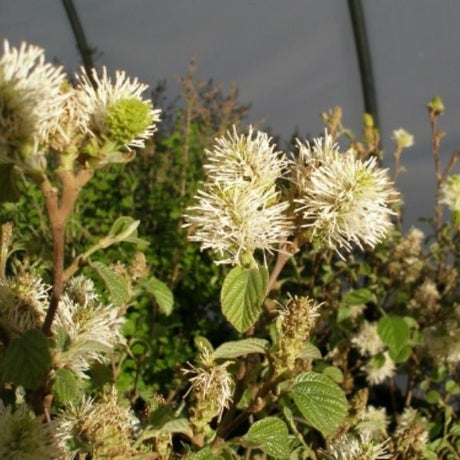
- Fothergilla or the Dwarf Fothergilla: White bottlebrush blooms and blue-green leaves.
Summer Stunners
- Smokebush: Whimsical plumes and bold leaves.
- Butterfly Bush (Buddleia): Long blooming and pollinator-friendly.
- Hydrangea: Big, bold blooms that shift color.
- Crape Myrtle: Southern charm in pinks, purples, and reds.
- Weigela: Arching blooms that attract hummingbirds.
- Rose Bushes: Elegance and fragrance that loves having the spotlight but also works well with others. Add Wild, Native, or Rugosa Roses that thrive in groups.
Fall Fireworks
- Ninebark: Copper, orange, or red foliage with peeling bark.
- Viburnum: Fall color and berry displays.
- Oakleaf or Bigleaf Hydrangea: Large leaves turn wine-red and orange. Dried flowers persist until winter.
- Sumac (Staghorn or Gro-Low Fragrant): Brilliant scarlet tones!
- Chokeberry (Aronia): Red or black berries and fiery foliage. Plus healthy fruit!
Winter Wonders
- Red Twig Dogwood: Bright red stems against snow. Or try Yellow Twig for gold hues!
- Winterberry Holly: Red berries and wildlife appeal.
- Boxwood: Evergreen structure that pairs with anything.
- Inkberry Holly: Compact, tough, and dark green all winter.
- Japanese Pieris: Evergreen with late-winter blooms.
- Rugosa Roses: Showy red or orange Rose Hips for winter interest.
Evergreens That Anchor The Border Year-Round
A great mixed shrub border needs reliable structure. These evergreens hold their shape and color all year, giving your garden backbone and balance through every season.
Add texture and winter color at mid to low levels in your border with these tidy, dependable performers:
- Boxwood: Great for shaping or leaving natural. Low-maintenance and classic.
- Dwarf Mugo Pine: Dense and slow-growing with a rugged, evergreen look.
- Juniper: ‘Sea Green’, ‘Blue Star’, and other low, mounded types offer color and contrast.
- Dwarf Yew Bushes: Elegant, deer-resistant, and shade-tolerant.
- False Cypress: Feathery, golden, or blue-green varieties like ‘Golden Mop’ or ‘Boulevard’ add fine texture and color.
- Dwarf Spruce: ‘Globe Blue’ or Dwarf Alberta Spruce are perfect for tight spaces.
- Eastern Redcedar: Tough, upright form with a native feel, great for screening and wildlife.
- Italian Cypress: Tall, skinny columns for drama and architectural interest.
These Broadleaf evergreen beauties keep your border full and lush all year while adding extra flair and flowers too:
- Evergreen Holly (Inkberry, Dwarf Burford, or Compacta): Shiny leaves and winter berries for birds.
- Osmanthus (Sweet Olive): Glossy foliage with fragrant blooms in warm zones. Delavay is a tidy, smaller form. While Gulf Tide is a large shrub, perfect for landscape defense with its spiny leaves.
- Pittosporum: Also known as Cheesewood, these rounded shrubs with wavy-edged leaves, great for structure and hedging. Varieties like the Variegated Japanese and the 20-30 foot tall Kohuhu, and fantastic broadleaf evergreen options for hot climates.
- Wax Myrtle: Aromatic leaves, fast growth, and bird-friendly berries. The Pacific Wax Myrtle is a unique ornamental variety.
- Indian Hawthorn: Glossy leaves and spring flowers on a compact shrub. Try a sweet Pink Lady, or the smaller Clara White.
- Cherry Laurel: Fast-growing, tall, and glossy, perfect for privacy screens or hedging.
- Evergreen Rhododendron or Azaleas provide early spring flowers and great foliage year-round.
Wildlife & Biodiversity Impact
Mixed shrub borders aren’t just pretty, they’re powerful habitats that boost the ecosystem and biodiversity of your entire yard! Support wildlife with these shrubs.
- Pollinators flock to blooming shrubs in spring and summer.
- Birds feast on fall berries and find cozy shelter in evergreens all winter.
- Beneficial insects like ladybugs, bees, and butterflies find food and winter cover.
- Biodiversity increases when you plant a variety of species, helping the ecosystem stay strong and resilient.
A single mixed border can become a buzzing, chirping, fluttering hub of life and your own little nature preserve!
Hummingbird-Friendly Border
Bright colors and tubular nectar-filled blooms, these shrubs keep the nectar flowing and the hummingbirds buzzing all year in warm zones:
- Firebush: Bright red-orange flowers bloom nearly year-round.
- Texas Sage: Pops with purple blooms after rainstorms.
- Autumn Sage: Blooms spring through frost in red, pink, and coral.
- Bottlebrush: Bold red blooms packed with nectar.
- Shrimp Plant: Unique blooms hummingbirds love.
- Cape Honeysuckle: Vining or shrubby with orange trumpet blooms.
- Chuparosa: Desert shrub with hot red blooms in winter and spring.
Fragrant Foliage Shrubs (Year-Round Scent)
Plant these for aromatic leaves that smell great even when not in bloom:
- Rosemary: Evergreen herb with piney scent and blue blooms.
- Lavender: Silvery leaves and soothing fragrance.
- Gro-Lo Sumac: Aromatic front of the border or groundcover plant.
- Lemon Verbena: Sweet lemon-scented leaves, perfect near patios.
- Desert Sage: Pungent sage-scented leaves for dry gardens.
- Sweet Olive: Spicy-scented evergreen leaves with bonus blooms.
Fragrant Flowering Shrubs
Scented blooms in all the right seasons for warm-weather gardens:
- Mock Orange: Citrus-scented blooms in early spring or fall.
- Plumeria: Big tropical flowers with sweet perfume.
- Gardenia: Evergreen shrub with creamy, fragrant blooms.
- Oleander: Strongly scented flowers in many colors.
- Sweet Almond: White blooms with a vanilla scent.
- White or Pink Jasmine: Intense floral scent in late spring and summer.
Bird-Friendly Berry, Nut & Seed Shrubs
These shrubs provide year-round food and shelter for hungry songbirds:
- Viburnum: Berries in fall, plus great flowers and seasonal color.
- Elderberry: Birds love the late-summer berries. (You will too!)
- Chokeberry: Fall berries stick around into winter. Plus, healthy fruit for you as well!
- Beautyberry: Showy bright purple berries, birds can’t resist!
- Sumac: Clusters of fall fruit for winter snacks.
- Holly: Evergreen or deciduous shrubs with red berries loved by Robins.
- Serviceberry: Tasty early summer berries for birds (and you!).
- Wax Myrtle: Aromatic foliage and winter berries.
- Hazelnut: Great understory shrub that produces edible nuts you and your wildlife love!
Privacy, Property Structure & Curb Appeal
Need to block a neighbor’s view? Create outdoor “rooms”? Or just add some serious style to your yard?
A well-designed mixed shrub border can:
- Divide your property naturally, without fencing.
- Define pathways and garden zones in larger spaces.
- Act as a living privacy wall, snow-drift barrier, or windbreak.
- Boost property value by adding color and structure to boring edges or open lawns.
Plant taller shrubs in the back (like Viburnum or Smokebush) and lower ones in front (like Spirea or Boxwood). Add evergreens throughout for year-round privacy and design flow.
Start Your Shrub Border Dream Today!

No matter the size of your yard, a Mixed Shrub Border transforms ordinary space into something magical, season after season. From spring blooms and summer buzz to fiery fall foliage and colorful winter stems, your garden will never look dull again.
Plus, you’re creating a space that supports wildlife, improves curb appeal, and gives your landscape structure and soul.
Ready to dig in? Nature Hills Nursery has a massive selection of flowering, evergreen, and native shrubs perfect for building your own four-season masterpiece. Let’s get layering!
Happy Planting!