Free Shipping on Orders $199+

Growing Zone: | Garden in
Find your Growing Zone!

Rugosa Rose Care Guide: Growing Hardy Beach Roses!

Rugosa Roses: What Are They And How To Care For Them - Nature Hills Nursery

Charlotte Weidner |

Bee in a rugosa

Big, colorful, flouncy petals and incredible fragrance, the hardy Beach Rose (Rosa rugosa) is widely regarded as one of many gardeners' favorite landscaping Rose bushes! Butterflies, birds, and other pollinators love rugged Rugosa Roses for their fragrance, size, sturdy growth, large, fluttering petals, and ornamental Rose Hips! That's what sets the disease-resistant Rugosa apart from the rest!

Key Features:

  • Heavily veined, wrinkled leaves (hence "rugose" meaning wrinkled)
  • Common names: Beach Rose, Sea Tomato, Salt Spray Rose, Sea Rose
  • Drought-tolerant with excellent salt spray tolerance
  • Originated in eastern Asia (China, Japan, Korea)
  • Introduced to North America in the 1700s - 1800s

Let's dive into learning more about these gorgeous cold-hardy garden additions!

The Prettiest Beach Bum!

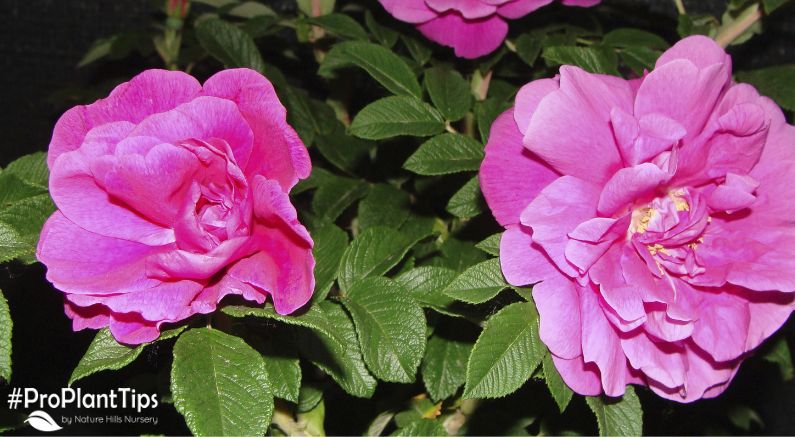
Pink Rugosa

Extremely cold-hardy perennials, Rugosa Roses, are as tough as they are pretty, with some varieties handling down to USDA growing zones 2 and 3, but handling up to zones 7 to 9 heat and humidity!

Rugosa Rose Benefits:

  • Wide variety of flower colors: pink, red, purple, white, and yellow
  • Single and double-flowering varieties are perfect for cottage gardens
  • Continuous bloom from early summer through fall frost
  • Incredibly fragrant flowers with a sweet Rose scent
  • Ideal for cut flower bouquets - just wear gloves!
  • Golden anthers provide an additional showy accent
  • Attracts bees, butterflies, and beneficial pollinators
  • Colorful Rose Hips, rich in vitamin C, provide fall/winter interest
  • Fantastic fall foliage colors in yellow, bronze, and orange hues

Our Favorite Rugosa Rose Varieties At Nature Hills Nursery

F. J. Grootendorst Hybrid Rugosa Rose

Popular Rugosa Rose Cultivars:

  • Blanc Double de Coubert Rugosa Rose: Most fragrant variety with semi-to-fully double white blooms
  • Pink Rugosa Rose: Traditional wild Rose look with single-petalled hot pink blooms, hardy zones 3-9
  • White Rugosa: Brilliant white blooms, cold-hardy to zone 2, classic English Rose scent
  • Hansa Hybrid Rugosa Rose: Double, deep pink, romantic ruffled blooms with sweet-spicy fragrance
  • F. J. Grootendorst Hybrid Rugosa Rose: Compact 3-4 foot size with serrated-edge blooms
  • Therese Bugnet Rugosa Rose: Canadian variety, highly fragrant, blooms range from red-violet to pale pink
  • Belle Poitevine Rugosa Rose: Soft magenta blush double blooms up to 4 inches across, orange-red fall hips
  • Topaz Jewel Rugosa Rose: Soft topaz yellow double blooms that fade to white, no Rose hips

Rugosa Beach Roses In The Garden Landscape

Belle Poitevine Rugosa

These beautiful native plants require no special care, but add so much to a naturalistic garden landscape as flowering workhorses and natural focal points! Rugosa Rose shrubs are widely used in landscape design because they are tough, drought-resistant, and trouble-free!

Landscape Uses:

  • Privacy hedges and natural snow barriers
  • Security barrier planting (thorny canes deter intruders)
  • Salt-tolerant roadside plantings and coastal gardens
  • Beachfront property screening
  • Cottage gardens and Rock gardens
  • Foundation plantings and driveway circles
  • Erosion control on slopes and hillsides
  • Wildlife habitat and shelter
  • Mass plantings and property division

Growing Conditions:

  • Tolerates poor soil, sandy soil, and clay soils
  • Drought-resistant once established
  • Wind resistant
  • Deer resistant due to thorny branches
  • Can sucker and naturalize into thickets

Healthy Rose Hips for Foraging and Wildlife

Rose Hips

Rose Hips are beneficial for birds, showy in dried floral arrangements, and fantastic for human consumption!

Rose Hip Benefits:

  • High Vitamin C content (higher than oranges!)
  • Rich in antioxidants and anti-inflammatory properties
  • Can be eaten fresh (sour-tasting, cherry-tomato-sized)
  • Perfect for homemade jams, jellies, and herbal tea
  • Used in Rose Water production and natural skincare
  • Excellent dried for floral arrangements
  • Important winter food source for birds

Caring For Rugosa Roses - Complete Growing Guide

Rugosa Roses In The Garden Infographic

Growing Requirements:

  • USDA zones 3-8 (excellent cold tolerance, virtually pest-free)
  • Full sun exposure (at least 6 hours daily)
  • Well-drained soil, pH 5.6-6.5 preferred
  • Tolerates poor soil conditions and heavy clay
  • Very forgiving for busy and new gardeners

Pruning Rugosa Roses:

  • For 2-3 foot shrubs: Prune almost to ground level in early spring
  • For 3-5 foot shrubs: Renewal prune the oldest canes, leave the younger canes
  • Remove suckers in early spring for a tidier appearance
  • No deadheading needed - removes showy Rose hips!

Winter Care:

  • Wait until leaves fall, then rake away from the plant
  • Mound clean leaves, mulch, or compost around the base
  • In harsh climates, create a chicken wire cage filled with leaves
  • Read more about caring for Roses in the winter in our Garden Blog!

Read more about winterizing Roses and unwintering Roses in our Garden Blog! Read more about caring for Roses in the winter in our Garden Blog!

Get Hip To Rugosa Beach Roses At Nature Hills Nursery!

With everything you love about Roses on a grand scale, the showy and fragrant Rugosa Rose varieties never let you down! Find out just how rewarding and easy it is to grow these garden beauties by checking out all the Rugosa Roses available at Nature Hills today!

Happy Planting!

Shop Rugosa Roses
Previous Next

Frequently Asked Questions

What is a rugosa rose?

A rugosa rose (Rosa rugosa), commonly called Beach Rose or Salt Spray Rose, is an extremely hardy rose species with distinctive heavily veined, wrinkled leaves and large, fragrant flowers in colors ranging from pink and red to white and yellow. These tough perennials thrive in USDA zones 2-9, tolerate salt spray and drought conditions, and bloom continuously from early summer through fall frost while producing ornamental vitamin C-rich rose hips. Originally from eastern Asia, rugosa roses attract pollinators and offer excellent disease resistance compared to other rose varieties. Choose rugosa roses for low-maintenance landscaping in challenging coastal or cold climate conditions where other roses struggle.

When to prune rosa rugosa?

Prune Rosa rugosa in late winter to early spring, typically February through March in zones 4-7, while the plants are still dormant but after the harshest cold has passed. Remove dead, diseased, or damaged canes first, then selectively prune older canes to ground level to encourage new growth. Light pruning works best since rugosas bloom on both old and new wood, and over-pruning can reduce flower and hip production. Focus on shaping and removing no more than one-third of the plant annually.

How to prune rugosa roses?

Prune rugosa roses in late winter or early spring before new growth begins, typically in March in zones 4-6. Remove dead, diseased, and weak canes first, then cut back the remaining healthy canes by one-third to one-half their height. These hardy roses bloom on new wood, so don't be afraid to prune aggressively to maintain shape and encourage vigorous flowering. Always wear heavy gloves when pruning due to their notably thorny canes.

What USDA hardiness zones are best for growing Rugosa roses?

Rugosa roses thrive in USDA hardiness zones 2-7, making them among the most cold-hardy roses available. These tough shrubs can withstand temperatures as low as -40°F and actually prefer cooler climates over hot, humid conditions. In zones 8-9, rugosas may struggle with excessive heat and humidity, though some varieties can adapt with proper care. Choose rugosa roses if you garden in northern climates where other rose varieties fail to survive harsh winters.

Are rugosa roses deer resistant?

Rugosa roses are generally deer resistant due to their thorny canes and tough, wrinkled foliage that deer typically avoid. While no plant is completely deer-proof, these hardy roses (zones 2-9) are rarely browsed by deer, especially compared to hybrid tea roses and other more tender varieties. For best results in high deer pressure areas, plant rugosa roses alongside other deer-resistant perennials and maintain good garden hygiene by removing fallen fruit and debris.

Is the Rugosa rose invasive in my area, and should I check with local extensions before planting?

Rugosa roses can be invasive in some regions, particularly coastal areas where they spread aggressively through underground runners and bird-dispersed seeds. While they're prized for their hardiness in zones 2-9, certain areas like parts of New England and the Pacific Northwest have documented invasive populations. Always check with your local extension office or state invasive species database before planting, as regulations vary by location. Consider sterile cultivars or alternative hardy roses if rugosa species are listed as invasive in your area.

What is the best soil type for planting Rugosa roses, especially sandy or poor soils?

Rugosa roses thrive in sandy, well-draining soils and are exceptionally tolerant of poor soil conditions, making them ideal for coastal areas and challenging garden sites. These hardy roses actually prefer lean soils over rich, fertile ground and can handle salt spray, drought, and various soil pH levels from slightly acidic to alkaline. Their natural tolerance for poor conditions means they require minimal soil amendments, though adding a 2-3 inch layer of compost at planting will help establish strong root systems. Plant in full sun with good drainage, and avoid over-fertilizing which can reduce flowering and make plants more susceptible to disease.

How much sun does a Rugosa rose need for optimal growth and flowering?

Rugosa roses thrive in full sun, requiring at least 6-8 hours of direct sunlight daily for optimal growth and continuous blooming from early summer through fall frost. These hardy roses can tolerate partial shade but will produce fewer flowers and may become more susceptible to disease issues. In USDA zones 2-9, morning sun is particularly important to dry dew from the heavily veined foliage and prevent fungal problems. Plant your Rugosa rose in the sunniest location available in your garden for the best flower production and strongest growth.

When and how often should I water Rugosa roses, and are they drought-tolerant?

Rugosa roses are notably drought-tolerant once established, requiring deep watering only during extended dry periods of 2-3 weeks without rainfall. Water deeply at the base of the plant in early morning, providing 1-2 inches per week during the first growing season to establish strong roots. In zones 2-9 where Rugosa roses thrive, their excellent drought tolerance means mature plants rarely need supplemental watering except during severe drought conditions. Focus on deep, infrequent watering rather than frequent shallow watering to encourage deep root development.

Do Rugosa roses require regular fertilization, or can they thrive without it?

Rugosa roses are notably low-maintenance and can thrive without regular fertilization due to their hardy nature and tolerance for poor soils. These tough roses typically perform well with just an annual spring application of compost or balanced fertilizer (10-10-10) around the base in zones 2-9. Over-fertilizing can actually reduce flower production and make the plants more susceptible to disease. For best results, focus on good drainage and mulching rather than heavy feeding schedules.

Find Your Garden's Growing Zone!

Your Current Growing Zone:

Zone

ZIP Code:

✓ Growing Zone Set Successfully!

Your zone has been saved and will be used throughout the site.

⚠ Unable to locate a growing zone for that ZIP code.

Please check your ZIP code and try again.

Looking up your growing zone...

When ordering a tree or plant, make sure to know your planting zone.

You can determine your garden's USDA hardiness zone by entering your Zip Code below.