Free Shipping on Orders $199+

Growing Zone: | Garden in
Find your Growing Zone!

Should You Remove Rose Hips

Should You Remove Rose Hips - Nature Hills Nursery

Charlotte Weidner |

Roses are well known for their beauty, long-lasting blooms, and fragrance! Now that Autumn is around the corner - many types of Shrub Roses and Wild Roses are finishing their summer-long bloom and forming colorful seedpods called Rose Hips!

Many gardeners only see them as a colorful last gasp of fall and winter interest, but savvy gardeners and your bird population know you have something so much more!

So should you remove your Rose Hips? Well, that’s a Yes and No!

All About Rose Hips

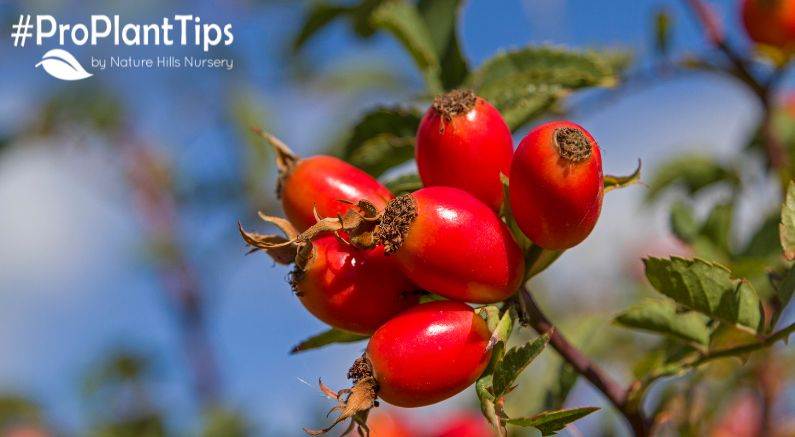
Sometimes spelled Rosehip, these colorful round seed pods are the fruits that form on many kinds of Rose bushes (Rosa spp.), and especially large and showy on Rugosa Roses! Some of the Rose Hips from wild roses are much smaller and less fleshy but very show still!

rose hips on a bush

When the flowers finish the petals fall off and the fleshy fruit forms and ripens and color ranges from orange, yellow, and red to deep purple. As you can see the Roses starting to go dormant and the leaves are turning color and the Hips have colored up beautifully!

The Hips are the fleshy fruits where the seeds are produced. But there is more to these colorful nuggets than meets the eye!

Health Benefits of Rose Hips

Rose Hips in Food

One delicious reason to remove the Hips is for use in the kitchen! Rose Hips are super high in vitamin C and are used in many kinds of supplements and we’re sure you have heard of Rose Hip tea, jelly, and marmalade! Dry the Hips for later use and keep them in a cool, dry place for later use.

rose hip jam

Fresh or dried, you can make a refreshing tea that is high in Vitamin C, A, E, and B, flavonoids, and other antioxidants and minerals. They also contain a substance that fights inflammation and is great for your health and immune system.

The juice of fresh Rose hips can be strained and used immediately, or frozen for up to a year. Fresh or dried Rose Hips can also be cooked to extract the juice for preserves, syrups, and flavoring. Drizzle the syrup over pancakes, or flavor beverages, and even serve over ice cream. The juice can add vitamin C to bone broth, and the hips themselves can be added to flavored vinegar.

For Your Health Inside & Out

Rose hip essential oil

The Hips can also be infused and made into Rose Hip oil that is used for a wide variety of beauty products from creams, salves, soaps, and lip balms! Vitamin C is moisturizing and has been shown to promote collagen synthesis and protect skin cells against sun damage. Plus the oil has beta-carotene!

Other Uses For Rose Hips

For the Winter Interest

Uses for Rose Hips

One reason to keep the Hips on your shrub is that Rose Hips will remain showy all winter long giving you and your garden months of fall and winter interest!

For the Birds

That’s if the songbirds don’t come to pluck them off before then! Typical birds include Thrushes, Blackbirds, Redwings, Green Finches, and Goldfinches that will feed on the Rose Hips during the autumn and winter.

For Bouquets & Décor

Many times Rose Hips are cut and used in holiday decorations and floral bouquets! Indoors or out, add snipped stems of Rose Hips to containers, wreaths and swags, garlands, and potpourri!

Mixed with evergreen branches and stems from Red Twigged Dogwoods, Curly Willow, and Holly, tucked into urns or containers at the front entrances of homes and businesses for the winter months as they are very persistent and remain colorful all winter long!

Beautiful Rosy Hips!

Fantastic beauty and full of healthful benefits for you inside and out, the lovely last gasp of beauty from your Rose bush before the winter! Check out all the gorgeous perks these rosy seed pods have in store for your life and landscape today with the help of Nature Hills!

Happy Planting!

Shop Roses
Previous Next

Frequently Asked Questions

Should i remove rose hips?

It depends on your goals. Leave rose hips on the bush if you want winter interest and food for birds, or harvest them in late fall after the first frost when they're fully colored and slightly soft for making vitamin C-rich teas, jellies, and preserves. Remove spent hips during the growing season only if you want to encourage continued blooming on repeat-flowering varieties. Check your rose hips after the first hard frost for optimal flavor and nutritional content before harvesting.

Should you leave rose hips on the plant?

Whether to leave rose hips on the plant depends on your goals. If you want to harvest them for tea, jelly, or their high vitamin C content, remove them in fall when they turn orange, red, or purple. Leave them on the plant if you prefer winter garden interest and want to provide food for birds through the cold months. For repeat-blooming roses, remove hips during the growing season to encourage continued flowering.

Do you cut off rose hips?

Whether to cut off rose hips depends on your goals. Leave them on for winter interest, bird food, and to harvest for vitamin C-rich teas, jellies, and preserves in late fall after they've fully colored up. Remove them throughout the growing season if you want to encourage continuous blooming on repeat-flowering varieties. For kitchen use, harvest hips after the first light frost when they're fully colored but still firm.

When to cut rose hips?

Cut rose hips after they have fully ripened and developed their bright orange, red, or purple color, typically 6-8 weeks after the flowers fade in late fall. For culinary use, harvest hips after the first light frost when they're slightly soft but before hard freezes damage them. If you want continuous blooming on repeat-flowering roses, deadhead spent blooms before hips form. Wait until late winter to remove any remaining hips for wildlife food and winter garden interest.

What are rose hips on a rose bush?

Rose hips are the colorful, fleshy seed pods that form after rose flowers finish blooming, typically appearing in late summer through fall. These round fruits range in color from orange and yellow to red and deep purple, with Rugosa roses producing some of the largest and most showy hips. Rose hips are packed with vitamin C and other nutrients, making them valuable for teas, jellies, and preserves. Allow hips to fully ripen and turn color before harvesting in October or November for culinary use.

Are rose hips seed pods?

Yes, rose hips are the colorful seed pods that form after rose flowers finish blooming and petals drop off. These fleshy fruits contain the seeds and develop in fall on many rose species, appearing especially large and showy on Rugosa roses. Rose hips range in color from orange and yellow to red and deep purple, ripening as plants enter dormancy. Allow hips to fully color up before harvesting them for culinary use or leave them on the bush for winter interest and bird food.

Are rose hips from roses?

Yes, rose hips are the colorful seed pods that form naturally on rose bushes (Rosa spp.) after the flower petals drop in late summer and fall. These fleshy fruits develop where the seeds are produced and appear in colors ranging from orange and yellow to red and deep purple. Rugosa roses produce particularly large and showy hips, while wild roses form smaller but equally attractive fruits. Allow hips to fully ripen and color up before harvesting them for culinary use or leaving them for winter bird food and garden interest.

Do you prune rose hips?

Whether to prune rose hips depends on your goals. Remove spent hips immediately after blooming if you want to encourage continued flowering through fall, or leave them on the plant for winter interest and to harvest for teas, jellies, and their high vitamin C content. Rose hips also provide valuable food for birds during winter months. Prune hips in late fall after they've fully colored, or wait until late winter before new growth begins.

Can you freeze rose hips?

Yes, you can freeze rose hips for extended storage and use. Fresh rose hip juice can be strained and frozen for up to a year, while whole fresh rose hips should be cleaned and frozen immediately after harvest for best quality. For optimal results, harvest rose hips after the first light frost when they're fully colored but still firm, then wash and remove stems before freezing in airtight containers.

Are all rose hips edible?

Not all rose hips are edible - avoid hips from roses treated with pesticides or fungicides, and steer clear of ornamental varieties that may have been chemically treated. The best edible hips come from species roses like Rosa rugosa, Rosa canina, and Rosa woodsii, which produce large, fleshy fruits high in vitamin C. Harvest hips after the first light frost when they're fully colored but still firm, typically in October through November depending on your zone. Always identify your rose variety and growing conditions before consuming any hips.

Find Your Garden's Growing Zone!

Your Current Growing Zone:

Zone

ZIP Code:

✓ Growing Zone Set Successfully!

Your zone has been saved and will be used throughout the site.

⚠ Unable to locate a growing zone for that ZIP code.

Please check your ZIP code and try again.

Looking up your growing zone...

When ordering a tree or plant, make sure to know your planting zone.

You can determine your garden's USDA hardiness zone by entering your Zip Code below.