Free Shipping on Orders $199+

Growing Zone: | Garden in
Find your Growing Zone!

Planting and Caring For Ranunculus: A Complete Guide!

Planting and Caring For Ranunculus: A Complete Guide! - Nature Hills Nursery

Charlotte Weidner |

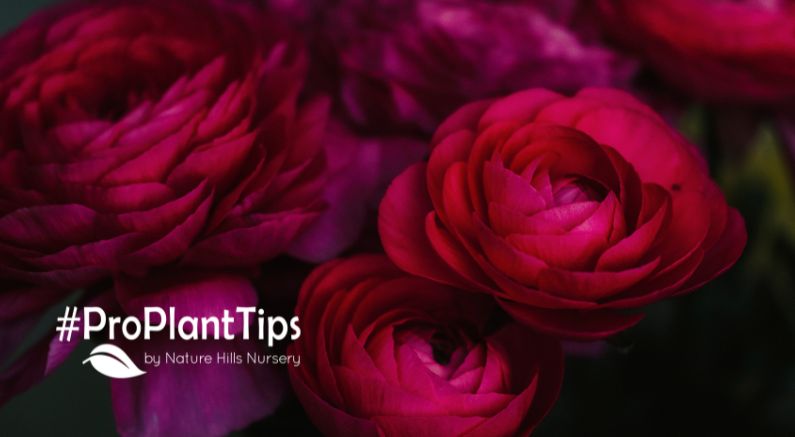
Ranunculus, with its vibrant, incredibly full, rose-like blooms and delicate, concentric layers of petals, is a favorite among gardeners and flower enthusiasts alike. These exquisite flowers not only bring color and elegance to your garden but also carry a rich history and symbolism that adds depth to their beauty!

In this guide, we'll explore everything you need to know about Ranunculus, including how to plant and care for these romantic blossoms!

All About Ranunculus

Ranunculus Flower

Ranunculus, commonly known as buttercups, are members of the Ranunculaceae family. Native to regions of Asia, Europe, and North Africa, these flowers have been cherished for centuries. The genus name "Ranunculus" is derived from the Latin word "ranunculus", meaning "little frog", as many species thrive in moist environments where frogs are also found.

First cultivated by Persian and Turkish gardeners, Ranunculus was later introduced to Europe during the 16th century. Over time, selective breeding led to the creation of the Ranunculus asiaticus hybrids we know today, prized for their vivid hues and full, multi-petaled blooms.

In the language of flowers, Ranunculus symbolizes charm and attractiveness. Giving someone a cut flower bouquet of Ranunculus conveys the message, "You are radiant with charm!" according to the Victorian language of flowers.

Planting Ranunculus: Step-by-Step Guide

Choosing the Right Location

  • Sunlight: Ranunculus thrives in full sun. Choose a location that receives at least 6–8 hours of direct sunlight daily. Hotter growing zones appreciate afternoon shade.
  • Soil: Fertile, well-draining soil that is essential. Amend clay-heavy soils with sand or compost to improve drainage.

Planting the Corms

  1. When to Plant: In zones 8–10, plant corms in the fall for spring blooms. In colder climates (zones 4–7), plant them in late winter or early spring after the risk of frost has passed.
  2. Pre-Soaking: Before planting, soak the corms in lukewarm water for 3–4 hours to rehydrate them. This helps them establish quickly.
  3. Planting Depth and Spacing: Plant corms with the "claw" side down, about 2 inches deep and 4–6 inches apart.
  4. Watering: Water thoroughly after planting to help settle the soil.

Growing Ranunculus Plants

Watering

Orange Ranunculus

Keep the soil consistently moist but not waterlogged. Overwatering can lead to root rot, while insufficient watering may hinder growth and flowering.

Fertilizing

Apply a balanced, slow-release fertilizer (10-10-10) at planting time and again during the growing season to promote healthy blooms.

Pest and Disease Management

Watch out for pests such as aphids and spider mites. Use insecticidal soap or neem oil to manage infestations. To prevent fungal diseases, ensure good air circulation and avoid overhead watering.

Deadheading

Regularly remove spent blooms to encourage continued flowering and maintain the plant's appearance.

Lifting Ranunculus Corms in the Fall

In regions with cold winters (zones 3–7), Ranunculus corms must be lifted and stored to protect them from freezing temperatures. Here's how:

  1. Wait for the Right Time: Once the foliage has yellowed and died back naturally, it's time to lift the corms.
  2. Dig Carefully: Use a garden fork or trowel to loosen the soil around the plants gently. Avoid damaging the corms.
  3. Clean and Dry: Shake off excess soil and allow the corms to dry in a warm, airy location for a few days.
  4. Store Properly: Place the corms in a paper bag or box filled with dry peat moss or vermiculite. Store them in a cool, dark, and dry location (40°F–50°F) until spring.

Forcing Ranunculus Indoors For The Winter

Forcing Ranunculus corms in winter transforms any indoor space into a vibrant, early spring oasis. Planted in decorative pots or shallow trays, their lush green foliage adds texture while the long, elegant stems make them perfect for cut arrangements.

With just the right balance of cool temperatures and bright light, these forced blooms bring warmth, cheer, and a touch of garden magic to the coldest months of the year.

Ranunculus can also be forced indoors to enjoy their beauty during the off-season. Here's how:

  1. Prepare the Corms: Soak the corms in water for 3–4 hours.
  2. Choose a Container: Select a pot with good drainage holes and fill it with well-draining potting soil.
  3. Planting: Plant the corms 2 inches deep and 4 inches apart. Position the pot in a bright, sunny location.
  4. Watering and Care: Water thoroughly after planting and keep the soil consistently moist. Rotate the pot regularly for even growth.
  5. Temperature: Maintain a temperature of 50°F – 65°F for optimal growth.

With proper care, you can enjoy vibrant Ranunculus blooms indoors within 12–16 weeks.

Start Enjoying Ranunculus Today!

Ranunculus flowers are more than just a feast for the eyes - they carry a rich history, a meaningful message, and the promise of joy for any gardener! Whether planted in your garden or grown indoors for a burst of winter color, these stunning blooms are worth the effort!

By following the steps outlined in this guide, you will be on your way to enjoying radiant Ranunculus flowers every summer!

Happy Planting!

Shop for Ranunculus today!
Previous Next

Frequently Asked Questions

Do ranunculus need full sun?

Yes, ranunculus thrive in full sun and need at least 6-8 hours of direct sunlight daily for optimal blooming. In hotter growing zones (8-10), they benefit from some afternoon shade to prevent stress during peak summer heat. Choose a sunny location with well-draining soil for the most vibrant, full blooms and healthy plant growth.

When to start ranunculus indoors?

In colder climates (zones 4-7), start ranunculus corms indoors 8-10 weeks before your last expected frost date. Plant the pre-soaked corms in well-draining potting mix in 4-6 inch containers, keeping them in a cool location around 50-60°F. This indoor start gives the corms time to establish roots before transplanting outdoors after frost danger has passed.

How to care for ranunculus?

Ranunculus requires full sun (6-8 hours daily) and well-draining, fertile soil to thrive. Water regularly during the growing season but allow soil to dry between waterings to prevent corm rot. In zones 8-10, treat as perennials and allow foliage to die back naturally after blooming, while gardeners in zones 4-7 should lift and store corms indoors over winter. Apply a balanced fertilizer monthly during active growth and deadhead spent blooms to encourage continued flowering.

Can i grow ranunculus indoors?

Yes, you can grow ranunculus indoors in containers with proper care. Choose a sunny location that receives at least 6-8 hours of direct sunlight daily, or supplement with grow lights. Use well-draining potting mix and ensure containers have drainage holes to prevent waterlogged conditions that can cause corm rot. Plant pre-soaked corms in late winter or early spring for best results.

How often to water ranunculus?

Water ranunculus deeply once or twice per week, providing about 1 inch of water total. During active growth and blooming periods, maintain consistently moist (but not waterlogged) soil, especially in zones 8-10 where they grow as perennials. In colder zones 4-7, reduce watering frequency as foliage dies back after blooming. Check soil moisture by inserting your finger 2 inches deep - water when the top inch feels dry but deeper soil remains slightly moist.

What USDA hardiness zones are best for growing ranunculus?

Ranunculus thrive in USDA hardiness zones 8-10, where they can be grown as perennials and will naturalize over time. In zones 7 and colder, treat them as annuals or lift the tubers after foliage dies back in fall for winter storage indoors. These plants prefer cool, moist growing conditions with temperatures between 55-65°F during their active growing season. Plant tubers in fall in warm zones or early spring after last frost in cooler areas for best results.

How to grow ranunculus?

Plant ranunculus corms in full sun (6-8 hours daily) in well-draining, fertile soil after soaking them in lukewarm water for 3-4 hours. In zones 8-10, plant in fall for spring blooms; in zones 4-7, plant in late winter or early spring after frost danger passes. Amend heavy clay soils with sand or compost to ensure proper drainage. Space corms 4-6 inches apart and water regularly during the growing season for best results.

Can you force ranunculus bulbs?

Yes, you can force ranunculus corms (not true bulbs) indoors for earlier blooms. Plant pre-soaked corms in well-draining potting mix in containers during late winter, keeping them in a cool location (50-60°F) with bright light. After 8-10 weeks, move containers to a warmer spot (65-70°F) to encourage flowering. For best results, choose compact varieties and ensure containers have excellent drainage to prevent rot.

How to fertilize ranunculus?

Feed ranunculus with a balanced, water-soluble fertilizer (10-10-10 or 20-20-20) every 2-3 weeks during the growing season from spring through early summer. Apply fertilizer at half the recommended strength to avoid burning the delicate corms and foliage. Stop fertilizing once blooms begin to fade and foliage starts yellowing naturally. Water thoroughly after each application to help nutrients reach the root zone.

How deep should I plant ranunculus corms and which side down?

Plant ranunculus corms 2 inches deep with the claw-like points facing downward and the smooth, rounded side facing up. In zones 8-10, plant corms in fall for spring blooms, while gardeners in zones 3-7 should plant in early spring after the last frost date. Soak the corms in lukewarm water for 3-4 hours before planting to encourage faster sprouting. Space corms 4-6 inches apart in well-draining soil and water gently after planting.

Find Your Garden's Growing Zone!

Your Current Growing Zone:

Zone

ZIP Code:

✓ Growing Zone Set Successfully!

Your zone has been saved and will be used throughout the site.

⚠ Unable to locate a growing zone for that ZIP code.

Please check your ZIP code and try again.

Looking up your growing zone...

When ordering a tree or plant, make sure to know your planting zone.

You can determine your garden's USDA hardiness zone by entering your Zip Code below.