Create Gorgeous Landscapes With the Power of Three

If you're anything like me, you all but drool at the spectacular gardens put together by those who've been cultivating their craft for years. How do they do it?
More specifically, how can someone group seemingly random genera, species, and cultivars into something that looks both planned and totally natural? My untrained eyes once stared at blank beds and simply didn't know where to start.
As someone who is still learning, I tend to fall back on the basics fairly often, and one of my favorites is the planting rule of three.
Let's dive into how to plant in threes and why this age-old garden design technique works so beautifully. You'll find this strategy is simple, elegant, and one of the most pleasing tools Mother Nature ever inspired.
We'll also recommend some of the best trees, shrubs, perennials, and more for group planting that even the pros will admire!
- Why Plant in Threes?
- Design Ideas Using Threes
- What If You Bought an Even Number?
- How to Properly Space Plants in Groups
- Best Plants for Grouping in Threes (or Fives or Sevens)
- Pro Tips For Successful Grouping Design
- Group Effort? Garden Glory!
Why Plant in Threes?
I grew up in a house that had, what I can only describe as, an absolutely gigantic garden. It was a budding botanical lover's dream. The elder gardeners in my family hammered one rule into my head while plant shopping:
Always buy three or more. Always.
When you're working with the kind of sheer square footage we were, buying less than three all but ensured they'd get lost in the fray.
However, as I've grown older (and dare I say wiser), I've realized there are far more reasons to buy three, five, or even seven of a plant.
But I've since learned that grouping in odd numbers, whether three, five, or even seven, works wonders in any size garden. Here's why:
- Odd numbers create visual harmony. Whether you're working with a tiny plot or a full backyard retreat, trios feel natural to the eye.
- There are several ways to incorporate an odd number of plants into your design, other than in a simple straight line. Zig-zagging collections and clusters best draw the eye. Although that is a great option since an odd-numbered grouping gives a natural center.
- They anchor garden designs. Odd-numbered groupings act like focal points that guide your gaze across the bed.
- Threes allow creative arrangements. From triangles to arcs to layered levels, three plants are a perfect base for stunning shapes.
Design Ideas Using Threes
- Triad formations work beautifully for Hostas under trees or Roses in sunny beds.
- Right-angle clusters keep each plant visible while wrapping around trunks or corners.
- Layered heights of taller plants at the back and smaller groupings in front create depth and rhythm.
- Color mixing three cultivars with varying hues still maintains cohesion while adding pop.

When planting in a triangle, lines, or any other shape, you'll want to pay attention to the final spread of a plant. Odds are, the plant you bought isn't its full size yet. If you space them out according to how big they are when planting, you might find one summer day that they've grown into each other to form one massive blob.
Space them out so that when your plants reach their full size, they'll still be far enough away from each other to distinguish that they are indeed separate plants. It might look a little awkward when they're first planted, but we promise the finished product will be worth it.
What If You Bought an Even Number?
Again, if you're anything like me, you've bought extra plants before because they were the last ones on the shelf, and you have the radical belief that every plant needs a home. Skipping over the fact that that makes me a plant weirdo, we now have an even number of plants.
Even if you accidentally bring home an even number of plants (guilty!), there are still ways to work them in gracefully. No shame in having four, six, or even just two of a kind. Here's how to pivot:
- Four plants? Try planting three on one side and feature the fourth as a solo specimen.
- Six plants? Divide into two groups of three and three - voilà! Just be sure to space them apart.
- Only two? Use them to frame an entryway, gate, or outdoor sculpture. This more formal style can still be quite enchanting.
How To Properly Space Plants In Groups

Ok, yes. Knowing the rule of three is helpful, but how do those experienced gardeners put it into practice to get that stunning masterpiece of a garden? The short answer is experience and lots of trial and error. However, if you're looking for a good starting place, we're more than happy to give some ideas to get you going:
1. When planting in any formation, it's essential to first consider the plant's mature spread, not the size it is at the time of planting. Give them enough breathing room to grow into their full form without crowding. It may look a little sparse at first, but in a season or two, your design will shine.
2. Also, don't forget a vital step: add a layer of arborist mulch. It locks in moisture, deters weeds, and gives your planting beds that polished, unified look.
Best Plants for Grouping in Threes (or Fives or Sevens)
Below are superstar choices for grouping based on their structure, performance, and beauty.
Best Trees For Grouping
- Crabapple Trees: Rich pink blossoms, burgundy foliage, try varieties like the Prairifire Flowering Crabapple that attract birds and pollinators.
- Redbud Trees: Early blooming, heart-shaped leaves, symbolic of renewal.
- Birch Trees: Peeling bark, fast-growing, great for natural-looking clusters, Birch trees are naturals for odd-numbered clusters.
- Serviceberry: Edible berries, white spring blooms, fiery fall foliage; these shrubby trees benefit from groupings thanks to the increased pollination chances.
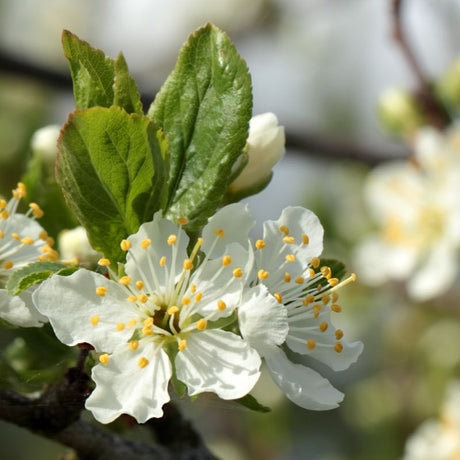
- Purple-Leafed Flowering Plums: Fragrant spring blooms, compact and colorful, plus there are wonderful Fruiting native Plums like the Chickasaw and American Plum that form colonies all on their own.
Great Grouping Shrubs
- Little Lime® Hydrangea: Lime green blooms turning pink, compact habit, great for borders. Add some punch with the matching Tree Form for a specimen grouping.
- Ninebark Bushes: Deep purple or lemony yellow foliage, exfoliating bark, native, and tough. The glossy, dark-leafed Panther® Ninebark is a showy option!
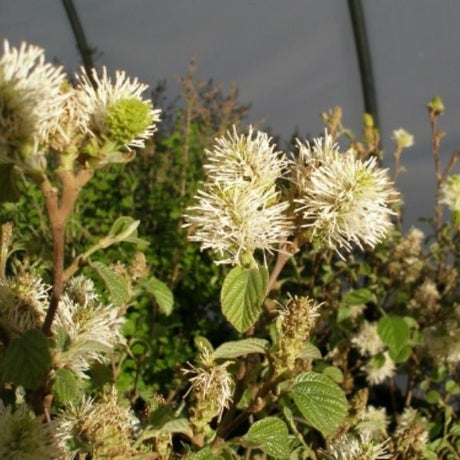
- Dwarf Fothergilla: Fragrant bottlebrush blooms, blazing fall color, these underutilized shrubs have a unique native beauty. Try Mount Airy for a larger form.
- Goldmound Spirea: Bright yellow foliage, flat-topped pink blooms, and very easy-to-maintain shrubs that look fantastic in drifts, groupings, and clusters.
- Rugosa Roses: Tough and colony-forming, with fragrant, crinkled blooms, bright rosehips, and great wildlife value!
Best Perennials For Clustering
- Hostas: Shade-loving, endless variety, and so many bold textures to choose from.
- Black-Eyed Susan: Cheerful golden petals, long-blooming, and lots of perennial power.
- Coneflower (Echinacea): Pollinator magnets with a great medicinal history, and upright blooms that love the sun and heat.
- Astilbe: Feather-like colorful plumes and ferny foliage. Astilbe loves moisture and part shade! The red flowering Astilbe will bring in more hummingbirds when planted in large groups!
- Daylily (Hemerocallis): One of the easiest perennials to grow, Daylilies are hardy clumpers with strappy leaves, vibrant blooms, and reblooming beauty.
No-Brainer Clumping Ornamental Grasses
- Karl Foerster Feather Reed Grass: Upright habit, golden blooms, plus plenty of strong winter interest.
- Blue Fescue: Compact mounds, icy blue color, and great for edging. Try the Elijah Blue.
- Northwind Switch Grass: Upright in form with rustling seed heads, it's also wonderfully drought-tolerant.
- Little Bluestem: Fine blue-green blades, rusty red fall color, native and drought-hardy.
- Japanese Forest Grass (Hakonechloa): Graceful mounding, flowing, golden foliage. These moisture-loving grasses are ideal for shade or partial sun. Try the bright All Gold.
Easy Groundcovers For Grouping
- Creeping Phlox: Spring flowers, spreads quickly, fragrant and vibrant groundcover. Try the Scarlet Creeping Phlox for a vivid spectacle.
- Black Scallop Ajuga: Glossy purple leaves, blue flower spikes, and shade-tolerant. This Proven Winners® selection shines all on its own!
- Sweet Woodruff: Whorled leaves, white flowers, and aromatic foliage! This is a lacy groundcover that adds that special touch of shade-tolerant fringe.
- Purple Dragon Lamium: Silvery foliage and purple blooms; this stunner thrives in dry shade and blocks weeds.
- Dragon's Blood Sedum: Succulent foliage turns red in fall, low-growing and drought-tolerant.
Pro Tips For Successful Grouping Design
- Unify your groupings. Choose one recurring plant to weave through the garden, like a thread tying it all together.
- Frame your garden. Use groups of three or five at corners and along paths to draw the eye inward.
- Mix and match. Combine plants with different textures and colors for layered interest, but keep the same color palette in mind.
- Use the Finger Test when watering new plants to know when to water deeply and how often.
- Go bold or subtle. Whether you're designing a rockery (rock garden) or a sweeping border, groupings will shine!
Group Effort? Garden Glory!
Planting in threes is more than a trick; it's a time-honored method that brings natural balance, rhythm, and style to your garden! With just a bit of planning and a handful of harmonious companions, you'll soon have a great-looking landscape!
Keep the rule of three in mind when you're buying plants this spring and every season thereafter and you'll be well on your way to creating a garden that others will drool at the sight of.
Happy Planting!