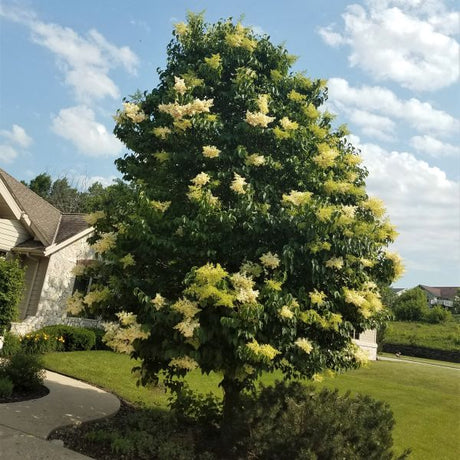
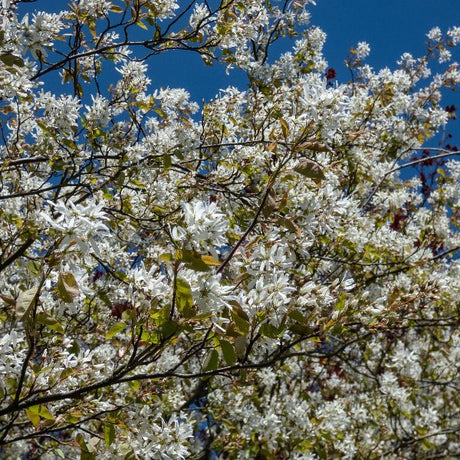
Ornamental trees are the fastest way to turn an ordinary yard into a lush, colorful retreat, even if you only have a small front lawn or a compact backyard. By choosing dwarf and small ornamental trees, you can enjoy four-season beauty, pollinator-friendly blooms, and privacy without overwhelming your space.
Benefits of Ornamental Trees
Aesthetic Appeal
Ornamental trees add aesthetic value with eye-catching flowers, colorful foliage, and interesting bark that become focal points in front yards and small gardens. Many small flowering trees support pollinators, birds, and beneficial insects by providing nectar-rich blossoms and, in some cases, small fruits for wildlife.

Environmental Contributions
These trees boost biodiversity in urban and suburban neighborhoods by offering shelter, nesting sites, and food sources for wildlife. Their foliage helps filter air, provide shade that cools hardscapes, and reduce stormwater runoff compared to bare lawn.
Space Efficiency
Their modest height and controlled spread make them ideal trees for small yards, side yards, and planting near the house where large shade trees would be impractical. Many dwarf and columnar selections are slow growing, which means less pruning, less mess, and easier long-term maintenance for busy homeowners.
Types of Ornamental Trees
Dwarf Trees
Dwarf trees naturally stay small, often topping out under 15 to 20 feet, so they fit neatly into small gardens and narrow planting beds. They are excellent choices when you want the look of a classic tree without the long-term size or root issues of full-size varieties.
Small Flowering Trees
Small flowering trees deliver big color in tight spaces, turning front yards and patios into seasonal showpieces. Their blossoms often arrive in early spring, extending your garden’s color before many shrubs and perennials wake up.

Compact Flowering Trees
Compact flowering trees combine a controlled canopy with striking blooms, making them ideal for foundation plantings and near entries. Many can be maintained with light pruning to remain proportional to single-story homes and small lots.
7 Ornamental Trees That Will Transform Your Garden
1. Flowering Cherry (Small and Weeping Types)
Flowering cherry blossom trees typically range from about 15 to 30 feet tall, with spreading or weeping habits that create clouds of pink or white blooms in spring. Smaller and weeping selections make excellent small flowering trees for front yards, offering dramatic early-season color without casting deep shade all summer.
Their showy blossoms attract pollinators, and the graceful branching structure provides four-season interest, especially when planted as a specimen near a front walk or patio. Use them as a focal point in a front lawn island bed or as a pair flanking a driveway entrance.
2. Flowering Dogwood
Flowering dogwoods are classic ornamental landscape trees with large, showy spring bracts in white or pink, followed by red fall color and decorative berries. These small trees thrive as understory trees that tolerate some shade, making them great small trees that grow in shade or dappled light on the edges of larger yards.
Their modest size and layered branching make them ideal as small trees for backyard borders or as a focal point in a small garden bed. They pair beautifully with shade-loving shrubs and perennials for a soft, woodland feel.
3. Dwarf Strawberry Tree (Arbutus unedo ‘Compacta’)

The Dwarf Strawberry Tree is a versatile evergreen that can be grown as a large shrub or trained into a small tree, staying nicely scaled for compact spaces. It features thick, glossy green leaves, cinnamon-colored peeling bark, and masses of white bell-shaped flowers from fall into winter, followed by bright red strawberry-like fruit that birds enjoy.
This slow- to medium-growing, water-wise ornamental suits small yards in warmer zones and works beautifully as a patio specimen, screen, or small tree near the house. Its evergreen foliage provides year-round structure and color in mild climates.
4. Flowering Plum
Flowering plum trees are ornamental, largely fruitless plums that deliver abundant spring flowers, rich foliage color, and very low maintenance. These small ornamental trees hold dramatic foliage color through summer heat and then add another shot of color in fall, giving long-season interest in small gardens and front yards.
Because they are largely mess-free and compact, they are among the best small trees for front yard plantings where a clean look and vivid color are priorities. Plant them against light-colored siding or hardscape to make the foliage stand out.
5. Columnar Trees for Tight Spots
Columnar trees stay slim and upright, acting like exclamation points in the landscape while fitting into narrow side yards, along driveways, or close to the house. Options like columnar deciduous trees or narrow evergreens are ideal trees for small yards because they deliver height and privacy without taking much horizontal space.
Use columnar trees to frame an entry, mark property lines, or create vertical accents behind low shrubs in small gardens. In tiny backyards, a short row of columnar trees can form a green privacy wall without feeling overwhelming.
6. Patio Trees and Miniature Trees
Patio trees are specially selected small trees—often dwarf citrus, palms, or other ornamentals—grown in containers for balconies, decks, and tiny courtyards. These miniature trees provide flowers, fragrance, or fruit in a very compact footprint, making them some of the best trees for small gardens and for renters who want movable greenery.
Kept pruned, patio trees can serve as living décor flanking doors, defining outdoor “rooms,” or adding privacy on urban patios. They are ideal when you need a pretty tree but cannot commit to planting in the ground.
7. Small Ornamental Weeping Trees
Many weeping trees, such as weeping cherries or other specialty forms, are prized as unique ornamental landscape trees because of their cascading branches and strong architectural presence. Even on small lots, a single weeping tree can create a focal point that transforms a front lawn or backyard seating area into a garden destination.
Their controlled height and dramatic habit make them ideal as small trees for landscaping near patios, garden paths, or water features. Underplant them with low groundcovers or seasonal color to highlight their shape.
Best Small Trees for Front Yard
When choosing small trees for front yard curb appeal, focus on size at maturity, root behavior near foundations, and year-round interest. Small flowering trees like dogwoods, cherries, and plums, or narrow columnar trees, are excellent choices because they add color and structure without overpowering the house.
For very tight spaces, patio trees or dwarf evergreens can create a polished, intentional look near walks, porches, and driveways. Choose varieties that contrast with your siding color so their foliage and flowers really stand out from the street.
Small Trees for Landscaping Ideas

Small trees for landscaping can be used to anchor mixed borders, frame views, or divide a yard into garden rooms without feeling crowded. Try placing a dwarf or miniature tree in a large container on the patio, flanking a path with two matching flowering trees, or using a line of compact columnar trees as a living screen.
Small flower trees also pair beautifully with dwarf flowering shrubs to create layered color from spring through fall in small gardens. Mixing textures and bloom times keeps compact spaces interesting all season long.
Care and Maintenance of Ornamental Trees
Watering and Fertilization
Proper watering and fertilization are essential for establishing slow growing trees and compact flowering trees, especially during the first season after planting. Use the finger test: if the soil a couple of inches down feels dry, water deeply; if it is still moist, wait and check again later to avoid over-watering.
Once established, many ornamental trees become relatively water-wise and need only occasional deep watering in extended dry periods. A light application of balanced fertilizer in spring helps maintain steady growth and good bloom performance.
Pruning Techniques
Pruning small ornamental trees should focus on maintaining structure, removing damaged wood, and keeping the tree at a size that suits your space. Late winter is often a good time to shape many ornamental trees, but always check timing recommendations for your specific variety, especially spring-blooming trees that form buds the previous year.
For naturally compact or dwarf selections, light annual pruning is usually enough to keep them looking tidy without turning maintenance into a chore. Avoid heavy shearing that can spoil their natural form and reduce flowering.
Conclusion
Final Thoughts on Choosing the Right Tree
Choosing the right small tree means matching mature size, sun exposure, and hardiness zone to your site so the tree can thrive with minimal intervention. With today’s selection of dwarf trees, small flowering trees, and patio-ready miniature trees, even the tiniest yard can become a lush, ornamental paradise.
Encouragement to Plant
Explore high-quality ornamental trees that fit your space, and start with just one or two carefully chosen specimens if your yard is small. Planting even a single pretty tree can completely change the way you use and enjoy your outdoor space for years to come.