Mimosa trees, also known as Silk Trees, Persian Silk Trees, Albizia, and the classic Mimosa Tree, are some of the most captivating flowering trees in warm-climate landscapes, and gardeners can't stop buzzing about them. Known for their powder-puff pink blooms, fernlike foliage, and sweet summer fragrance, these fast-growing flowering trees check every box as graceful shade trees, wildlife-friendly landscaping, and vibrant ornamental color.
These airy beauties create a light and dreamy canopy that feels downright whimsical. Their soft, feathery leaves and cotton-candy blossoms dance in the breeze, turning any backyard into Ma Nature's own celebration of color.
With standout options like the richly colored Chocolate Fountain Mimosa, the beloved Mimosa Tree (classic Silk Tree form), the refined EH Wilson Mimosa Tree, and the dramatic purple-toned Summer Chocolate Mimosa, this guide highlights the key benefits, landscaping uses, wildlife perks, and simple care tips so you can enjoy all the summer magic these Silk Tree varieties bring.
- Popular Mimosa Varieties
- Landscaping Uses of Mimosa
- Wildlife Benefits
- Care and Maintenance
- A Tree That Brings Summer to Life

Key Benefits of Mimosa Trees
Fast-Growing Shade
Mimosa trees are well known for their rapid growth, often reaching 20–35 feet tall and spreading into a soft, umbrella-like canopy within a few seasons. Their airy, dappled shade keeps patios cooler through evapotranspiration, all while allowing enough light underneath for flowering annuals, Catmint, Salvia, or shade annuals to thrive. For even more ways plants help cool outdoor spaces, see this helpful guide on using shade trees to cool your world.
Pollinator Magnet
The fluffy pink flowers of the Silk Tree are packed with nectar, drawing in hummingbirds, butterflies, and bees throughout the summer. The blooms' sweet fragrance and unique shape make this tree one of the most wildlife-friendly ornamentals. To attract even more pollinators to your landscape, explore these tips for building a pollinator-friendly garden.
Dramatic Foliage
Feathery, fernlike leaves fold up at night or during rain, a neat botanical trick known as nyctinasty. Children and adults alike find the movement fascinating.
Heat-Tolerant and Adaptable
Mimosa trees, including classic Albizia and Persian Silk Tree types, handle hot summers, sandy soils, and drought-tolerant conditions once established. They thrive in full sun and adapt to a wide range of landscapes.
Beautiful Summer Blooms
Their silky, powder-puff blossoms resemble fireworks frozen mid-explosion. With color ranging from bright raspberry-pink to soft blush, they perfume the warm air and add a romantic, tropical feel.

Mimosa Trees: Where Feathery Flair Meets Botanical Fun
Mimosa Trees, also known as Albizia julibrissin, Powderpuff Tree, or Silk Tree, bring a cloud of pink, fragrant, silky blooms that look like they were spun by Ma Nature herself. Botanically, these graceful trees form wide, umbrella-like crowns with ferny, touch-sensitive leaves and deep, exploring roots that help them handle heat and dry spells.
Symbolically, Mimosas stand for joy, sensitivity, and resilience, thanks to their soft leaf movement and tenacious growth habit. No wonder they’ve been treasured in gardens around the world as a sign of beauty that bends but never breaks.
Popular Mimosa Varieties
Chocolate Fountain Mimosa
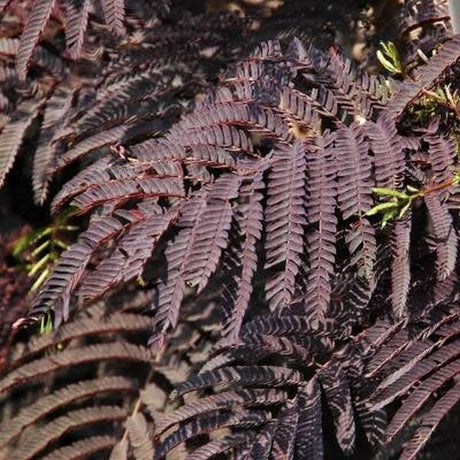
One of the most dramatic Silk Tree selections, this variety stands out with deep burgundy to chocolate-brown foliage that arches in cascading layers. Its rich leaf color contrasts beautifully with the cotton-candy pink blooms. It's smaller and more weeping in form, making it perfect for accent planting or near water features.
Classic Pink Silk Tree (Albizia julibrissin)
The best-known type, this variety produces the iconic pink puffball flowers that glow in mid-summer. It's a fast-growing, wildlife-friendly flowering tree beloved for shade, fragrance, and summer drama.
EH Wilson Mimosa Tree
A refined selection of the classic Silk Tree, this variety is known for strong branching, reliable bloom power, and a balanced canopy shape. It's an excellent choice for front yards and landscape accents.
Summer Chocolate Mimosa
A showstopper with dramatic, deep purple foliage that intensifies through summer. Its cotton-candy blossoms glow against the dark leaves, giving this ornamental tree a high-contrast, modern garden look.

Landscaping Uses of Mimosa
Mimosa trees and Silk Trees play well in many landscape styles thanks to their open canopy, bright blooms, and quick growth rate.
-
Accent tree near patios and outdoor seating, where the sweet mid-summer scent can be enjoyed up close.
-
Wildlife gardens: attracting hummingbirds, bees, and butterflies.
-
Tropical-themed backyards, paired with Pink Muhly Grass, Butterfly bushes, Sun annuals, or flowering annuals like Zinnias.
-
Front yard statement trees, offering an airy canopy that won't overwhelm the view of the home.
-
Water garden edging, where the fernlike foliage pairs beautifully with ornamental grasses or shade grasses. Learn more about types of grasses that blend well with Mimosas in this guide to ornamental grass types.
-
Mixed borders, layered with shrubs like Rose bushes, Hydrangea bushes, or evergreen bushes such as Skip Laurel bushes.
- Cut flower areas, since the unique blooms make great fresh arrangements. For more ideas on building a cutting space, explore these essentials for a cutting garden.
Their light shade is perfect for underplanting with Perennials, Catmint, Hostas, Ferns, shade annuals, or ornamental grasses.

Wildlife Benefits of Mimosa Trees
-
Hummingbirds swarm to the nectar-rich blooms, performing midair aerial shows in summer.
-
Butterflies and bees flock to the flowers, making this tree a keystone pollinator resource. See more plants that help pollinators thrive in this guide to beneficial pollinator plants.
-
Birds enjoy the seed pods, especially finches and songbirds, in late summer.
- A light canopy allows understory habitat for smaller pollinators and beneficial insects. Curious about which insects help your garden the most? Here's a great list of beneficial insects.
A Mimosa tree, whether a classic Silk Tree or a bold colored cultivar, doesn't just decorate the yard; it builds a thriving ecosystem.
Silk Tree Care and Maintenance
Mimosa trees are wonderfully easy to grow with just a few key care tips!
Best Sun and Soil
- Plant in full sun for the strongest flowering. Learn how sunlight impacts plant growth in this guide on full sun conditions.
- Prefers well-drained soil but adapts to clay, loam, or sandy soil. Not sure what well-drained means? Here's a helpful breakdown of well-drained soil.
Watering Needs
- Keep soil moist during the first year.
- Once established, Mimosa trees become drought-tolerant and require minimal supplemental watering.
Mimosa Tree Pruning
- Best done in late winter to maintain shape.
- Remove crossing or damaged branches as needed. If you want a quick refresher, here's a simple overview of pruning basics.
Fertilizing Mimosa Trees
- Avoid overly rich nitrogen fertilizers, as they increase foliage at the expense of blooms.
- A balanced, slow-release formula in spring is enough.
Pest & Disease Tips
- Proper spacing maintains good air circulation.
- Watering at the base helps avoid fungal issues.
Mulching
- Mulch 3–4 inches around the root zone to help regulate soil temperature and retain moisture.

A Tree That Brings Summer to Life
With airy pink blooms, mesmerizing leaf movement, wildlife appeal, and quick shade, Mimosa trees offer a one-of-a-kind blend of beauty and joy. From the cascading elegance of the Chocolate Fountain Mimosa to the iconic charm of the classic Silk Tree, the refined form of the EH Wilson Mimosa, and the deep-toned drama of the Summer Chocolate Mimosa, these ornamental favorites turn every yard into a soft, summery escape. Let their silky flowers and shimmering foliage lift your landscape to new heights!
Happy Planting!