Free Shipping on Orders $199+

Growing Zone: | Garden in
Find your Growing Zone!

Learn How To Grow and Use Japanese Lilac Trees

grow and care for japanese lilac trees

Charlotte Weidner |

Graceful Blooms With Year-Round Appeal

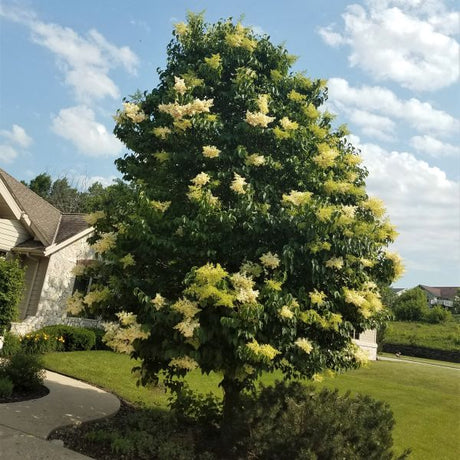
If you love Lilacs but wish they came in larger tree form, Japanese Lilac Trees (Syringa reticulata) are the answer!

These graceful ornamental trees stand out with their huge, creamy-white panicles of fragrant flowers, attractive bark, and neat branching!

caring for japanese tree lilacs at nature hills

Unlike smaller Lilac shrubs, Japanese Lilac Trees bring height, structure, and extended seasonal appeal to your garden! They’re tough, cold-hardy, and adaptable, making them excellent landscape centerpieces.

Japanese Lilac Trees bloom a bit later than traditional Lilac bushes, often in early summer, when other spring flowers are fading. That timing, paired with their sweet fragrance, gives pollinators a much-needed nectar source!

How Japanese Lilac Trees Differ From Lilac Shrubs

While both belong to the Syringa family, Japanese Lilac Trees and Lilac shrubs offer different experiences:

  • Size - Japanese Lilacs grow into small ornamental trees (20-30 feet tall), while most Lilac shrubs top out around 8-12 feet.

  • Form - Trees develop a central trunk with a spreading or upright canopy; shrubs stay multi-stemmed and bushy.

  • Bloom time - Shrubs bloom earlier in mid-to-late spring; Japanese Lilac Trees bloom later in early summer.

  • Color - Lilac shrubs boast pinks, purples, and whites; Japanese Lilac Trees are prized for creamy-white flowers.

  • Landscape use - Shrubs make great hedges or privacy screens, while trees shine as specimens or street plantings.

Landscaping Uses

shop japanese lilac trees at nature hills

Japanese Lilac Trees fit a surprising number of roles:

  • Front yard focal point - Create instant curb appeal with their rounded canopy and summer blossoms.
  • Street tree or boulevard planting - Their tolerance for urban conditions makes them perfect for lining sidewalks.
  • Patio and seating areas - Plant near porches or decks to enjoy their fragrance up close.
  • Pollinator-friendly garden - Support bees, butterflies, and other beneficial insects.
  • Mixed border accent - Combine with flowering shrubs like Hydrangea bushes, Spirea bushes, or Rose bushes for layered color.
  • Compact spaces - Upright selections like Ivory Pillar™ stay neat, narrow, and vertical.

Top Japanese Lilac Trees at Nature Hills

These are actually trees, not grafted tree-form Lilacs. Here’s the top Japanese Lilac Trees at Nature Hills!

Japanese Lilac Tree

The original species form of Syringa reticulata is a tough and adaptable ornamental tree. With a broad, spreading canopy and clusters of fragrant white flowers, it thrives in northern climates and urban settings alike.

  • Growing Zones 3-7
  • 20-25 feet tall, wide spreading canopy
  • Creamy-white, fragrant flowers in early summer
  • Hardy, adaptable to many soils
  • Excellent specimen or street tree

Ivory Silk Japanese Lilac Tree

A customer favorite, Ivory Silk is known for its neat, rounded canopy and reliable summer bloom. The huge, creamy-white panicles fill the air with fragrance, while dark green foliage and rich cherry-brown bark give year-round interest.

  • Growing Zones 3-7
  • 15-25 feet tall, 10-25 feet wide
  • Rounded crown with glossy green foliage
  • Showy cherry-like bark in winter
  • Reliable, heavy bloomer

Ivory Pillar™ Japanese Lilac Tree

Designed for smaller yards, Ivory Pillar™ grows upright and columnar while still showing off abundant summer flowers. Its tall, narrow habit makes it a natural fit along driveways, walkways, and urban streets.

  • Growing Zones 3-7
  • 20 feet tall, 12 feet wide
  • Columnar, vertical growth habit
  • Early-summer blooms in creamy-white
  • Perfect for boulevards and small yards

First Editions® Snowdance® Japanese Lilac Tree

Compact, symmetrical, and one of the heaviest bloomers, Snowdance® puts on a reliable display of large, fragrant clusters every year. Its rounded canopy stays neat, and its glossy foliage remains attractive even when flowers fade.

  • USDA Zones 3-7
  • About 18 feet tall and 18-20 feet wide
  • Broad, rounded canopy
  • Consistent, heavy bloomer each summer
  • Glossy, clean foliage stays attractive all season

Care & Maintenance

gorgeous japanese lilac trees at naturehills.com

Japanese Lilac Trees are some of the easiest ornamental trees to grow. Here’s how to keep them thriving:

  • Planting site - Full sun is best for strong bloom and dense growth.

  • Soil - Adaptable to many soil types, from loam to clay, but prefers well-drained ground.

  • Watering - Moderate needs; water regularly the first year, then only during dry spells once established.

  • Pruning - Minimal; remove dead or crossing branches in late winter. Avoid heavy pruning, as blooms form on new growth.

  • Fertilizer - A balanced slow-release fertilizer in early spring supports growth and flowering.

  • Cold-hardy - Performs reliably in northern climates (zones 3-7).

  • Mulching - Apply mulch around the base to conserve moisture, regulate soil temperature, and suppress weeds.

A Tree That Lifts the Spirit

Japanese Lilac Trees bring more than beauty - they provide fragrance, wildlife support, and year-round ornamental interest. Whether you choose the classic form or the slim Ivory Pillar™, these trees prove that Lilacs aren’t just shrubs. Add one to your landscape and enjoy a new kind of Lilac love.

Happy Planting!
Previous Next

Compare Plants

Browse the features and specs side-by-side to find the best fit for your garden.

A table comparing the facets of 1 products
Facet
Ivory Silk Lilac Tree
Ivory Silk Japanese Tree Lilac
View details
Rating
Rating
(1)
Type
TypeTree
By
ByNature Hills Nursery
Flower Color
Flower Color
  • White
Growing Zone Range
Growing Zone Range
3-7
Mature Height
Mature Height
15-25 ft
Width
Width
10-15 ft
Price
Price
Regular price $9790

Frequently Asked Questions

How often should I water my newly planted Japanese tree lilac?

Water newly planted Japanese tree lilacs deeply 2-3 times per week for the first growing season, providing about 1 inch of water each time. During hot summer periods in zones 3-7, increase frequency to every other day while ensuring soil drains well between waterings. Check soil moisture 2-3 inches deep with your finger and water when it feels dry at that depth.

What is the best sunlight requirement for Japanese tree lilac to produce more flowers?

Japanese Lilac Trees produce the most abundant blooms in full sun, requiring at least 6-8 hours of direct sunlight daily. While they can tolerate partial shade, flowering will be significantly reduced in locations with less than 6 hours of sun. These trees are hardy in zones 3-7 and bloom in early summer when given proper sun exposure. For maximum flower production, plant your Japanese Lilac Tree in the sunniest available location in your landscape.

When is the ideal time to prune Japanese tree lilac, and how should I do it?

The ideal time to prune Japanese lilac trees is immediately after flowering in mid to late summer, as they set next year's buds shortly after blooming. Focus on removing dead, damaged, or crossing branches, and limit pruning to no more than 25% of the canopy in a single year. Make clean cuts just above outward-facing buds or lateral branches to maintain the tree's natural form. Avoid fall or winter pruning, which will remove flower buds and reduce next season's blooms.

Why isn't my Japanese lilac tree blooming, and should I fertilize it?

Japanese lilac trees typically don't bloom until they're 3-5 years old and established, so young trees need patience rather than fertilizer. Excessive nitrogen fertilization actually encourages leafy growth at the expense of flower production, while these trees prefer lean to moderately fertile soil. Poor blooming can also result from insufficient sunlight (they need at least 6 hours daily) or improper pruning that removes flower buds. Skip high-nitrogen fertilizers and focus on providing full sun, proper watering, and minimal pruning right after bloom time.

What causes splitting bark on a young Japanese lilac tree, and how do I treat it?

Splitting bark on young Japanese lilac trees typically results from rapid temperature fluctuations in late winter, causing the trunk to expand and contract quickly. This condition, called frost crack or sun scald, most commonly affects trees in zones 3-7 during February and March when sunny days create warm bark temperatures followed by freezing nights. The splits usually appear as vertical cracks on the south or southwest side of the trunk. Wrap the lower trunk with white tree wrap from November through March for the first 2-3 years, and ensure proper watering to keep the tree healthy and better able to heal naturally.

Is Japanese tree lilac drought tolerant once established, and how long does establishment take?

Japanese Lilac Trees develop good drought tolerance once established, typically after 2-3 growing seasons with consistent watering. During establishment, provide 1-2 inches of water weekly, but mature trees can handle dry periods thanks to their deep root system. These hardy trees thrive in USDA zones 3-7 and adapt well to various soil conditions. Water deeply during the first few summers, then reduce frequency as the tree becomes self-sufficient.

What soil types does Japanese tree lilac tolerate, especially in urban areas?

Japanese Lilac Trees are remarkably adaptable to various soil types, including clay, loam, and sandy soils with pH levels ranging from slightly acidic to alkaline (6.0-7.5). They excel in urban environments because they tolerate compacted soil, salt spray from winter road treatments, and pollution better than most flowering trees. These hardy trees thrive in zones 3-7 and prefer well-draining soil but will adapt to less-than-ideal conditions. For best results, amend heavy clay soils with compost before planting and ensure adequate drainage to prevent root rot.

How do I prevent or treat lilac borer infestations in Japanese tree lilac?

Lilac borers typically attack stressed or wounded Japanese Lilac Trees, so maintain tree health through proper watering and avoid mechanical damage to the trunk and branches. Apply preventive insecticide treatments containing permethrin or bifenthrin to the trunk and main branches in late April through May when adult moths are laying eggs. For existing infestations, look for entry holes and sawdust-like frass, then inject beneficial nematodes or use systemic insecticides containing imidacloprid in early spring. Keep trees vigorous with annual fertilization and proper pruning to help them resist future borer attacks.

What should I do about powdery mildew on my Japanese tree lilac?

Powdery mildew on Japanese tree lilacs appears as white, powdery spots on leaves and typically occurs during humid summer conditions with poor air circulation. Improve airflow by pruning overcrowded branches in late winter and avoid overhead watering, instead watering at the base in early morning. For active infections, spray with horticultural oil or a baking soda solution (1 tablespoon per gallon of water) every 7-10 days until symptoms clear. Plant your tree in full sun with adequate spacing to prevent future outbreaks.

Can Japanese tree lilac get leaf spot or blight, and how do I manage it?

Japanese lilacs can develop bacterial blight and fungal leaf spot, especially during wet, humid conditions in late spring and summer. Symptoms include brown or black spots on leaves, wilting branch tips, and premature leaf drop. Improve air circulation by pruning overcrowded branches in late winter, avoid overhead watering, and rake up fallen leaves in autumn. Apply preventive copper-based fungicides in early spring if disease pressure is high in your area.

Find Your Garden's Growing Zone!

Your Current Growing Zone:

Zone

ZIP Code:

✓ Growing Zone Set Successfully!

Your zone has been saved and will be used throughout the site.

⚠ Unable to locate a growing zone for that ZIP code.

Please check your ZIP code and try again.

Looking up your growing zone...

When ordering a tree or plant, make sure to know your planting zone.

You can determine your garden's USDA hardiness zone by entering your Zip Code below.