Free Shipping on Orders $199+

Growing Zone: | Garden in
Find your Growing Zone!

How to Take Care of Avocado Trees

How to Take Care of Avocado Trees - Nature Hills Nursery

Charlotte Weidner |

The lovely form, bountiful flowers, and adaptable structure of the Avocado tree make it an excellent ornamental tree! The tropical broad-leaved evergreens are fantastic and easy to grow!

Learn how to grow a high yield of these fantastic rich and nutritious fruit trees in your own landscape and discover all the joys of these dual-purpose trees that add privacy, year-round greenery, shade, unique blooms, and unique specimens around your property!

    About Avocado Trees

    picking avocado

    Originally from central Mexico, Central America, and Asia, the Avocado tree (Persea) is now cultivated across a range of tropical and Mediterranean countries. The tree arrived in the U.S. sometime in the 1830s, and it remains an important cash crop in California.

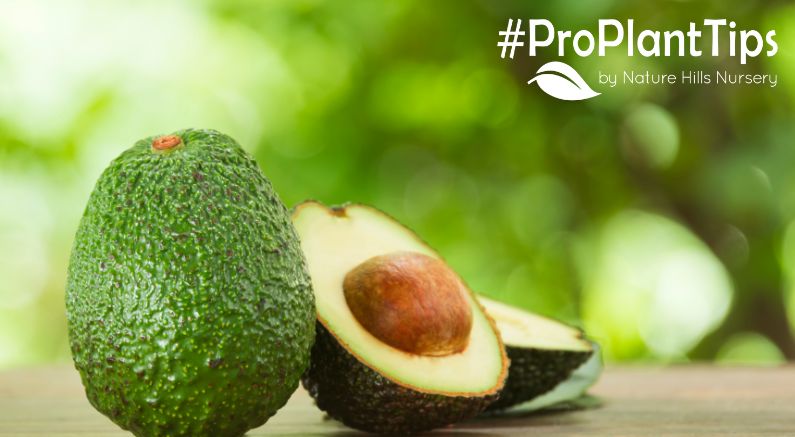
    Avocado fruits are somewhat like bananas, in that they mature on the tree, are harvested, and then ripen. Fruit skins may be green, brown, purplish, or black and take an ovoid or spherical shape. The flesh is light green and buttery when ripe with one large pit or seed.

    Ripening later in the growing season in the fall to the winter in USDA growing zones 9 and up. The bumpy green skin has given Avocados the nickname Alligator Pears. The flesh is smooth and buttery in consistency and often green to yellow to almost creamy white.

    They can be grown as single-stem trees or many like to grow them as large shrubs or low-branched plants for screening and hedgerows. Shrub form plants are much easier to harvest if your landscape permits. Try a Little Cado Dwarf Avocado, or prune another Avocado to size to fit in a pot better!

    Avocado Tree Care

    Are Avocado trees hard to take care of?

    Like all fruit trees, Avocado trees need full sun (at least 6 hours of sun a day) to flower and fruit the best.

    These trees are very sensitive to poor draining soils and care must be given when planting. If soil drainage is a concern, mound or build a raised bed at least 12 to 18 inches above the soil line and plant in the raised bed. The Avocado's root system is also sensitive to being disturbed. Take care when transplanting not to damage or disrupt the roots and ensure you plant your tree where you want it permanently.

    Avocados can be grown as a houseplant but will not produce fruit as an indoor/outdoor plant under normal circumstances and need very bright light and well-drained soil. They do very well in a greenhouse setting! They can, however successfully produce fruit in containers in a heated greenhouse. If planted in a pot, an Avocado tree may be pruned to regulate its mature size.

    avocado tree

    In Zone 9, Avocados will require occasional protection from the cold, so a southwest-facing exposure with good winter air circulation is recommended.

    Avocados are heavy-feeding plants and are sensitive to micronutrient deficiencies. Check your soil nutrients and pH through soil testing on your own or contact your County Extension Office.

    Avoid this by applying a balanced Organic Fertilizer such as Dr. Earth Life Organic and Natural All-Purpose Fertilizer quarterly. But be careful not to over-fertilize your tree and keep lawn fertilizer away from your tropical fruit tree.

    Remember to mulch your Hass Avocado 3-4 inches deep to the outside of the canopy and be careful not to overwater.

    avocado in hand

    Selecting the best location to plant is your best advantage against the cold. Choose locations that have good air movement but are not exposed to high winds and avoid low locations where cold collects during the fall and winter. In marginal Avocado locations, select a wall of the house or a south-facing wall that radiates heat to add protection to your plants.

    Avocados are not recommended for planting in the ground in Zone 8 and lower and do well in Zones 9 and up. They are fantastic in pots and planters on sun-drenched porches! Northern growers can even enjoy these as lovely patio plants that can be brought indoors during cold snaps and for the winter. Add some caster wheels to make moving them into a garage or enclosed patio or greenhouse during the cold times of the year.

    Prune in the late winter or very early spring to remove dead wood and crossing branches, and to control height and size. You’ll want to keep an open canopy and allow sunlight and air circulation to penetrate the trees interior.

    Understanding Avocado Tree Pollination

    Do you need 2 Avocado trees to produce fruit?

    There are Type 'A' and Type 'B' Avocado trees regarding pollination. Type 'A-flowers' are female and can receive pollen in the morning and the same flower becomes male, producing pollen the next day in the afternoon. Type 'B flowers' start as male in the morning, and that same flower becomes female on the 2nd day in the afternoon.

    Beneficial insects and bees spread pollen from bloom to bloom. The flowers appear in thousands of clusters of small, yellow flowers growing in panicles, and can be green to yellow to white in color.

    Often, in USDA growing zones 9 and up, most Avocados are self-pollinating, but by planting type 'A' and 'B' trees together, you will enjoy a far larger harvest per tree.

    Type A Avocados

    Type B Avocados

    • Bacon
    • Donnie
    • Fantastic
    • Hass
    • Lila
    • Mexicola
    • Hall
    • Joey
    • Monroe

    avocado infographic

    How long does it take for an Avocado tree to bear fruit?

    All of Nature Hills Avocado trees are already at least 2-3 years old and grafted onto hardy rootstock. You can expect your first harvest at 3-5 years of age!

    Amazing Avocados!

    Far better than the grocery store, enjoy home-grown Avocados for your whole family, grown right in your own backyard!

    Rich and buttery, the unusual green fruit, and the lovely year-round greenery, Avocado trees are wonderful additions to your landscape and food sustainability! Nature Hills supplies grafted trees with hardy rootstocks to help insure disease tolerance and ample harvests.

    Check out all the fantastic varieties of Avocado trees available at NatureHills.com!

    Happy Planting!

    Shop Avocado Trees Now
    Previous Next

    Frequently Asked Questions

    How often should I water my avocado tree?

    Water your avocado tree deeply once or twice per week, providing 1-2 inches of water each time during the growing season. In USDA zones 9-11, reduce watering frequency in winter when growth slows, but never let the soil completely dry out. Check soil moisture by inserting your finger 2-3 inches deep - water when the top layer feels dry but the soil underneath remains slightly moist.

    What kind of soil is best for avocado trees, and how do I ensure good drainage?

    Avocado trees thrive in well-draining, slightly acidic to neutral soil with a pH between 6.0-7.0. These trees are extremely sensitive to waterlogged conditions and will develop root rot in heavy clay or poorly draining soils. Plant in raised beds 8-12 inches high or amend heavy soil with coarse sand, perlite, and organic compost to improve drainage. Test drainage by digging a hole 12 inches deep and filling it with water - it should drain completely within 3-4 hours.

    Can I grow an avocado tree from a pit, and how do I do it?

    While you can grow an avocado tree from a pit using the toothpick-and-water method, trees grown from seed rarely produce quality fruit and can take 10-15 years to bear fruit. Seed-grown trees also won't have the same characteristics as the parent fruit. For reliable fruit production, purchase a grafted avocado tree variety suited to your USDA zone 9+ climate instead.

    How much sunlight does an avocado tree need, indoors and outdoors?

    Avocado trees need at least 6 hours of full sun daily to flower and fruit properly, whether grown outdoors in USDA zones 9 and up or indoors as container plants. Indoor avocado trees should be placed in a south-facing window or supplemented with grow lights to meet their high light requirements. Without adequate sunlight, these tropical trees will struggle to produce blooms and fruit. Position outdoor trees in the sunniest spot in your yard, and rotate indoor containers regularly to ensure even light exposure.

    When and how should I prune my avocado tree to encourage bushy growth?

    Prune your avocado tree in late winter or early spring before new growth begins, typically February through March in zones 9-11. To encourage bushy growth, pinch or cut the central leader when the tree reaches 3-4 feet tall, and remove any branches growing straight up or crossing others. Make clean cuts just above outward-facing buds or lateral branches to promote horizontal branching. Focus on light, regular pruning rather than heavy cuts to maintain the tree's natural form while encouraging multiple stems for easier harvesting.

    What fertilizer is best for avocado trees, and how often should I apply it?

    Avocado trees thrive with a balanced fertilizer like 10-10-10 or specialized citrus fertilizer applied every 6-8 weeks during the growing season (spring through early fall). Young trees need about 1/4 pound per application, while mature trees require 1-2 pounds spread around the drip line. In zones 9-11, reduce feeding frequency to every 10-12 weeks during winter months when growth slows. Always water thoroughly after fertilizing to prevent root burn and ensure nutrient uptake.

    Why are the leaves on my avocado tree turning brown or yellow?

    Avocado tree leaves commonly turn brown or yellow due to overwatering, underwatering, or cold stress in zones below 9. Brown leaf tips typically indicate watering issues, while yellowing leaves often signal root rot from soggy soil or exposure to temperatures below 50°F. Check soil moisture 2-3 inches deep and ensure well-draining soil, watering only when the top layer feels dry. Move potted trees indoors when temperatures drop below 50°F and adjust your watering schedule based on seasonal needs.

    How do I prevent root rot in my avocado tree?

    Avocado trees are extremely susceptible to root rot caused by overwatering and poorly draining soils. Plant your avocado in well-draining soil and water only when the top 2-3 inches of soil feel dry to the touch. In zones 9-11, ensure proper drainage by planting on a slight slope or in raised beds, and avoid watering during winter months when growth slows. Water deeply but infrequently, allowing soil to dry between waterings to keep roots healthy.

    What is the best way to plant an avocado tree, including hole size and mulch?

    When planting an avocado tree, dig a hole twice as wide as the root ball but no deeper than the container height to prevent the trunk from sitting too low. Plant in well-draining soil in USDA zones 9-11, as avocados are sensitive to waterlogged conditions. Apply a 2-3 inch layer of organic mulch around the base, keeping it 6 inches away from the trunk to prevent rot. Water deeply after planting and maintain consistent moisture while the tree establishes.

    Can avocado trees grow in cold climates, and when should I bring them indoors?

    Avocado trees are tropical plants that thrive in USDA zones 9 and up, making them unsuitable for year-round outdoor growing in cold climates. In colder regions, you can grow avocados in containers and bring them indoors when temperatures drop below 50°F in fall. Choose dwarf varieties like Little Cado for easier container management and place them in a sunny indoor location with at least 6 hours of light daily during winter months.

    Find Your Garden's Growing Zone!

    Your Current Growing Zone:

    Zone

    ZIP Code:

    ✓ Growing Zone Set Successfully!

    Your zone has been saved and will be used throughout the site.

    ⚠ Unable to locate a growing zone for that ZIP code.

    Please check your ZIP code and try again.

    Looking up your growing zone...

    When ordering a tree or plant, make sure to know your planting zone.

    You can determine your garden's USDA hardiness zone by entering your Zip Code below.