
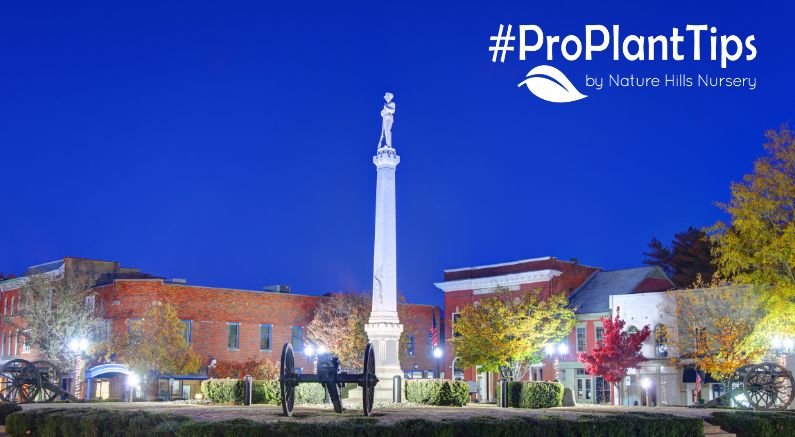

Gardening in Franklin, Tennessee, known to locals as "Harpeth Hamlet" or simply "Franklin Town", offers homeowners a golden opportunity to blend deep Southern charm with eco-conscious planting. Tucked in the rolling hills just south of Nashville and nestled in Southeastern USDA Hardiness Zone 7b, Franklin's rich cultural roots and fertile grounds make it a dream for garden lovers of all ages!
Whether you're new to the neighborhood or a longtime Tennessean, selecting plants that thrive in local soil and climate is the key to creating a landscape that blooms beautifully and lasts a lifetime!
Franklin's Climate And Its Impact On Landscaping
Franklin serves up hot, humid summers and mild, frosty winters, with an average of 210 sunny days a year and annual rainfall close to 53 inches. While this generous rain helps plants flourish, it also means drainage is crucial to avoid soggy roots.
Soil-wise, Franklin is blessed (and sometimes cursed) with heavy clay. This dense, fine-textured soil is naturally rich in nutrients but needs a bit of elbow grease to reach its full potential. It tends to hold water like a sponge and compacts easily. But don't fret! Simply add compost, leaf litter, and pine fines to fluff it up and let those roots breathe!
Raised beds, well-placed mulch, and annual soil amendments make all the difference. You can enhance the soil structure and fertility by incorporating organic matter like compost. Imagine it making your garden as pliable and well-shaped as a perfect pie crust!
The surrounding landscape, rolling hills, forest edges, and open meadows, means gardeners can tap into the area’s natural rhythm. Mimicking native ecosystems can help reduce water use, cut down on pests, and attract pollinators like butterflies, bees, and even the occasional hummingbird.
Top 10 Ornamental Plants For Franklin's Landscape
Here are the top ornamental flowering plants for zone 7!
This stunning tree graces gardens with its striking blue blossoms. It loves sunlight and well-drained soil, benefiting from regular pruning to maintain its beauty and manage its growth.
Known for its seasonally changing flowers, from white to pink, this Hydrangea prefers partly shaded areas. It thrives in rich, well-drained soil and enjoys regular watering, adding vibrant interest to your garden from spring through fall.
- Perfecta Trifecta Butterfly Bush
A pollinator's favorite, this bush flaunts a vibrant array of flowers. It prospers in sunny, well-drained areas and, once established, requires minimal maintenance, making it perfect for those with busy schedules who yearn for dynamic garden interest.
With beautiful spiky blue flowers, the Chaste Tree flourishes under Franklin's sun. Full sunlight, well-drained soil, and occasional pruning keep this tree robust and charming.
Add a touch of elegance with the striking white bark of the Whitespire Birch. It thrives in slightly acidic soil and aids in improving drainage, providing stunning vertical interest to your landscape.
Enliven your garden with this eye-catching tree. Favoring sunlight and slightly acidic, well-drained soil, it serves as a radiant focal point in your landscape design.
Adored for its showy blooms, the Jane Magnolia boosts property value with its seasonal allure. Happy in full to partial sun and slightly acidic soil, it requires little maintenance, offering hassle-free elegance.
Experience fragrant blossoms paired with cold resilience in this gardenia variety. It thrives in full sun with well-drained soil and consistent moisture, ensuring a thriving presence in your garden.
With its drought resistance and captivating blue flowers, this plant enriches your garden's texture. Ideal for sunny, well-drained areas, it's perfect for low-maintenance beauty in your outdoor space.
Gain year-round beauty and shade with the evergreen Sweet Bay Magnolia. Thriving in full to partial sun and requiring moist, well-drained soil, it creates a lush, balanced aesthetic backdrop.
Here Are The Top Native Plants That Thrive In Franklin!
Native plants perform better in the face of local challenges, pests, climate shifts, and weather fluctuations. Plus, they support wildlife and pollinators in your area better than non-native varieties!
Tennessee’s State Tree: Tulip Poplar
Let's give a standing ovation to Tennessee's state tree is the Tulip Poplar (Liriodendron tulipifera)! This majestic beauty boasts bright yellow-green tulip-shaped flowers in spring and golden foliage in fall. It grows tall and proud, providing shade and nesting spots for birds while making your yard feel like a slice of the Smoky Mountains.
Native Trees To Root For In Franklin
Here are 5 Tennessee native trees that love the Franklin climate and soil:
- Eastern Redbud – Heart-shaped leaves and bursts of pink-purple blooms in early spring. A true Southern sweetheart!
- Flowering Dogwood – White or pink blossoms in spring, scarlet berries in fall. A four-season showstopper.
- Southern Red Oak – Fast-growing and perfect for shade. Its lobed leaves turn brilliant red in autumn.
- American Hornbeam – Nicknamed "Musclewood" for its sinewy trunk, this small tree is perfect for shady spots.
- Black Gum (Tupelo) – Glossy green leaves, early fall color, and nectar-rich blooms for pollinators.
Native Shrubs For Franklin Flair
Add structure, color, and wildlife value with these 5 native shrubs:
- Virginia Sweetspire – Fragrant white flowers and fiery fall foliage make this a multi-season must-have.
- Oakleaf Hydrangea – Big blooms and bold leaves! Loves clay soil and lights up shady corners.
- Southern Bush Honeysuckle – Not invasive! This native version is deer-resistant and pollinator-friendly.
- American Beautyberry – Bright purple berries that pop in the fall and feed local birds.
- Buttonbush – Whimsical white globes attract butterflies and bees like a magnet!
Native Perennials That Bring the Buzz
Get year-round action and color with these 5 Tennessee-native perennials:
- Purple Coneflower (Echinacea purpurea) – A native legend! Pollinators love it, and it's tough as nails.
- Wild Bergamot (Monarda fistulosa) – Lavender blooms with a minty scent? Yes, please! Related to Bee Balm, these are supreme pollinator-friendly wildflowers!
- Black-Eyed Susan (Rudbeckia hirta) – Sunny yellow petals and a low-maintenance attitude with late season flowers.
- Blue False Indigo (Baptisia australis) – Spikes of blue flowers in the spring and drought-tolerant roots.
- Cardinal Flower (Lobelia cardinalis) – Hummingbirds go wild for its fiery, tall red blooms that thrive in high-moisture soil.
Fruiting Trees that Taste Like Home
Grow your own Southern orchard with these fruiting trees fit for Franklin, or just incorporate edible landscaping for double-duty curb appeal:
- Pawpaw Tree – America's tropical treasure! Custard-like fruit with hints of banana and mango.
- American Persimmon – Deep orange fruit that sweetens after frost.
- Serviceberry (Juneberry) – White flowers, edible berries, and blazing fall color.
- Wild Plum (Chickasaw Plum) – Tart fruit perfect for jams, plus early spring blooms.
- Black Cherry – Great for wildlife and rustic jams. Bonus: gorgeous, fragrant white blossoms in spring.
Fruiting Bushes & Vines That Shine in Franklin
These berry-producing plants are both beautiful and bountiful:
- Common Elderberry (Sambucus canadensis) – Pollinator-friendly flowers and antioxidant-rich berries, also known as American Elderberry, people benefit from the berries as well.
- Highbush Blueberry – Pretty blooms, tasty fruit, and brilliant red fall foliage.
- Muscadine Grapes – A true Southern classic! Thick-skinned grapes packed with flavor and heritage.
- Raspberry (Rubus occidentalis) – Black raspberries thrive with a little afternoon shade and TLC.
- American Hazelnut (Filbert) – Nut-producing, multi-stemmed shrub that supports wildlife and human snacks alike.
Choosing native plants is better because they’re perfectly adapted to Franklin’s coastal climate, meaning they thrive with less water, fertilizer, and fuss. Plus, they support local wildlife, like pollinators and birds, creating a healthier, more balanced backyard ecosystem that’s as beautiful as it is beneficial!
Tips & Tricks for Gardening in Franklin, Tennessee
-
Amend That Clay!
Mix in compost, peat moss, and aged pine bark to lighten up heavy clay and help roots stretch deep. - Water Wisely: Install soaker hoses or drip irrigation to avoid runoff. Mulch generously to lock in moisture and beat that summer heat.
-
Know Your Zones
Franklin's in Zone 7b. Choose plants that can handle brief winter lows around 5°F and know how to protect plants during the long, sultry summers. -
Garden for Pollinators
Plant in drifts, choose natives, and let some leaf litter linger—it's a natural habitat for overwintering bees and butterflies. -
Design With Purpose
Use taller trees as cooling and money-saving shade, as windbreaks and privacy screens. Shrubs can define paths and provide food for birds. Perennials? They add personality and pollinator pizzazz!
Sustainable Gardening Practices and Growing Tips
- Opting for native and drought-resistant plants like the Eastern Redbud can simplify maintenance and enhance local ecosystems. These plants, tailor-made for Franklin's climate, integrate seamlessly into the environment, like well-oiled gears in a finely-tuned machine.
- Crafting charming spaces and ecological havens can be achieved through strategic garden design. Feature specimen trees as focal points and layer shrubs to add depth and visual intrigue. Embrace styles such as cottage gardens to invite pollinators while crafting captivating spaces.
- Embrace practices like mulching, composting, and establishing rain gardens to encourage healthy soil and effective water management that slows erosion. Integrated pest management (IPM) supports a naturally balanced garden ecosystem, ensuring your garden remains in harmony, much like this vibrant, bustling neighborhood!
Southern Soil, Stellar Style!

Choosing climate-resilient plants not only fulfills aesthetic desires but also ensures functional success in Franklin landscapes. A harmonious mix of native species and classic varieties allows suburban homeowners to create vibrant, enduring gardens that reflect Tennessee's natural beauty.
From Five Points to Leipers Fork, mother nature smiles on those who plant with heart!
Choosing climate-savvy native plants not only cranks up the curb appeal but also keeps your landscape humming in harmony with Franklin's natural charm.
So grab your gloves, dig deep, and let your Franklin garden sing with Tennessee pride with the help of Nature Hills Nursery!
Happy Planting!


