Free Shipping on Orders $199+

Growing Zone: | Garden in
Find your Growing Zone!

Gardening in Austin: Best Plants for Every Season!

Gardening in Austin: Best Plants for Every Season! - Nature Hills Nursery

Nature Hills Nursery |

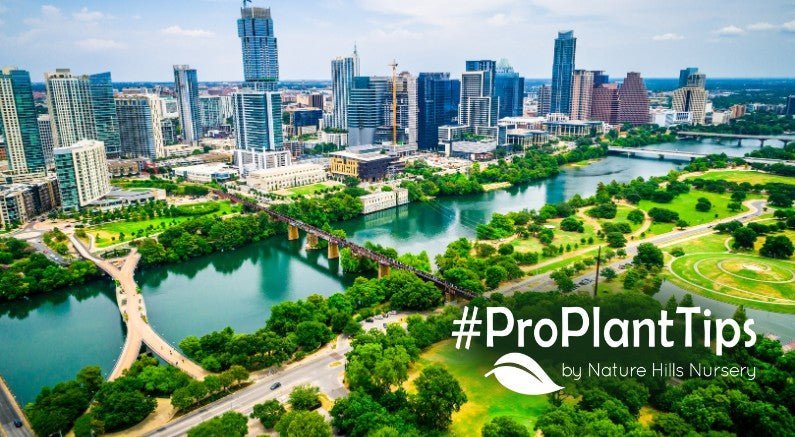
Austin City Horizon and wild bergamot

Austin, Texas offers a unique gardening experience, blending a diverse climate with rich horticultural rewards! Whether you are a suburban home gardener seeking to enhance curb appeal or a balcony gardener living in the middle of the city!

It’s easy to nurture a thriving outdoor environment by selecting plants that flourish in Austin's climate! Though the summers can be blazing and winters mild, with carefully chosen plants, your landscape can remain stunning and sustainable all year, enhancing your home's value.

Read on to learn more about what makes or breaks a successful landscaping in the "City of the Violet Crown".

Timing Is Everything!

Austin, TX, falls within USDA Hardiness Zone 8b, with some areas bordering Zone 8a. This means the region experiences mild winters with average low temperatures between 15-25°F, making it suitable for a wide variety of heat-tolerant and drought-resistant plants.

Austin’s hot, humid summers, often reaching triple-digit temperatures (find how to Protect Your Garden From Heat Stress here), require plants that can withstand extended dry periods and intense sun exposure. The area receives around 34 inches of annual rainfall, with rain patterns that can be unpredictable, alternating between dry spells and heavy storms.

Gardeners in Austin benefit from a long growing season, allowing for multiple planting cycles throughout the year.

Spring Planting in Austin

Springtime in Austin is the best time to make preparations before the summer heat kicks in. Spring is your canvas to paint with vivid blooms and ornamental beauty!

  • Discover the elegance of the Western Redbud and the calm of the Mexican Plum, both of which embellish gardens with striking pink and white blossoms.
  • Add a splash of color with native wildflowers like Bluebonnets and Indian Paintbrush.
  • Consider early-flowering shrubs such as the Double Flowering Japanese Kerria to create a sensory feast in your landscape.

Summer Gardening Tips

Austin’s southwestern US summer heat calls for robust plants that thrive with minimal water.

  • Texas Lantana and Purple Coneflower are ideal, offering drought tolerance with dazzling blooms.
  • The Chaste Tree (Vitex) and Crape Myrtles introduce structure and height without demanding much maintenance.
  • Meanwhile, Agave and Yucca serve as low-maintenance options, acting like a dedicated team to provide shade, color, and texture.

Autumn Planting Recommendations

As autumn approaches, enrich your gardens with late flowering plants and showy fall colors:

  • Try the fluffy plumes of Pink Muhly or Gulf Muhly for its texture and grace.
  • Embrace the vivid palette of fall with Texas Sage and Autumn Blaze® Maple.
  • To continue with vibrant textural interest, Mexican Bush Sage adds thriving color in the cooler months.

Winter Gardening Essentials

Even in winter, your garden can captivate!

  • Yaupon Holly and Possumhaw maintain interest with their berries and structure.
  • Live Oak and Cedar Elm provide verdant greenery all winter long.
  • Pre-plan your spring garden by planting bulbs like Tulips and Daffodils in fall.

Think of these evergreens and bulbs as the enduring winter wardrobes, sustaining beauty and heralding the spring bloom.

Landscape Design and Aesthetic Tips

Austin skyline and bluebonnets

Create an enchanting landscape by thoughtfully combining plants. Pair Purple Salvia with yellow Coreopsis for visual harmony, akin to a well-chosen outfit. Use vertical space wisely by adding trellises for climbing Honeysuckle, thus achieving maximum visual interest.

Promote sustainability through xeriscaping, saving water while supporting biodiversity and attracting pollinators and local wildlife.

Creating rock gardens and cactus gardens with drought-tolerant, low-moisture-usage plants takes most of the work out of the equation!

Choose Natives

Native and adapted plants, such as Texas Sage, Lantana, Agave, and Live Oaks, thrive in the city's well-draining, limestone-rich soil. With the right plant selections and proper irrigation techniques, Austin gardens can flourish year-round.

Texas is home to a diverse range of native plants that thrive in the state's hot summers, mild winters, and varied soil conditions. Choosing native species helps conserve water, supports local wildlife, and ensures a low-maintenance, resilient landscape.

Native Trees of Texas

  • Live Oak (Quercus virginiana) – A majestic, evergreen tree with sprawling branches and excellent drought tolerance.
  • Cedar Elm (Ulmus crassifolia) – A durable shade tree with small serrated leaves, resistant to drought and urban conditions.
  • Texas Red Oak (Quercus buckleyi) – A smaller, fast-growing Oak with stunning red fall foliage.
  • Mexican Plum (Prunus mexicana) – A small, flowering tree with fragrant white blooms in spring and edible fruit.
  • Texas Ash (Fraxinus texensis) – A hardy, drought-resistant shade tree with beautiful yellow, orange, and red fall foliage. The Arizona Ash is a hardy choice as well.

Native Shrubs of Texas

  • Mahonia – A tough, evergreen shrub with spiky leaves, yellow spring flowers, and edible red berries.
  • Texas Sage (Leucophyllum frutescens) – A drought-tolerant, silver-leaved shrub that explodes with purple blooms after rain.
  • Evergreen Sumac (Rhus virens) – A hardy, drought-resistant shrub with glossy green leaves and red berries that attract wildlife.
  • Wax Myrtle (Morella cerifera) – A fast-growing evergreen shrub great for privacy screening and bird habitat.

Native Perennials of Texas

  • Blackfoot Daisy (Melampodium leucanthum) – A low-growing, drought-resistant perennial with white daisy-like flowers.
  • Mexican Bush Sage (Salvia leucantha) – A heat-tolerant perennial with purple and white velvety flower spikes.
  • Rock Rose (Pavonia lasiopetala) – A tough perennial with vibrant pink hibiscus-like flowers that bloom spring through fall. The white Sageleaf Rock Rose is a great option too!
  • Coneflower (Echinacea) – A native wildflower with tall stems and large domed blooms loved by pollinators.

Climate-Specific Considerations

Gardening in Austin with resilience by choosing drought-tolerant plants for the hot, dry summers.

Combat the limestone-rich alkaline clay soil by enriching the soil with compost, which enhances drainage and nutrient uptake.

Try integrated pest management, such as introducing ladybugs, nature’s diligent little allies to keep your garden healthy.

Maintenance and Care Tips

Efficient garden maintenance is the key to success!

  • Water during early mornings or late afternoons to reduce evaporation.
  • Add 3-4 inches of mulch over the soil surface to further reduce moisture evaporation.
  • Pruning and applying organic fertilizers will bolster growth and resilience.

These seasonal preparations, such as mulching and creating windbreaks, protect plants from extreme conditions, ensuring they remain healthy and vigorous. Think of these practices as rejuvenating spa treatments for your garden!

Creating a Resilient and Thriving Landscape

Austin map

Gardening in Austin, TX, offers a unique opportunity to create a thriving, water-wise landscape that can withstand hot summers, occasional droughts, and mild winters. By selecting native and adapted plants, gardeners can enjoy lush greenery, vibrant blooms, and wildlife-friendly spaces with minimal maintenance.

With the right plant choices and smart irrigation practices, an Austin garden can stay beautiful and resilient year-round.

The journey to a thriving, resilient garden in Austin is rooted in selecting the right plants and practicing thoughtful gardening, adding both beauty and value to your home.

Happy Planting!

Previous Next

Compare Plants

Browse the features and specs side-by-side to find the best fit for your garden.

A table comparing the facets of 4 products
Facet
Purple flowering Chaste tree in a well-maintained garden with a brick house in the background
Chaste Tree
View details
Adam's Needle Yucca (Yucca filamentosa), a shrub featuring white flowers and clumping, erect form.
Adam's Needle Yucca
View details
Pink Muhly Grass (Muhlenbergia capillaris), a perennial featuring purple, pink flowers and perennial.
Pink Muhly Grass
View details
Autumn Blaze® Maple Tree (Acer x freemanii 'Jeffersred'), a tree featuring red flowers and deciduous.
Autumn Blaze® Maple Tree
View details
Rating
Rating
(86)
(3)
(3)
(1)
Type
TypeTreeShrubPerennialTree
By
ByNature Hills NurseryNature Hills NurseryNature Hills NurseryNature Hills Nursery
Flower Color
Flower Color
  • Blue
  • Purple
  • White
  • Purple
  • Pink
  • Red
Growing Zone Range
Growing Zone Range
6-9
4-10
6-11
3-8
Mature Height
Mature Height
15-25 ft
2-4 ft
2-3 ft
40-60 ft
Width
Width
15-25 ft
3-4 ft
2-3 ft
40-60 ft
Price
Price
Regular price From $4070
Regular price $5696
Regular price $1699
Regular price $11900

Frequently Asked Questions

What growing zone is austin tx?

Austin, Texas falls within USDA Hardiness Zone 8b, with some areas bordering Zone 8a. This means the region experiences mild winters with average low temperatures between 15-25°F. The zone designation allows Austin gardeners to grow a wide variety of heat-tolerant and drought-resistant plants year-round. Select plants that can handle both the mild winter lows and intense summer heat that often reaches triple digits.

What to plant in austin right now?

Austin falls within USDA Zone 8b, experiencing mild winters (15-25°F lows) and intense summers with triple-digit temperatures. For spring planting, choose Western Redbud and Mexican Plum for stunning pink and white blooms, plus native wildflowers like Bluebonnets and Indian Paintbrush. Double Flowering Japanese Kerria adds early seasonal color to complete your landscape. Plant these varieties now before the summer heat arrives to establish strong root systems.

What zone is austin texas for plants?

Austin, Texas falls within USDA Hardiness Zone 8b, with some areas bordering Zone 8a. This zone experiences mild winters with average low temperatures between 15-25°F, making it ideal for heat-tolerant and drought-resistant plants. The long growing season allows for multiple planting cycles throughout the year. Choose plants that can handle both the zone's winter lows and Austin's intense summer heat reaching triple-digit temperatures.

What are the best drought-tolerant native plants for year-round gardening in Austin's hot summers?

For Austin's USDA Zone 8b climate with triple-digit summers and only 34 inches of annual rainfall, native drought-tolerant plants like Bluebonnets, Indian Paintbrush, Western Redbud, and Mexican Plum thrive with minimal water once established. These natives have evolved to handle Austin's unpredictable rainfall patterns and extended dry periods while providing seasonal color from spring blooms through summer heat. Plant these natives in spring before the intense summer heat arrives to give their root systems time to establish.

How do I prepare and amend the heavy clay soil in Austin for vegetable gardens?

Austin's heavy clay soil requires significant organic matter to improve drainage and workability for vegetable gardens. Add 2-4 inches of compost, aged manure, or leaf mold to the top 8-12 inches of soil in late winter or early spring before your Zone 8b planting season begins. Consider creating raised beds 6-8 inches high filled with a quality garden soil blend to bypass clay issues entirely. Test your soil pH (Austin clay typically runs alkaline at 7.5-8.5) and amend with sulfur if needed to reach the 6.0-7.0 range most vegetables prefer.

When is the best time to plant tomatoes and other vegetables in Central Texas to avoid heat and frost?

In Central Texas (USDA Zone 8b), plant tomatoes and warm-season vegetables after the last frost date, typically mid-March to early April when soil temperatures reach 60°F. For a fall harvest that avoids extreme summer heat, start your second planting 10-12 weeks before the first expected frost in late October to early November. Cool-season vegetables like lettuce and broccoli should be planted in February for spring harvest or September for fall. Start seeds indoors 6-8 weeks before your target planting date to give plants the best chance of establishing before temperature extremes hit.

What plants should I choose for each season in Austin: spring, summer, fall, and winter?

For Austin's Zone 8b climate, plant Western Redbud and Mexican Plum in spring for early pink and white blooms, along with native wildflowers like Bluebonnets and Indian Paintbrush. Summer requires heat and drought-tolerant plants that can withstand triple-digit temperatures and Austin's 34 inches of annual rainfall. Fall and winter benefit from the mild temperatures (15-25°F lows) that allow many plants to thrive year-round. Choose plants suited to your specific season and Austin's long growing season to maintain color and interest throughout the year.

Are raised beds or in-ground planting better for gardening in Austin's rocky soils?

Raised beds are generally better for Austin's rocky, clay-heavy soils because they provide improved drainage and allow you to control soil quality from the start. In Zone 8b's intense heat, raised beds also warm up faster in spring and can be positioned for optimal sun exposure while protecting roots from waterlogged clay during Austin's unpredictable rainfall patterns. Build beds 8-12 inches deep for most vegetables and flowers, or 18+ inches for deeper-rooted plants. Fill with a quality soil mix and add mulch to retain moisture during Austin's blazing summers.

How can I improve soil quality with compost and organic matter in alkaline Central Texas dirt?

Central Texas alkaline soils (typically pH 7.5-8.5) benefit greatly from regular organic matter additions that gradually lower pH while improving drainage and nutrient availability. Work in 2-4 inches of quality compost annually in fall or early spring, focusing on well-aged materials like composted manure, leaf mold, or municipal compost. In Zone 8b Austin conditions, incorporate organic matter into the top 6-8 inches of soil rather than just surface applications to maximize root zone benefits. Test your soil pH annually and maintain consistent organic matter additions to see meaningful improvements over 2-3 growing seasons.

What are the top deer-resistant plants for landscaping around Austin homes?

While the provided article doesn't specifically address deer-resistant plants for Austin, I can offer guidance based on typical Zone 8b recommendations. In Austin's climate, excellent deer-resistant options include aromatic herbs like rosemary and lavender, native Texas plants such as cenizo (Texas sage) and barberry, and ornamental grasses like Mexican feather grass. These plants thrive in Austin's hot summers and mild winters while naturally deterring deer through their texture, scent, or taste. Plant these in spring after the last frost (typically mid-March) for best establishment before summer heat arrives.

Find Your Garden's Growing Zone!

Your Current Growing Zone:

Zone

ZIP Code:

✓ Growing Zone Set Successfully!

Your zone has been saved and will be used throughout the site.

⚠ Unable to locate a growing zone for that ZIP code.

Please check your ZIP code and try again.

Looking up your growing zone...

When ordering a tree or plant, make sure to know your planting zone.

You can determine your garden's USDA hardiness zone by entering your Zip Code below.