Free Shipping on Orders $199+

Growing Zone: | Garden in
Find your Growing Zone!

Everything You Need To Know About Growing Grapefruit!

Everything You Need to Know About Growing Grapefruit! - Nature Hills Nursery

Charlotte Weidner |

Among the largest of the Citrus fruits (overshadowed only by their close cousins, the Pummelo), the Grapefruit Tree is a gorgeous broadleaf evergreen with lush green leaves, fragrant white flowers, and a wide range of shapes and sizes for you to choose from!

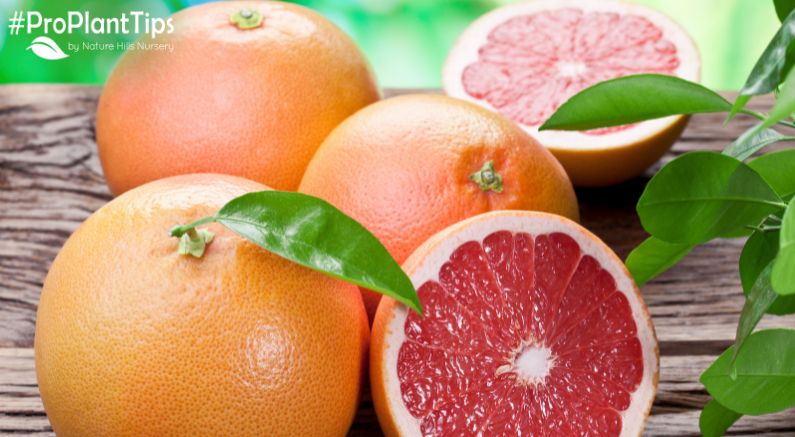
The large golden-apricot colored skins and unique salmon-pink to red flesh are a favorite sweet/sour delight and loaded with healthful benefits! A favorite breakfast addition, snack, and juice - the Grapefruit can only taste better when it's grown right in your own backyard!

Are Grapefruit Trees Hard To Grow?

Nature Hills has many types of Grapefruit for you to choose from for your home orchard and has the lowdown on how to care for these unique Citrus trees! (Hint: It’s So Easy!)

Grapefruit Trees at Nature Hills!

Check out all these incredible edible landscaping options available online at Nature Hills!

Oro Blanco Grapefruit Tree

  • Nature Hills' highest-rated fan favorite!
  • White Grapefruit
  • Nearly seedless variety
  • Mild sweet flavor
  • Great when grown in containers
  • Ripens early in the season (late autumn)

Rio Red Grapefruit Tree

  • Dwarf Grapefruit Tree
  • Pale Yellow rind with a red blush
  • Dark ruby-red flesh
  • Exceptionally sweet, juicy flavor
  • High yield and long hang time - October through June!
  • Ideal for container gardening

Star Ruby Grapefruit Tree

  • Narrower growing semi-dwarf form
  • Fragrant and aromatic sweet-tart fruit
  • Few seeds
  • Yellow-orange skin with a red blush
  • Winter harvest can hang until mid-summer!

Ruby Red Grapefruit Tree

  • Thin-skinned fruit is easy to peel
  • Sweet-tart, low-acid flavor - Great for juicing!
  • Reddish-pink flesh inside yellow skin
  • Tall growing yet narrow form
  • November to May harvest

Chinese Grapefruit Tree

  • The largest Grapefruit with thick green skin
  • Small semi-dwarf-sized tree
  • Juicy and slightly tart
  • Pear-shaped fruit
  • White Grapefruit hued flesh
  • September to December harvest time

Ray Ruby Grapefruit Tree

  • Beautiful golden yellow-orange full-sized fruit
  • Ruby red flesh
  • Fewer seeds
  • Super sweet-tart and juicy
  • Winter harvest

The Home Garden is Ideal for a Grapefruit Tree!

tree

If you’re dreaming of fresh, juicy Citrus harvested right from your backyard, a Grapefruit tree is a must-have! These broadleaf evergreen fruit trees are not only incredible for fresh eating and juicing, but they also serve as stunning landscape specimens, edible shade trees, and even container-friendly accents.

Growing Grapefruit trees at home means enjoying fragrant blossoms in spring, glossy aromatic foliage year-round, and softball-sized fruit that ripens to perfection right in your own garden!

Perfect for USDA growing zones 8-11, Grapefruit trees thrive in frost-free climates but can also be grown in containers for small gardens, patios, balconies, or brought indoors in colder regions.

Landscaping Uses Of Grapefruit Trees

yellow grapefruit

Grapefruit trees are versatile landscape plants with both ornamental and edible appeal.

  • Specimen tree: Bold presence in the front yard or backyard for shade and color.

  • Edible hedgerow or screen: Plant multiple trees like Ray Ruby or Ruby Red for privacy and a heavy harvest.

  • Poolside and patio accents: Lend tropical flair and fragrance near outdoor seating or entertaining spaces.

  • Container gardening: Perfect for urban courtyards, balconies, or patios in cooler zones.

  • Mixed Citrus orchard: Pair with Lemon trees, Lime trees, or Orange trees for an at-home Citrus grove.

With glossy evergreen foliage, fragrant white flowers in spring, and glowing fruit in winter, Grapefruit trees are year-round showpieces.

Grapefruit Care & Maintenance

green grapefruit

Grapefruit trees are easy to grow with just a few key care steps:

Sunlight:

  • Full sun - at least 6+ hours of direct sunlight outdoors.
  • Indoors - place near a south or west-facing window with bright, indirect light.

Soil & Watering:

  • Prefers well-drained, enriched soil with slightly acidic pH.
  • Water deeply but allow the soil to dry slightly between waterings.
  • Use the Finger Test to know when to water
  • Use an acid-loving fertilizer or a Citrus-specific blend for best fruiting.

Humidity & Temperature:

  • Protect Grapefruit from frost - ideal for zones 8-11.
  • Indoors, keep away from cold drafts and provide higher humidity.
  • For unexpected freezes, use frost blankets or string holiday lights through branches.

Pruning:

  • Lightly prune anytime to remove dead, weak, or crossing branches.
  • For size control, prune in late winter to very early spring before active growth.

Pollination:

  • Grapefruit trees are self-pollinating.
  • For indoor plants, hand-pollinate blooms with a small brush or cotton swab to ensure fruit set.

Fruit Production:

  • Trees from Nature Hills are shipped at 3-4 years old.
  • Expect fruit production within 1-2 years after planting.

Growing Grapefruit in Containers

Container-grown Grapefruit trees make it possible to enjoy Citrus anywhere!

  • Choose a large, well-draining container with quality potting soil.
  • Move plants indoors before temperatures drop below 35°F.
  • Reintroduce outdoors in spring once frost danger passes.
  • Compact varieties like Rio Red and Oro Blanco are especially patio-ready.

Perfect for sunny balconies, small gardens, or as a movable tropical accent, Grapefruit trees in pots provide fresh fruit and lush greenery in any climate.

A Citrus Twist On Homegrown Goodness

From tropical landscapes to city balconies, Grapefruit trees bring beauty, fragrance, and plenty of fruit to enjoy. With year-round evergreen charm and delicious harvests, these Citrus trees are more than just edible - they’re living décor for your garden!

Order your Grapefruit trees today from Nature Hills and savor homegrown flavor for years to come!

Happy Planting!

shop grapefruit
Previous Next

Frequently Asked Questions

Do grapefruits grow on trees?

Yes, grapefruits grow on Grapefruit Trees, which are gorgeous broadleaf evergreens that produce fragrant white flowers before developing the large citrus fruits. These trees offer multiple harvest seasons depending on the variety, with some like Oro Blanco ripening in late autumn while others like Rio Red can be harvested from October through June. Grapefruit trees adapt well to container growing and make excellent additions to home orchards. Choose a variety suited to your climate zone and growing space to enjoy homegrown grapefruits in your backyard.

Do grapefruit grow on trees?

Yes, grapefruit grow on broadleaf evergreen trees that produce fragrant white flowers before developing the large citrus fruits. Grapefruit trees are among the largest citrus varieties and can range from compact semi-dwarf forms ideal for containers to taller narrow-growing specimens. Most varieties ripen from late autumn through spring, with some like Rio Red offering extended harvest periods from October through June. Choose a dwarf variety like Rio Red or Star Ruby for container growing, or plant standard varieties in USDA zones 9-11 for outdoor cultivation.

How to grow grapefruit?

Grapefruit trees thrive in USDA zones 9-11 and require full sun with well-draining soil. Plant them in spring after the last frost, spacing standard trees 12-15 feet apart or grow dwarf varieties in containers at least 20 gallons in size. Water deeply but infrequently, allowing soil to dry between waterings, and fertilize monthly during growing season with citrus-specific fertilizer. Choose varieties like Oro Blanco for cooler areas or Ruby Red for maximum fruit production.

How long does it take for a grapefruit tree to bear fruit?

Grapefruit trees typically begin producing fruit 3-4 years after planting, with full production reached around 6-8 years. Container-grown trees may take slightly longer to establish but often fruit within 4-5 years. Trees grown in USDA zones 9-11 will have the most reliable fruit production, with harvest seasons varying by variety from October through June. Choose early-ripening varieties like Oro Blanco for quicker satisfaction, as they're ready by late autumn in their first productive year.

When do grapefruit trees produce fruit?

Grapefruit trees typically begin producing fruit 3-4 years after planting, with harvest times varying by variety from late autumn through mid-summer. Early varieties like Oro Blanco ripen in late autumn, while Rio Red produces from October through June, and Star Ruby can hang on the tree from winter until mid-summer. Most grapefruit varieties thrive in USDA zones 9-11 and benefit from container growing in cooler climates. Choose varieties based on your desired harvest window and growing conditions for optimal fruit production.

What USDA hardiness zones are best for growing grapefruit trees?

Grapefruit trees thrive in USDA hardiness zones 9-11, where winter temperatures rarely drop below 20°F. These citrus trees are highly cold-sensitive and will suffer damage or death when exposed to temperatures below 28°F for extended periods. In zones 8 and below, grapefruit trees must be grown in containers and moved indoors during winter months. Choose your warmest, most protected planting location and consider dwarf varieties for easier cold protection if you're on the edge of zone 9.

How do grapefruits grow?

Grapefruits grow on broadleaf evergreen trees that thrive in warm climates (zones 9-11) and produce fragrant white flowers before developing into large citrus fruits. The trees can range from semi-dwarf varieties reaching 8-12 feet to standard forms growing 15-20 feet tall, with most varieties taking 3-6 years to begin fruiting. Harvest timing varies by variety, with early types like Oro Blanco ripening in late autumn while others like Rio Red can hang on trees from October through June. Plant your grapefruit tree in full sun with well-draining soil and consistent moisture for best fruit production.

How often should I water a newly planted grapefruit tree?

Water your newly planted grapefruit tree deeply 2-3 times per week during the first growing season, providing approximately 1-2 inches of water each time. In hot climates (zones 9-11 where grapefruit thrives), you may need to increase frequency during summer months, while reducing to once weekly during cooler periods. Check soil moisture by inserting your finger 2-3 inches deep near the root zone. Water when the top 2 inches of soil feel dry, ensuring deep saturation to encourage strong root development.

What does a grapefruit tree look like?

Grapefruit trees are gorgeous broadleaf evergreens with lush green foliage, fragrant white flowers, and attractive golden-apricot colored fruit. These citrus trees come in various forms, from tall narrow varieties like Ruby Red to compact semi-dwarf options like Star Ruby and Chinese Grapefruit that work well in smaller spaces. Most varieties produce fruit with colorful rinds and distinctive salmon-pink to red flesh. Choose a dwarf or semi-dwarf variety if you're planning container growing or have limited garden space.

How to grow grapefruit from seed?

While grapefruit can be grown from seed, the resulting trees typically take 6-15 years to fruit and may not produce fruit true to the parent variety. For faster, more reliable results, choose grafted grapefruit trees from Nature Hills that will bear fruit in 3-4 years and maintain the desired variety characteristics. If you do start from seed, plant fresh seeds in well-draining potting mix, keep warm (75-85°F), and transplant outdoors only in zones 9-11. Purchase a grafted variety like Oro Blanco or Rio Red for guaranteed success and earlier harvests.

Find Your Garden's Growing Zone!

Your Current Growing Zone:

Zone

ZIP Code:

✓ Growing Zone Set Successfully!

Your zone has been saved and will be used throughout the site.

⚠ Unable to locate a growing zone for that ZIP code.

Please check your ZIP code and try again.

Looking up your growing zone...

When ordering a tree or plant, make sure to know your planting zone.

You can determine your garden's USDA hardiness zone by entering your Zip Code below.