Free Shipping on Orders $199+

Growing Zone: | Garden in
Find your Growing Zone!

Creating a Lush Balcony Garden: The Apartment Dwellers Guide

Creating a Lush Balcony Garden: The Apartment Dwellers Guide to Gardening! - Nature Hills Nursery

Charlotte Weidner |

No yard? No problem! Container gardening, rooftop gardens, hanging baskets, and large planters can transform balconies, porches, and patios into lush green paradises. Even townhomes, apartments, and condos can enjoy the beauty of a thriving garden!

From tiered pots and vertical gardens to compact raised beds, every inch of space can burst with flowers, fruit, or greenery. Check out these small-space gardening ideas to turn any balcony or deck into your personal oasis!

The Apartment Dwellers Guide to Gardening!

Small outdoor areas like balconies, patios, and decks are perfect for creative gardens. With planters, raised beds, window boxes, or hanging baskets, you can grow colorful flowers, herbs, shrubs, or even dwarf fruit trees anywhere.

Raised beds, fabric grow bags, and railing baskets maximize space beautifully. Add vertical plant stands, baker’s racks, or wall planters to stack more greenery with less footprint.

These mini gardens bring beauty, fragrance, and privacy to small outdoor spaces while offering delicious produce and a cozy retreat.

  • Use vertical space with wall planters and railing boxes.
  • Choose compact or columnar plants for limited square footage.
  • Plan for drainage and weight on balconies or rooftops.
  • Cluster pots in groups for visual impact and protection from wind.

Container Gardening Anywhere!

Container gardening fits anywhere - balconies, patios, rooftops, or even directly in your landscape beds. It’s the easiest way to bring color, structure, and life to any outdoor spot.

  • Frame your entryway with matching planters for year-round charm.
  • Add greenery to decks and seating areas for shade and texture.
  • Use columnar evergreens for privacy on balconies.
  • Line stairways with vines or small potted plants for interest.
  • Use rolling tubs or half-barrels on casters for flexible design.
  • Plant aromatic herbs and flowers to scent your sitting areas.
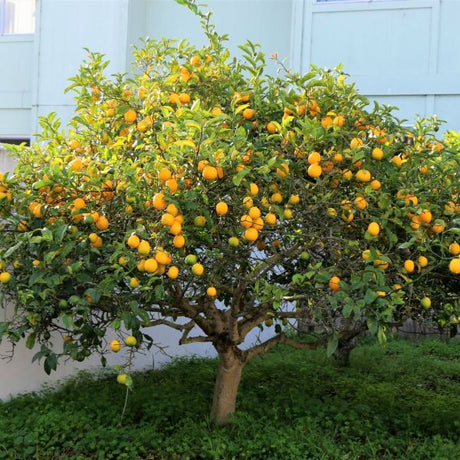
  • Create an edible accent with herbs, Lemons, or Limes by your grill or outdoor bar.
Balcony garden on yellow house

Any outdoor nook can thrive with the right plants and smart watering. Protect lower balconies by adding trays, rugs, or drainage systems to guide runoff away neatly.

Choosing The Right Plants For Your Spot

Smart plant selection makes or breaks small-space gardening. Match your plants to your growing conditions for lush results and fewer headaches.

  • Pick plants suited to your Hardiness Zone and local climate.
  • Observe how much sun or shade your area gets daily.
  • Protect plants from strong winds with screens or taller companions.
  • Use well-draining soil and pots with good drainage trays.
  • Choose the right pot size to support roots and insulate from heat or cold.
  • Use mulch to keep moisture in and roots cool.
  • Remember - dark pots trap heat, light pots reflect it!

Learn more about container plant care in our #ProPlantTips Garden Blog.

Space-Saving Plants For Balcony Gardening

Balcony gardens don’t have to stop at annuals! Compact trees, dwarf shrubs, and perennials bring lush color, form, and fragrance without taking up valuable space.

Think vertically with hanging planters, rail boxes, trellised vines, or stacked pots. Your balcony floor, railings, and walls all have gardening potential!

Hydrangeas on balcony

A Sunny Informal Balcony Garden

For a relaxed, sunny retreat, mix color, fragrance, and texture:

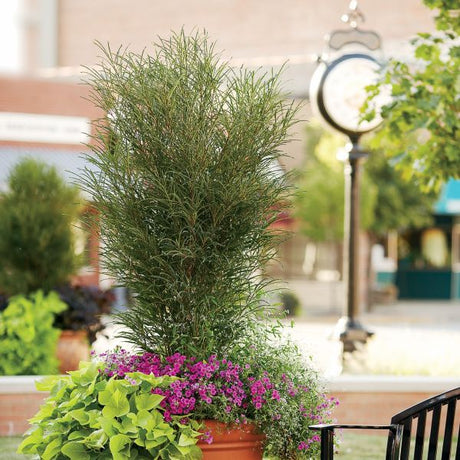
  • Fine Line® Buckthorn for tall, narrow structure.
  • Ornamental Grasses like Dwarf Fountain Grass or Elk Blue Rush for motion and softness.
  • Miniature Roses for scent, or Miniature Rose Trees for charm.
  • Sun-lovers like Lavender, Coneflowers, Catmint, and *Geranium ‘Rozanne’* for color that lasts all summer.

A Sunny Formal Balcony Garden

For a more refined, year-round display, go evergreen:

A Part Sun Porch or Deck Cottage Garden

Build a cottage-style garden full of blooms and charm:

  • Climbing Roses or Clematis on trellises for height and fragrance.
  • Mix in colorful Perennials like Hardy Geraniums, Coreopsis, Astilbe, and Bee Balm.
  • Add bulbs and seasonal Annuals for variety.

A Full Sun Mini-Orchard Balcony Garden

Grow your own fruit right outside your door with dwarf and columnar varieties!

Full Shade Balcony Gardens

Low light? No worries! These shade-tolerant plants thrive beautifully:

  • Climbing Hydrangea for fragrant ivory flowers.
  • Periwinkle or Vinca for groundcover color.
  • Hostas, Ferns, Coral Bells, and Japanese Forest Grass for texture and tone.
  • Astilbe, Bleeding Heart, and Lungwort for seasonal blooms.

Bringing Your Indoors Out

Turn your patio or balcony into an extension of your living space with indoor favorites and tropical flair.

  • Instant Wall Planters for vertical succulent displays.
  • Houseplants like Ferns, Pothos, and Philodendrons for lush, low-maintenance greenery.
  • Kokedama moss balls to hang in corners or above bistro tables.
  • Tropical Hibiscus, Banana Plants, and Canna for bold summer accents.
  • Jasmine or Bougainvillea vines for screening and scent.

Big Gardens For Small Spaces!

With today’s modern compact plants and clever vertical tricks, anyone can grow a garden anywhere! Even a small balcony or porch can burst with life, color, and fragrance.

Get creative, go vertical, and let Nature Hills Nursery help you build a big garden in your small space.

Happy Planting!
Previous Next

Compare Plants

Browse the features and specs side-by-side to find the best fit for your garden.

A table comparing the facets of 2 products
Facet
Fine Line® Buckthorn
View details
Improved Dwarf Meyer Lemon Trees
Dwarf Meyer Lemon
View details
Rating
Rating--
Type
TypeTreeShrub
By
ByProven WinnersNature Hills Nursery
Flower Color
Flower Color
  • Yellow
  • White
Growing Zone Range
Growing Zone Range
2-7
9-11
Mature Height
Mature Height
5-7 ft
6-10
Width
Width
2-3 ft
4-6 ft
Price
Price
Regular price From $2614
Regular price From $16267

Frequently Asked Questions

What are the best plants for small balcony spaces with limited sunlight?

For shaded balconies receiving less than 4 hours of direct sunlight, choose shade-tolerant plants like hostas, ferns, begonias, and caladiums that thrive in containers. Compact evergreen shrubs such as boxwood, Japanese pieris, and dwarf rhododendrons provide year-round structure in zones 4-9. Edible options include leafy greens, herbs like parsley and chives, and shade-tolerant vegetables such as lettuce and spinach. Group containers of varying heights to create visual interest while maximizing your limited growing space.

How do I know if my balcony gets enough light for vegetables and herbs?

Most vegetables and herbs need 6-8 hours of direct sunlight daily to produce well, while leafy greens like lettuce and spinach can thrive with just 4-6 hours. Track your balcony's sun exposure by checking it hourly from 8 AM to 6 PM on a clear day, noting which areas receive direct versus filtered light. South-facing balconies typically get the most sun, while north-facing spaces work better for shade-tolerant herbs like mint and parsley. Start with easy sun-lovers like tomatoes, peppers, and basil in your brightest spots, then expand based on your success.

What size containers should I use for different types of plants?

For herbs and small annuals, use containers at least 6-8 inches deep, while vegetables like tomatoes and peppers need 12-18 inch deep pots with 5+ gallon capacity. Dwarf fruit trees and shrubs require large containers of 20+ gallons to accommodate their root systems and provide stability. Small containers dry out faster and limit root growth, so choose the largest size your balcony can support. Group smaller 8-12 inch pots together for visual impact while using fewer large containers for statement plants and edibles.

How often should I water container plants on a balcony?

Container plants on balconies typically need daily watering during hot summer months, as containers dry out much faster than ground plantings due to wind exposure and heat absorption. Check soil moisture by inserting your finger 1-2 inches deep - water when the top inch feels dry. Balcony containers may require twice-daily watering in zones 7-9 during peak summer heat. Water deeply until it drains from the bottom, and consider adding water-retaining crystals to potting mix for extended moisture retention.

What type of soil is best for balcony gardens?

For balcony container gardens, use a high-quality potting mix specifically designed for containers rather than garden soil, which becomes too heavy and doesn't drain properly. Look for mixes containing perlite, vermiculite, or coconut coir that provide excellent drainage while retaining moisture - essential for containers that dry out faster than ground beds. Premium potting mixes often include slow-release fertilizer to feed plants for 3-6 months. Choose lightweight options if weight is a concern, and always ensure your containers have drainage holes to prevent waterlogged roots.

Can I grow vegetables in pots on my balcony, and which ones are easiest?

Yes, you can successfully grow vegetables in containers on your balcony! The easiest options include leafy greens like lettuce and spinach, herbs such as basil and parsley, cherry tomatoes, peppers, and radishes since they have compact root systems and don't require deep soil. Most vegetables need containers at least 12 inches deep with drainage holes, and full sun locations (6+ hours daily) work best. Start with a few 5-gallon containers and choose determinate tomato varieties or bush-type vegetables specifically bred for container growing.

How do I prevent my plants from drying out too quickly in containers?

Container plants dry out faster than ground plantings because roots can't spread deep for moisture. Use larger containers (at least 12-16 inches wide) with drainage holes, and add a 2-inch layer of mulch to retain soil moisture. Water when the top inch of soil feels dry, typically every 1-2 days in hot weather zones 7-9. Group containers together to create humidity and protect smaller pots from drying winds.

What's the best way to arrange plants on a small balcony for visual impact?

Cluster containers in groups of odd numbers (3-5 pots) rather than spacing them evenly across your balcony for maximum visual impact. Use vertical space with wall planters, railing boxes, and plant stands to create layers at different heights. Choose compact or columnar plants that won't overwhelm your limited square footage while still providing substantial presence. Position your largest, most striking plants as focal points in corners or against walls, then fill in with smaller containers to create depth.

How do I deal with wind damage to balcony plants?

Wind can topple containers and damage foliage, especially on upper-floor balconies and rooftops. Cluster pots in groups to create wind barriers and provide mutual protection, positioning taller plants on the windward side to shield smaller ones. Choose sturdy, wide-based containers and secure lightweight pots with plant stakes or tie them to railings during severe weather. Install a temporary windscreen using garden fabric or position a decorative trellis to deflect strong gusts while maintaining airflow.

What are the most low-maintenance plants for busy apartment dwellers?

For busy apartment dwellers, drought-tolerant succulents like sedums and hens-and-chicks thrive with weekly watering, while hardy perennials such as ornamental grasses and black-eyed Susans return annually with minimal care in zones 4-9. Compact shrubs like boxwood and dwarf spirea provide structure without frequent pruning, and herbs like rosemary and thyme offer culinary benefits while tolerating neglect. Choose plants rated for your hardiness zone and group containers together to create microclimates that reduce watering frequency to twice weekly during growing season.

Find Your Garden's Growing Zone!

Your Current Growing Zone:

Zone

ZIP Code:

✓ Growing Zone Set Successfully!

Your zone has been saved and will be used throughout the site.

⚠ Unable to locate a growing zone for that ZIP code.

Please check your ZIP code and try again.

Looking up your growing zone...

When ordering a tree or plant, make sure to know your planting zone.

You can determine your garden's USDA hardiness zone by entering your Zip Code below.