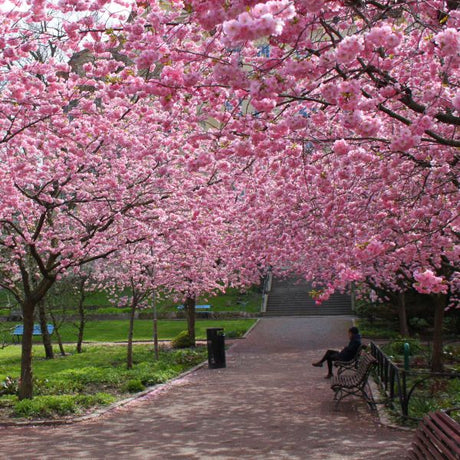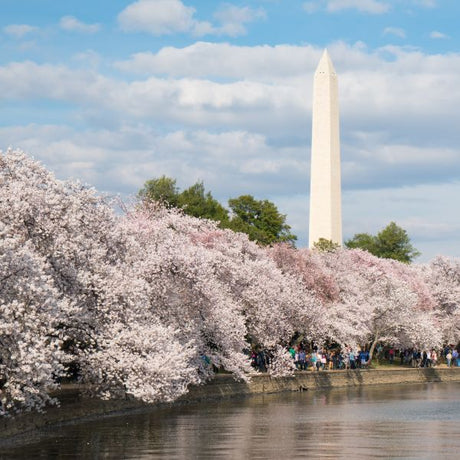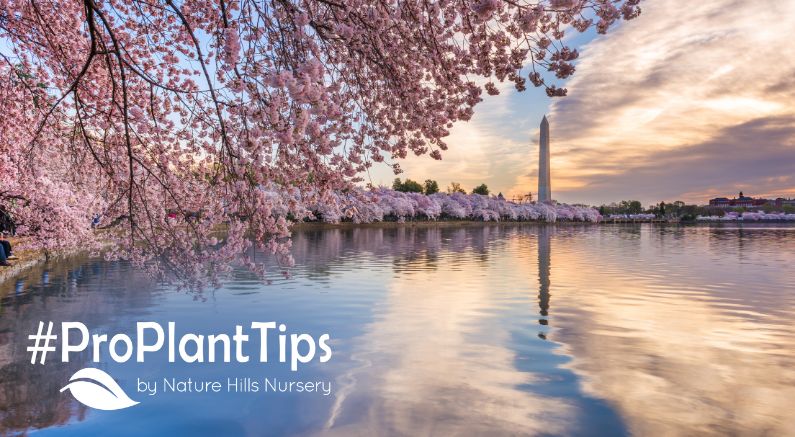

In the heart of the District of Columbia, also affectionately known as the Nation’s Front Yard or simply The District, residents enjoy an exciting blend of urban energy and green space potential. From the cherry blossom-lined Tidal Basin to the tree-lined neighborhoods of Capitol Hill and the rolling beauty of Rock Creek Park, Washington, DC’s unique microclimates and rich heritage make it a gardener’s dream with a few challenges thrown in for good measure.
With its USDA Hardiness Zone 7a classification, DC experiences hot, humid summers and mild winters. The area’s clay-rich soils may give gardeners a bit of a workout, but with the right preparation, planting strategies, and the incorporation of sustainability, your garden can be as iconic as the National Arboretum.
Let’s dig into the dirt, explore local favorites, and uncover how to make your Washington, DC, garden a capital success!
Gardening In Washington, DC’s Climate and Soil

DC summers average in the mid-80s to 90s°F, accompanied by high humidity, while winters are generally mild, flirting just above or below the freezing mark.
The clay-rich soil can constrain root growth due to poor drainage, so mixing in organic matter can greatly improve soil texture. Consider how baking soda lightens dense cookie dough; amendments similarly enhance soil structure.
Pay special attention to microclimates created by shaded areas or sunny slopes, ensuring optimum plant placement for vibrant growth.
Gardening in Washington, DC’s Climate and Landscape
While technically considered part of the Mid-Atlantic rather than New England, DC’s climate walks the line between northern chill and southern warmth, giving gardeners the best, and occasionally worst, of both worlds.
Weather Wisdom:
- Summers: Highs in the 80s-90s°F with tropical-level humidity. It’s a muggy affair!
- Winters: Generally mild, with average lows hovering near freezing. Snowfall is occasional but can be heavy when it does arrive.
- Rainfall: Around 43 inches annually, often in spring and summer downpours.
Soil Snapshot:
- Native Soils: Heavy clay dominates, especially in neighborhoods like Brookland and Petworth. This can lead to drainage issues and compacted roots.
- Fixes: Mix in compost, pine fines, aged manure, or even coconut coir to fluff up and aerate the soil, think of it like folding egg whites into batter to keep it light and airy.
- Pro Tip: Raised beds and rain gardens are superstars here, especially in water-prone areas like Anacostia or near Rock Creek.
Landscape Considerations:
- Urban Heat Islands: In neighborhoods like Shaw or Logan Circle, rooftop gardens and balconies may get extra hot, so choose heat-tolerant plants.
- Shady Lots: Tree-lined streets in Cleveland Park or Woodley Park benefit from shade-lovers like Ferns and Hostas.
- Flood-Prone Zones: Areas like Southwest Waterfront need moisture-loving natives like Joe-Pye Weed and Swamp Milkweed.
Washingtonians know the value of sustainable, low-maintenance landscapes that still impress. Here are a few strategies straight from the gardens of the U.S. Botanic Garden and Kenilworth Aquatic Gardens:
- Rain Gardens: Manage runoff in style. Great for basements prone to water intrusion in historic homes. Functioning like a sponge, they manage rainwater efficiently, mitigating runoff while enhancing groundwater recharge.
- Permeable Hardscaping: Brick walkways and stone patios with gravel joints allow water to seep into the soil.
- Pollinator Pockets: Native blooms like Black-Eyed Susan and Mountain Mint support native bees and butterflies in even the tiniest garden spaces.
- Urban Wildlife: Add a birdbath or pollinator hotel to support feathered and winged friends in the city.
- Grow Vertically: Elevate your garden with trellises and wood arbors, adding structural intrigue and variety.
Smart Planting Strategies
Adopt these strategies for thriving plants and a harmonious garden design:
- Optimal Planting Times: Plant perennials, trees, and shrubs in early spring or early fall for the best results. Avoid summer installations when heat stress can stunt growth.
- Soil Structure Improvement: Preparing soil with organic materials primes it for robust growth, much like a perfect canvas enhances a painting.
- Soil Tests Matter: Always test your soil pH and nutrient levels. DC’s clay soils are often acidic, perfect for Azaleas and Hollies, but you may need lime for other plants.
- Go Native: Not only do native plants thrive with minimal care, but they also support pollinators, birds, and beneficial insects.
- Mulch and Water Smarter: A thick 3-4" mulch layer reduces watering needs and keeps weeds down. Use drip irrigation or soaker hoses to water deeply and keep leaves dry (avoiding fungal issues in humid months). Organic mulch doesn’t just lock in moisture and manage soil temperature, the slow breakdown boosts soil fertility.
- Mind the Pests: With warmer winters, Japanese Beetles, aphids, and scale can stick around longer. Use neem oil or insecticidal soap early in the season to keep pests in check.
Top Picks: Plants For DC
Trees and shrubs can dramatically change your garden's landscape while adding ecological value. Besides the world-famous Kwanzan and Yoshino Flowering Cherry Trees that bring in visitors to the city, consider these top choices well-suited to the northeastern Washington, DC, climate:
- Eastern Redbud: Bursting with vibrant spring blooms and heart-shaped leaves, it delights local wildlife.
- Serviceberry: This shrub offers multiple seasonal appeals, from spring blossoms to fruit that attracts birds and supports pollinators.
- Inkberry Holly: A low-maintenance native evergreen that creates a lush, year-round backdrop.
- Annabelle Hydrangea: Known for its large, dramatic blossoms, it is perfect for shaded areas.
- American Holly: Provides festive greenery and sustenance for wildlife.
Vibrant perennials and ornamental grasses can infuse your garden with texture, color, and continuous seasonal beauty:
- Echinacea (Coneflowers): Their vibrant colors attract pollinators, and they resist pests and diseases impressively.
- Coreopsis: These cheerful, long-blooming flowers enkindle any space with minimal care.
- Pink Muhly Grass: Introduces a stunning pink, veil-like appearance in fall, enhancing your garden’s visual depth.
- Black-Eyed Susan's: Known for their long-lasting blooms and resilience to drought, making them a gardener’s favorite.
Rotate seasonal bulbs and annuals to maintain a vibrant garden palette through all seasons:
- Spring Bulbs: Daffodils and tulips provide an early burst of color, setting the stage for the year ahead.
- Summer Annuals: Zinnias and Marigolds, with their vibrant, continuous blooms, invite pollinators into your summer garden.
Honorable Mentions
These varieties bring a unique charm to any garden:
- Joe-Pye Weed: Ideal for rain gardens, its pink-purple clusters are magnets for butterflies.
- Virginia Creeper: Offers effortless beauty with its autumn foliage draping over walls and fences.
- Chaste Tree: Its fragrant flowers thrive in heat and add a Mediterranean flair to DC gardens.
- Threadleaf Blue Star: Features soft foliage and starry blue blooms, adding elegance to borders.
A Private Nook In The City!

Creating a lush garden in DC isn’t just about aesthetics, it’s a way to reclaim space, reduce stress, and connect with nature in the heart of the nation’s capital. From balcony herb gardens in Adams Morgan to native plant hedges in Columbia Heights, Washingtonians are embracing eco-conscious, pollinator-friendly gardening one plot at a time.
Local bonus: Take a walk through the National Arboretum for inspiration or explore hidden gems like Hillwood Estate’s gardens and the Franciscan Monastery Garden in Brookland.
By embracing your climate, leaning into native and adaptable plants, and designing with sustainability in mind, you can craft an outdoor space worthy of the spotlight, even in the shadow of the Capitol dome.
Creating a green space in the heart of the city provides a refreshing oasis, improves air quality, supports local biodiversity, and offers a peaceful retreat for residents amidst the urban hustle.
Choosing the right plants for your region harmonizes beauty with function, enriching your outdoor space with ecological and visual appeal. By embracing selections suited to Washington, DC's climate, urban conditions and pollution, and soil, you can create a garden that's not only sustainable but also enhances curb appeal and property value.
Happy Planting!