Free Shipping on Orders $199+

Growing Zone: | Garden in
Find your Growing Zone!

Best Plants For Cincinnati: A Guide For Year-Round Beauty

Best Plants For Cincinnati: A Guide For Year-Round Beauty - Nature Hills Nursery

Nature Hills Nursery |

Nestled along the rolling hills of the Ohio River Valley, Cincinnati, Ohio, aka The Queen City, offers fertile ground (literally!) for stunning gardens. Sitting squarely in USDA Hardiness Zones 6a and 6b, Cincinnati's weather brings brisk winters, hot, humid summers, and everything in between. But don't let that scare you, garden gurus! When you plant with purpose, your landscape will bloom with beauty in every season.

Let's dig into how to make the most of mother nature's gifts in Southern Ohio!

Cincinnati skyline

Understanding Cincinnati's Climate, Soil & Growing Zones

Cincinnati's Climate Breakdown:

  • Hardiness Zones: Upper Midwest USDA Planting Zones 6a–6b
  • Summers: Hot and humid, with temps reaching into the 90s
  • Winters: Cold but manageable, often dipping into the teens
  • Precipitation: Well-distributed rainfall year-round, around 42 inches annually

Soil Secrets of Southwest Ohio: Much of Cincinnati's soil is clay-heavy, which can mean poor drainage and compacted roots if left untreated. Amend that soil with compost, shredded leaves, and organic mulch to help loosen things up and let your plants breathe deeply.

Landscape Personality: Expect hilly backyards, tree-lined neighborhoods, and a mix of shade and sun across most residential landscapes. Plan your plantings based on microclimates, cool shade near buildings, sunny slopes, or wet spots at the bottom of a hill.

Top 10 Ornamental Philadelphia Plants at Nature Hills

Still stellar picks for Cincy gardens!

  1. Blue Chinese Wisteria Tree – Cascading blue blooms bring the drama! Thrives in sunny spots with well-drained soil and becomes the belle of any backyard ball.
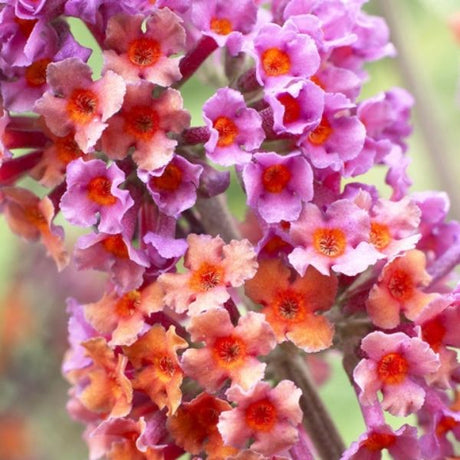
  2. BiColor Butterfly Bush – A pollinator magnet with colorful pink and orange flower clusters. Plant in full sun and prune in early spring for bold blooms.
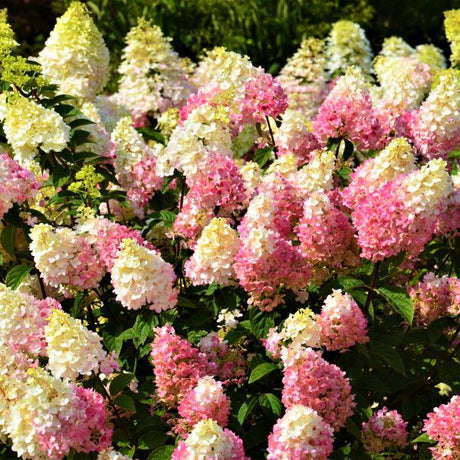
  3. First Editions® Strawberry Sundae® Hydrangea – Blushing blooms shift from creamy white to pink as summer rolls in. Great for part-shade and moist, rich soils.
  4. Bald Cypress Tree – A native-inspired beauty that loves moist areas but adapts to drier soil. Soft foliage turns russet-orange in fall.
  5. White Snow Fountains® Weeping Cherry – Graceful and snowy white in spring. Best planted where its weeping form can shine in full sun.
  6. Moonglow® Sweet Bay Magnolia – Sweet-smelling white blossoms and shiny green leaves. Handles partial shade and moisture like a champ.
  7. Jane Magnolia – Bold purple-pink blooms before leaves emerge. It's a tough cookie in winter, perfect for Ohio's wild mood swings.
  8. Double Flowering Japanese Kerria – Cheery yellow blooms all season long. Low maintenance and perfect for light shade.
  9. Creeping Thyme – A fragrant groundcover that doubles as a pollinator buffet. Loves the sun and thrives in rock gardens and paths.
  10. Chaste Tree – Spiky lilac blooms with a fast-growing habit. A sun-loving show-off that butterflies adore.

Top Native Plants For Ohio

While ornamentals are showy, the true grit of your landscaping should be Ohio Natives, like the iconic Yellow Windflower (aka: Lakeside Daisy, Hymenoxys herbacea), that need less water, less fuss, and boost your ecosystem immensely! Check out these top picks for your Ohio garden success story:

5 Native Trees of Ohio for Queen City Gardens

  1. Ohio Buckeye – Our namesake tree and the Ohio State tree! It produces yellow-green flowers and iconic nuts. Shade-loving and wildlife-friendly.
  2. Eastern Redbud – Magenta blooms in early spring, heart-shaped leaves, and year-round beauty.
  3. American Hornbeam – Known as "Musclewood" for its strong limbs. Great in shade or part sun.
  4. Tulip Poplar – State tree of Indiana, but beloved in Ohio too! Tall with tulip-shaped blooms in spring.
  5. Black Gum – A slow grower with dazzling fall color. Moist soil and sunshine make it thrive.

Honorable Mention: The Black Hills Spruce is an excellent, darker-needled variety of White Spruce with short, pointed needles that can be found throughout the Upper Midwest!

5 Native Shrubs That Shine in Southern Ohio

  1. Common Ninebark – Peeling bark, pinkish blooms, and deer resistance make this shrub a trifecta of garden greatness.
  2. Spicebush/Spice Bush – Fragrant yellow blooms and berries for birds. A hit in shady spots.
  3. Buttonbush – Welcomes wet feet! This wetland native loves low-lying areas, shadier sites, and pollinators love the globe-like flowers.
  4. Virginia Sweetspire – Bottlebrush flowers and flaming fall foliage. Shade-tolerant and moisture-loving.
  5. New Jersey Tea – Compact, pollinator-friendly, and thrives in well-drained soils.

5 Perennials for Cincinnati's Charm & Color

  1. Wild Bergamot – Lavender Bee Balm relative with minty foliage and fragrant summer blooms.
  2. Purple Coneflower – A sun-loving classic! Tough as nails and beloved by pollinators and birds alike.
  3. Ohio Goldenrod – Late-season color and pollinator power in golden yellow. Try other natives like Stiff Goldenrod or Showy Goldenrod for golden waves and beneficial insects galore!
  4. Wild Geranium – Soft purple flowers in early spring. Loves partial shade and moist soil.
  5. Foamflower/Foam Flower (Tiarella) – A shade-loving groundcover related to Coral Bells, with frothy, delicate blooms.

5 Fruiting Trees That Thrive in Cincinnati

Edible Landscaping is all the rage, and these trees produce big flavor in small spaces:

  1. American Persimmon – Native and flavorful with rich orange fruit. Needs a male and female tree to fruit.
  2. Serviceberry – White spring flowers and sweet summer berries. Great multi-season interest. Also known as June Berries for the edible fruit birds and humans love.
  3. Pawpaw – Ohio's tropical treat! Large leaves, custardy fruit, and great for shady, moist sites.
  4. Apple Trees – Choose disease-resistant varieties like Liberty or Enterprise® for Midwest reliability.
  5. American Native Plum – Showy dainty spring blossoms and tart purple fruit on a smaller fruiting tree or large shrub that can form polite colonies.

5 Fruiting Bushes & Vines for Backyard Bounty

  1. Elderberry – Fast-growing with big berry clusters and native power.
  2. Black Raspberry – Native and flavorful. Sweet fruit with a wild twist. The Bristol Black is an updated cultivar of the Rubus occidentalis.
  3. Blackberry– Rubus ursinus is the native Blackberry to the US. Forming long trailing vines giving it the other name Trailing Blackberry, it also goes by Dewberry in other parts. Large, juicy fruit and hardy growth, you can train it along a fence or trellis.
  4. Hazelnut – Nutty, native, and wildlife-friendly. A crunchy treat from the thicket.
  5. Chokeberry (Aronia) – Tart power berries packed with antioxidants. Great for juice and jams.

Gardening Tips & Tricks for the Queen City

  • Tame That Clay: Amend garden beds with compost, peat moss, and leaf litter to break up heavy soils.
  • Timing Is Everything: Plant perennials and trees in early spring or early fall to beat the heat and frost. Know when to prune your flowering shrubs to prevent removing your next flower display.
  • Mulch Like a Pro: Mulching helps retain moisture and protect roots, just don't pile it up against trunks!
  • Watch for Wet Spots: Cincinnati's rolling terrain can create soggy zones. Use moisture-lovers like Buttonbush and Bald Cypress there.
  • Deer Patrol: Use fencing or deer-resistant plants like Ninebark and Monarda to discourage nibblers.
Cincinnati map

Bringing It All Together

From the vibrant Ohio Buckeye to juicy backyard-grown berries, Cincinnati gardeners have a full buffet of plant choices to work with. Whether you're an old soul who loves native trees or a trendy Gen Z green thumb looking to grow your own food, this city's climate is ready to reward your efforts. Just check out Nature Hills Nursery for more info and plant with the seasons, prep that soil, and let your Queen City garden reign!

Happy Planting in the Heart of the Ohio River Valley!

Previous Next

Compare Plants

Browse the features and specs side-by-side to find the best fit for your garden.

A table comparing the facets of 5 products
Facet
A large, flourishing purple wisteria vine draped over a wooden arbor against a clear blue sky in a spring garden with pink tulips in the background.
Blue Chinese Wisteria Tree
View details
BiColor Butterfly Bush
View details
First Editions® Strawberry Sundae® Panicle Hydrangea
Strawberry Sundae® Panicle Hydrangea
View details
Bald Cypress Tree
Bald Cypress Tree
View details
White  SNOW FOUNTAINS® Weeping Cherry
Snow Fountain® Weeping Cherry Tree
View details
Rating
Rating
(287)
(41)
(510)
-
(12)
Type
TypeTreeShrubShrubTreeTree
By
ByNature Hills NurseryNature Hills NurseryFirst EditionsNature Hills NurseryNature Hills Nursery
Flower Color
Flower Color
  • Blue
  • Purple
  • Lavender
  • Violet
  • Purple
  • Orange
  • Red
  • Pink
  • White
-
  • White
Growing Zone Range
Growing Zone Range
5-9
5-9
3-8
4-10
5-8
Mature Height
Mature Height
10-15 ft
5-6 ft
4-5 ft
50-65 ft
8-15 ft
Width
Width
10-15 ft
4-5 ft
3-4 ft
20-30 ft
8-10 ft
Price
Price
Regular price From $12662
Regular price From $2533
Regular price $6619
Regular price $9291
Regular price $13787

Frequently Asked Questions

What vegetables can you plant in Cincinnati in early spring?

In Cincinnati's USDA zones 6a-6b, you can plant cool-season vegetables like lettuce, spinach, peas, and radishes as early as mid to late March when soil temperatures reach 40-50°F. Root vegetables such as carrots, beets, and onion sets also perform well in the cooler spring weather. Given Cincinnati's clay-heavy soil, amend your garden beds with compost before planting to improve drainage and root development. Start with these hardy crops 4-6 weeks before your last frost date (typically mid-April) for the best spring harvest.

Which tomatoes are best for sauces and paste in Cincinnati?

For Cincinnati's zones 6a-6b, paste tomatoes like San Marzano, Roma, and Amish Paste excel for sauces due to their thick flesh and low water content. Plant these determinate varieties after your last frost date (typically mid to late April) in full sun locations with amended clay soil for proper drainage. San Marzano offers the richest flavor for authentic sauces, while Roma provides reliable yields and disease resistance perfect for Southwest Ohio's humid summers. Start seeds indoors 6-8 weeks before transplanting, or purchase established plants from Nature Hills for guaranteed success.

Which basil varieties work well in Cincinnati gardens?

While the article focuses on ornamental plants, Cincinnati's USDA zones 6a-6b support most basil varieties as warm-season annuals. Sweet basil, purple ruffles basil, and compact varieties like spicy globe basil all thrive in Cincinnati's hot, humid summers when planted after the last frost in mid to late May. Plant in well-draining soil amended with compost to counter Cincinnati's heavy clay, and choose full sun locations that receive 6-8 hours of direct sunlight daily. Start seeds indoors 6-8 weeks before transplanting, or purchase established plants from Nature Hills for reliable garden success.

What are the little black bugs on my potatoes, and how do I control them in Cincinnati?

Those little black bugs on your potatoes are likely Colorado potato beetles or flea beetles, both common pests in Cincinnati's Zone 6a-6b climate. Colorado potato beetles are larger (about 1/2 inch) with yellow and black stripes, while flea beetles are tiny (1/8 inch) and jump when disturbed. Both emerge in late spring when soil temperatures reach 50-60°F and can quickly defoliate potato plants. Hand-pick larger beetles in the morning when they're sluggish, apply beneficial nematodes to soil, or use row covers during early growth stages to prevent infestations.

How deep should you plant tomatoes in Cincinnati soil?

In Cincinnati's zones 6a-6b, plant tomato transplants deep enough to cover 2/3 of the stem, burying most lower leaves to encourage strong root development. The clay-heavy soil common to southwest Ohio requires amending with compost before planting to improve drainage and prevent waterlogged roots. Plant after the last frost date (typically mid-May) when soil temperatures consistently reach 60°F. Dig planting holes 6-8 inches deeper than the root ball and backfill with your improved soil mixture.

Do grafted tomatoes grow well in Cincinnati, and which varieties are recommended?

Grafted tomatoes perform exceptionally well in Cincinnati's USDA zones 6a-6b, offering increased disease resistance and vigor in the region's hot, humid summers. The clay-heavy soil that's common in southwest Ohio benefits from the stronger root systems of grafted varieties, which better penetrate compacted earth. Popular grafted options for Cincinnati include 'Big Beef,' 'Cherokee Purple,' and 'Brandywine' varieties. Plant after the last frost date (typically mid-May) and amend your clay soil with compost for optimal drainage and root development.

What perennials provide year-round interest in Cincinnati's zone 6b climate?

For year-round interest in Cincinnati's zone 6b climate, choose perennials with strong winter structure like ornamental grasses such as Little Bluestem and Fountain Grass, which provide texture through winter months. Evergreen perennials like Coral Bells (Heuchera) offer colorful foliage year-round, while Sedum varieties provide late-season blooms and attractive seed heads that persist into winter. Bergenia and Lenten Rose (Helleborus) add early spring flowers when little else is blooming. Plant these backbone perennials in fall for best establishment, spacing according to mature size to create a framework that looks attractive in every season.

Can you grow figs in Cincinnati, and how do you overwinter them?

Yes, you can grow figs in Cincinnati's Zone 6a-6b climate, though they require winter protection since most fig varieties are hardy only to Zone 7. Plant cold-hardy varieties like 'Chicago Hardy' or 'Brown Turkey' in a sheltered, south-facing location with well-draining soil. For winter protection, wrap the tree in burlap and mulch heavily around the base, or consider growing in containers that can be moved to an unheated garage when temperatures drop below 20°F. Plant in spring after the last frost and choose a spot protected from harsh winter winds for best survival.

What trees or shrubs are best for year-round beauty in southwest Ohio near Cincinnati (zone 6)?

For year-round beauty in Cincinnati's zones 6a-6b, choose plants that handle clay soil and temperature swings from teens to 90s. Top performers include First Editions® Strawberry Sundae® Hydrangea for part-shade areas with its white-to-pink blooms, BiColor Butterfly Bush for sunny spots with continuous pink-orange flowers, and native-inspired Bald Cypress trees that thrive in moist conditions. These selections provide three-season interest while tolerating Cincinnati's hot, humid summers and cold winters. Amend your clay soil with compost before planting and select locations based on your property's microclimates.

Do Japanese maples suffer from early leafing in mild Cincinnati winters, and what alternatives work better?

Japanese maples can experience premature budbreak during Cincinnati's unpredictable Zone 6a-6b winters, making them vulnerable to late frost damage when temperatures drop back into the teens. Consider native alternatives like Red Maple or Sugar Maple, which are better adapted to Ohio's temperature swings, or choose late-leafing Japanese maple cultivars such as 'Bloodgood' or 'Emperor I'. Plant Japanese maples in protected locations with morning sun and afternoon shade, and select cultivars specifically rated for Zone 6 reliability rather than borderline hardy varieties.

Find Your Garden's Growing Zone!

Your Current Growing Zone:

Zone

ZIP Code:

✓ Growing Zone Set Successfully!

Your zone has been saved and will be used throughout the site.

⚠ Unable to locate a growing zone for that ZIP code.

Please check your ZIP code and try again.

Looking up your growing zone...

When ordering a tree or plant, make sure to know your planting zone.

You can determine your garden's USDA hardiness zone by entering your Zip Code below.