Looking to clean up your garden beds and add a polished touch to your pathways? Whether you're crafting sleek modern lines or framing a relaxed cottage border, low edging plants offer that final flourish that ties everything together.
From tucking into flagstone cracks to lining walkways with charm and purpose, these hardy, low-growing beauties bring structure, color, and even fragrance to your landscape!
And the best part? Many can take a light tread now and then, making them perfect companions for stepping stone paths, courtyard gardens, and flagstone walkways. Let's dig into mother nature's best low-growing heroes that create crisp edges, stay neat, and hold their own when the boots come knocking!
Why Use Low Edging Plants?
Low edging plants do more than just look pretty. They serve practical functions while beautifying borders:
- Create visual order and barriers between the lawn and garden beds
- Soften hardscape lines around paths and patios, and retaining walls
- Prevent soil runoff and keep mulch in place
- Invite pollinators and beneficial insects close to home
- Handle light foot traffic between pavers or across stepping stone paths
Whether you're working with formal garden designs, whimsical pathways, or need living borders that hold their shape, these plants are the unsung heroes of a well-dressed landscape.
10 Top Plants for Edging and Stepping Stone Areas
These plants are foot-traffic-tolerant, low-maintenance, and stay compact enough for tight borders. Many are also evergreen or semi-evergreen, so they keep up appearances even in the off-season.
1. Creeping Thyme (Thymus praecox 'Coccineus')
This fragrant, pollinator-magnet herb makes a dreamy carpet between pavers or along the edge of a sunny bed.
- Zones: 3-9
- Height: 2-4 inches
- Spread: 12-18 inches
- Foot Traffic: High tolerance
-
Bonus: Highly aromatic and gently releases aroma underfoot!
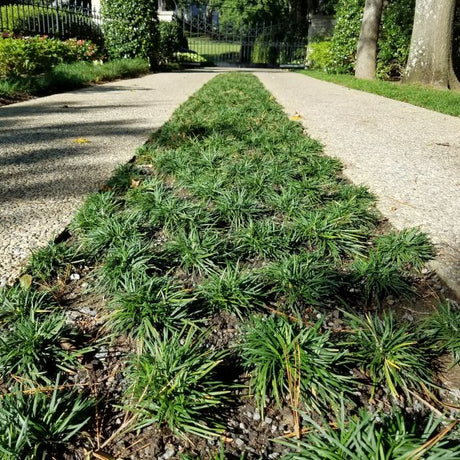
2. Dwarf Mondo Grass (Ophiopogon japonicus 'Nana')
Perfectly tufted, grass-like, dark-green, and evergreen that thrives in shade or filtered light.
- Zones: 6-10
- Height: 2-4 inches
- Spread: Slow clumper
- Foot Traffic: Moderate
- Use: Along shady paths, under trees, or mixed with ferns for woodland appeal
3. Woolly Thyme (Thymus pseudolanuginosus)
A charming, fuzzy, and soft-to-the-touch groundcover that thrives in hot, sunny spots and tolerates moderate foot traffic. It forms low cushions of silvery-green foliage and tiny pink blooms that attract pollinators in summer.
- Zones: 5-8
- Height: 1-3 inches
- Spread: 12-18 inches
- Foot Traffic: Moderate
- Use: Perfect between stepping stones, along hot sunny walkways, or softening the edge of rock gardens
- Bonus: Fragrant when walked on, drought-tolerant once established, and deer-resistant
4. Summit™ Golden Yellow Alyssum (Aurinia saxatilis 'Golden Yellow')
A brilliant and resilient choice for those challenging strips between the sidewalk and street, or hot, sunny edges. This bright, golden Alyssum shines like a beacon of joy!
- Zones: 3-7
- Height: 6-8 inches
- Spread: 12-18 inches
- Foot Traffic: Light (ideal along edges and low-wear paths)
- Use: Perfect for hell strips, edging rock gardens, and sunny walkways
5. Dragon's Blood Sedum (Sedum spurium 'Dragon's Blood')
This fiery little succulent lives up to its legendary name. 'Dragon's Blood' is a colorful, tough-as-nails groundcover that forms a low, spreading mat of scalloped, fleshy leaves. New foliage emerges green but quickly deepens to burgundy, and by fall, it ignites into rich crimson and bronze tones. In mid to late summer, clusters of tiny, starry red-pink flowers burst above the foliage, drawing in butterflies and pollinators.
- Zones: 3-9
- Height: 3-6 inches
- Spread: 18-24 inches
- Foot Traffic: Light
- Use: Sunny borders, rock gardens, and edging beds with a burst of color
6. Irish Moss (Sagina subulata)
Despite its name, Irish Moss isn't a true Moss, but this dainty ground-hugger offers that same lush, cushiony look with a bit more durability. It forms a dense mat of bright emerald-green, needle-like leaves that create a velvety, carpet-like effect. Perfect for fairy gardens, bed edges, and moist stepping stone paths!
- Zones: 4-9
- Height: 1-2 inches
- Spread: 12 inches
- Foot Traffic: Light
- Use: Moist, partly shaded areas around paths or stepping stones
7. Silver Carpet Lamb's Ear (Stachys byzantina 'Silver Carpet')
A classic edging plant that's soft enough to pet and tough enough to thrive where others wilt. Lamb's Ear earns its name with its velvety, silvery foliage that resembles the downy texture of you guessed it…a lamb's ear. Silver Carpet is a non-flowering variety that keeps its tidy form and doesn't reseed, making it ideal for low borders and formal edges.
- Zones: 4-9
- Height: 6-8 inches
- Spread: 12-24 inches
- Foot Traffic: Low
- Use: Soft edge for hot, dry garden beds or Mediterranean-inspired borders
8. Ajuga (Ajuga reptans)
Ajuga is a shade-tolerant groundcover powerhouse that brings bold texture, rich color, and pollinator appeal to beds and borders. Its glossy leaves come in shades of deep plum, bronze, or green, often with striking veining or sheen. Spring brings spires of vivid blue to violet blooms that rise just above the foliage, creating a magical carpet of color.
- Zones: 3-10
- Height: 3-6 inches
- Spread: Fast
- Foot Traffic: Moderate
- Note: Spreads by runners, ideal for erosion control on slopes and edging shade gardens
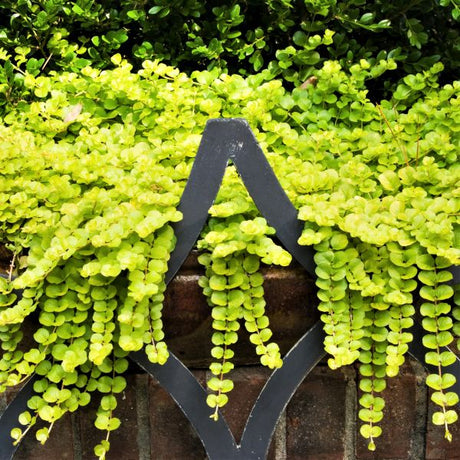
9. Golden Creeping Jenny (Lysimachia nummularia 'Aurea')
Also called Golden Moneywort, this low-growing perennial glows with chartreuse-gold foliage and flows beautifully between stepping stones or as a vibrant edge. It's tolerant of damp soils and partial shade, with a gentle, trailing habit that brightens every space it touches.
- Zones: 3-9
- Height: 2-4 inches
- Spread: 12-18 inches
- Foot Traffic: Light to moderate
- Use: Adds brilliant contrast between flagstones, around fountains, or as a living mulch in moist beds
- Bonus: Great for erosion control, pairs beautifully with darker-leaved companions, and adds glowing color year-round in mild climates
10. Creeping Phlox (Phlox subulata)
An absolute classic for edging and rock garden beauty, Creeping Phlox is a fantastic option. Also known as Carpet or Groundcover Phlox, these plants form dense, flower-laden mats that smother weeds, drape gracefully over borders, and tolerate some light foot traffic once established.
- Zones: 3-9
- Height: 4-6 inches
- Spread: 18-24 inches
- Foot Traffic: Light
- Use: Stunning spring color between pavers, along stone walls, or edging sunny borders
- Bonus: Early-season pollinator magnet with fragrant flowers in pink, purple, white, or blue tones
Where To Use These Footpath Champs
From cottage gardens to Zen-inspired designs, these plants excel in:
- Between pavers, where mulch or gravel doesn't quite cut it
- Garden bed borders for a crisp transition from garden to turf
- Courtyards where form and function must meet
- Rock Gardens (learn how to build one here)
- Arbor paths, add color to the tops of retaining walls, and more
- Add clean lines and color to garden edges and pathway sides
- Hell-strips: because these plants handle some foot traffic, many handle the tough settings along roads and sidewalks.
- Fantastic groundcover that blocks weeds and acts like living mulch
A Few Words On Design
Want the most impact? Match your edging plant to its surroundings:
- For modern, minimal spaces, go with Mondo Grass, Lamb's Ear, or Sedum for clean lines and contrasting textures.
- For classic English borders, Elfin Thyme, Blue Star Creeper, and Irish Moss create a soft, carpeted edge.
- Need a touch of color or contrast in shady areas? Ajuga has you covered.
Whether you're keeping mulch in place, blocking encroaching lawn, or simply want to invite butterflies and bees right to your doorstep, these low growers will rise to the occasion (but just barely!).
Growing Tips For Tidy Low-Edging Success
Even the toughest groundcovers need some TLC to look their best and keep their cool underfoot. Here's how to keep your edging plants in tip-top shape:
-
Water new plants regularly during their first growing season. Use the Finger Test to check soil moisture.
-
Plant close together for faster coverage (but check mature spread first!)
- Use arborist mulch (here's why) around new installs to retain moisture and reduce weeds.
-
Deadhead flowering varieties (like Ajuga or Blue Star Creeper) for repeat blooms and better form. Learn about deadheading.
- Divide or thin aggressive spreaders every couple of years to keep their edges crisp and prevent them from swallowing whole beds.
Let Edging Plants Be Your Garden's Finishing Touch!

They may be short, but these plants stand tall when it comes to design impact and ground-level toughness. Whether you crave tidy structure, whimsical texture, or fragrant footpaths, low edging plants bring your landscape to life. One step at a time!
With the right picks, you'll enjoy fewer weeds, less maintenance, and way more compliments on your garden's polished, intentional look. A little goes a long way when you plant with purpose!
Happy Planting!