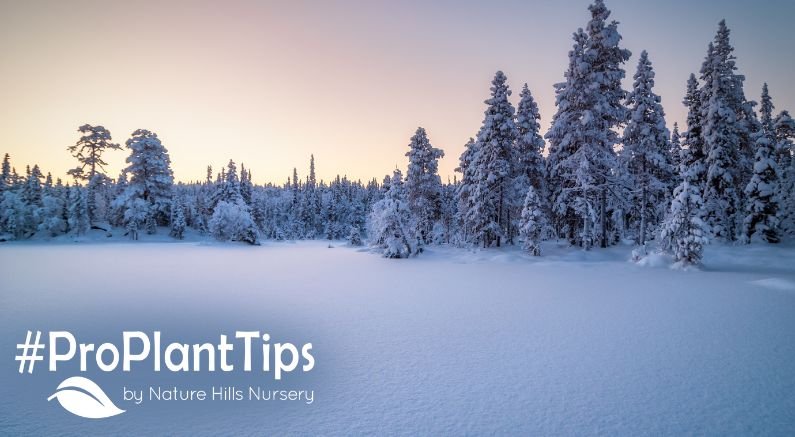
Even in the heart of a long winter, your landscape can be bold, beautiful, and full of life! Cold-hardy trees bring structure, color, and resilience to yards where the mercury regularly plunges far below freezing! With smart plant choices and a few seasonal strategies, gardeners in USDA Zones 2 and 3, and those in high altitudes, can enjoy strong, stately trees that thrive through bitter cold, icy wind, and deep snow!
Perfect for harsh conditions like homesteading on the prairie, growing a woodland retreat, or just trying to block out the wind with something more scenic than a snow fence, these tried-and-true trees will hold their ground and look good doing it!
Top 10 Cold-Hardy Trees From Nature Hills
These ten trees are tough enough for Zone 2 but graceful enough for four-season beauty. We've included ornamental features, wildlife support, historical significance, and gardening uses.
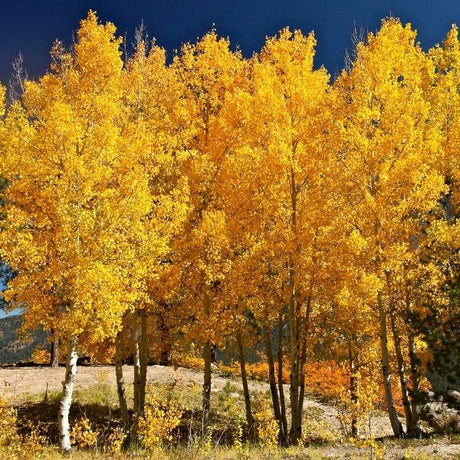
1. Quaking Aspen (Populus tremuloides)

With fluttering, heart-shaped leaves that shimmer in the breeze and golden fall color, the Quaking Aspen is a staple of the northern landscape. It spreads by root suckers to form colonies and offers quick coverage, erosion control, and visual movement. Known for its white bark and tolerance of cold and wind, this native tree supports birds and pollinators and is steeped in Indigenous lore.
-
USDA Zone: 2-6
-
Mature Size: 40-50 feet tall, 20-30 feet wide
-
Heart-shaped leaves flutter in the breeze
-
Brilliant golden fall color
-
Native, forms colonies, spreads by root suckers
-
Wildlife support and erosion control
2. Black Hills Spruce (Picea glauca 'Densata')

Native to the Dakotas, this dense, pyramidal evergreen offers windbreak strength and year-round structure. With short, stiff blue-green needles and exceptional cold tolerance, Black Hills Spruce is perfect for wind-prone, snowy properties. It makes a wonderful screen, shelterbelt tree, or specimen.
-
USDA Zone: 2-8
-
Mature Size: 40 - 60 feet tall, 15 - 25 feet wide
-
Native evergreen with pyramidal shape
-
Dense, blue-green needles
-
Ideal for windbreaks and snow-laden areas
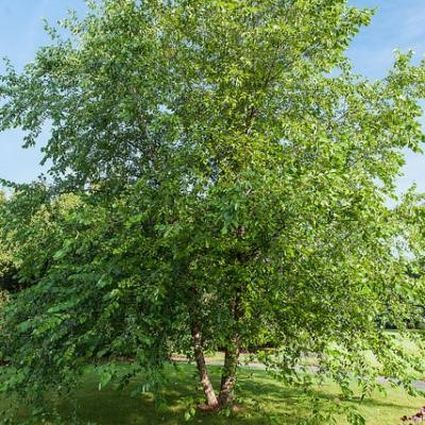
3. Paper Birch (Betula papyrifera)

Loved for its creamy white bark and golden autumn leaves, the Paper Birch is iconic across boreal forests. Hardy to Zone 2, it grows quickly and thrives in cool, moist soils. The bark was historically used for canoe building, fire starting, and medicine. Songbirds, woodpeckers, and squirrels all find food and shelter here.
-
USDA Zone: 2-7
-
Mature Size: 40 feet tall, 30 feet wide
-
Striking white bark and golden foliage
-
Thrives in moist, cool soils
-
Historically significant and pollinator-friendly
4. Amur Maple (Acer ginnala)

One of the hardiest Maples, this compact tree (or large shrub) offers fiery red fall color, fragrant spring flowers, and adaptability to dry or alkaline soils. Its winged seeds are charming, and its smaller stature makes it a popular urban and suburban pick! The Flame Amur Maple features a brighter color and is hardy down to Zone 3.
-
USDA Zone: 3-8
-
Mature Size: 15-20 feet tall, 15-25 feet wide
-
Small tree with red fall foliage and fragrant blooms
-
Drought-tolerant and urban-adaptable
5. American Larch - aka Tamarack (Larix laricina)

Also known as Eastern Larch, this rare deciduous conifer is beloved for its feathery green needles that turn gold and drop in fall. Native to bogs and cool wetlands, it thrives in northern climates down to Zone 3, and adds soft texture, seasonal change, and ecological diversity to any northern garden.
-
USDA Zone: 3-5
-
Mature Size: 40-80 feet tall, 15 - 30 feet wide
-
Deciduous conifer with soft needles
-
Turns gold before shedding for winter
-
Great for wet, boggy soils
6. Showy Mountain Ash (Sorbus decora)

With its clusters of white spring blooms and vibrant red berries that last into winter, this native tree supports birds and pollinators while adding color and structure. A relative of European Mountain Ash, it’s even hardier and more compact, perfect for small landscapes and wildland buffers.
-
USDA Zone: 3-6
-
Mature Size: 20 - 25 feet tall, 15-20 feet wide
-
White spring flowers and red berries
-
Supports birds and beneficial insects
7. American Linden (Tilia americana)

Also called Basswood, this stately shade tree is cold-hardy, pollinator-friendly, and medicinal. Its heart-shaped leaves, creamy fragrant flowers, and smooth gray bark make it a handsome and beneficial addition. Linden flowers are prized in herbal teas, and bees adore their nectar-rich blooms.
-
USDA Zone: 3-8
-
Mature Size: 75 - 90 feet tall, 40 - 45 feet wide
-
Heart-shaped leaves and creamy, fragrant blooms
-
Used in herbal teas, bee-friendly
8. Norway Spruce (Picea abies)

This fast-growing evergreen features sweeping branches, deep green needles, and the ability to thrive through fierce wind and snow. Hardy to Zone 2, it makes a superb windbreak or privacy screen. Wildlife nest in its boughs, and it's long been favored for reforestation and shelterbelts.
-
USDA Zone: 2-8
-
Mature Size: 50 - 70 feet tall, 25 - 35 feet wide
-
Sweeping branches, rich green color
-
Fast-growing and excellent for shelterbelts
9. Crabapple Trees (Malus spp.) – Cold Hardy Varieties

Many ornamental Crabapples are hardy to Zone 3. Choose cold-climate cultivars like 'Royalty', 'Dolgo', or 'Pink Spires' for fragrant spring blossoms, fall fruit (for you or just the birds), and striking winter silhouettes. Their blooms feed pollinators while birds relish the persistent fruit.
-
USDA Zone: 3-8 (varies by cultivar)
-
Mature Size: 15-25 feet tall and wide
-
Fragrant blossoms and persistent fruit
10. Bur Oak (Quercus macrocarpa)

This rugged Oak thrives in tough soils, harsh winters, and hot summers. Its thick, corky bark and deep roots offer drought resistance, while its lobed leaves and acorns support dozens of native wildlife species. Bur Oak is a slow-growing monarch of the northern prairie.
-
USDA Zone: 3-8
-
Mature Size: 70 - 100 feet tall and wide
-
Tough and slow-growing
-
Thick bark and deep roots for harsh sites
Support Tips For Trees In Cold Growing Zones
Microclimate Mastery
- Plant on the south or southeast side of buildings or slopes for a warmer pocket.
- Use dark stone mulch, raised beds, or berms to help trees warm faster in spring.
- Avoid low spots where cold air can pool, especially for flowering and fruiting trees that are vulnerable to spring frost.
Wind and Ice Protection
- Install snow fencing or use rows of evergreens as living windbreaks.
- Use tree wraps or hardware cloth to protect young trunks from sunscald and frost cracks.
Prepare for Winter Wisely
- Water deeply before freeze-up, especially evergreen species.
- Add a layer of arborist mulch around the root zone to insulate and retain moisture.
- Avoid late fall pruning to prevent winter injury.
High Altitude Considerations
- Choose trees with thick bark and compact crowns for exposure tolerance.
- Stake new trees to prevent wind rock in the early years.
- Use the Finger Test to avoid overwatering, especially in thin, rocky, or fast-draining soils.
Cold, Bold, & Branching Out!
From whispering Aspens to stalwart Spruce, these trees don't just survive the freeze; they grow strong, deep-rooted, and beautiful in it. When mother nature tests your landscape with snowdrifts, chinooks, and 40-below nights, let these woody wonders stand tall as your garden’s backbone.
Don't underestimate the power of trees in a cold-climate garden. They're not just scenic, they stabilize soil, buffer wind, support wildlife, and offer shade, privacy, and peace. Whether you're growing for beauty, food, or habitat, these cold-hardy champions deliver in spades and keep giving, season after season.
With smart siting, thoughtful care, and an eye for your region’s quirks, your northern landscape can be every bit as lush and lively as any southern sanctuary!
Happy Planting!