Free Shipping on Orders $199+

Growing Zone: | Garden in
Find your Growing Zone!

Arkansas Black Apple: The Cabernet of the Apples

Arkansas Black Apple: The Cabernet of the Apples - Nature Hills Nursery

Nature Hills Nursery |

Apples are the most popular fruit tree planted in the world with 7,500+ varieties to choose from. This can make selecting just one a challenge. Based on the adaptability alone, the Arkansas Black apple should be on the top of your list.

Thought to have been discovered in the mid-1800's in Bentonville, Arkansas, it is said to be a seedling of the Winesap apple, which it shares many characteristics. It quickly grew to become a popular regional selection and was a commercial success into the 1930’s. The Arkansas Black has distinguished itself as a true Gem of home garden apple selections since that time.

Very able to adapt to many climates, the Arkansas Black can tolerate the hot summer inland valley temperatures of California - sometimes more than 110 degrees - or the cold winter climates that are found in USDA Zone 5a - minus 15 to 20 degrees. Then everything in between including coastal planting zones like 8a and b and zone 10 are all good for the Arkansas Black Apple.

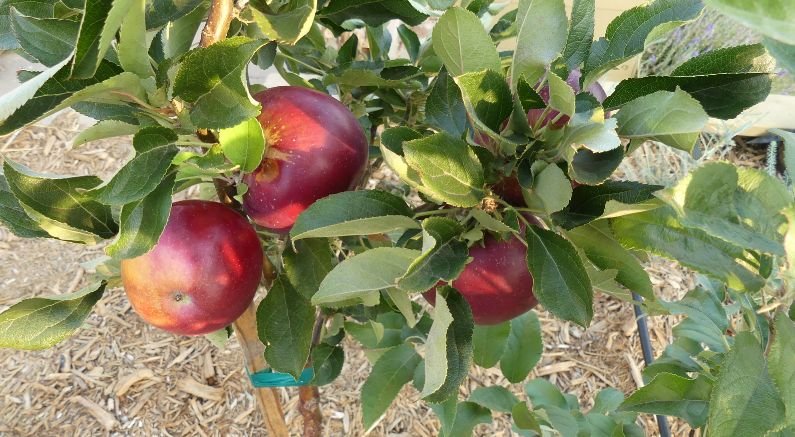
The fruit has a deep rich red to black color that distinguishes it from all other apples. The flavor is a wonderfully unique and sweet taste to which there are few comparisons, often defined as if it were a fine wine.

Arkansas Black has become best known for its ability to be stored for 3 to 4 months and - like a fine wine - it just continues to improve in quality. In fact, the Arkansas Black apple is a difficult apple to eat directly off the tree; it is hard as a rock, almost impossible to bite into and really lacks any flavor to speak of.

When picked and stored in temperatures of 50 degrees or less (such as the refrigerator), the Arkansas Black Apple begins to mellow into one the finest dessert apples known. The hard texture softens to a pleasant crispness, and the flesh comes alive with a unique musky, sweet flavor not found in any other apple. This process of refinement just continues with storage, with each Arkansas Black Apple tasting just a hint better than the last.

Arkansas Black is a highly desirable cider apple, as well as a great cooking and applesauce selection. Of course, it is second to none when fully ripe for fresh eating.

Arkansas Black is an apple that requires a pollinator and is a perfect addition to ones already-established apple collection. If you are just getting started and your desire is to enjoy an Arkansas Black, be sure to include a self-fruitful selection like Golden Delicious or Empire apple as a pollinator. Not only will this ensure a great crop, but it will also extend your apple enjoying season with early selections and the Arkansas Black, which ripens later in the season.

Plant Arkansas Black where it gets a full day of sunlight and always mulch well. Mulching well is particularly important in the hotter, drier climates where Arkansas Black will be protected from getting a sun spot on the sun side of the fruit. Mulching keeps the root cool and helps to avoid premature fruit drop, which is common in hot/dry climates. Mulching is a benefit in all climates as it improves the soil beneath the tree and cuts the amount of water needed throughout the season.

Finally, the Arkansas Black is very disease resistant, which just adds to the value to the home gardener, as most of the common apple diseases will not interfere with successfully growing and cropping this jewel. With the enormous selection of apples one has to choose from, the Arkansas Black is one that should rise to the top of the list of considerations.

Previous Next

Frequently Asked Questions

Are there black apples?

Yes, the Arkansas Black apple produces fruit with a deep rich red to black color that distinguishes it from all other apple varieties. This historic variety, discovered in Arkansas in the mid-1800s, thrives in USDA zones 5a through 10 and can tolerate temperatures from minus 15°F to over 110°F. The apples develop their distinctive dark coloration as they mature and are best stored at 50°F or below for 3-4 months to develop their premium wine-like flavor. Plant Arkansas Black if you want a unique storage apple that improves with time.

Are arkansas black apples good?

Arkansas Black apples are exceptional when properly stored, transforming from hard, flavorless fruit at harvest into one of the finest dessert apples with a unique musky-sweet flavor. They excel in storage, improving for 3-4 months when kept at 50°F or below, and adapt to diverse climates from USDA Zone 5a through Zone 10. The key is patience: avoid eating them fresh off the tree and instead refrigerate them to develop their distinctive wine-like complexity. Plan to harvest in fall and store refrigerated for at least several weeks before enjoying.

What is an arkansas black apple?

The Arkansas Black apple is a distinctive heirloom variety discovered in Arkansas in the mid-1800s, known for its deep red to nearly black skin color and exceptional storage capabilities. This adaptable apple thrives in USDA zones 5a through 10, tolerating temperatures from minus 20 degrees to over 110 degrees. The fruit requires 3-4 months of cold storage at 50 degrees or below to develop its signature sweet, musky flavor and proper texture. Pick Arkansas Black apples in fall and store them in your refrigerator for the best eating experience.

How do I prune an Arkansas Black apple tree for optimal growth and fruit production?

Prune Arkansas Black apple trees during late winter dormancy (February-March in zones 4-8) by removing dead, diseased, and crossing branches first. Open the center canopy by removing vertical water sprouts and maintaining 3-4 main scaffold branches spaced 6-8 inches apart vertically. Annual pruning should remove about 20% of the previous year's growth to encourage fruit spur development. Focus on creating an open vase shape that allows sunlight penetration and air circulation throughout the tree.

What USDA hardiness zones is the Arkansas Black apple suitable for growing in?

The Arkansas Black apple demonstrates exceptional climate adaptability, thriving in USDA hardiness zones 5a through 10. This variety can withstand extreme temperatures from minus 15-20 degrees Fahrenheit in zone 5a to over 110 degrees Fahrenheit in hot inland valleys. It also performs well in moderate coastal zones 8a and 8b. Plant Arkansas Black if you're anywhere within this wide zone range for a reliable, long-storing apple variety.

How many chill hours does the Arkansas Black apple tree require?

The Arkansas Black apple tree requires approximately 800-1,000 chill hours to produce fruit properly. This moderate chill requirement makes it well-suited for USDA zones 5a through 10, where it can handle both cold winters down to -15°F and hot summers exceeding 110°F. Choose Arkansas Black if you're in these zones and want a reliable apple variety that stores exceptionally well for 3-4 months after harvest.

What type of soil and pH level does the Arkansas Black apple prefer?

The Arkansas Black apple thrives in well-draining soil with a pH between 6.0-7.0, though it tolerates a wider range from 5.5-7.5 due to its exceptional adaptability. This variety performs well in various soil types including loam, sandy loam, and clay loam, as long as drainage prevents waterlogged conditions. For best results, amend heavy clay soils with compost or organic matter before planting, and ensure your planting site receives full sun with at least 6-8 hours of direct sunlight daily.

Does the Arkansas Black apple tree need a pollinator, and what varieties work best?

Yes, Arkansas Black apple trees require cross-pollination from another apple variety to produce fruit. Excellent pollinator partners include Granny Smith, Gala, Fuji, and Honeycrisp, which bloom at compatible times in mid-season. Plant your pollinator tree within 50 feet of your Arkansas Black for best results, or consider grafting multiple varieties onto one tree if space is limited.

How much sunlight does an Arkansas Black apple tree need daily?

Arkansas Black apple trees require full sun, meaning at least 6-8 hours of direct sunlight daily for optimal fruit production and tree health. Like most apple varieties, insufficient sunlight will result in poor flowering, reduced fruit set, and increased susceptibility to disease. Plant your Arkansas Black in the sunniest location available in your yard, avoiding areas shaded by buildings, fences, or other trees during peak daylight hours.

When is the best time to plant an Arkansas Black apple tree, and how do I prepare the planting hole?

The best time to plant Arkansas Black apple trees is in early spring after the last frost or in fall 4-6 weeks before the first hard freeze, allowing the roots to establish before extreme weather. Dig a planting hole twice as wide as the root ball but no deeper, ensuring the graft union sits 2-3 inches above the soil line. Arkansas Black thrives in USDA zones 5a-10, adapting well to both hot inland valleys and cold winter climates. Amend heavy clay soils with compost for drainage, and water thoroughly after planting to eliminate air pockets around the roots.

Find Your Garden's Growing Zone!

Your Current Growing Zone:

Zone

ZIP Code:

✓ Growing Zone Set Successfully!

Your zone has been saved and will be used throughout the site.

⚠ Unable to locate a growing zone for that ZIP code.

Please check your ZIP code and try again.

Looking up your growing zone...

When ordering a tree or plant, make sure to know your planting zone.

You can determine your garden's USDA hardiness zone by entering your Zip Code below.