

Yaku Prince Rhododendron
Rhododendron 'Yaku Prince'
This one's sold out. These are ready to ship
Other Azalea varieties
-

Rhododendron x 'Nova Zembla'
Regular price From $9724Unit price /Unavailable -

-

-

Rhododendron x 'Girard's Crimson'
Regular price From $3386Unit price /Unavailable -

Perfecto Mundo Epic Pink® Reblooming Azalea
Rhododendron x 'NCRX9'
Regular price $2633Unit price /Unavailable -

-

Holden's™ Pink Flare Rhododendron
Rhododendron 'HoldenRhodo201' PP33,594
Regular price $10939Unit price /Unavailable -
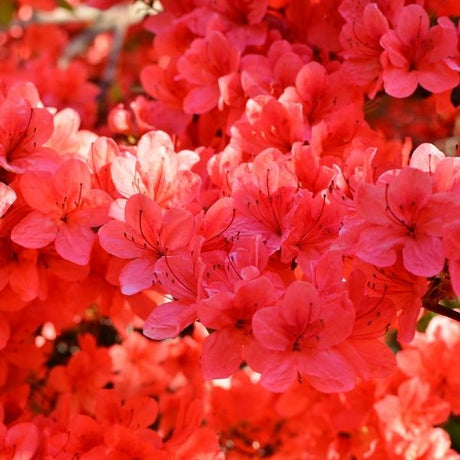
Rhododendron x 'Stewartstonian'
Regular price From $3376Unit price /Unavailable


Plant Sentry™ Protected
Your order is protected by our compliance system that:
- Prevents restricted plants from shipping to your state
- Ensures plants meet your state's agricultural requirements
- Protects gardens from invasive pests and diseases
Specifications
| Plant Characteristics | Cold hardy, Evergreen, Reblooming, Compact/Dwarf, Flowering, Container Friendly, Attracts pollinators |
|---|---|
| Hardiness Zone | 4a to 8b |
| Sunlight | Full sun, Partial shade |
| Height | |
| Width | |
| Watering Needs | Moderate |
| Preferred Soil | Loamy, Peaty, Sandy |
| Growth Rate | Slow |
| Growth Habit | Bushy |
| Blooms In | Spring |
| Flower Color | Pink |
| Foliage Color | Green |
| Pet Safety | Toxic to pets, Toxic to horses |
| Suitable Space | Outdoors |
| Plant Name | Azalea |
| Botanical Name | |
| Species | |
| Cultivar | |
| Class | Ericales, Magnoliopsida |
| Does Not Ship To | AK, HI, ID, MT, PR |
Description
Yaku Prince Rhododendron (Rhododendron yakushimanum 'Yaku Prince') is one of the most cold-hardy and compact rhododendrons you can grow, making it perfect for gardeners who struggle with the fussy nature of traditional rhododendron varieties. This evergreen shrub, sometimes simply called Yakushima Rhododendron after its native island off the coast of Japan, was bred for superior cold tolerance and disease resistance while maintaining the stunning flower display rhododendrons are famous for.
Late Spring Spectacle
In late spring, Yaku Prince transforms into a flower-covered mound when hundreds of shell pink trumpet-shaped blooms open in tight, rounded clusters at the branch tips. Each ball-shaped truss holds 14 individual flowers that start as lavender-pink buds, then open to reveal lighter pink petals with white overtones and distinctive red spots and blotches on the upper petals. The overall effect creates a soft, romantic display that lasts for weeks. Unlike some rhododendrons that look scraggly between bloom periods, Yaku Prince maintains its tidy, well-branched form year-round.
Distinctive Foliage
The foliage sets Yaku Prince apart from other rhododendrons even when not in bloom. Olive green leaves measure 3 to 5 inches long with a unique feature that makes this cultivar instantly recognizable: the undersides are coated with a thick, tan to light brown felt-like covering called indumentum. This fuzzy coating creates a beautiful suede-like effect when wind lifts the leaves and adds textural interest throughout the year. The evergreen foliage provides structure and color even in the depths of winter.
Landscape Uses and Companions
The compact 3 to 4 foot mature size makes Yaku Prince ideal for smaller gardens where space is limited. Use it as a foundation planting near entryways where you can appreciate the spring blooms up close, or tuck it into mixed borders alongside other acid-loving plants like azaleas, mountain laurel, and pieris. The slow growth rate means this rhododendron stays in scale without requiring constant pruning. Underplant with spring bulbs like daffodils and early bloomers like hellebores that appreciate the same acidic soil and dappled shade. The dense, rounded habit also makes Yaku Prince effective as a low hedge or repeated accent plant along woodland paths.
Exceptional Cold Hardiness
Yaku Prince stands out among rhododendrons for its remarkable cold tolerance, surviving temperatures down to minus 15 degrees F without damage. This exceptional hardiness extends the range where you can successfully grow rhododendrons, allowing gardeners in zone 4 to enjoy these spectacular flowering evergreens. The plant's ability to survive harsh winters while maintaining its flower buds makes it infinitely more reliable than less hardy varieties that disappoint with minimal bloom after cold snaps damage developing buds.
Why Yaku Prince Belongs in Your Garden
If you've been intimidated by rhododendrons or disappointed by varieties that failed to thrive, Yaku Prince offers a more forgiving entry point. The combination of exceptional cold hardiness, compact size, low maintenance requirements, and spectacular spring blooms makes this cultivar a standout choice for acid-soil gardens. With proper siting in acidic, well-drained soil and consistent moisture, Yaku Prince will reward you with decades of reliable performance and increasingly impressive flower displays as the plant matures.
Planting & Care
Delivery and Shipping
Shipping Rates
Ships in 3-5 business days • Tracking provided • Weather protected
| Under $50 | $9.99 |
| $50 - $99.99 | $14.99 |
| $100 - $149.99 | $16.99 |
| $150 - $198.99 | $24.99 |
| $199+ | FREE |
✓ Zone-specific timing • ✓ Professional packaging • ✓ Health guarantee
Find on Page
Type to search specs, description, care, FAQ, and shipping.

