
-
Lupinus polyphyllus 'Chandelier'
Sold outRegular price $2978Unit price /Unavailable -
-

-

Iris × germanica ‘Halston’
Sold outRegular price $4063Unit price /Unavailable -
Helenium autumnale ‘Siesta’ PP 25,969
Sold outRegular price $3229Unit price /Unavailable -

Lupinus polyphyllus 'Noble Maiden'
Sold outRegular price $2968Unit price /Unavailable -
-
-
Lupinus polyphyllus ‘Gallery Pink’
Sold outRegular price $3001Unit price /Unavailable -
-

-
Hibiscus 'Blackberry Merlot' PP 33,498
Sold outRegular price $6244Unit price /Unavailable -
-
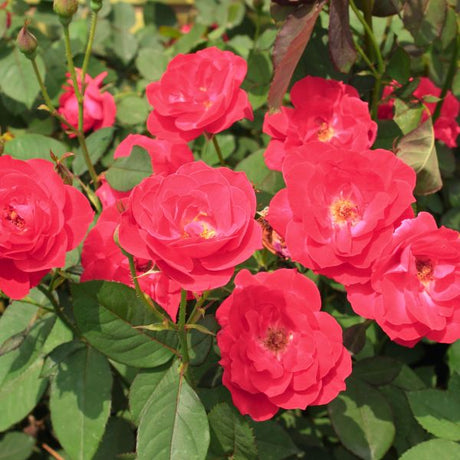
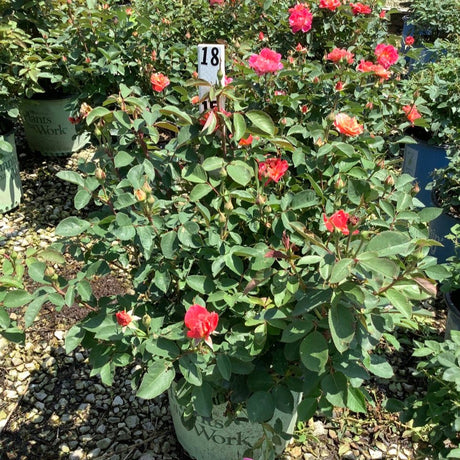
Coral Miracle On The Hudson™ Rose
Rosa 'RIPfirst'
Sold outNew arrivalRegular price $7626Unit price /Unavailable -
-
Lupinus polyphyllus 'Staircase Yellow'
Sold outRegular price $4980Unit price /Unavailable -




FAQ's for Buying Zone 5 Plants FAQs Online
What is USDA Hardiness Zone 5?
What is USDA Hardiness Zone 5?
Zone 5 covers areas with average annual minimum temperatures between -20°F and -10°F. It spans the Midwest, Mid-Atlantic, parts of Colorado, and the Pacific Northwest interior. Zone 5 is one of the most common growing zones in America, supporting an enormous range of plants.
What perennials bloom all summer in Zone 5?
What perennials bloom all summer in Zone 5?
Top summer-long bloomers for Zone 5 include Echinacea (Coneflower), Black-Eyed Susan, Salvia, Catmint, Daylilies, Blanket Flower, and repeat-blooming Roses. Deadheading mid-season encourages a second flush of blooms that carries color well into fall.
Can clematis grow in shade in Zone 5?
Can clematis grow in shade in Zone 5?
Yes. Several clematis varieties perform well in partial shade in Zone 5, including Sweet Autumn Clematis and many large-flowered hybrids. The classic rule is "head in the sun, feet in the shade," meaning clematis prefers cool, mulched roots with foliage reaching toward light.
When is the best time to plant in Zone 5?
When is the best time to plant in Zone 5?
Zone 5 offers a long planting window from late April through mid-October. Spring planting (April-June) and fall planting (September-October) are ideal. Avoid planting during peak summer heat in July-August unless you can provide consistent watering.
What are the best shade trees for Zone 5?
What are the best shade trees for Zone 5?
Popular Zone 5 shade trees include Red Maple, Sugar Maple, Northern Red Oak, Tulip Poplar, Sweetgum, and Honeylocust. For smaller spaces, Japanese Maple, Redbud, and Dogwood provide shade with ornamental value.
