Free Shipping on Orders $199+

Growing Zone: | Garden in
Find your Growing Zone!

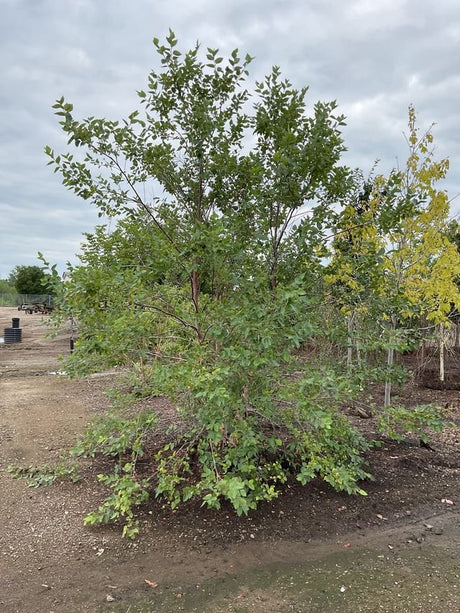
Fox Valley™ River Birch

Betula nigra 'Little King'

  • Hardy in zones 4-9, thrives in wet or clay soil that challenges other trees
  • Compact 10-12 ft size with gorgeous exfoliating bark in shades of cream, salmon, and cinnamon year-round
  • Native North American tree that's deer resistant and requires minimal maintenance once established
  • Golden yellow fall color and early spring catkins provide multi-season interest in small landscapes
Regular price $11760
Shipping calculated at checkout.
In Stock
Plant not supported in Growing Zone. Update address

Unfortunately, this item cannot be shipped to your state.

Shipping to a different address?

Shipping to your area may be delayed due to weather conditions.

Shipping to a different address?

Enter your ZIP code to check shipping availability.

Find your Growing Zone
Plant Size

Planting & Care

Where to Plant

Sunlight: Provide at least six hours of direct sun daily for best growth and bark color development. Tolerates partial shade but may grow more slowly and develop a more open habit.

Soil: Thrives in moist, acidic soil but adapts to clay, loam, or sandy conditions. This is one of the few trees that actually prefers consistently moist locations and will tolerate wet areas where other trees fail. Avoid extremely dry sites.

Watering Requirements

Water deeply twice weekly during the first two growing seasons to establish a strong root system. Once established, Fox Valley River Birch tolerates brief dry periods but performs best with consistent moisture. In dry climates or during drought, provide supplemental water to prevent leaf scorch and maintain the tree's vigor.

Pruning Tips

Prune in late summer or fall to avoid heavy sap bleeding common in birches pruned during spring. Remove any dead, damaged, or crossing branches to maintain the natural rounded form. Minimal pruning is needed as this cultivar naturally maintains a compact, attractive shape.

Fertilizer Needs

Apply a balanced, slow-release fertilizer in early spring before new growth emerges. A 10-10-10 formulation works well for established trees. Avoid high-nitrogen fertilizers in late summer as they encourage tender growth that won't harden off before winter, making the tree more susceptible to cold damage.

Delivery and Shipping

Preorder Shipping Schedule

We ship your plants when it's safe to transport them to your zone. Dates are estimated and subject to weather delays.

Zone 3-4 Week of March 30th
Zone 5 Week of March 16th
Zone 6-12 Week of March 2nd


Shipping Rates

Ships in 7-10 business days • Tracking provided • Weather protected

Under $50 $9.99
$50 - $99.99 $14.99
$100 - $149.99 $16.99
$150 - $198.99 $24.99
$199+ FREE

✓ Zone-specific timing • ✓ Professional packaging • ✓ Health guarantee

Description

Fox Valley River Birch (Betula nigra 'Little King') brings all the beauty of native River Birch in a garden-friendly size that fits today's smaller landscapes. This Chicagoland Grows® introduction stays a manageable 10-12 feet tall and wide, a fraction of the species size, while showcasing the signature exfoliating bark that makes River Birch so prized. The peeling bark reveals layers of cream, salmon-pink, and cinnamon that create year-round visual interest even in the dead of winter.

Multi-Season Performance

Spring arrives with dangling yellow-brown catkins before the leaves emerge, providing early interest and pollen for native bees. The glossy green foliage forms a dense, rounded canopy that provides dappled shade throughout summer. As temperatures drop in fall, the leaves turn a clear golden yellow before dropping to reveal the tree's architectural framework and stunning bark.

Perfect for Problem Spots

River Birch is native to floodplains and streambanks throughout the eastern United States, which makes Fox Valley exceptionally tolerant of wet, poorly-drained sites where other trees struggle. Plant it in that low spot in your yard that stays soggy, near a rain garden, or along a water feature. It also handles heavy clay soil that frustrates many gardeners. Unlike European White Birch, River Birch resists bronze birch borer, a serious pest that plagues non-native birches.

Landscape Design Versatility

The compact size makes Fox Valley River Birch ideal for smaller properties, courtyards, or as a specimen tree in mixed borders. Plant it where you can appreciate the bark up close - near patios, alongside walkways, or outside frequently-used windows. The rounded form works well in groupings of three for a naturalistic grove effect without overwhelming the space. It's also deer resistant, making it valuable in areas with browsing pressure.

Native with Modern Appeal

As a native cultivar, Fox Valley supports local ecosystems while providing the refined appearance homeowners want. The tree hosts native caterpillars that feed songbirds, and the early catkins provide pollen when little else is blooming. You get the environmental benefits of planting native species with the predictable size and form that make landscape planning easier. This is a tree that proves native plants can be both ecologically valuable and garden-worthy.

Frequently Asked Questions

How tall and wide does Fox Valley™ River Birch grow at maturity?

  • Fox Valley™ River Birch reaches 10-12 feet tall and wide at maturity. This compact size is a fraction of the native species, making it perfect for smaller landscapes and urban gardens. Plant it where you can appreciate the stunning exfoliating bark up close.

Does Fox Valley™ River Birch tolerate full sun or partial shade?

  • Fox Valley River Birch thrives in both full sun and partial shade conditions. Its native heritage makes it adaptable to varying light levels, though full sun promotes the best fall color and densest branching. Plant where it receives at least 4-6 hours of direct sunlight daily for optimal performance.

Is Fox Valley™ River Birch resistant to bronze birch borer?

  • Yes, Fox Valley River Birch is resistant to bronze birch borer, a serious pest that commonly affects non-native birches like European White Birch. This native River Birch cultivar has natural resistance to this destructive insect. Choose Fox Valley over European birch varieties in areas where bronze birch borer is a concern.

Can Fox Valley™ River Birch handle wet or clay soils?

  • Fox Valley River Birch excels in wet, poorly-drained sites and heavy clay soils where other trees struggle. Its native floodplain genetics make it exceptionally tolerant of soggy conditions. Plant it in that problem low spot in your yard or near rain gardens.

When is the best time to prune Fox Valley™ River Birch?

  • Prune Fox Valley River Birch during dormancy from late fall through early spring before buds break. This timing prevents excessive sap bleeding and reduces stress on the tree. Focus on removing dead, damaged, or crossing branches to maintain its natural rounded form.

What fertilizer should I use for Fox Valley™ River Birch?

  • Fox Valley River Birch thrives with minimal fertilization due to its native adaptability. Apply a balanced 10-10-10 fertilizer in early spring before leaf emergence, or use compost around the base annually. Avoid over-fertilizing, as this compact cultivar naturally stays 10-12 feet without heavy feeding.

How is Fox Valley™ River Birch shipped from nurseries?

  • Fox Valley River Birch typically ships as a containerized plant or balled-and-burlapped specimen, depending on size and season. The compact 10-12 foot mature size means younger trees ship easily in containers. Plant immediately upon arrival or keep the root ball moist if planting must be delayed.

Will Fox Valley™ River Birch survive drought once established?

  • Fox Valley River Birch has moderate drought tolerance once established, though it naturally prefers consistent moisture. As a floodplain native, it thrives in wet conditions but can adapt to drier sites after the first year. Water deeply during extended dry spells for best performance.

Is Fox Valley™ River Birch suitable for small gardens or urban yards?

  • Fox Valley River Birch stays just 10-12 feet tall and wide, making it perfect for small gardens and urban spaces. This compact native handles challenging conditions like wet soil and tight spaces while delivering year-round interest through its signature peeling bark. Plant it near patios or walkways where you can enjoy the cream, salmon, and cinnamon bark colors up close.

Find Your Garden's Growing Zone!

Your Current Growing Zone:

Zone

ZIP Code:

✓ Growing Zone Set Successfully!

Your zone has been saved and will be used throughout the site.

⚠ Unable to locate a growing zone for that ZIP code.

Please check your ZIP code and try again.

Looking up your growing zone...

When ordering a tree or plant, make sure to know your planting zone.

You can determine your garden's USDA hardiness zone by entering your Zip Code below.