


Silver Mound
Artemisia schmidtiana


Plant Sentry™ Protected
Your order is protected by our compliance system that:
- Prevents restricted plants from shipping to your state
- Ensures plants meet your state's agricultural requirements
- Protects gardens from invasive pests and diseases
Specifications
| Sunlight | Full sun |
|---|---|
| Height | |
| Width | |
| Growth Rate | Moderate |
| Watering Needs | Low |
| Preferred Soil | Chalky, Loamy, Sandy |
| Landscape Use | Rock Garden, Border, Mass Planting, Slope Planting, Cutting Garden |
| Growth Habit | Compact, Spreading, Upright |
| Blooms In | Spring |
| Flower Color | Green |
| Plant Life Cycle | Perennial |
| Pet Safety | Toxic to pets |
| Plant Characteristics | Cold hardy, Low Maintenance, Compact/Dwarf, Deer-resistant, Fragrant, Heat Tolerant, Drought resistant, Container Friendly, Mosquito Repelling |
| Botanical Name | |
| Does Not Ship To | AK, HI, ID, MT, PR, VI |
Description
Sweet, Soft, Silky, and Silver
- Silky Soft Foliage
- Rabbit & Deer Resistant
- Loves Sun and Drier Soil
The Artemisia 'Silver Mound', Artemisia schmidtiana, is a wonderful soft, silky, silver-gray accent that is useful in many gardens.
'Silver Mound' is a non-spreader and produces small yellow flowers. The foliage has a wonderful aroma.
'Silver Mound' needs full sun and will grow well in average, well-drained soil. It well do best in low humid areas but is drought tolerant.
Its excellent foliage goes great in front of borders to set your garden apart from the rest.
Try 'Silver Mound' with Echinacea 'Purple Coneflower' or Rudbeckia 'Black Eyed Susan' to add interest in your garden or to accent fresh or dried flower arrangements.
Use Silver Mound as edging, groundcover, or in containers. Divide every 2 or 3 years in the early spring or fall to maintain the plants vigor.
Planting & Care
Delivery and Shipping
Shipping Rates
Ships in 3-5 business days • Tracking provided • Weather protected
| Under $50 | $9.99 |
| $50 - $99.99 | $14.99 |
| $100 - $149.99 | $16.99 |
| $150 - $198.99 | $24.99 |
| $199+ | FREE |
✓ Zone-specific timing • ✓ Professional packaging • ✓ Health guarantee
Find on Page
Type to search specs, description, care, FAQ, and shipping.

There is something very soothing about silver-colored foliage in the high desert—it relaxes the eyes. This little plant is already standing out. I wonder if it will have a strong fragrance when I prune it back next year. Artemisia is for people who like to touch plants. I'm looking forward to finding out.
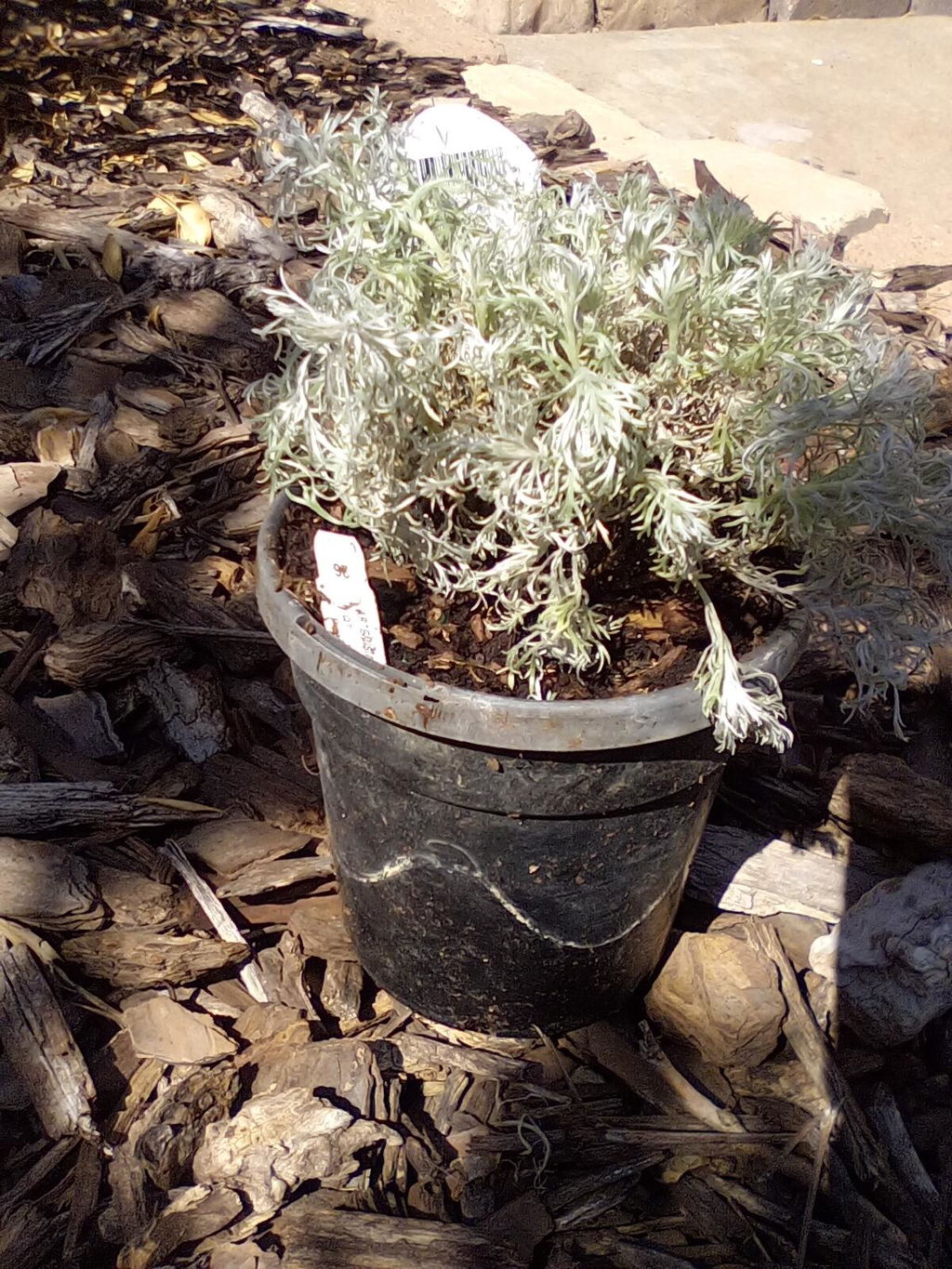
Silver mound artemisia really does belong in the high desert. That soft, silvery foliage evolved to handle intense sun and dry conditions, so it should feel right at home for you. As for fragrance, pruning in late spring tends to release the most scent, and the texture of the foliage is part of the whole experience. Looking forward to hearing how it settles in.
Got quite a few. They seemed to be packed well (even though delivery driver tossed and dropped them upside down 🙃 ). Some of the plants look lob-sided and have a few broken branches. Hoping it takes root quickly and fills in the other half.
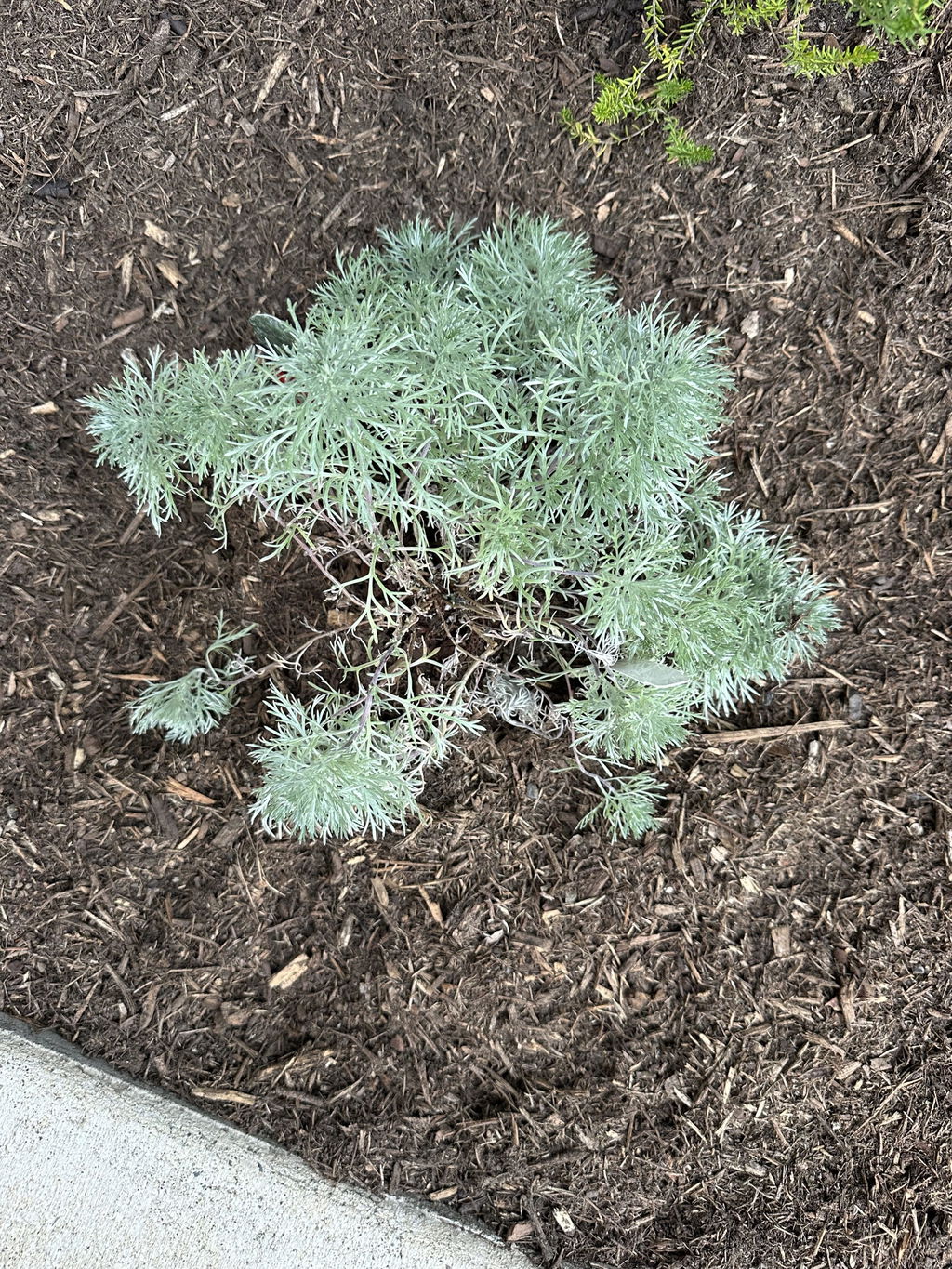
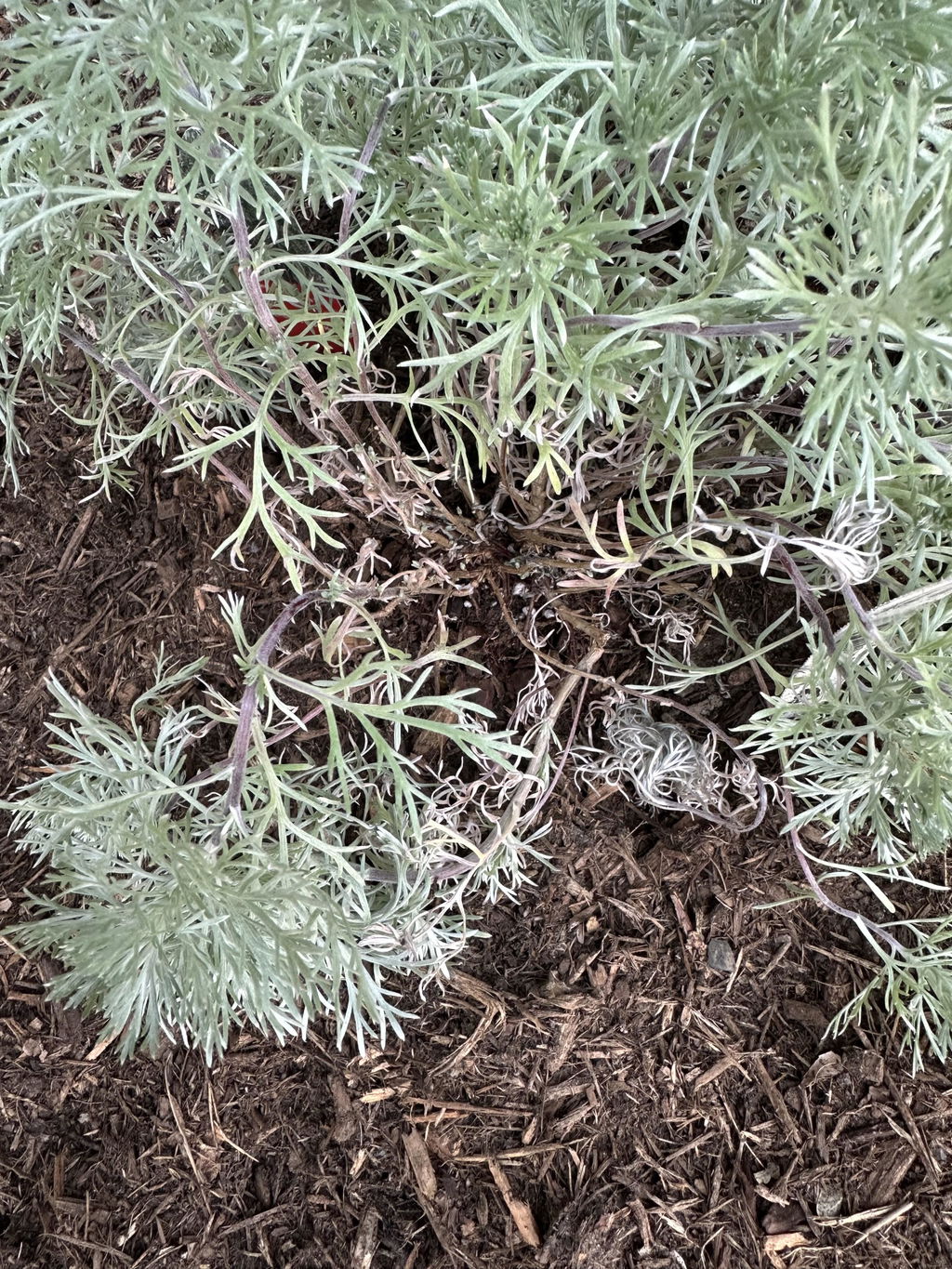
Carrier handling is genuinely outside our control, so it is frustrating when plants arrive rough despite good packing. Silver Mound is resilient though, and once it settles in and starts putting on new growth it tends to fill out evenly on its own. If any of the plants struggle to bounce back, reach out to our support team and they will take a look at what happened. Fingers crossed for a quick root-in for you. -The Nature Hills Team
I just received my first order and I can not be more pleased! My Customer Service question was answered promptly. I ordered 8 different plants in different sizes and they were shipped promptly. There was such care taken in packaging these plants that they all arrived in great condition. They were EXACTLY the size advertised and very very healthy. I have ordered plants online from other sites and have always been disappointed but I am completely thrilled with this site. These folks are the real deal! I finally have a great source for plants I can not easily get locally. I can’t wait to order again!!
Eight plants across different sizes, all arriving true to spec and in good shape. that is exactly how it should go, and it sounds like everything came together well for your first order. Silver Mound is a great choice, by the way. it tends to stay tidy and low through the season, but a light trim after the summer heat can keep it from opening up in the center. We look forward to helping you track down more hard-to-find varieties.
Have a rabbit problem? Plant the Silver Mound! I have rabbits galore and this plant seems to escape their attention. I have noticed this for several years now, so I am pretty sure the Silver Mound is not a favorite food for them.
Hi Joe,
Thank you so much for sharing your experience with the Silver Mound! We're delighted to hear that this plant is helping you keep those rabbit visitors at bay. It's great to know it remains a rabbit-resistant option in your garden year after year—plants like these are truly valuable allies for gardeners facing similar pests.
If you’re interested, we have additional recommendations for rabbit-resistant companions to Silver Mound, which might provide even more peace of mind and diversity in your landscaping. Feel free to check out our blog or contact us anytime for tailored suggestions.
Wishing you happy planting,
The Nature Hills Plant Experts
Have a rabbit problem? Plant the Silver Mound! I have rabbits galore and this plant seems to escape their attention. I have noticed this for several years now, so I am pretty sure the Silver Mound is not a favorite food for them.
Hello Joe,
Thank you so much for sharing your experience with the Silver Mound! We're delighted to hear that this lovely, soft-textured plant has successfully stayed off the radar of your frequent rabbit visitors. It’s always great to know our plants not only add beauty but also offer practical benefits like natural pest resistance.
If you’re interested in expanding your rabbit-resistant garden, some other great options include lavender, rosemary, and ornamental grasses—these plants seem to repel rabbits too and can complement the Silver Mound beautifully. Additionally, maintaining a perimeter with plants they tend to avoid may help create a deterrent zone around your garden.
Feel free to reach out if you’d like more tips on attracting beneficial wildlife or managing gardening challenges. Thanks again for your thoughtful review!
Rooting for your garden’s success,
Your Nature Hills Plant Care Team
The Silver Mound is the best plant in my Enbglish Gardens. It is so soft to touch and silvery-sage in color. It is a very hardy plant that looks like a ball when full grown. You will love it!
Hello Sandman,
Thank you so much for sharing your bright and lovely review of the Silver Mound! We’re truly delighted to hear how well it complements your English Gardens with its soft texture and striking silvery-sage hue. It’s wonderful to know this hardy plant is thriving and bringing such beauty to your space.
If you’re interested in enhancing your garden further, the Silver Mound pairs beautifully with perennial companions like lavender or ornamental grasses, creating stunning textural contrasts and long-lasting garden interest. Plus, its low maintenance makes it ideal for effortlessly boosting visual appeal.
Please don’t hesitate to reach out if ever you want planting tips or ideas to cultivate your garden’s beauty even more.
Bloom on,
The Nature Hills Plant Knowledge Team
The Silver Mound is the best plant in my Enbglish Gardens. It is so soft to touch and silvery-sage in color. It is a very hardy plant that looks like a ball when full grown. You will love it!
Hello Sandman,
Thank you so much for taking the time to share your wonderful experience with the Silver Mound! We’re thrilled to hear it’s such a standout in your English Gardens. Its soft texture and silvery-sage hue truly make it a lovely, adaptable addition that can add lovely texture and resilience to any landscape. The way you describe it as forming a perfect ball when mature is spot on—great recognition of one of its charming features!
If you ever want tips on integrating Silver Mound with other plants or caring for it through different seasons, feel free to reach out. It pairs especially well with early spring blooms and plants that thrive in similar conditions.
Thanks again for your heartfelt review—readers here and future gardeners alike truly benefit from your insights.
Rooting for your garden’s success,
Your Nature Hills Plant Care Team
