


Annabelle Hydrangea
Hydrangea arborescens 'Annabelle'


Plant Sentry™ Protected
Your order is protected by our compliance system that:
- Prevents restricted plants from shipping to your state
- Ensures plants meet your state's agricultural requirements
- Protects gardens from invasive pests and diseases
Specifications
| Hardiness Zone | 3a to 9b |
|---|---|
| Sunlight | Full sun, Partial shade |
| Height | |
| Width | |
| Growth Rate | Moderate |
| Watering Needs | Moderate |
| Preferred Soil | Chalky, Clay, Loamy, Peaty, Sandy |
| Landscape Use | Border, Mass Planting, Woodland Garden, Slope Planting, Rain Garden |
| Growth Habit | Bushy, Compact, Spreading |
| Blooms In | Summer, Fall |
| Flower Color | White, Green |
| Foliage Color | Green |
| Native | Yes |
| Native To |
Alabama,
Arkansas,
Delaware,
Florida,
Georgia,
Illinois,
Indiana,
Kentucky,
Louisiana,
Maryland,
Mississippi,
Missouri,
New Jersey,
New York,
North Carolina,
Ohio,
Oklahoma,
Pennsylvania,
South Carolina,
Tennessee,
Vermont,
Virginia,
Washington DC,
West Virginia
+18 moreshow less |
| Pet Safety | Toxic to pets, Toxic to horses |
| Plant Characteristics | Attracts pollinators, Flowering, Drought resistant |
| Botanical Name | |
| Does Not Ship To | AK, HI, ID, MT, PR |
Description
Long Season of Beautiful Blooms Annabelle Hydrangea
- Huge White Flower Heads
- Bloom Last through Summer, Fall and Winter
- Very Dependable Performance
- Cut and Dried Flowers Make Incredible Indoor Decorations
- Sophisticated Classic
- Easy to Grow
- Adaptable, No Need to Fuss with Soil pH
- Sun or Partial Shade
- Prune Once in Early Spring
- Attracts pollinators
This outstanding ornamental shrub effortlessly elevates the tone of your landscape. Annabelle Hydrangea (Hydrangea arborescens 'Annabelle') makes a showy display of its pristine white flower color and enormous mopheads.
Plant them near a high traffic area. You won't want to miss a moment of this plant's spectacular blooms.
Annabelle Hydrangea was discovered in 1910 and remains one of the most popular landscape plants grown, with good reason. It can be grown over a wide range of hardiness zones, is easy and carefree, and produces the most incredible flower heads of sterile florets that can be a foot across.
The flower display is really the best. Massive, white, round balls are held above the foliage and have a showy bloom time from summer into winter.
Annabelle Hydrangea shrub is a star in every landscape. Fresh new green stems will produce massive flowers by June. Enjoy the flowers in the landscape on the plant and steal some blooms as needed throughout the summer for bouquets.
This is a dependable, proven performer that delivers spectacular blooms every single year. Dark-green foliage and sturdy stems are the perfect contrast for the pristine white flowers.
Hydrangea 'Annabelle' begins to create its stunning blooms in June and continues to be showy until it gets buried in snow. You'll be thrilled by the dazzling display of elegant Annabelle flowers throughout most of the year.
You'll look and hard to find another low-maintenance flowering shrub that grows as easily. It flourishes all across the country in just about any soil.
Use it throughout your landscape as a classy, structured plant. Order enough to complete your project today!
Here they'll dry and remain on the plant all winter long if you let them. We suggest that you leave them up for winter interest! You'll enjoy noticing how the dried blooms catch and sculpt the drifting snow.
You'll never be without beautiful blooms for cut flower arrangements. Stock up on cunning vases in a variety of shapes, as you'll want to use them throughout the house.
In fall, you can also start cutting dried flowers to bring indoors for use in seasonal dried arrangements. Punch up their impact with a light touch of coordinating, creamy white or metallic spray paint.
Mix up your plantings of Hydrangeas; Annabelles paired with the round Incrediball and the Limelight Hydrangea paniculata for an eye-catching display! A mixture of the different lacecap, mophead and panicle Hydrangea blooms looks incredible and you can enjoy reblooming varieties, different colors and sizes!
#ProPlantTips for Care
Unlike other, fussier Hydrangeas, you won't have to mess around with soil pH with Annabelle like you would bigleaf macrophylla Endless Summer Hydrangeas. This deciduous Smooth Hydrangea variety is adaptable to most soils, as long as they drain quickly. The root systems won't tolerate standing water, for long. However, Annabelle can be used near the edge of Rain Gardens.
Hardy in USDA growing zones 3-9, this variety has minimal pruning requirements and growing Hydrangeas like this is very easy. It blooms on new wood, so each year, you'll start over.
Get out there every year in late winter, early spring. You'll simply snip all branches down to the ground and remove them. New shoots will grow and develop each year.
We recommend pruning Annabelle Hydrangea in spring, rather than fall. That way, you get a chance to enjoy the interesting dried flower heads all winter long. You need something to look at!
Annabelle performs best with full sun exposure of 6 hours of sunlight a day to produce a glorious flower display. Sunlight also allows the growth of nice, sturdy stems that effortlessly hold the huge blooms aloft.
The plant will tolerate a partial sun or part shade position—such as the east side of a house - but not full shade. Please ensure they receive at least 4 hours of light a day where you decide to place them. Dappled shade and afternoon shade are best.
However, don't plant Annabelle in full shade positions. If they don't receive enough sunlight, they will develop thinner stems that may have trouble supporting the large flower heads. Full shade will also limit flower production.
It can take more sun than most people think, especially if you provide a nice, thick layer of mulch over the root ball. Give Annabelle Hydrangea as much sun as you can by pruning nearby trees.
Provide an even amount of regular water, especially early in the season during flower development. Protect young plants with supplemental water as needed.
Use this easy test to see if your new plant needs water. Poke your finger into the nearby soil (yes, you can wear gloves). If it feels moist, no need to water that day. Check again tomorrow. If the ground is starting to get dry, give your new plant a nice long drink.
The massive, rounded, mophead flowers are actually corymbs that are comprised of many sterile florets. No need to worry about self-seeding or spreading out of bounds.
Whether this is your first yard, or your fifth - you will never regret using Annabelle Hydrangea in your yard. With enormous, pristine white blooms, lush foliage and a forgiving nature, she'll be your best friend. Get this flowering shrub off your wishlist and order at NatureHills.com online garden center today!
Planting & Care
Delivery and Shipping
Shipping Rates
Ships in 3-5 business days • Tracking provided • Weather protected
| Under $50 | $9.99 |
| $50 - $99.99 | $14.99 |
| $100 - $149.99 | $16.99 |
| $150 - $198.99 | $24.99 |
| $199+ | FREE |
✓ Zone-specific timing • ✓ Professional packaging • ✓ Health guarantee
Find on Page
Type to search specs, description, care, FAQ, and shipping.
Other Hydrangea varieties
-

Hydrangea paniculata 'Limelight'
Regular price From $8092Unit price /Unavailable -

Vanilla Strawberry™ Panicle Hydrangea
Hydrangea paniculata 'Vanilla Strawberry'
Regular price From $2781Unit price /Unavailable -

Endless Summer® The Original Bigleaf Hydrangea
Hydrangea macrophylla 'Endless Summer'
Regular price From $6510Unit price /Unavailable -

Endless Summer® Summer Crush® Bigleaf Hydrangea
Hydrangea macrophylla 'Summer Crush'
Regular price From $1999Unit price /Unavailable -

Endless Summer® BloomStruck® Bigleaf Hydrangea
Hydrangea macrophylla 'BloomStruck'
Regular price From $2349Unit price /Unavailable -

Hydrangea arborescens 'Incrediball'
Regular price From $4829Unit price /Unavailable -

Ruby Slippers Oakleaf Hydrangea
Hydrangea quercifolia 'Ruby Slippers'
Regular price From $2804Unit price /Unavailable -

Hydrangea paniculata 'Fire Light'
Regular price From $8575Unit price /Unavailable


I ordered two of these plants. I received one, dying little plant. Emails have gone unanswered. If you call, you get their voicemail and no one will call you back. The website says “use our live chat”, but that does not exist. I got scammed by this company.
I Loved these! I had a pink Victorian home so wanted the White Annabelle Hydrangeas. - After a couple years they were so full and beautiful year after year. They recommended the Root booster for about $15 and added that as well. You will not regret buying these. Beautiful year after year!
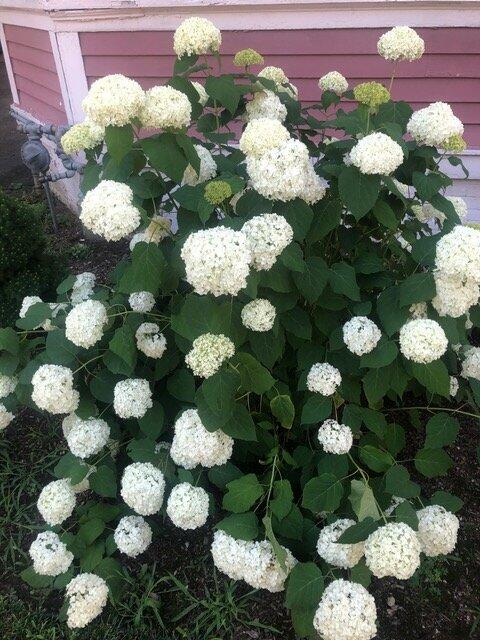
White Annabelle against a pink Victorian house sounds like a great pairing. It's really satisfying to hear they've filled in well and come back strong year after year, which is exactly what this variety does when it gets established. The root booster is a solid addition at planting time, and it sounds like it paid off for you. Thanks for sharing the recommendation, Brenda. The Nature Hills Team
All went perfect!
Thank you !
Annabelle is such a reliable bloomer, and it sounds like she settled right in for you. Thanks for taking a moment to share, Doris. We hope you enjoy those big white blooms for many seasons to come.
Beautiful great quality ..
Annabelle is such a reliable performer, and it's great to hear she arrived in good shape. If you want to encourage even fuller blooms next season, a light application of slow-release fertilizer in early spring goes a long way with hydrangeas. Thanks for sharing, Sabina -- happy growing from the Nature Hills team.
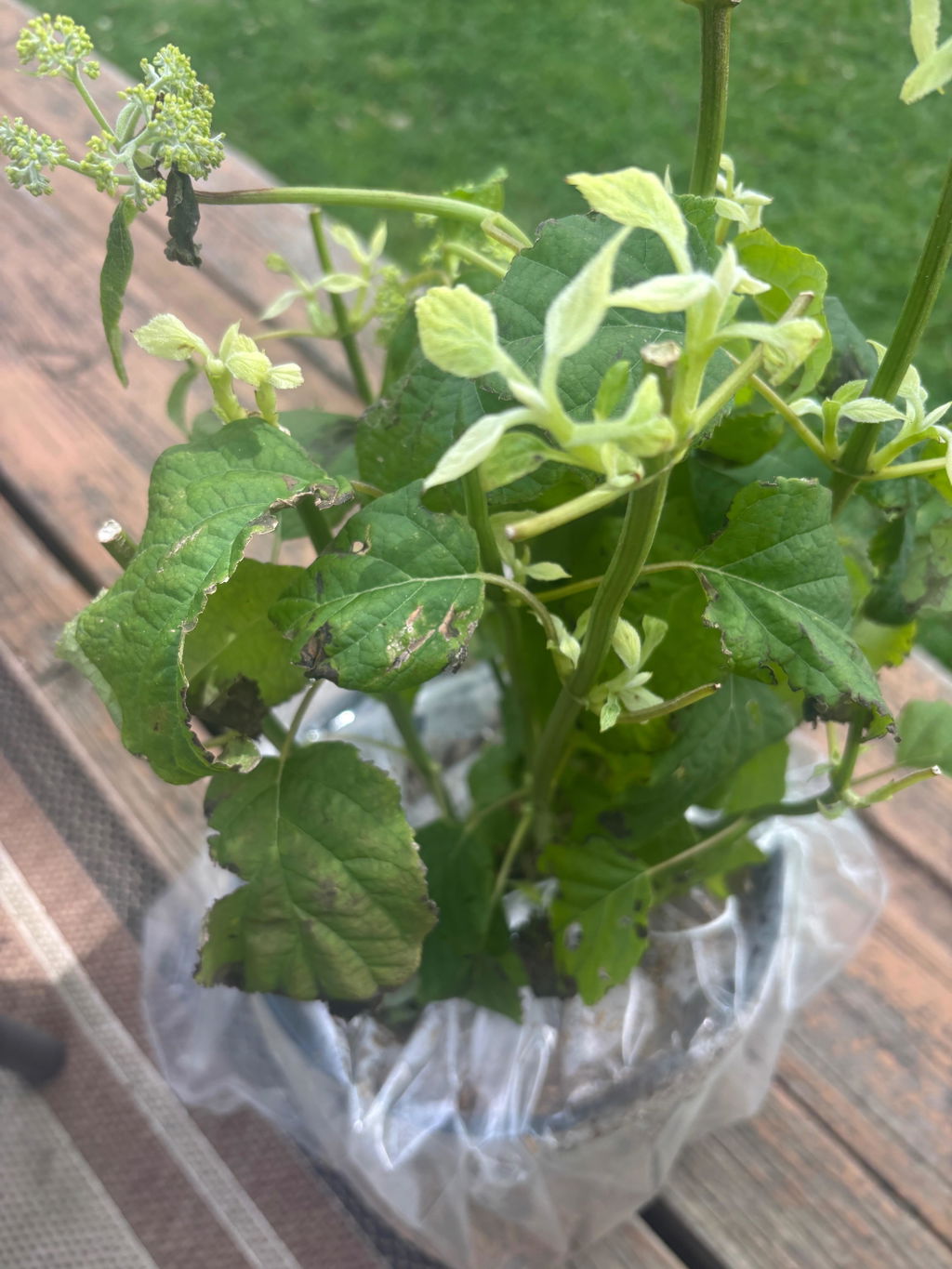
Annabelle arrived a bit dehydrated and that worried me. So I pampered her with water, light shade and clipped any leaves that were concerning. After a week or so, she perked up and now has a lot of good new growth. I am glad I treated the hydrangea with patience because that was all it really needed.
Shipping can stress plants more than we'd like, and it's great to hear you gave her the time she needed to settle in. That instinct to water, provide some shade, and trim the struggling leaves is exactly the right approach for a dehydrated hydrangea. Annabelle is a tough plant once she finds her footing, and that new growth is a good sign of things to come. Thanks for sharing what worked.
This was my first time ordering plants on line, and it turned out to be a great experience. Since they were on sale, I took a chance and ordered 5 Annabelle Hydrangeas in the #5 containers. When they arrived, 5 days later, it was clear Nature Hills takes a great deal of pride in their product , and want the customer to be satisfied. The careful pruning of the plants and the packaging was such to minimize any damaged that may occur during shipping. I only wish I could include photos of the packaging and the products to show the quality and care that was taken. When I opened the packages , every one of them were full, bushy and vibrant in color, indicating how healthy they are. Since I was still finishing loaming, compost & mulching the garden, I was finally able to plant all 5, within 2 days of their arrival. And after a week plus of being planted, all 5 have lots of new growth and are doing extremely well. I couldn't be happier, you have won me over as a repeat customer, and without hesitation I will highly recommended your Company.
Hello Bobbi,
Thank you so much for your wonderful review! We’re truly delighted to hear that your first online plant purchase exceeded your expectations, especially with the Annabelle Hydrangeas. It means a lot to us that you noticed the careful pruning and packaging—our team takes great pride in ensuring every plant arrives healthy and vibrant, just like yours did. We appreciate your patience with the loaming, composting, and mulching before planting; it sounds like your garden is set up perfectly!
Though we can’t view photos in reviews, we’d love for you to share them with us on social media or via email sometime—seeing our plants thriving is incredibly rewarding. If you ever have questions about care or are looking for plant suggestions, don’t hesitate to reach out. We’re here to support your gardening journey every step of the way.
Welcome to the Nature Hills family—we’re excited to have you as a valued repeat customer!
Rooting for your garden’s success,
Your Nature Hills Plant Care Team
This was my first time ordering plants on line, and it turned out to be a great experience. Since they were on sale, I took a chance and ordered 5 Annabelle Hydrangeas in the #5 containers. When they arrived, 5 days later, it was clear Nature Hills takes a great deal of pride in their product , and want the customer to be satisfied. The careful pruning of the plants and the packaging was such to minimize any damaged that may occur during shipping. I only wish I could include photos of the packaging and the products to show the quality and care that was taken. When I opened the packages , every one of them were full, bushy and vibrant in color, indicating how healthy they are. Since I was still finishing loaming, compost & mulching the garden, I was finally able to plant all 5, within 2 days of their arrival. And after a week plus of being planted, all 5 have lots of new growth and are doing extremely well. I couldn't be happier, you have won me over as a repeat customer, and without hesitation I will highly recommended your Company.
Dear Bobbi,
Thank you so much for sharing your wonderful experience with us! We're thrilled to hear that your first online plant order exceeded your expectations and that the Annabelle Hydrangeas arrived healthy, vibrant, and well-cared-for. We take immense pride in packaging and preparing our plants to ensure they travel safely, so your recognition truly means the world to us.
It’s fantastic to know your new hydrangeas have already started showing new growth! For continued success, be sure to keep them consistently moist during the warmer months, and a deep mulch of about 2-3 inches can help maintain soil moisture and temperature. If you ever want tips on fertilizing or pruning throughout the seasons, feel free to reach out or browse our planting guides on the site.
We’re honored to have earned your trust and recommendation. Whenever you’re ready to grow again, we’ll be here to help make the next round just as rewarding!
Bloom on,
The Nature Hills Plant Knowledge Team
Approximately how many feet tall is #3 and #5
Hello Ctsantiago,
Thank you so much for reaching out with your question! We’re happy to help you determine the approximate heights of plants #3 and #5. Could you please let us know the particular species or plant names of #3 and #5? This information will help us provide a more precise estimate since growth heights can vary between varieties.
In general, most of our personalized listings or product pages include average mature height ranges, so once you verify the species or product names, we can also guide you directly to detailed descriptions and planting tips.
Looking forward to assisting you further!
Bloom on,
The Nature Hills Plant Knowledge Team
Approximately how many feet tall is #3 and #5
Hello Ctsantiago,
Thank you so much for reaching out with your question! We’re happy to help you learn more about plants #3 and #5. While we don’t have the specifics right here, generally, the mature height of each plant is available on its detailed product page on our website. If you still need precise measurements, please let us know the exact plant names or item numbers corresponding to #3 and #5, and we’d be delighted to provide accurate details for you.
In the meantime, you can also explore our Plant Guide section for valuable information about growth habits, mature sizes, and care tips to make the best choices for your garden!
Wishing you happy planting,
The Nature Hills Plant Experts
Arrived in excellent condition and early. Thank you.
Hi Harry,
Thank you so much for taking the time to share your wonderful feedback! We're delighted to hear that your order arrived early and in excellent condition—that’s always our goal to make your planting experience as smooth and enjoyable as possible. If you ever have any questions about planting or care, please don’t hesitate to reach out. We’re here to help your garden thrive!
Rooting for your garden’s success,
Your Nature Hills Plant Care Team
Arrived in excellent condition and early. Thank you.
Hello Harry,
Thank you so much for your wonderful feedback! We're delighted to hear that your order arrived in great condition and ahead of schedule. It means a lot to us that our service and product met your expectations. If you ever have any questions about caring for your plants or need recommendations for your next gardening project, please don’t hesitate to reach out. We’re always happy to assist!
Rooting for your garden’s success,
Your Nature Hills Plant Care Team
Came in great shape. Planted easily. Too early to tell what they will loolk like blooming. Will have to wait a season or two
Hi Herb,
Thank you so much for sharing your experience! We’re delighted to hear that your plants arrived in great shape and that planting them went smoothly. It’s always exciting to watch new additions grow and eventually bloom—a true gardener’s journey. If you ever have questions along the way or would like tips on nurturing your new plants, please don’t hesitate to reach out. We’re here to support you every step of the way.
Wishing you happy planting,
The Nature Hills Plant Experts
Came in great shape. Planted easily. Too early to tell what they will loolk like blooming. Will have to wait a season or two
Hello Herb B.,
Thank you so much for sharing your positive experience! We’re delighted to hear your order arrived in great shape and that you found the planting process easy. It's true—waiting to see your plants bloom can require a bit of patience, but those first blossoms will be well worth the wait. In the meantime, if you’d like, we’re here to provide tips on watering, sunlight, and seasonal care to help your plants flourish healthily as they grow.
Please don’t hesitate to reach out with any questions along the way. We look forward to hearing about your garden’s progress in the seasons to come!
Bloom on,
The Nature Hills Plant Knowledge Team
The bushes were very healthy when delivered and are doing well. They are a beautiful addition to my yard.
Dear Nancy P.,
Thank you so much for sharing your wonderful feedback about your Annabelle Hydrangeas! We're delighted to hear that your bushes arrived healthy and are thriving as a beautiful addition to your yard. Hydrangeas truly bring such charm and vibrancy to any garden, and we're glad yours are flourishing.
If you have any questions about watering, pruning, or keeping them at their best through the seasons, please don’t hesitate to reach out. We also have some great resources on our website to help you enjoy your hydrangeas for years to come.
Bloom on,
The Nature Hills Plant Knowledge Team
The bushes were very healthy when delivered and are doing well. They are a beautiful addition to my yard.
Dear Nancy P.,
Thank you so much for taking the time to share your wonderful experience with the Annabelle Hydrangeas! We're delighted to hear that the bushes arrived healthy and are thriving in your yard. Annabelle hydrangeas are truly stunning and such a rewarding addition to any garden.
If you ever have questions about seasonal care, fertilizing, or pruning to keep them looking their best, don’t hesitate to reach out—we’re here to help your hydrangeas flourish year after year.
Wishing you happy planting,
The Nature Hills Plant Experts
Annabelle hydrangeas two are beautiful, the one that was broken did not make it... 😞
Hi,
Thank you so much for taking the time to share your experience with your Annabelle hydrangeas. We’re truly happy to hear that two of your plants are thriving and adding beauty to your garden! We're sorry to learn that the broken one didn’t make it; we know how disappointing that can be.
If you’d like, we’d be more than happy to assist you with a replacement or offer guidance on when and how to best plant new hydrangeas to ensure they flourish. Additionally, our care guides contain helpful tips on hydrangea care, pruning, and soil needs that might bring even more joy to your gardening journey.
Please don’t hesitate to reach out to our customer support if you want a replacement or have any questions at all—we’re here to help you create a garden you love!
Bloom on,
The Nature Hills Plant Knowledge Team
Annabelle hydrangeas two are beautiful, the one that was broken did not make it... 😞
Dear Johnnie,
Thank you so much for sharing your experience with your Annabelle hydrangeas. We’re delighted to hear that two of them are thriving and adding beauty to your garden! We’re truly sorry to learn that the broken one did not survive—plants that sustain damage during shipping can unfortunately be fragile.
If you haven’t already, please do reach out to our customer service team with any photos and details of the broken plant. We're here to help and offer replacement options to ensure your garden flourishes as you hoped.
For future shipments, if you track them closely and open the box promptly to inspect the plants, it can sometimes help with reviving those that sustain minor damage. We also have care guides on our website which might be a useful reference as the Annabelles establish themselves.
Thank you again for trusting NatureHills – we appreciate having you as a member of our gardening community!
Growing with you,
Nature Hills Nursery – Your Trusted Plant Specialists
They’re small but super healthy and growing already
Hi,
Thank you so much for your wonderful feedback! We're delighted to hear that your plants arrived healthy and are already showing signs of growth. Starting with small but strong plants is often the key to a thriving garden, and it sounds like you’re off to a great start. Be sure to keep them properly watered and sheltered from extreme weather as they get established, and feel free to explore our planting guides and care tips on our website for specific advice tailored to your selections.
If you ever have any questions or need guidance along the way, please don’t hesitate to reach out. We’re always here to help your garden flourish!
Rooting for your garden’s success,
Your Nature Hills Plant Care Team
They’re small but super healthy and growing already
Hi,
Thank you so much for your kind words! We're delighted to hear that your plants arrived healthy and are already showing signs of growth. Starting with smaller plants often gives them the chance to develop strong root systems, leading to flourishing gardens in the long run. If you ever need tips on care or suggestions to help your plants thrive, please don’t hesitate to reach out.
Wishing you happy planting,
The Nature Hills Plant Experts
It looked like a stick when it came, so I was worried, but now it's got leaves all over so it's starting to do something. Time will tell.
Hi,
Thank you so much for sharing your honest thoughts with us! It's completely normal for new plants to arrive looking sparse or a bit stick-like—that’s just their winter dormancy or transplant shock showing. It’s wonderful to hear your plant is starting to leaf out and show signs of life. With a little time, proper watering, and care, it will likely continue to thrive and fill out nicely.
If you ever want tips on helping your plant settle in or ways to encourage healthy growth, please don’t hesitate to reach out—we’re here to support you every step of the way.
Rooting for your garden’s success,
Your Nature Hills Plant Care Team
It looked like a stick when it came, so I was worried, but now it's got leaves all over so it's starting to do something. Time will tell.
Hi,
Thank you so much for sharing your experience with us! We completely understand how a newly arrived plant that “looks like a stick” can be a bit surprising at first. It’s wonderful to hear that new leaves are starting to appear—that’s a great sign your plant is settling in and on its way to thriving.
If you ever have questions about its care or want tips on helping it flourish even more, please don’t hesitate to reach out. We have a variety of helpful planting guides and care resources on our website tailored to specific plant types that might come in handy during these early stages.
Wishing you continued success and enjoyment as you watch your plant grow!
Wishing you happy planting,
The Nature Hills Plant Experts
These came from the north and were less leafy. But we’re packed nicely. I got 3 they are growing fast and I am excited to see the blooms
Hi,
Thank you so much for sharing your experience with your plant delivery! We’re delighted to hear that they arrived nicely packed and are growing quickly — that’s always such an exciting part of the journey. Sometimes northern sourcing can lead to less leafy shipments, especially early on, but it sounds like your plants are thriving and on their way to fantastic blooms.
If you ever have questions about care or want tips to keep your plants healthy and vibrant as they grow, please don’t hesitate to reach out. We’re here to support you every step of the way.
Rooting for your garden’s success,
Your Nature Hills Plant Care Team
These came from the north and were less leafy. But we’re packed nicely. I got 3 they are growing fast and I am excited to see the blooms
Hello Ken,
Thank you so much for sharing your experience! We’re delighted to hear that your plants arrived safely and well-packed, even though they were less leafy from the north. It’s wonderful to know they’re growing fast—that eagerness to see the blooms is something we cherish in all our gardeners!
If you’d like any tips to help encourage fuller foliage or to support their healthy growth as they mature, feel free to reach out. We also have planting guides and care instructions on our website tailored to your specific plants which might be helpful as they progress.
Wishing you happy planting,
The Nature Hills Plant Experts
