


Rose Mallow
Hibiscus moscheutos


Plant Sentry™ Protected
Your order is protected by our compliance system that:
- Prevents restricted plants from shipping to your state
- Ensures plants meet your state's agricultural requirements
- Protects gardens from invasive pests and diseases
Specifications
| Plant Characteristics | Native, Cold hardy, Wet Soils, Flowering, Attracts Hummingbirds, Attracts pollinators, Heat Tolerant |
|---|---|
| Hardiness Zone | 5a to 9b |
| Sunlight | Full sun |
| Height | |
| Width | |
| Watering Needs | High |
| Preferred Soil | Loamy, Peaty, Sandy |
| Growth Rate | Fast |
| Growth Habit | Upright |
| Blooms In | Fall, Summer |
| Flower Color | Pink |
| Foliage Color | Green |
| Fragrant | Yes |
| Native | Yes |
| Native To |
Alabama,
Arkansas,
California,
Connecticut,
Delaware,
Florida,
Georgia,
Illinois,
Indiana,
Kansas,
Kentucky,
Louisiana,
Maryland,
Massachusetts,
Michigan,
Mississippi,
Missouri,
New Hampshire,
New Jersey,
New Mexico,
New York,
North Carolina,
Ohio,
Oklahoma,
Pennsylvania,
Rhode Island,
South Carolina,
Tennessee,
Texas,
Utah,
Virginia,
Washington DC,
West Virginia,
Wisconsin
+28 moreshow less |
| Suitable Space | Outdoors |
| Plant Name | Hibiscus |
| Botanical Name | |
| Species | |
| Class | Magnoliopsida |
| Does Not Ship To | AK, HI, ID, MT, PR, VI |
Description
The Rose Mallow (Hibiscus moscheutos) is a dazzling herbaceous perennial that delivers dinner-plate-sized blooms in midsummer that stop garden visitors in their tracks. This hardy beauty sports huge, tropical-style flowers in varying shades of white, pink, or red, often with a contrasting eye!
Its blooms are slightly fragrant with a light, sweet scent and appear continuously through late summer into early fall, attracting hummingbirds and pollinators in droves. The lush, large green leaves give a bold texture to the garden, while its fast growth ensures a quick impact in your landscape.
Boasting a sturdy, upright growth habit, Rose Mallow reaches a varying size of 3-7 feet tall and 2-4 feet wide. Thick, fleshy stems emerge in spring from a hardy root system, supporting large, heart-shaped leaves with a rich green hue. In autumn, foliage may take on golden tones before frost. Once established, the plant forms a dense, shrubby clump, with each stem topped by massive blooms that can measure up to 10 inches across.
Key Features
Related to Tropical Hibiscus but far more cold-hardy, this perennial Hibiscus has a place in both northern and southern gardens. Historically, it has been admired for its ornamental value and its magnetism to butterflies and hummingbirds.
- Huge midsummer to fall blooms, 8-10 inches across
- Native species with a wide genetic makeup. Giving rise to variable size and bloom color
- Colors range from white to deep red, often with a contrasting eye
- Fast-growing, upright perennial for zones 5-9
- Attracts hummingbirds, butterflies, and pollinators
- Thrives in moist soils and sunny conditions
Landscaping Uses
Creating a striking focal point in borders, near ponds, or in mass plantings, making it a perfect mid-to-back-border plant. Rose Mallow is ideal for adding tropical flair and bold color to gardens while being fully winter-hardy. At 3-7 feet tall, it works beautifully in:
- Mixed perennial border
- Pond and water garden edges
- Cottage garden plantings
- Pollinator and butterfly gardens
- Moist low spots or Rain Gardens
- Works in mixed shrub plantings
- Grouped for mass planting impact
Care & Maintenance
Native to wetlands and riverbanks of the eastern and southern United States, Hibiscus moscheutos has long been celebrated by gardeners for its showy display and ability to handle moist soils. It thrives in USDA Growing Zones 5-9 and loves warm, sunny summers. This is an herbaceous perennial that dies back to the ground each winter and regrows in spring. It loves sun and moisture and rewards you with enormous blooms if well-fed and watered. Read more on caring for Hibiscus here.
- Planting Time: Spring after frost or early fall in mild climates
- Sun Requirements: Full sun for best bloom production
- Soil Requirements: Rich, moist, well-drained soil; tolerates clay with good moisture
- Moisture Needs: Consistently moist; use the Finger Test to monitor
- Arborist Mulch: Apply a 3-4 inch deep layer to retain moisture and insulate roots
- Fertilization Needs: Apply balanced fertilizer in spring; compost is highly beneficial
- Pruning Info: Cut back old stems to ground level in late winter or early spring before new growth
- Division Info: Divide clumps every 3-4 years in early spring to maintain vigor
- Special Perks/Growing Needs:
- Deer-resistant
- Handles high humidity
- Cold-hardy perennial Hibiscus
- Great for wet soil
Hibiscus Heaven Awaits
Rose Mallow brings the Tropical Hibiscus look to cold-climate gardens, filling the landscape with massive blooms that keep pollinators happy for months. If you want bold color, giant flowers, and an easy-care perennial that comes back year after year, this is the plant for you. Order your Rose Mallow today at Nature Hills, and we will deliver it to your door at the proper planting time for your zone!
Planting & Care
Delivery and Shipping
Shipping Rates
Ships in 3-5 business days • Tracking provided • Weather protected
| Under $50 | $9.99 |
| $50 - $99.99 | $14.99 |
| $100 - $149.99 | $16.99 |
| $150 - $198.99 | $24.99 |
| $199+ | FREE |
✓ Zone-specific timing • ✓ Professional packaging • ✓ Health guarantee
Find on Page
Type to search specs, description, care, FAQ, and shipping.
Other Hibiscus varieties
-

Starblast Chiffon® Rose of Sharon
Hibiscus syriacus 'Starblast Chiffon'
Regular price From $8458Unit price /Unavailable -

Hollywood™ Hibiscus Chatty Cathy™
Hibiscus rosa-sinensis HOLLYWOOD '8413-4'
Regular price From $7509Unit price /Unavailable -

Hibiscus rosa-sinensis 'Hot Shot'
Regular price $7509Unit price /Unavailable


This plant grows very fast, and lots of flowers came out after a couple of months planting, very beautiful and bright flowers. Love it!!!
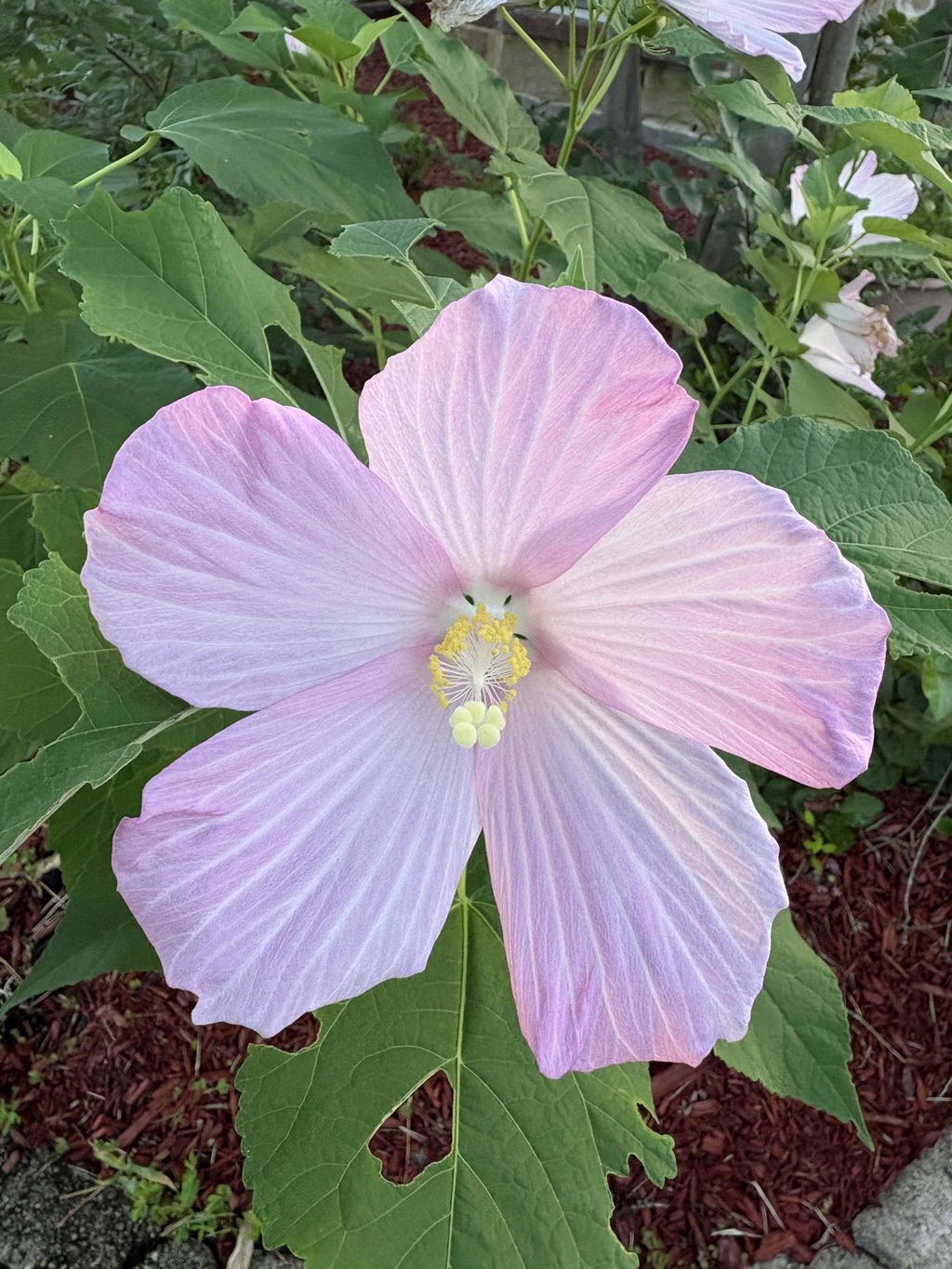
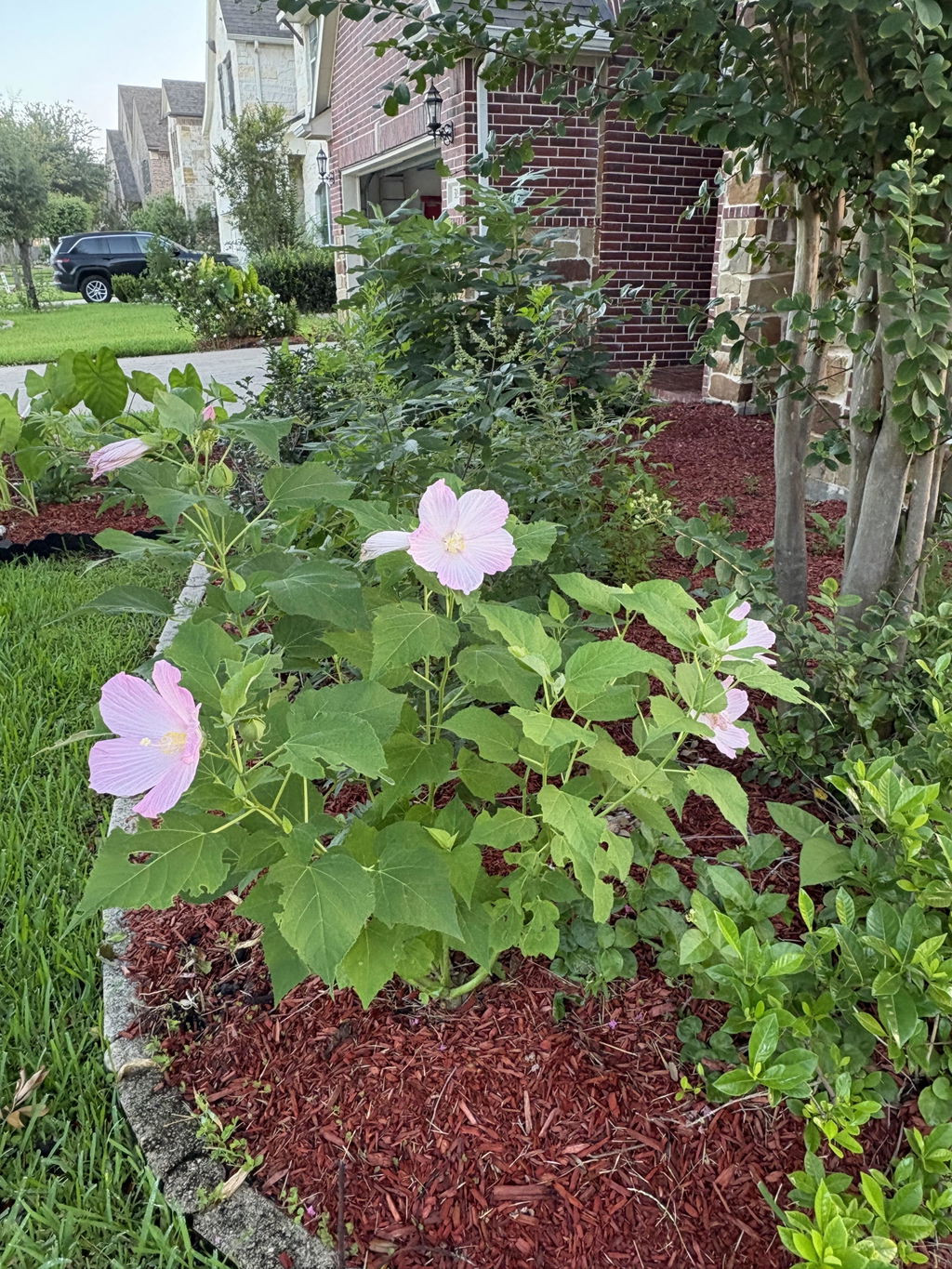
Rose Mallow really does hit the ground running once it gets settled in, and those blooms are hard to beat for sheer color. Thanks for sharing your experience, Min. If you want even more flowers next season, a light trim after the first big flush can encourage a second round of blooming.
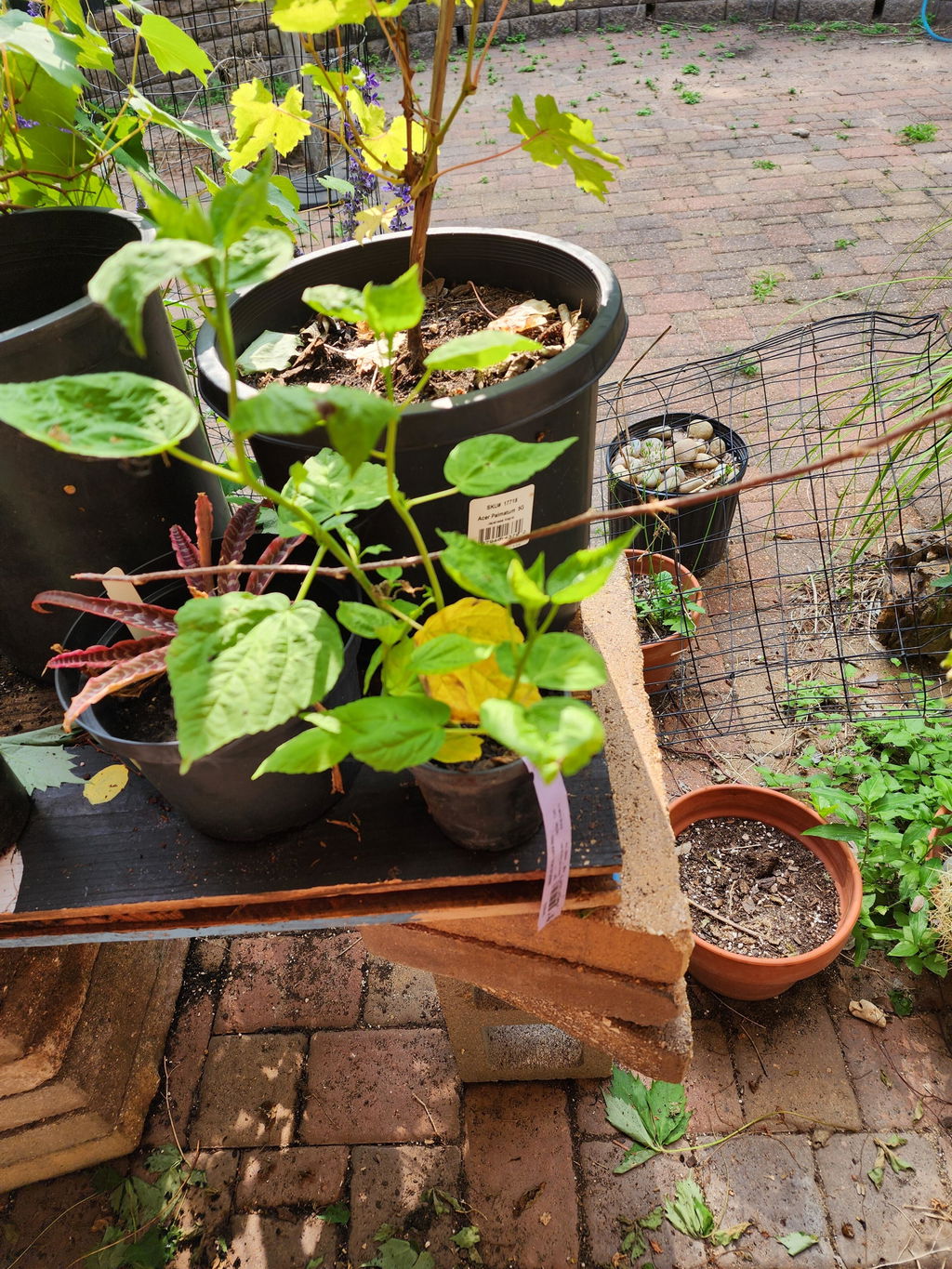
I received a message it and White Luna were delivered but not here. 2 days later I received notice they were delivered again. They arrived, however, they were in the same package dry and no longer in their pots. Red was slightly better but with some yellow leaves and droopy. I have tried to revive it. But for $9 each shipping I should not have to.
Arrive on time, package securely, and in a caring manner will continue to order, growing very fine.
Hearing that the Luna Red arrived on time and well-packaged is exactly what we aim for. It's a heavy bloomer once it settles in, so you have a lot of color to look forward to. Thanks for coming back to order with us, Shirley.
They arrived well packaged and are in the ground. Too soon to say what next, but ones I've seen in the past were beautiful.
Getting them in the ground quickly is exactly the right move, and good packaging makes that first step a lot easier. Rose Mallow tends to reward patience, so once it settles in and starts blooming, you are in for quite a show. Thanks for planting with us, Helen.
It is blooming.
A blooming hibiscus is always a good sign, Betty. Luna Red puts on quite a show once it gets going, and it should keep producing those bold flowers right through summer. Thanks for the quick update!
This looked like it was dying when i got it. BUT woke this morning to this beauty blooming!! I love it and will be buying more!!!
So happy to have found you and this variety hibiscus. I ordered from another nursery and only 2 out of 3 made it, so, this fit the bill. It should have plently of time to establish itself.
Luna Red is a great choice for filling that gap, and you're right that giving it time to establish before the season gets going makes a real difference. Hibiscus in general rewards a little patience early on, and this variety tends to put on a solid show once it settles in. Thanks for choosing us, Lisa, and we hope it thrives for you.
Good sturdy plant received in good condition
Glad the Rose Mallow arrived in good shape, Theresa. It is a tough, rewarding plant once it settles in, and you can expect it to really fill out and put on a show as the season progresses. Thanks for sharing your experience.
The plant arrived neatly packaged so as to stay intact upon delivery. I appreciate that. The hibiscus is doing well so far. I planted and now waiting on more growth. It’s still early in the spring and early stages of growth. I’m looking forward to the big red flowers.
Careful packaging really does make a difference, and we're glad the plant arrived in good shape. Luna Red is worth the wait. Once it settles in and the temperatures warm up, it tends to put on a strong flush of those big, bold blooms. Keep us posted on how it goes this season.
one plant shot right up ,the other isn't doing to well both were planted in the same soil, pot and area
So far so good, arrived nice and healthy. I already planted them in large pots.
Hibiscus in large pots is a great move. They respond well to that setup and tend to put on a good show when they have room to root out. Hope yours settles in quickly and blooms well for you this season.
I am so pleased with this beautiful plant that has grown so much in the short time that I have had the plant in my backyard. The blooms are absolutely amazing. I can't believe that it is doing so much well here in Central Arizona.
Dear Bernadette,
Thank you so much for sharing your wonderful experience with your new plant! We're absolutely delighted to hear that it’s thriving and producing beautiful blooms in your Central Arizona backyard. Plants can sometimes be tricky in certain climates, so we're happy it’s adapting so well to the environment and bringing beauty to your outdoor space.
If you ever have any questions on care or want tips to encourage even more growth and flowering, please don’t hesitate to reach out. We also have helpful guides available on our website tailored for desert gardening that might give you some great ideas tailored to your area.
Wishing you happy planting,
The Nature Hills Plant Experts
I am so pleased with this beautiful plant that has grown so much in the short time that I have had the plant in my backyard. The blooms are absolutely amazing. I can't believe that it is doing so much well here in Central Arizona.
Dear Bernadette,
Thank you so much for sharing your wonderful experience with your new plant! We're thrilled to hear that it’s thriving so beautifully in your Central Arizona backyard and that the blooms have brought you so much joy. The warm climate of your region can indeed help many plants flourish with the right care, and it sounds like you’re providing just that.
If you ever want tips on extended bloom care or companion planting to enhance your garden space further, feel free to reach out. We’re always here to help your garden grow in any way we can!
Bloom on,
The Nature Hills Plant Knowledge Team
