


Photo courtesy of Proven Winners ColorChoice Shrubs
Bloomerang® Dark Purple Lilac
Syringa x 'Bloomerang® Dark Purple'


Plant Sentry™ Protected
Your order is protected by our compliance system that:
- Prevents restricted plants from shipping to your state
- Ensures plants meet your state's agricultural requirements
- Protects gardens from invasive pests and diseases
Specifications
| Plant Characteristics | Fast-growing, Fragrant, Disease resistant, Attracts pollinators, Flowering, Cold hardy |
|---|---|
| Hardiness Zone | 3a to 7b |
| Sunlight | Full sun, Partial shade |
| Height | |
| Width | |
| Watering Needs | Moderate |
| Preferred Soil | Clay, Loamy, Sandy |
| Growth Rate | Moderate |
| Growth Habit | Bushy, Spreading, Upright |
| Blooms In | Spring, Summer, Fall |
| Flower Color | Purple |
| Foliage Color | Green |
| Fragrant | Yes |
| Suitable Space | Outdoors, Container |
| Plant Name | Lilac |
| Botanical Name | |
| Species | |
| Cultivar | |
| Class | Magnoliopsida |
| Does Not Ship To | AK, HI, ID, MT, PR |
Description
About Bloomerang® Dark Purple Lilac
A Lilac That Blooms Twice
Bloomerang® Dark Purple Lilac (Syringa x 'SMNJRPU') changed the game for lilac lovers who always wished that intoxicating spring fragrance could last longer. This reblooming lilac bush delivers an impressive spring show of deep purple-violet flowers, takes a brief rest, then produces waves of fragrant blooms from late summer right up until frost. No other purple lilac shrub offers this extended season of color and scent.
The spring flowers appear on dense, conical panicles that open from dark purple buds to reveal richly saturated blooms. That classic lilac fragrance fills the garden and draws butterflies, hummingbirds, and bees from early morning until dusk. After the initial flush, sporadic summer flowers give way to a reliable late-season rebloom that often rivals the spring display in cooler fall weather.
Key Features
Compact Size, Big Impact
Unlike old-fashioned lilacs that sprawl to 12 feet or more, Bloomerang® Dark Purple stays in the 4-6 foot range for both height and spread. This manageable size makes it ideal for today's smaller properties, foundation plantings, and mixed borders where space is limited. The rounded, mounded habit requires minimal pruning to maintain an attractive shape.
The tree form offers the same reblooming performance trained to a single trunk, creating an elegant small flowering tree for patios, entryways, or as a focal point in perennial beds. Both the bloomerang lilac bush and bloomerang lilac tree deliver equal fragrance and flower power in different silhouettes.
Growing Requirements
Tougher Than Traditional Lilacs
- Proven Winners® bred this everblooming lilac for improved disease resistance compared to heirloom varieties
- The foliage holds up better against powdery mildew, especially when planted with good air circulation and adequate sunlight
- Deer typically leave lilacs alone, making this a reliable choice for rural and suburban gardens where browsing pressure is high
Hardy in zones 3-7, Bloomerang® Dark Purple tolerates cold winters without damage and returns reliably each spring. The moderate growth rate means the plant fills in over a few seasons without becoming overwhelming or requiring constant cutback.
Landscape Uses
Landscape Uses
Plant a flowering hedge of reblooming lilac shrubs along a property line for privacy with benefits. Space plants 4-5 feet apart and enjoy a fragrant screen that peaks twice each year. Use the tree form as a specimen near outdoor seating areas where the fragrance can be appreciated up close.
This purple lilac tree or shrub pairs beautifully with spring bulbs, peonies, and catmint for a cottage garden feel. The dark purple blooms stand out against yellow-flowering companions like coreopsis and black-eyed Susans for striking late-summer contrast.
Explore More from Nature Hills
The Bloomerang® Dark Purple Lilac is part of the exceptional proven winners® colorchoice® collection, joining other outstanding flowering shrubs that deliver reliable performance season after season. For gardeners interested in exploring more fragrant options, browse our complete selection of lilac bushes and discover other zone 3 plants, trees & shrubs that thrive in challenging climates. Learn essential maintenance tips in our guide on Timing for Pruning Flowering Shrubs, and explore dramatic color combinations with our article Purple Reigns: Shrubs & Perennials With Dark Foliage Drama.
Planting & Care
Delivery and Shipping
Shipping Rates
Ships in 7-10 business days • Tracking provided • Weather protected
| Under $50 | $9.99 |
| $50 - $99.99 | $14.99 |
| $100 - $149.99 | $16.99 |
| $150 - $198.99 | $24.99 |
| $199+ | FREE |
✓ Zone-specific timing • ✓ Professional packaging • ✓ Health guarantee
Find on Page
Type to search specs, description, care, FAQ, and shipping.

Planted the shrub as discussed in the shipment. A week later and it has died. Have sent an email 3 times and have received no assistance. Help!
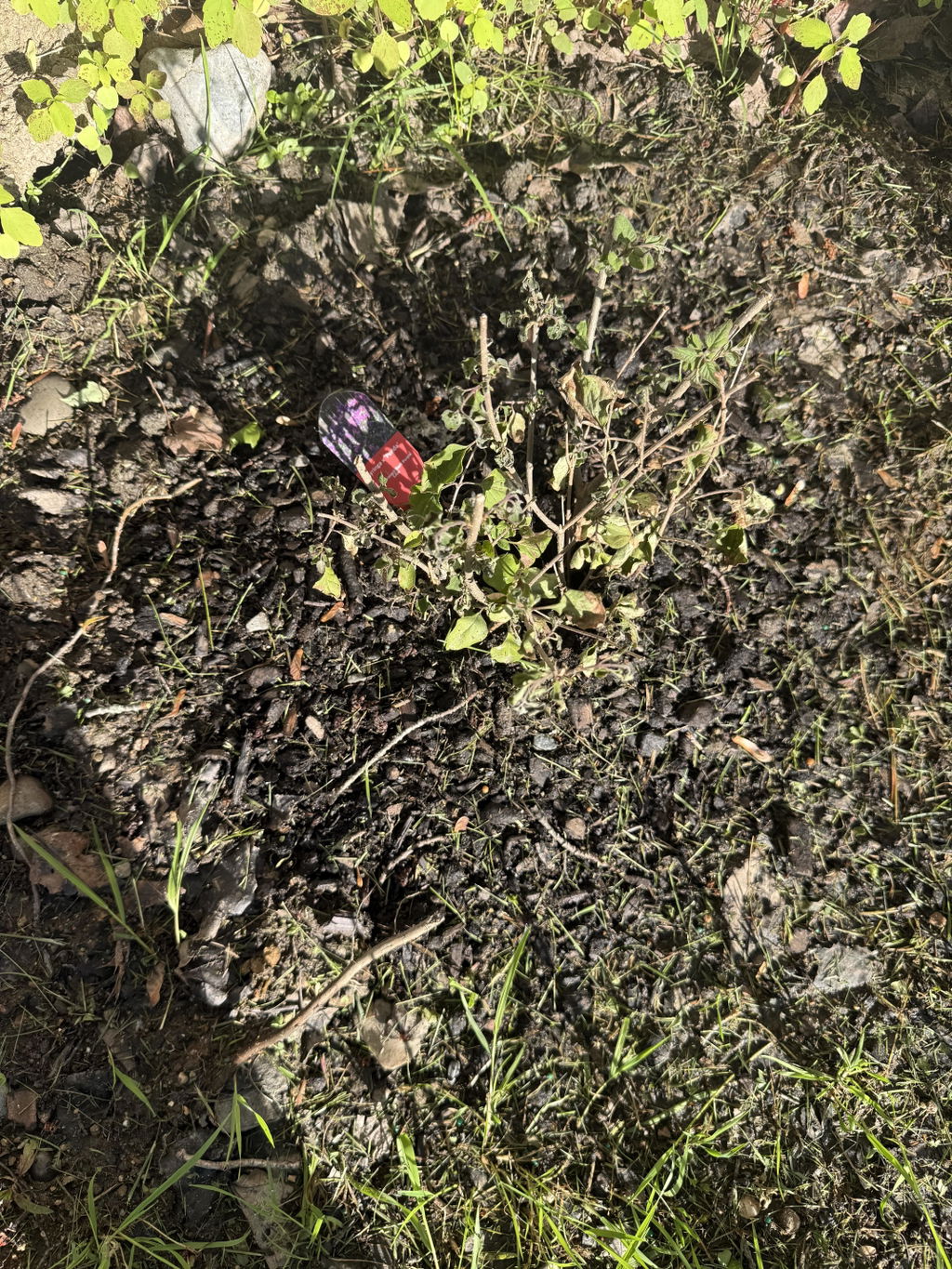
I am totally disgusted with the quality of the very small lilac bush. It seems to have been burned because the leaves are crispy. It was only 4 inches tall and very sickly. You people disgust me. I want my money back.
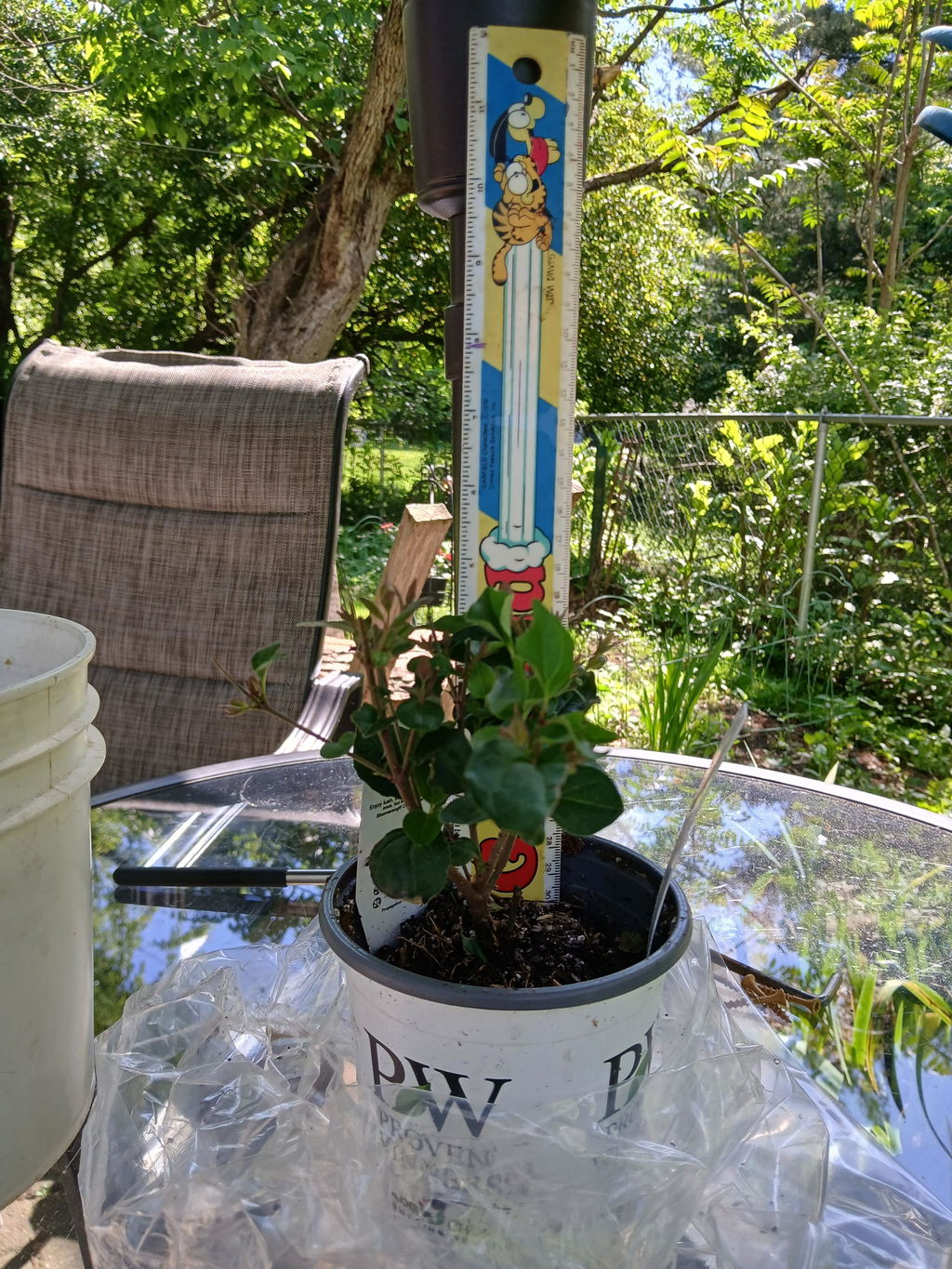
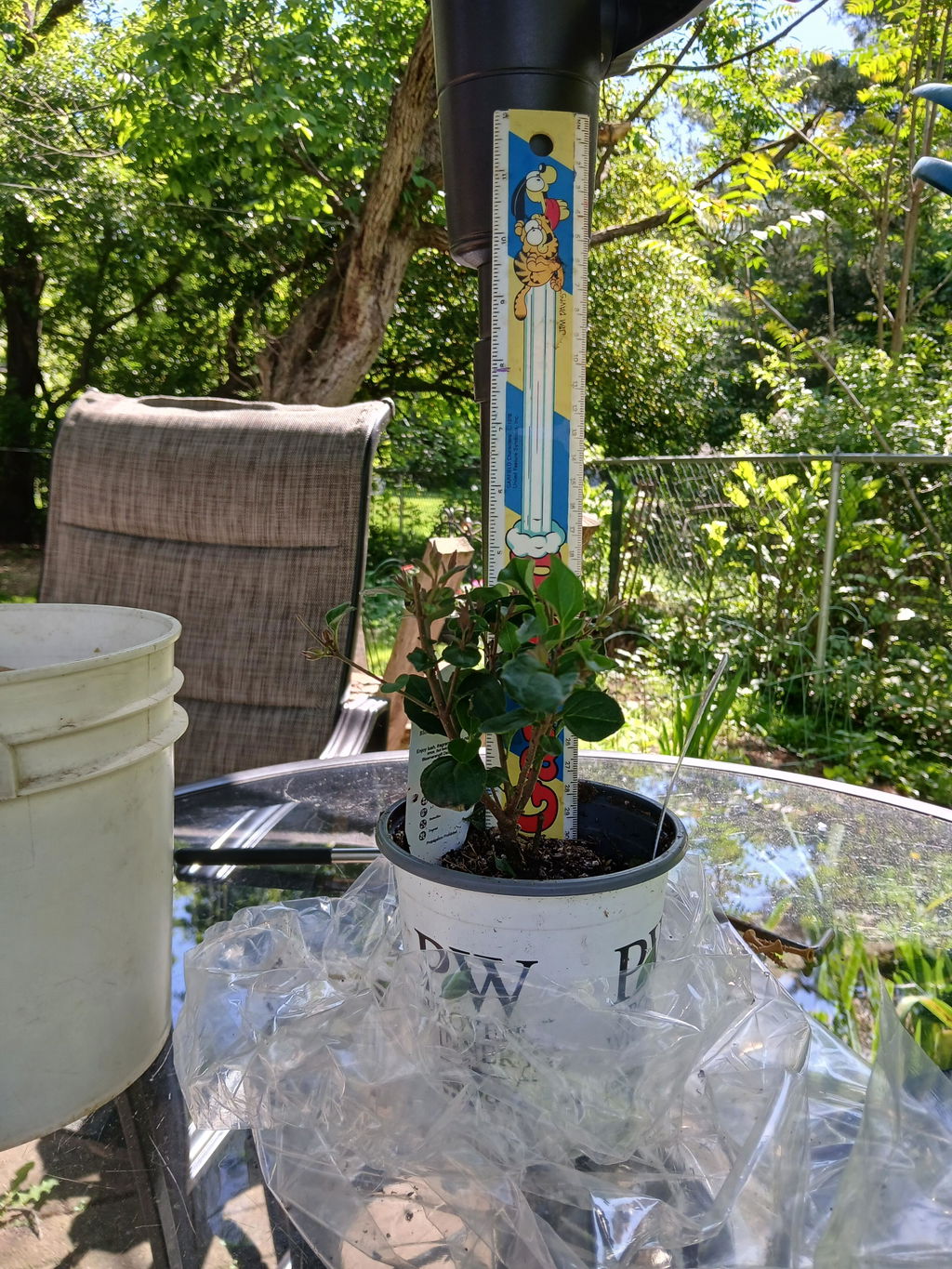
Beautiful dark purple blooms!! Started blooming within days of being planted!
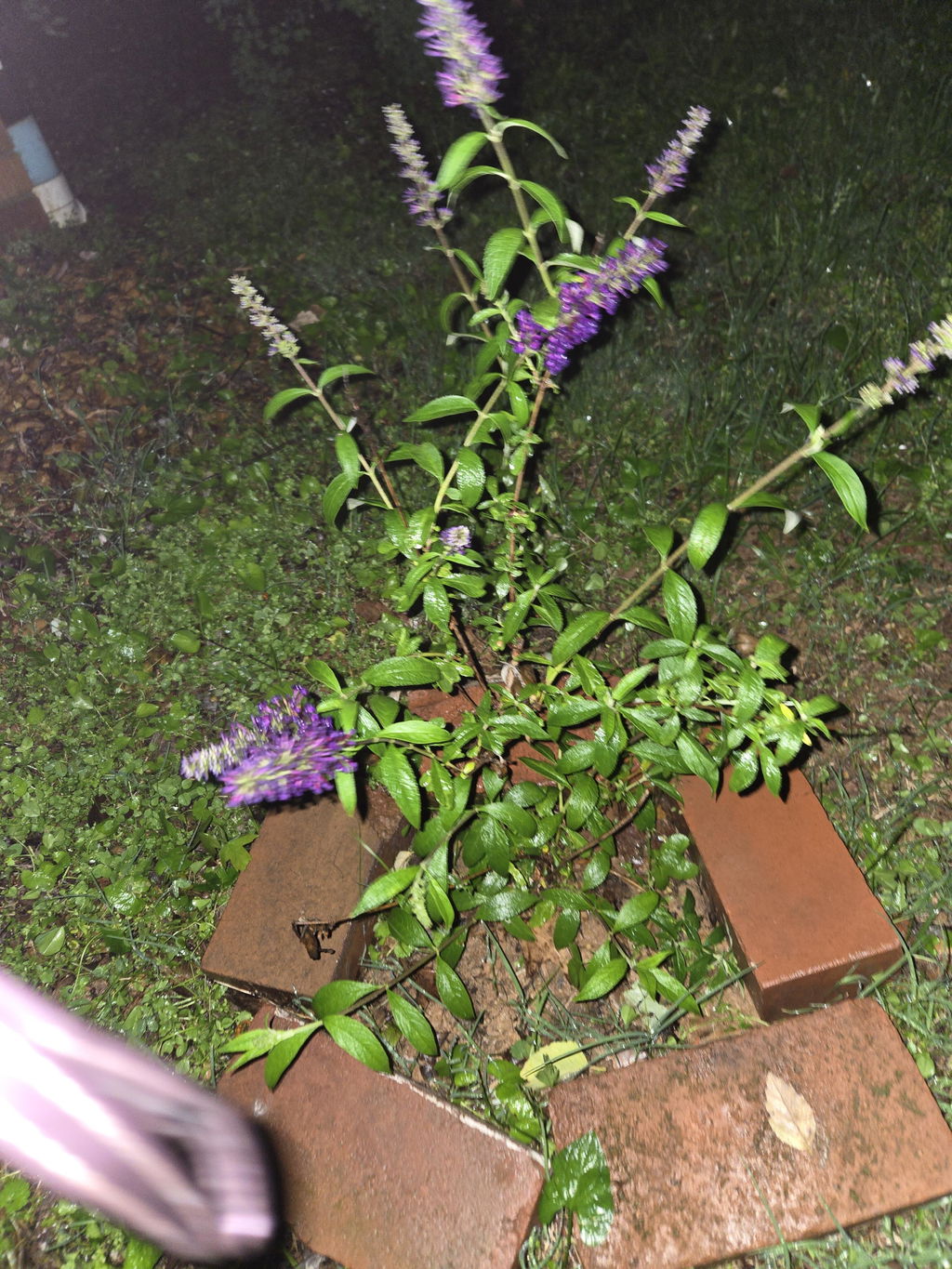
Bloomerang Dark Purple Lilac wasting no time is always a good sign. It tends to settle in and bloom with enthusiasm once it finds its footing, and yours sounds like it did exactly that. Thanks for sharing, Dana. As a rebloomer, it should give you another round of flowers later in the season once the main flush finishes.
It's growing very nicely.
Bloomerang is a great rebloomer once it settles in, so it's good to hear yours is off to a strong start, Gwen. Give it a season or two to really establish its roots and you should see those fragrant purple clusters coming back both in spring and again in late summer. Thanks for the update!
So far, so good. The plant is slowly growing. awaiting the flowering. No issues so far as it seems to have taken well to the soil and is thriving.
Bloomerang is a bit of a slow starter, but once it finds its footing it really hits its stride. The fact that it has taken to your soil well is a great sign. When those first blooms do open, the rebloom through fall makes the wait worthwhile. Thanks for the update, Joseph.
It came in good shape and is doing well in the ground. I expect no problems.
Bloomerang is a tough, adaptable lilac, and getting it settled in the ground quickly like you did gives it the best start. It should fill in nicely and reward you with blooms not just in spring but again in late summer. Thanks for the update, Teresa.
It was delivered in great shape and it's beautiful! Thank you so much!!
Bloomerang Dark Purple Lilac is a hard one to beat, especially when it arrives ready to go. Glad it made the trip well. It should reward you with a strong flush of bloom in spring and then rebloom again later in the season, which is one of the things that makes this variety worth growing. Thanks for the kind words, Clark.
They came to me healthy n well packaged
Healthy roots and good packaging make all the difference when a plant is traveling across the country, and we're glad both held up for you. Bloomerang Dark Purple is a tough, rewarding grower, and with that strong start you should be seeing those fragrant blooms before long. Thanks for letting us know it arrived in good shape, Audra.
It came with great care in packaging, alive and even with blooms. I have ordered from other companies- and because they didnt take the care of Nature Hill Nursery the other companies fall short— if i could give Nature Hill
10 Stars i would in comparison!
Horrible no blooms looks nothing like the pic
Great customer service and they stand behind their product 100%! Will definitely buy from them again!
Knowing you felt supported through the process means a lot to us, Lynn. The Bloomerang Dark Purple Lilac is a plant worth standing behind, and we are glad it worked out for you. We look forward to growing your garden together for years to come.
Delivery was supposed to happen before Mothers Day, as this was a Mothers Day gift. But it was weeks behind. And I called and sent messages to the customer service number to follow up, but nobody ever replied. This is completely unacceptable. And I will never shop from Nature Hills again.
The plant was in good shape when it arrived, finished the bed and planted it the next day. It is showing some growth and seems to like where it is. Hoping for some great lilac blooms next spring.
Bloomerang Dark Purple Lilac tends to settle in quickly once it finds a good spot, so the new growth is a great sign. It may surprise you with a few blooms this season before it really puts on a show next spring. Thanks for planting it and sharing the update, Greg. The Nature Hills Team
Beautiful and healthy 💝
I had a problem with an order and they were very helpful.
Glad the team was able to help get things sorted out, Gina. That is exactly what they are there for. We hope your Bloomerang Dark Purple Lilac settles in beautifully and gives you plenty of those fragrant blooms to enjoy.
#3 lilac cane promptly and was carefully packaged. Nice sized and nice shape.
Careful packaging makes a real difference with larger canes, so it's good to hear that came through. Bloomerang Dark Purple is a great choice, and once it settles in you should get that bonus fall rebloom on top of the spring flush. Thanks for the note, Judi. The Nature Hills Team
Very healthy plants, delivery was timely. Very satisfied with my purchase, and have mentioned Nature Hill Nursery to many of my friends when I tell them about my lilacs! Five stars!!
Bloomerang Dark Purple Lilac is such a great choice, and it's good to hear yours arrived in solid shape and on time. Word of mouth from a happy gardener is the best recommendation we could ask for. We hope your lilacs put on a great show for you and your friends for many seasons to come. Thank you, Deborah!
Plants arrived healthy and were planted immediately. Growing nicely and are happy!
Bloomerang Dark Purple Lilac is such a satisfying grower once it gets its roots settled, and it sounds like yours are off to a solid start. Planting right away on arrival really does make a difference. Enjoy the blooms, Janet, they tend to put on a good show in both spring and fall.
WOW! The plant came bigger and alive with blooms also. So much better than other nurserys I have had business with. Everyone this is the only place to get all online plants!!!
Bloomerang arriving in bloom is always a treat, and it sounds like yours made quite an entrance. We appreciate the kind words, Sharon, and we hope that lilac keeps putting on a show for you season after season. Bloomerang tends to rebloom in late summer too, so you have more flowers to look forward to.
They arrived blooming and healthy!
Bloomerang arriving in bloom is a great sign that it settled in well during shipping. That early bloom is just a preview too, since this one typically reblooms in late summer after a rest. Thanks for sharing, Diane, and enjoy the show! The Nature Hills Team
Pleased with the plant as it was in bloom when I got it and the blooms lasted. I was pleased to find a small lilac for my flower bed.
Bloomerang Dark Purple Lilac is a great fit for a flower bed since it stays compact but still gives you that full lilac experience. Getting it while it was in bloom is a nice bonus, and the fact that the blooms held up well after shipping is always a good sign of a healthy, well-rooted plant. As the name suggests, it should rebloom for you later in the season too, which is one of the things that makes this variety stand out. Thanks for sharing your experience, Smuscles.
Plant arrived in such good condition. I love it.
Bloomerang is a tough one to ship well, so it's good to hear it arrived in solid shape. It should settle in quickly and, once established, those dark purple blooms will keep coming back through the season well past the typical spring flush. Thanks for planting with us, Beverley.
Beautiful plant, very pleased
Bloomerang Dark Purple Lilac is a real standout, and it sounds like yours arrived ready to impress. It will keep rewarding you too since it reblooms in late summer after that big spring flush. Thanks for sharing, Richarda.
Love it and it is in bloom already
Bloomerang living up to its name right out of the gate. That repeat-blooming habit is one of the things that makes this lilac stand out from the classic once-and-done types, so it is great to hear yours hit the ground running. Enjoy those blooms, and look forward to another flush later in the season.
Beautiful. Came tall with lots of leaves.
Beautiful & full
Big plant! Arrived and was thigh high and wrapped well. In good health.
