
-
Corylus avellana 'Contorta'
PreorderRegular price $10663Unit price /Unavailable -
-
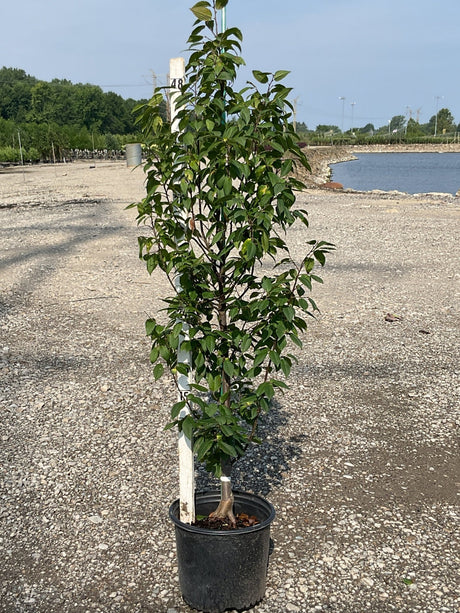
Carpinus betulus ‘Lucas’
New arrivalPreorderRegular price $9910Unit price /Unavailable -

-
-
-
-
-
-
-
-
-
-
-
Carya illinoinensis 'Pawnee'
Sold outRegular price $17497Unit price /Unavailable -
-
Castanea dentata x mollissima
Sold outRegular price $14975Unit price /Unavailable -
-
-
-
-
-
Carpinus caroliniana
Sold outUp to 16% offSale price From $10730 Regular price $12712Unit price /Unavailable -
-
-
-
Prunus dulcis 'Texas Mission'
Sold out13% offSale price $12963 Regular price $14981Unit price /Unavailable -
-
-

Corylus avellana 'Red Dragon'
Sold outRegular price $15571Unit price /Unavailable -
Carya illinoensis 'Desirable'
Sold outRegular price From $14984Unit price /Unavailable -
-
Carya illinoinensis 'Elliott'
Sold outRegular price $15976Unit price /Unavailable -
-
-


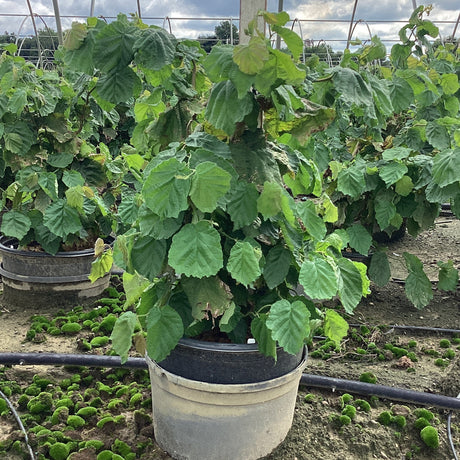


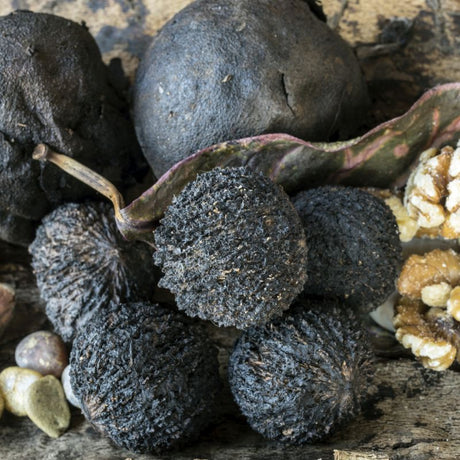


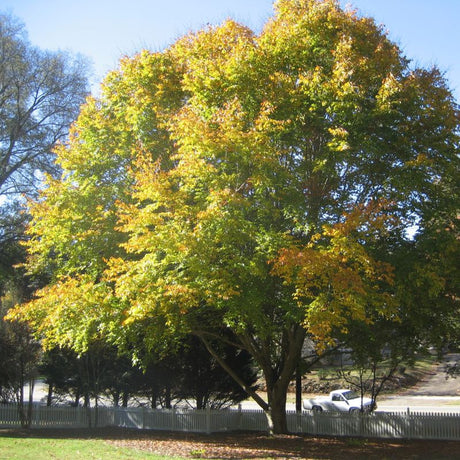
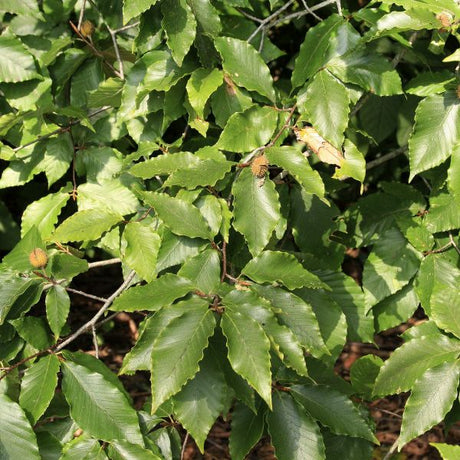
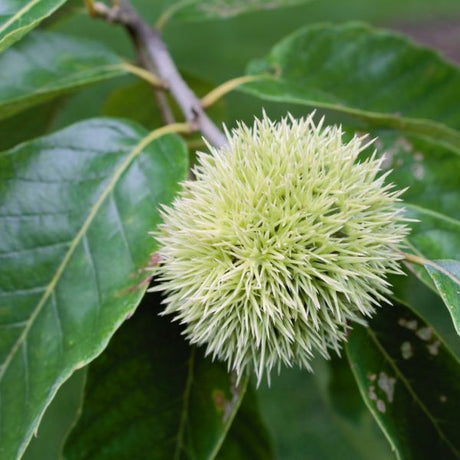
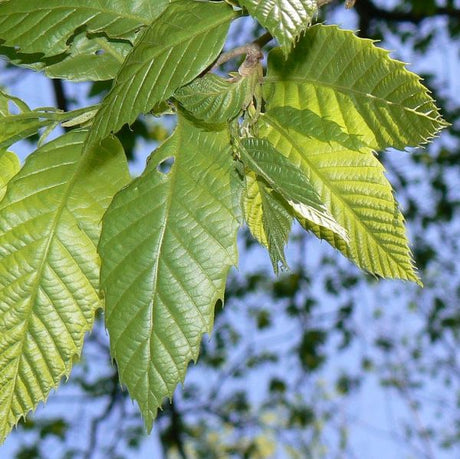
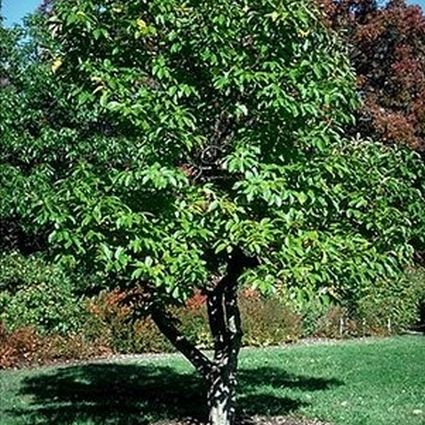
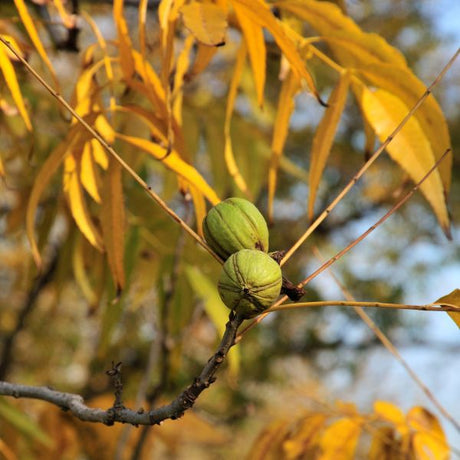
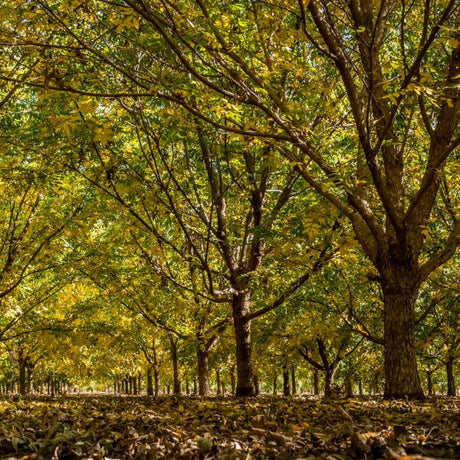

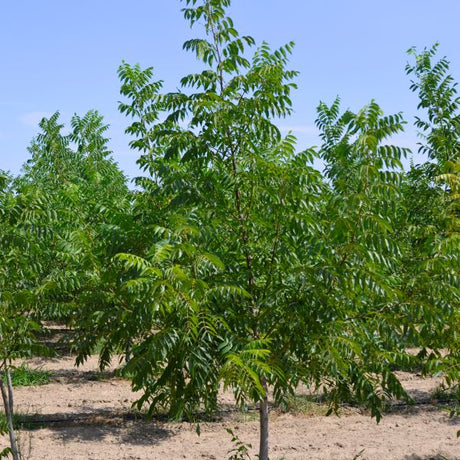


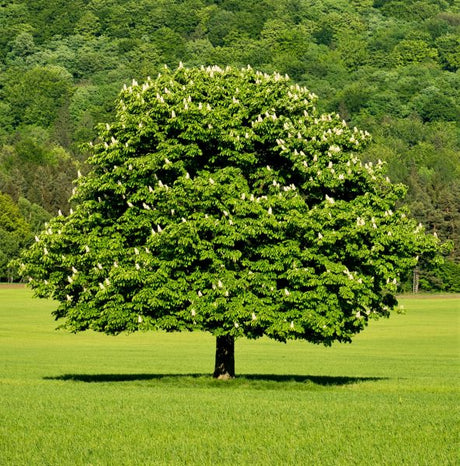
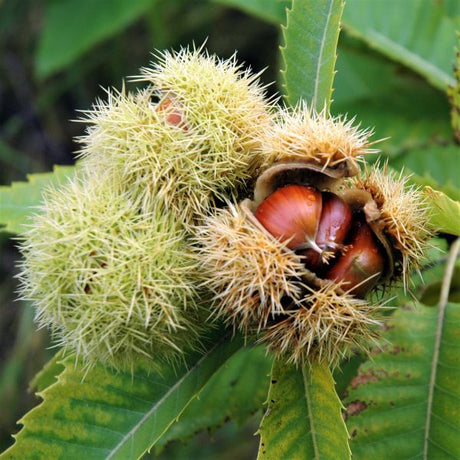
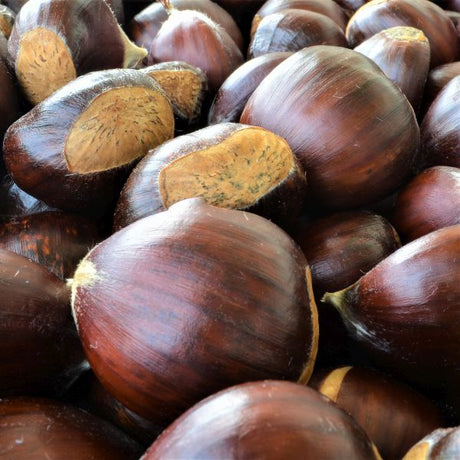


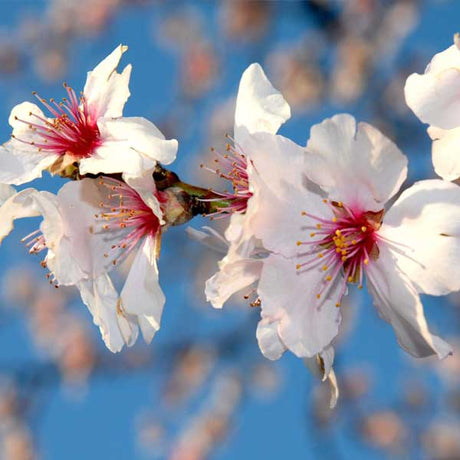
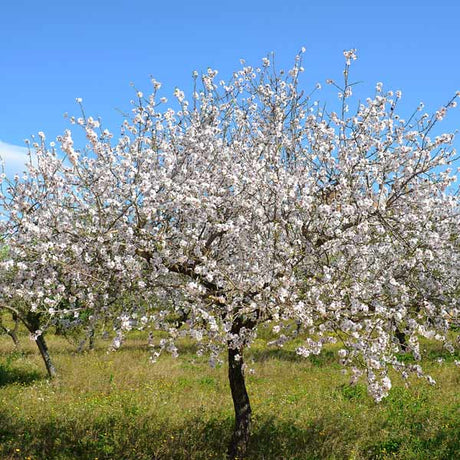


Buy Nut Trees at Nature Hills Nursery
Edible Nut Trees are very popular and sought-after edible landscaping and shade trees! The recent emphasis on healthy eating, providing habitat for wildlife, and backyard food sustainability has brought even more attention to edible Nut Trees!
Not Just For The Squirrels!

Nuts are one of the best plant sources of protein! They are rich in fiber, phytonutrients, and antioxidants such as Vitamin E and selenium. Nut trees such as Almonds, Hazelnuts, Pecans, and Walnuts are all touted as heart-friendly!
Nuts are an important source of nutrients for both humans and wildlife. Squirrels, turkeys, and many other wildlife species rely on nuts for a major part of their diet. Songbirds adore the shelter and strong limbs to nest in!
Non-Edible Nut Tree Varieties
Not all Nut Trees in this category are edible; most are just vital food sources for all walks of wildlife and birds!

Non-edible Nut trees in this category are:
- Chinese Pistache Tree
- Horse Chestnuts like Fort McNair Horse Chestnut
- Note that Buckeye Nuts are edible but must be peeled and roasted first
Nut Tree Uses as Landscape Trees
Edible and non-edible Nut Trees contribute to the landscape and your home's curb appeal with their stately size and lush shade attributes! Many of these trees also have fragrant spring flowers and fantastic fall color!
- Walnut and Pecan trees are good shade trees and are attractive specimen lawn trees.
- Hazelnut trees are used for their attractiveness in landscaping settings and work as shelterbelts, windbreaks, and hedges, as often as they are grown for their tasty nuts!
- Lumber from Pecan and Black Walnut trees is highly valued, and wood from these trees is used for many construction and tool-making endeavors.
- Almond trees have outstandingly gorgeous spring blossoms
- Horse Chestnut blooms will amaze you when they appear at the ends of each branch in upright spires! You'll be amazed again when the spikey seeds full of conkers, or large green clusters, appear later in the year!
- Hazelnut trees are more shrubby but also great specimen trees and create great hedges for screening and shelterbelts.
Pollinators adore the flowers of most of these Nut Tree varieties! When one of these trees is planted, songbirds will come! Sheltering limbs and lush foliage are prime real estate for birds to nest in and wildlife to take shelter among!
Unique Nut Trees To Choose From
Lesser-known Edible Nut trees to include in your landscape that are sure not to be common sights in your neighborhood are:
- Chestnut Tree
- Buckeye Trees
- Hornbeam Trees
- Beech Trees
- Butternut Trees
Quick Notes On Care
Nut Trees need full sun to do their best, and most need a well-drained site with ample room for their roots to spread.
Provide young trees with regular water and a 3-4 inch layer of mulch to get them established. Once established, supplemental moisture helps during the summer to set a large crop. Mulch beneath the canopy of mature trees makes nut clean up and collection easier and keeps the lawnmower from tossing a few.
Many Nut Trees, including Walnuts, Pecans, and Almonds, are not self-fertile and do best when there is a pollinator partner tree planted nearby. If this is the case, Nature Hills provides a list of suitable pollinator trees for you to view.

FAQ's for Buying Nut Trees Online
What are the best nut trees to grow in a home landscape?
What are the best nut trees to grow in a home landscape?
Some of the most popular nut trees for edible landscaping include Pecan, Almond, Hazelnut, and Walnut. These trees provide tasty harvests, beautiful spring flowers, and make excellent shade or specimen trees in the yard.
Do nut trees attract wildlife and pollinators?
Do nut trees attract wildlife and pollinators?
Yes! Nut trees offer shelter and food for birds, squirrels, turkeys, and pollinators. Their blossoms support bees and butterflies, while their branches provide nesting sites and habitat for various wildlife species.
Are all nut trees edible?
Are all nut trees edible?
No. While many nut trees produce edible nuts like almonds and pecans, others—like Horse Chestnut and Chinese Pistache—are primarily ornamental or wildlife-supporting. Always check variety details before planting for edible use.
Do nut trees need a pollinator partner to produce nuts?
Do nut trees need a pollinator partner to produce nuts?
Many nut trees, including Walnut, Pecan, and Almond, are not self-fertile and require a second compatible tree nearby for cross-pollination. Nature Hills lists suitable pollinator partners on each tree’s product page.
How do I care for nut trees?
How do I care for nut trees?
Plant nut trees in full sun with well-drained soil. Water regularly when young, mulch around the base, and allow ample space for root development. Established trees benefit from occasional deep watering, especially in summer, to support nut production.