
Smokey Serviceberry
Amelanchier alnifolia 'Smokey'
Plant Sentry™
Plant Sentry™

Plant Sentry™ Protected
Your order is protected by our compliance system that:
- Prevents restricted plants from shipping to your state
- Ensures plants meet your state's agricultural requirements
- Protects gardens from invasive pests and diseases
Delivery and Shipping
Delivery and Shipping
Delivery and Shipping
Fast, Safe Plant Delivery
Ships in 3-4 business days • Tracking provided • Weather protected
| Under $50 | $9.99 |
| $50 - $99.99 | $14.99 |
| $100 - $149.99 | $16.99 |
| $150 - $198.99 | $24.99 |
| $199+ | FREE |
✓ Zone-specific timing • ✓ Professional packaging • ✓ Health guarantee
Understanding Plant Options
Nature Hills offers plants in two main formats:
- Container Plants: Grown in pots with soil, sized by container volume and plant age
- Bare Root Plants: Dormant plants without soil, sized by height measurements
Container Plant Sizes
Container sizes indicate plant age and growing capacity rather than liquid volume equivalents. Our containers follow industry-standard nursery "trade gallon" specifications, which differ from standard liquid gallon measurements.
Young Plants (6 months to 18 months old)
| Container Size | Actual Volume | Metric Equivalent |
|---|---|---|
| 2" x 2" x 3" | 0.18 - 0.21 dry quarts | 0.20 - 0.23 dry liters |
| 4" Container | 0.31 - 0.87 dry quarts | 0.35 - 0.96 dry liters |
| 4.5" Container | 0.65 dry quarts | 0.72 dry liters |
| 6" Container | 1.4 dry quarts | 1.59 dry liters |
| 1 Quart | 1 dry quart | 1.1 dry liters |
| 5.5" Container | 1.89 dry quarts | 2.08 dry liters |
Established Plants (18 months to 2.5 years old)
| Container Size | Actual Volume | Metric Equivalent |
|---|---|---|
| 2 Quart | 2 dry quarts | 2.2 dry liters |
| #1 Container | 2.26 - 3.73 dry quarts | 2.49 - 4.11 dry liters |
| 5" x 5" x 12" | 3.5 - 4.3 dry quarts | 3.85 - 4.74 dry liters |
Mature Plants (2-4 years old)
| Container Size | Actual Volume | Metric Equivalent |
|---|---|---|
| #2 Container | 1.19 - 1.76 dry gallons | 5.24 - 7.75 dry liters |
| #3 Container | 2.15 - 2.76 dry gallons | 8.14 - 12.16 dry liters |
Large Plants (3-5 years old)
| Container Size | Actual Volume | Metric Equivalent |
|---|---|---|
| #5 Container | 2.92 - 4.62 dry gallons | 12.86 - 20.35 dry liters |
| #6 Container | 5.25 - 6.01 dry gallons | 23.12 - 26.42 dry liters |
| #7 Container | 5.98 - 6.53 dry gallons | 26.34 - 28.76 dry liters |
Bare Root Plants
Bare root plants are sold by height from the root system to the top of the plant. Plants may exceed minimum height requirements.
Common Sizes:
- Trees: 1 foot, 2 feet, 3 feet, 4 feet, 5 feet, 6 feet
- Shrubs & Perennials: 1 foot, 18 inches, 2 feet
Important Notes
Container Volume Specifications
- Trade Gallon Standard: Our containers follow industry-standard "trade gallon" specifications established by the American National Standards Institute (ANSI Z60.1) for nursery stock
- Volume Variations: Actual soil volume may vary due to plant root systems and growing medium settlement
- Age Indicators: Container size primarily indicates plant age and maturity rather than liquid volume equivalents
Growing Conditions
- Plant size can vary based on variety and growing conditions
- Container size helps indicate plant maturity and establishment level
- Larger containers generally mean more established root systems and faster landscape establishment
Seasonal Availability
- Bare root plants are available seasonally when dormant
- Container plants are available throughout the growing season
- Specific varieties may have limited availability in certain sizes
Questions?
For questions about specific plant sizes or availability, please contact our plant experts who can help you choose the right size for your landscape needs.
Plant Sentry™ Protected
Your order is protected by our compliance system that:
- Prevents restricted plants from shipping to your state
- Ensures plants meet your state's agricultural requirements
- Protects gardens from invasive pests and diseases
Plant Profile & Growing Essentials
Cold hardy, Edible, Flowering, Attracts pollinators, Fast-growing, Fragrant, and Drought resistant
-
Botanical Name
-
Height
-
Width
-
Growing Zones
-
Sunlight
-
Growth RateModerate
-
Flower Color
-
Leaf Color
-
NativeYes
-
Pollinator FriendlyYes
-
FragrantYes
-
Bloom PeriodEarly Spring, Late Spring, Early Summer, Late Summer
-
Does Not Ship ToAK, HI, ID, MT
If you’re looking for a hard-working multitasker that brings both gourmet fruit and four-season beauty to your yard, let me introduce you to the Smokey Serviceberry (Amelanchier alnifolia 'Smokey'). Often called the Saskatoon Berry or Western Juneberry, this particular cultivar is widely considered the gold standard for fruit production. It’s a versatile, multi-stemmed shrub that feels just as at home in a formal edible landscape as it does in a rugged windbreak or a wildlife-friendly hedgerow.
Spring Blooms and Pollinator Appeal
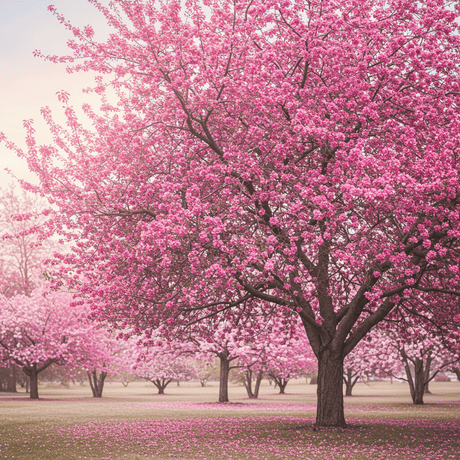
The show starts in early spring when the Smokey Serviceberry is smothered in a cloud of fragrant, star-shaped white flowers. These blossoms emerge just as the foliage begins to unfurl, providing a critical early nectar source for bees and butterflies. Because 'Smokey' blooms slightly later than some other Amelanchier species, it often escapes the late spring frosts that can nip the flowers of more sensitive fruit trees.
Summer Bounty: The Gourmet Saskatoon
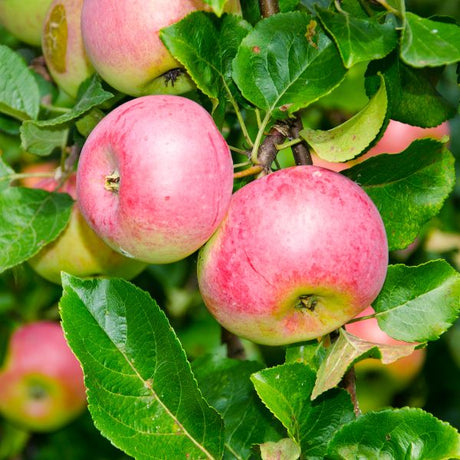
By June or July, the flowers give way to heavy clusters of berries. The 'Smokey' cultivar is famous for its large, round, dark-purple fruit that looks remarkably like a blueberry but carries a complex, nutty flavor with a hint of almond. These berries have a higher flesh-to-seed ratio than wild varieties, making them the top choice for pies, preserves, and fresh eating. Just be prepared to share—songbirds find these nutrient-dense pomes absolutely irresistible.
Autumn Color and Winter Structure
As the summer heat fades, the Smokey Serviceberry doesn't stop performing. The deep green, rounded leaves transition into a vibrant display of yellow, orange, and occasional red hues. Once the leaves drop, you’re left with a clean, upright architectural form and smooth gray bark that provides visual interest against the winter snow. This is a tough-as-nails shrub that stands up to heavy snow loads and harsh winds without losing its graceful shape.