


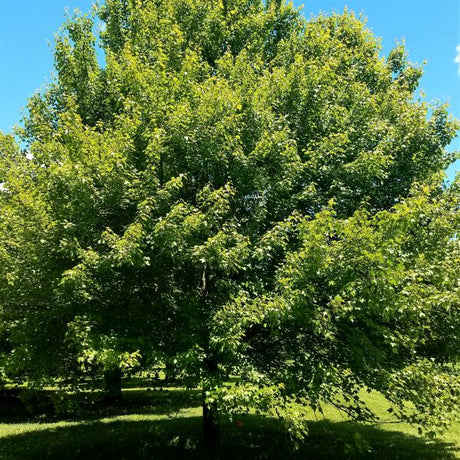
Sugar Maple Tree
Acer saccharum


Plant Sentry™ Protected
Your order is protected by our compliance system that:
- Prevents restricted plants from shipping to your state
- Ensures plants meet your state's agricultural requirements
- Protects gardens from invasive pests and diseases
Specifications
| Hardiness Zone | 3a to 8b |
|---|---|
| Sunlight | Full sun |
| Height | |
| Width | |
| Growth Rate | Fast |
| Watering Needs | Moderate |
| Preferred Soil | Clay, Loamy, Peaty, Sandy |
| Landscape Use | Woodland Garden |
| Blooms In | Spring |
| Flower Color | Yellow |
| Native | Yes |
| Native To |
Alabama,
Arkansas,
Connecticut,
Delaware,
Georgia,
Illinois,
Indiana,
Iowa,
Kansas,
Kentucky,
Louisiana,
Maine,
Maryland,
Massachusetts,
Michigan,
Minnesota,
Mississippi,
Missouri,
Nebraska,
New Hampshire,
New Jersey,
New York,
North Carolina,
North Dakota,
Ohio,
Oklahoma,
Pennsylvania,
Rhode Island,
South Carolina,
South Dakota,
Tennessee,
Texas,
Vermont,
Virginia,
Washington DC,
West Virginia,
Wisconsin
+31 moreshow less |
| Plant Characteristics | Cold hardy, Native, Fall Color/Interest, Clay Tolerant, Non-invasive |
| Botanical Name | |
| Does Not Ship To | AK, HI, ID, MT, PR, VI |
Description
Outstanding Fall Color, Sweet as Sugar Maple Syrup
- Yellow, Orange & Red Autumn Colors
- Edible Sweet Sap - Makes Scrumptious Maple Syrup
- Fast Growing
- Supports Nesting Birds
- Cold-Hardy
The Sugar Maple Tree (Acer saccharum) is a deciduous tree known for its brilliant fall colors and sap that is the primary source of maple syrup. For over 300 years, the Sugar Maple has played an important part in the diet of many Americans.
The native Americans who had been enjoying the attributes of this wonderful fruitful plant for centuries, were quick to share it with the early North American settlers. John Smith, leader of the Virginia Colony at Jamestown in the early 1600s, was one of the first to report about this tree that produced an outstanding sugar substitute.
When the dark green leaves turn a vivid eye-catching yellow, red, and orange in autumn, you'll understand why Sugar Maple is best known for its spectacular fall beauty. Imagine flaming crimson, burnt orange, and brilliant yellow displayed on the Sugar Maple Tree all at the same time!
The effect of the variety of changing colors will dazzle you and your neighbors. It is one of the most remarkable fall displays of color you will see in your neighborhood.
Sugar Maples are one of the most incredible landscape trees available for several reasons. They quickly grow straight and true with a rounded crown that's not only attractive for your yard but also perfect for supplying a little shade on a summer day.
Unlike a lot of trees, Sugar Maple will do well even in the shade of other trees in your yard, and it won't mind heat or drought. It's adaptable to many conditions.
Sweeter than the syrup of other Maple Saps like the Black Maple (Acer nigrum) or the Red Maple (Acer rubrum), the Sugar Maple sap produces syrup that is less cloudy and of higher quality than the others.
It's so easy to drain off some sap as it rises in early spring and boil it down. Give samples of your syrup to friends and family!
Sugar Maples are also prized for their wood. It's very hard and dense, making it a good choice for everything from furniture to flooring.
Magnificent fall color, beautiful and hardy shade tree, delectable maple syrup...any one of these features would make the Sugar Maple an outstanding choice for your yard. In short, the Sugar Maple has it all so order one for yourself today!
How to Use Sugar Maple in the Landscape
Use a single Sugar Maple tree as an incredible shade tree on the lawn. Give it plenty of room to grow into its full mature height and spread.
With those shallow Maple roots, it's best not to plant too close to concrete. Plant it 30 feet away from sidewalks, driveways, or patios.
If you have the room and are entrepreneurial-minded, try growing them in a large orchard to provide a cash crop. March and April are sugaring season when the warmer temperatures encourage the tree to convert stored starches into sugar.
Sap contains 2% sugar, and it takes about 40 gallons of sap to create a gallon of delicious maple syrup. Plan to sell your Maple syrup at Farmer's Markets and online.
For a continuous hedge, plant them 15 feet apart, measuring from trunk to trunk. The canopies of the trees will grow together in time.
To give each tree its own space to develop into individual trees, plant them 25 feet apart on center. No matter what size you order from Nature Hills, you'll measure from the trunk of one to the trunk of the next.
You'll get a big jump on a mature tree by buying the largest container size we have in stock.
This is a perfect tree for lining a country road that sees less traffic. They make a magnificent stand where the trees can be spaced to let them reach maximum height and spread.
#ProPlantTips for Care
Barry Bonds had his best year of hitting home runs (73) in 2001 when he switched from the traditional Ash wood used for bats to bats made from the wood of the Sugar Maple.
Though adaptable to many soil conditions, the Sugar Maple prefers slightly acidic soils. It will not tolerate high-saline soils. The tree can also be affected by heavily compacted soils and is very sensitive to air pollution.
In areas with higher pH soils, urban pollution, and compaction, the Norway Maple (Acer platanoides) is recommended as a substitute.
The lovely native tree casts wonderful shade, becomes a home for your local songbirds, and delivers impressive fall color when the leaves turn yellow, orange, and red. All that, and the chance to produce exquisite maple syrup? What a wonderful tree! Order your Sugar Maple Tree today!
Explore More from Nature Hills
Sugar Maples are among the most beloved maple tree varieties and excellent choices for those seeking reliable native plants for their landscape. These hardy specimens work well in northern climates as zone 3 plants, trees & shrubs and zone 4 plants, trees & shrubs. For best results, review our guide on Six Steps For Planting Maple Trees and learn about The Differences in Maple Tree Varieties! to help you choose the perfect addition to your property.
Planting & Care
Delivery and Shipping
Shipping Rates
Ships in 3-5 business days • Tracking provided • Weather protected
| Under $50 | $9.99 |
| $50 - $99.99 | $14.99 |
| $100 - $149.99 | $16.99 |
| $150 - $198.99 | $24.99 |
| $199+ | FREE |
✓ Zone-specific timing • ✓ Professional packaging • ✓ Health guarantee
Find on Page
Type to search specs, description, care, FAQ, and shipping.
Other Maple varieties
-

Acer x freemanii 'Autumn Blaze'
50% offSale price $5950 Regular price $11900Unit price /Unavailable -

Acer palmatum 'Atropurpureum'
Regular price From $6837Unit price /Unavailable -

Samurai Sword™ Japanese Maple Tree
Acer palmatum 'Samurai Sword'
Regular price $16039Unit price /Unavailable -

-
-

Acer rubrum 'October Glory'
Regular price $6900Unit price /Unavailable -

Acer palmatum 'Sango Kaku'
Regular price From $8736Unit price /Unavailable -


The end of the box was crushed and it broke off the top of the tree. I still planted it and it's seems to be doing ok.
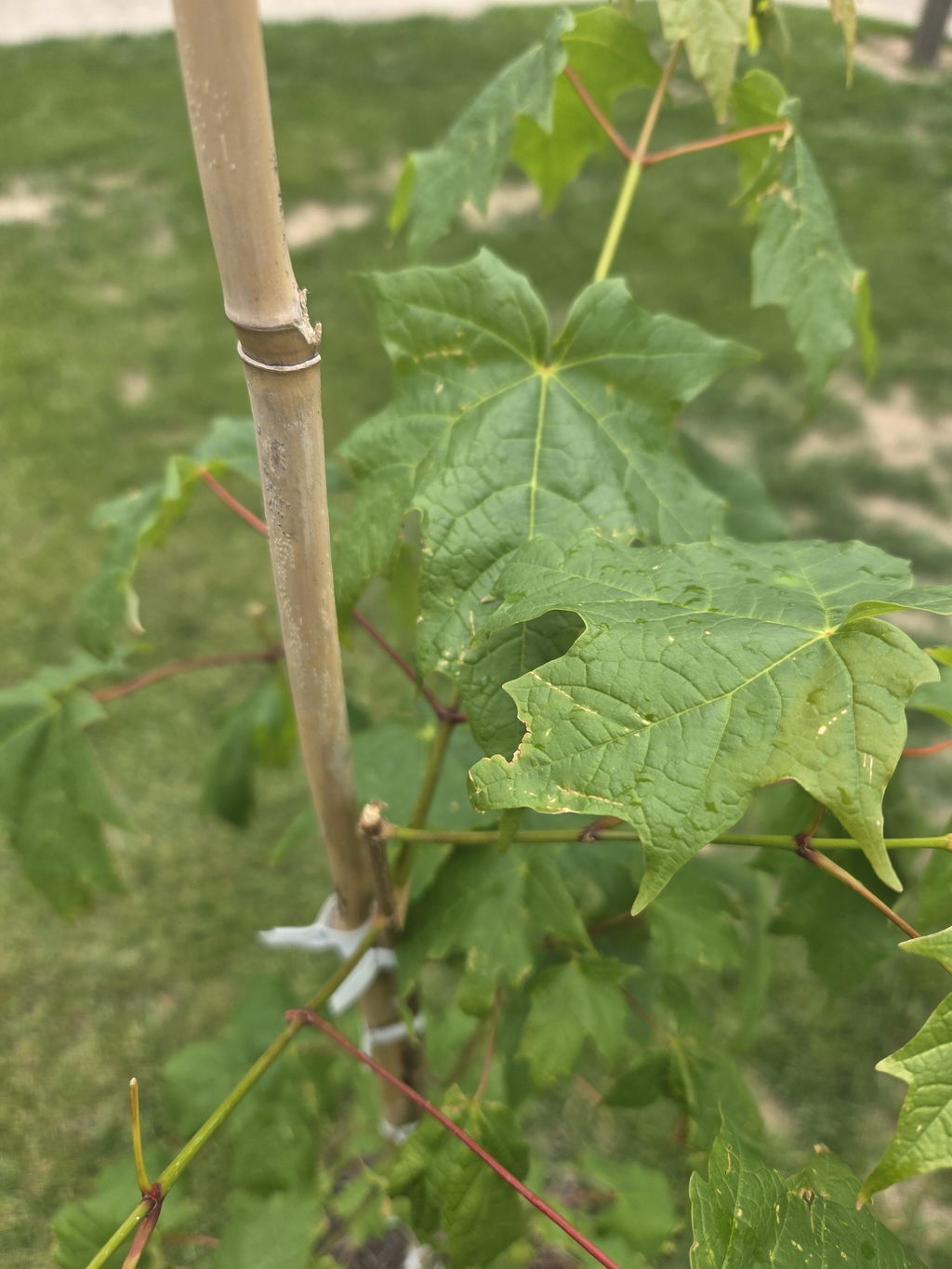
The tree arrived quickly and healthy. It's doing great.
Healthy arrival and strong early growth are exactly what you want to see with a Sugar Maple. Give it a good root zone of mulch as it settles in, and it should reward you with that incredible fall color for decades to come. Thanks for sharing the update, Robert.
will have to wait till spring. currently looking a little sickly, but has not dropped all its leaves yet.
Hi Bill,
Thank you so much for sharing your update about your sugar maple. It’s completely understandable that it might look a bit under the weather right now, especially during the colder months—many deciduous trees hold on to some leaves before they naturally drop them as part of their seasonal cycle.
As you wait for spring, try to ensure your maple is receiving proper care: mulching around the base can help regulate soil temperature and moisture, and avoiding overwatering is helpful when growth is slower in colder weather. If you have any concerns come spring, like unusual leaf discoloration or pests, please don’t hesitate to reach out—we’re always here to assist! You can also visit our Care Guides on the NatureHills.com website; they offer great tips for sugar maples during every season.
Wishing you happy planting,
The Nature Hills Plant Experts
will have to wait till spring. currently looking a little sickly, but has not dropped all its leaves yet.
Hello Bill,
Thank you so much for sharing an update about your sugar maple! It’s great to hear that its leaves are still hanging on, even if it looks a bit under the weather right now. Sugar maples can sometimes lose their vibrancy in colder months but usually bounce back beautifully in spring.
As you wait for that sunnier season, make sure to keep an eye on soil moisture — the roots need just enough water without sitting too wet. Once spring arrives, giving it some gentle pruning and perhaps a balanced fertilizer can encourage healthy new growth. If you notice any pests or unusual spots, feel free to reach out; we’re here to guide you.
We’d love to keep supporting you as your sugar maple grows strong and healthy!
Growing with you,
Nature Hills Nursery – Your Trusted Plant Specialists
Very pretty
Hello Guest,
Thank you so much for your kind words! We’re delighted to hear that you find your new plant very pretty. If you ever have any questions about its care or want tips on how to keep your garden flourishing, please don’t hesitate to reach out. We’re here to help you enjoy every moment of your gardening journey.
Wishing you happy planting,
The Nature Hills Plant Experts
Very pretty
Hello Guest,
Thank you so much for your kind words! We’re delighted to hear that you find your plants very pretty. If you ever have any questions or want tips to help your garden flourish even more, please don’t hesitate to reach out—we’re always here to support your green journey.
Happy planting and may your garden continue to thrive!
Rooting for your garden’s success,
Your Nature Hills Plant Care Team
I still prefer the fall color of the sugar maple over all other maples. Nothing has bested it yet, in my opinion.
Hi Alen,
Thank you so much for sharing your appreciation for the Sugar Maple’s fall color! We wholeheartedly agree—its vibrant reds, oranges, and yellows truly create a spectacular autumn display that’s hard to beat. It’s wonderful to hear that your tree continues to bring such seasonal joy.
If you’re interested in boosting that colorful show even more year after year, consider giving your Sugar Maple plenty of water during dry spells and a mulched base to retain moisture and regulate soil temperature. Avoid over-fertilizing, as this can encourage excessive leaf growth at the expense of color intensity. Also, make sure your tree is planted in well-drained soil and exposure that lies between full to partial sun.
If you ever want tips on companion trees or plants that enhance a fall landscape, feel free to ask — we’re always here to help you cultivate even more beauty!
Bloom on,
The Nature Hills Plant Knowledge Team
I still prefer the fall color of the sugar maple over all other maples. Nothing has bested it yet, in my opinion.
Hello Alen,
Thank you so much for sharing your appreciation for the Sugar Maple’s fall color! We absolutely agree—the rich, vibrant hues it brings every autumn are truly unmatched and bring so much warmth and beauty to any landscape. It’s wonderful to hear how much you value this classic tree’s seasonal splendor.
If you’re ever looking for tips on maximizing your Sugar Maple’s color display, consider ensuring it gets full sun and well-drained soil, which can really enhance the leaf flushing. Moisture management through regular watering during dry spells also helps maintain its brilliant shades. Of course, we’re always here if you’d like any guidance on care or suggestions for companion plants to complement your Sugar Maple in the landscape.
Wishing you happy planting,
The Nature Hills Plant Experts
besides maple syrup,a great specimen tree, ablaze of color in the fall, and makes strong furniture,it does every thing except flower!
Dear Tree H.,
Thank you so much for sharing your thoughtful review of the Sugar Maple Tree! We absolutely agree—this tree is truly a magnificent specimen with its stunning fall foliage and strong wood that’s treasured for furniture making. While it may not produce showy flowers, its vibrant golden, orange, and red leaves certainly more than compensate, adding such warmth and brilliance to your landscape each year.
If you’re interested in enhancing your garden further, consider pairing Sugar Maples with flowering underplantings or shrubs to bring blooms to the area. Additionally, providing rich, well-drained soil and consistent moisture will help your maple stay healthy and vibrant season after season. If you ever have questions about care or looking to expand your collection with complementary plants, we’re always here to help!
Wishing you happy planting,
The Nature Hills Plant Experts
We just had two sugar maples planted in ower front yard.They have beautiful bright leaves.The trees are only about 3" trunks,and about 20 feet tall.But we are looking forward to seeing them in fall color year,after year.
Dear Stiffler,
Thank you so much for sharing your experience with your new Sugar Maple trees! We're delighted to hear that their bright leaves are already adding beauty to your front yard. At just 3' trunks and about 20 feet tall, your maples have a wonderful start and with proper care, they’ll surely reward you with those breathtaking fall colors year after year.
To help your Sugar Maples thrive, consider deep watering during dry spells and keeping the soil mulched to retain moisture and suppress weeds. Also, since they’re a young planting, protecting the trunk from lawn equipment and checking periodically for pests will make a big difference. If you ever want tips on fertilizing or faster growth support, feel free to reach out, and we’ll be happy to guide you.
Enjoy watching your trees grow and put on their spectacular seasonal display!
Bloom on,
The Nature Hills Plant Knowledge Team
I had a wonderful sugar maple in my yard that was about 70 ft tall and approx 50 years old. My next door neighbor one day came into my backyard and cut the entire tree down b/c he was concerned that it was to close to his house.
Dear I M.,
Thank you so much for sharing your story about your beloved sugar maple. We’re truly sorry to hear about the unexpected loss of such a majestic and cherished tree—it’s clear it held a special place in your heart and your yard. It can be tough when neighbors’ concerns lead to tough decisions like this.
If you’re considering planting another sugar maple or perhaps a different tree that might suit your yard and neighborhood situation, we’d be glad to help you find options with optimal placement advice to minimize potential conflicts. Our planting guides and tree selection resources can offer tips on spacing, root growth, and tree height to ensure both your property and neighbors feel comfortable and your new tree thrives for decades to come.
Please don’t hesitate to reach out if you’d like assistance picking the perfect new addition to your landscape—we’re here to help you grow lasting beauty.
Rooting for your garden’s success,
Your Nature Hills Plant Care Team
I really love this tree. It has big dark green leaves in summer and fantastic fall color. It is one of the first trees to turn colors in the fall. Starting in early to mid october my tree turns to a combination of bright orange/red and orange/yellow color. The color is at its peak around Halloween. It seems that the side of the tree that faces the sun will turn more orange/red and the leaves that are more in the shade will turn more orange/yellow. But either way the colors are very bright and the overall look is breathtaking! The tree grows about 12-18" a year when young and slows down as it gets older. The only negative thing I can say about the tree is that it undergoes stress pretty easily. Many trees under stress will actually start to turn fall colors in late august or early september! I wish this tree was planted more by gardeners and home owners instead of the similar looking but a real garbage tree called the Norway Maple!
Dear Chris,
Thank you so much for taking the time to share your wonderful experience with your Sugar Maple tree. We’re absolutely delighted to hear how much you love its vibrant summer foliage and spectacular fall color display. Your detailed observations about the color variations influenced by sun exposure are spot-on and really highlight how dynamic these trees can be through the seasons.
You made a great point about the stress sensitivity of Sugar Maples and how it can affect the timing of their leaf color changes. To help keep your tree healthy and minimize stress, you might find it helpful to mulch around the base in late spring, which helps retain soil moisture and regulate temperature. Proper watering during unusually dry or hot spells can also support its vigor. If you’re interested, our website has a lovely Care Guide specifically for Sugar Maples that includes tips to ensure your beauty enjoys a long, healthy life!
We really appreciate your advocacy for this tree over the Norway Maple. Sweetennials like yours bring amazing color and benefit to landscapes, and your passionate review will surely inspire others to choose wisely.
Feel free to reach out anytime if you have more questions or want personalized advice for your planting zones and local conditions.
Wishing you happy planting,
The Nature Hills Plant Experts
We moved from Conn. and I really miss our Sugar Maple. It was a Mothers Day gift from my husband, and every October it gave such a great show. I took pictures of it every year as it seemed more brilliant as it got older. Im sure the new people that bought our house will enjoy it as much as we did.
Dear Barbi,
Thank you so much for sharing your heartfelt story about your Sugar Maple Tree. It’s wonderful to hear how much joy those vibrant colors and memories brought you each fall—truly a special Mother's Day gift from your husband. We can understand the bittersweet feeling of leaving behind such a cherished part of your garden, but rest assured, the new homeowners will hopefully appreciate and treasure that brilliant display just as much as you did.
If you’re thinking of bringing another Sugar Maple into your new home’s landscape, we’d love to help you select the perfect tree and provide tips on how to nurture it to show off those brilliant fall hues year after year. For example, Sugar Maples thrive in well-drained soils and healthy roots will produce the leaf pigment richness you once adored.
Feel free to reach out anytime for drying tips, planting advice, or even to share photos as you watch a new era begin with another treasured Sugar Maple in your care.
Wishing you happy planting,
The Nature Hills Plant Experts
nice
Hello country boy,
Thank you so much for taking the time to share your kind words about your Sugar Maple Tree purchase. We're delighted to hear that it has been helpful for you! Sugar Maples are wonderfully rewarding trees that add beauty and shade to any landscape, and we hope yours continues to thrive.
If you have any questions about care, planting tips, or anything else as your tree grows, don’t hesitate to reach out. For example, ensuring the soil stays moist but not soggy can really help young Sugar Maples establish strong roots. Our care guides online are always here should you want more detailed advice anytime.
Wishing you happy planting,
The Nature Hills Plant Experts
nice
Dear Country B.,
Thank you so much for taking the time to share your feedback about your Sugar Maple Tree! We're thrilled to hear you found our service helpful, and we're glad your tree is a nice addition to your space. If you ever have any questions about caring for your Sugar Maple—whether it's tip pruning, watering, or optimal planting conditions—please don’t hesitate to reach out. We’re here to support you in every step of your tree-growing journey.
Wishing you happy planting,
The Nature Hills Plant Experts
We had an ice storm this spring and my sugar maple had no damage and my other trees suffered some broken branches.
Hello Pa B.,
Thank you so much for sharing your experience with your Sugar Maple Tree! It’s wonderful to hear that your tree withstood the ice storm so well while others suffered damage. Sugar Maples are known for their hardiness, and your story is a great testament to their resilience during challenging weather conditions.
To help keep that Sugar Maple thriving through all seasons, be sure to continue providing good care by watering deeply during dry spells and keeping an eye out for signs of stress after harsh weather. If you’re ever curious about tips on mitigating winter storm damage or general tree care, our experts are always here to help!
Thanks again for your feedback—stories like yours inspire us and other gardeners alike.
Rooting for your garden’s success,
Your Nature Hills Plant Care Team
We had an ice storm this spring and my sugar maple had no damage and my other trees suffered some broken branches.
Dear PaPa Bill,
Thank you so much for sharing your experience with your sugar maple tree! We’re delighted to hear that it withstood the ice storm without any damage, especially while your other trees suffered broken branches. Sugar maples are indeed hardy selections known for their resilience, and your feedback underscores just how well they can perform under difficult weather conditions.
If you haven’t already, continuing to care for your sugar maple by keeping the soil moist but well-drained and applying a layer of mulch can help further protect its roots through sudden temperature changes. Also, regular pruning after storms can help remove any weakened branches from other trees to prevent future damage and encourage healthy growth.
Please don’t hesitate to reach out if you’d like personalized tips on nurturing your sugar maple or selecting other durable trees suited for your climate.
Wishing you happy planting,
The Nature Hills Plant Experts
Purchased one for my front yard two years ago and I am back to get one for my backyard. It's the brightest tree on the block in fall.
Hi Don,
Thank you so much for your wonderful feedback! We're thrilled to hear that your Sugar Maple has been such a standout in your front yard—nothing brightens a neighborhood quite like those stunning fall colors. It's fantastic that you're coming back to add another for your backyard; it sounds like your whole property is set to become a vibrant and inviting space!
If you'd like, we’d be happy to share some tips on caring for your new maple as you plant it in the backyard, including the best soil conditions and watering practices to help it thrive. Feel free to reach out anytime for personalized advice—we’re always here to support your growing landscape!
Bloom on,
The Nature Hills Plant Knowledge Team
Purchased one for my front yard two years ago and I am back to get one for my backyard. It's the brightest tree on the block in fall.
Dear Don,
Thank you so much for your wonderful review! We’re truly delighted to hear that your Sugar Maple has been such a vibrant addition to your front yard and that it's now shining brightly in your backyard too. The brilliant fall colors of this tree certainly make any landscape come alive with warmth and beauty.
If you’re considering planting it soon, be sure to keep multipurpose mulch around the base to maintain moisture and provide nutrients as the seasons change. Also, watering consistently during dry spells really helps young maples establish strong roots. If you need any tips or specific care advice as your new Sugar Maple flourishes, feel free to reach out anytime.
Wishing you happy planting,
The Nature Hills Plant Experts
A great tree - I will be back for more.
Hi Thomas,
Thank you so much for your wonderful review of the Sugar Maple Tree! We're thrilled to hear that you are pleased with your new tree and that you plan on coming back for more. Sugar Maples are truly beautiful additions to any landscape, offering spectacular color and shade.
If you ever need tips on care, watering, or seasonal maintenance to keep your maple healthy and thriving, we’re here to help. Feel free to revisit our Plant Care Guides or reach out with any questions. Watching your garden grow brings us so much joy!
Bloom on,
The Nature Hills Plant Knowledge Team
A great tree - I will be back for more.
Hi Thomas,
Thank you so much for your thoughtful review of the Sugar Maple Tree! We're delighted to hear that you’re happy with your purchase and that your new tree is a great addition to your space. Sugar Maples thrive with some care, so a tip is to make sure it gets plenty of sunlight and consistent watering during its first few years to establish strong roots. We look forward to helping you find more beautiful plants to grow with, whenever you’re ready to expand your garden.
Bloom on,
The Nature Hills Plant Knowledge Team
I am filling my yard with shade trees that have good fall color and this one is probably the brightest most colorful so far. Very happy with this purchase.
Hi Fred,
Thank you so much for sharing your wonderful experience with your Sugar Maple tree! We’re thrilled to hear it has added such vibrant fall color to your yard—that bright, colorful display truly makes shade trees special. It sounds like your collection of shade trees is shaping up beautifully!
If you ever want advice on care tips to keep your maple and other trees healthy season after season, feel free to reach out. Proper watering and mulching go a long way toward vibrant leaves and strong growth. We also have detailed guides on leaf color enhancement that you might find helpful.
Wishing you happy planting,
The Nature Hills Plant Experts
