

Summer Snow® Gardenia
Gerdenia jasminoides 'Bab1183' PP22797


Plant Sentry™ Protected
Your order is protected by our compliance system that:
- Prevents restricted plants from shipping to your state
- Ensures plants meet your state's agricultural requirements
- Protects gardens from invasive pests and diseases
Specifications
| Plant Characteristics | Cold hardy, Disease resistant, Evergreen, Fragrant, Flowering, Deer-resistant, Attracts pollinators |
|---|---|
| Sunlight | Full sun, Partial shade |
| Height | |
| Width | |
| Watering Needs | Moderate |
| Growth Rate | Moderate |
| Blooms In | Summer, Fall |
| Flower Color | White |
| Foliage Color | Green |
| Fragrant | Yes |
| Suitable Space | Outdoors, Indoors |
| Plant Name | Gardenia |
| Botanical Name | |
| Species | |
| Cultivar | |
| Class | Magnoliopsida, Magnoliidae |
| Does Not Ship To | AK, HI, ID, MT, PR |
Description
Summer Snow® Gardenia – Fragrant Reblooming Evergreen
The Summer Snow® Gardenia PP#22797 (Gardenia jasminoides 'Bab1183') is an exceptional broadleaf evergreen shrub renowned for its prolific, fragrant, creamy white blooms that repeat all summer long! This reblooming cultivar is a compact variety, perfect for smaller spaces where its heady, jasmine-like perfume can be appreciated up close.
As one of the few Gardenias that reliably rebloom, Summer Snow® brings waves of floral beauty from late spring to fall, adding elegance and fragrance to any garden nook!
This Gardenia's form is tight and rounded, typically growing 2-3 feet tall and wide. Its lustrous, deep green leaves are leathery and evergreen, creating a rich, glossy backdrop that highlights the pure white flowers beautifully. The foliage remains attractive year-round, and though the blooms fade to a buttery cream, they retain their perfume and charm!
Key Features
- Strong fragrance with classic jasmine scent
- Reblooming all summer long into fall
- Compact, rounded shape (4 to 5 ft tall/wide)
- Glossy, broadleafevergreen foliage
- Cold-hardy and disease-resistant hybrid
Ideal for containers, walkways, patios - Great in warmer climates (zones 6-10)
Landscaping Uses
The Summer Snow® Gardenia is a petite powerhouse, growing just 4 to 5 feet tall and wide with a symmetrical, rounded habit.
Native to warm, humid regions of East Asia, Gardenias have long been cultivated for their fragrance and symbolic purity. Unlike some larger Gardenia species, Summer Snow® has a tidy natural form ideal for patios, containers, and foundation plantings!
Summer Snow® thrives in USDA growing zones 6-10 and is known for its improved cold hardiness and disease resistance. In the language of flowers, Gardenias signify secret love, elegance, and refinement.
- Line garden borders with fragrant charm or add a glossy year-round backdrop
- Grow in containers on patios or balconies
- Add to foundation plantings or entryway beds
- Use as a fragrant hedge or in front of taller shrubs and evergreens
- Tuck into mixed perennial beds for evergreen structure
- Create a Sensory Garden with fragrant companions
Care and Maintenance
This is a broadleaf evergreen shrub with improved reblooming and cold-tolerant genetics, perfect for humid southern zones or protected spots in cooler areas. Read more on making Gardenias work for you in our Garden Blog!
- Planting Time: Spring or fall, when soil is warm
- Sun Needs: Full sun to part shade (needs afternoon shade in hot climates)
- Soil Needs: Prefers acidic, well-drained soil. Amend clay and avoid alkaline soils
- Moisture Needs: Keep evenly moist but not soggy—does not like wet feet
- Mulch/Arborist Mulch: Apply a 3-4 inch deep layer of bark mulch to conserve moisture and insulate roots
- Fertilization Needs: Use a fertilizer for acid-loving plants in early spring and midsummer
- Pruning Info: Light pruning after first bloom wave; blooms on current season's growth
- Special Needs/Perks:
- Deer and rabbit-resistant
- Heat and humidity tolerant
- Great for coastal gardens (moderate salt tolerance)
- Pest and disease-resistant hybrid
- Protect from harsh winter winds in zones 6 to 7
Fragrant Snow All Summer
This improved hybrid was bred for better reblooming and hardiness, making it a more forgiving Gardenia for gardeners seeking a no-fuss shrub with high style. Let your garden bask in waves of sweet, fragrant 'snow' from late spring to frost with Summer Snow® Gardenia bushes! With elegant form, rich evergreen foliage, and reblooming white blooms, this petite shrub offers big impact in a small package. You’ll want one near a window, a walkway, or your favorite garden bench.
Buy now and Nature Hills will ship at the appropriate planting time for your growing zone.
Planting & Care
Delivery and Shipping
Shipping Rates
Ships in 3-5 business days • Tracking provided • Weather protected
| Under $50 | $9.99 |
| $50 - $99.99 | $14.99 |
| $100 - $149.99 | $16.99 |
| $150 - $198.99 | $24.99 |
| $199+ | FREE |
✓ Zone-specific timing • ✓ Professional packaging • ✓ Health guarantee
Find on Page
Type to search specs, description, care, FAQ, and shipping.
Other Gardenia varieties
-

Gardenia jasminoides 'Radicans'
Regular price $2668Unit price /Unavailable -

Gardenia jasminoides 'Prince Charles' USPP29,304
Regular price From $4361Unit price /Unavailable -

Gardenia jasminoides 'August Beauty'
Regular price $2670Unit price /Unavailable -


Plants arrived in great shape - they are larger, look healthier, and are cheaper than other sellers!
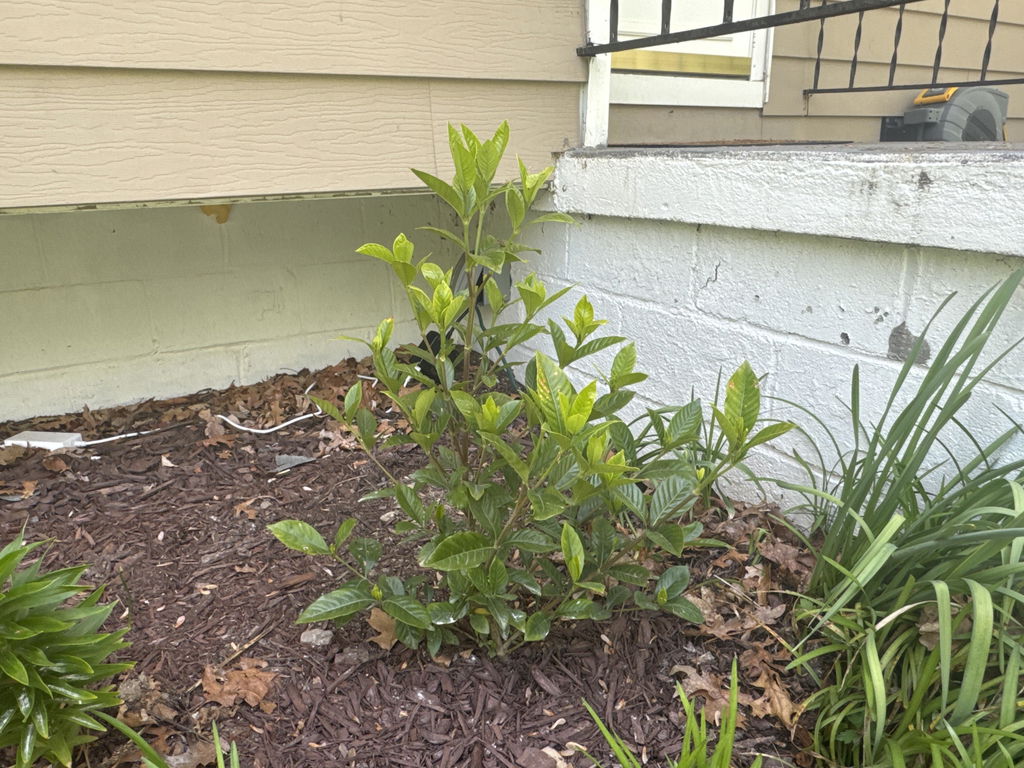
Larger and healthier than expected is exactly what we aim for, so it's good to know they showed up that way for you, Anthony. Gardenias can be a little particular about settling in, so keep the soil consistently moist and give them some time to adjust before pushing them with fertilizer. Thanks for the note.
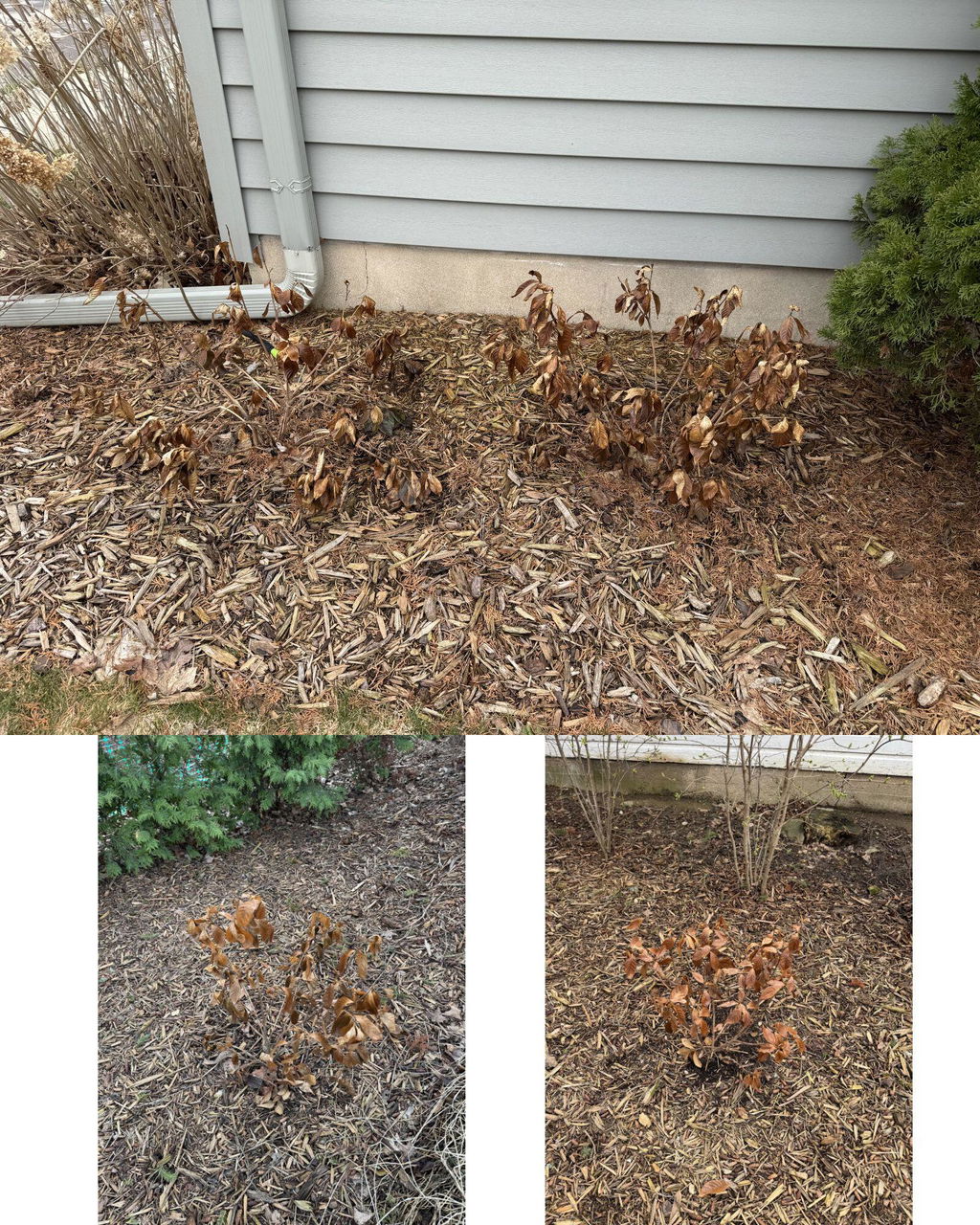
Very disappointed, they did not make it through the winter.
Update: They refunded half of the purchase price, so I’m going to try one more time. I LOVE the plants; I just need them to live. If in Zone 6/7, I recommend winter protection measures, which I’ll be experimenting with in the fall.
The gardenia arrived looking great! She's still relaxing in the shade. Tomorrow we are supposed to get a break in the incredible heat and humidity that have plagued us, so I'll get her in her very own pot. I hope she can hold on long enough to put down a good root system.
Gardenias do have a bit of a diva reputation, so giving her a shaded rest before potting is exactly the right call. Once the heat breaks and she gets settled into her pot, keep the soil consistently moist but not waterlogged while she gets her roots established. Wishing you a good planting day tomorrow, Wendy, and a long, fragrant season ahead.
Very happy with the plant n the size of it. Thank you for sending a beautiful healthy plant
Hearing that the plant arrived healthy and at a good size is exactly what we hope for with every order. Summer Snow Gardenia is such a rewarding shrub, and once it settles in you can look forward to those fragrant blooms for a long stretch of the season. Thanks for growing with us, Muhammad.
