


Rainier Cherry Tree
Prunus avium 'Rainier'


Plant Sentry™ Protected
Your order is protected by our compliance system that:
- Prevents restricted plants from shipping to your state
- Ensures plants meet your state's agricultural requirements
- Protects gardens from invasive pests and diseases
Specifications
| Hardiness Zone | 3a to 8b |
|---|---|
| Sunlight | Full sun |
| Height | |
| Width | |
| Growth Rate | Moderate |
| Watering Needs | Moderate |
| Blooms In | Spring |
| Flower Color | Pink, White |
| Fragrant | Yes |
| Plant Characteristics | Cold hardy, Flowering, Edible, Ornamental Berries/Fruit, Attracts pollinators, Thornless, Drought resistant |
| Botanical Name | |
| Does Not Ship To | AK, CA, HI, ID, MT, OR, PR, VI |
Description
A Sweet Cherry Worthy Of Its Fame
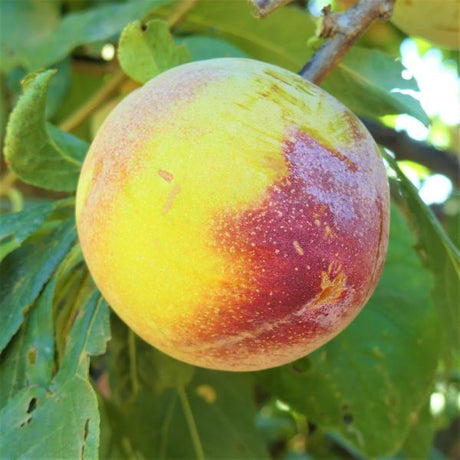
Meet the legendary Rainier Cherry Tree (Prunus avium 'Rainier') - the world's most sought-after Sweet Cherry! This early-bearing beauty delivers juicy, golden-yellow fruit blushed in red, and its flavor is nothing short of divine. Bursting with sweetness, Rainier boasts 20–25 Brix sugar levels - higher than even the famous Bing Cherry! Its creamy white flesh is crisp, luscious, and dripping with summertime sweetness.
Bred at Washington State University and named after the majestic Mount Rainier, this hybrid between Bing and Van Cherries combines beauty, productivity, and flavor perfection. In spring, its pink-tinged white blossoms cover the branches before rich green leaves appear. As fall arrives, the foliage turns warm shades of golden bronze, ensuring year-round interest.
Rainier's upright, rounded form makes it as ornamental as it is fruitful. A prolific, low-maintenance tree, it starts bearing young and provides a generous harvest for years. Whether you're a backyard orchardist or a casual fruit lover, Rainier Cherry will have you hooked from the very first bite!
Key Features
- Exceptionally sweet, creamy white flesh with red-blushed yellow skin
- Bred from Bing and Van Cherry cultivars
- Early-bearing and heavy fruit production
- Pink-tinted white spring blooms attract pollinators
- Golden fall color and ornamental appeal
- High sugar levels (20–25 Brix)
- Great for fresh eating, baking, and preserving
- Needs a pollinator (Sweetheart, Black Tatarian, or Montmorency Sour)
Landscaping Uses
Rainier Cherry Trees are the ultimate double-duty edible ornamentals! Reaching 15–25 feet tall with a 12–18 foot spread, they're stunning enough for the front yard yet practical for the orchard or edible landscape.
Use them as a single specimen plant, in a pair for pollination, or in a high-density planting for small spaces. The spring bloom display rivals any flowering cherry, while the fruit-laden summer branches are irresistible to both people and songbirds!
Perfect Uses Include:
- Home orchard centerpiece
- Backyard shade tree
- Flowering specimen in mixed borders
- Edible landscape design
- Asian or cottage garden themes
- Bird-friendly gardens (consider bird netting)
Care & Maintenance
Hardy in USDA zones 3-8, Rainier is a deciduous fruit tree that thrives in full sun and rich, well-drained soil. Like most Sweet Cherry Trees, it appreciates good air circulation and morning sun to dry dew quickly and prevent disease.
Care Highlights:
-
Planting Time: Best planted in spring (bareroot) or anytime (container-grown) when the ground isn't frozen
-
Sun Requirements: Full sun (6+ hours daily), morning sun preferred
-
Soil Requirements: Rich, well-drained, loamy soil; avoid soggy sites or create a rain garden to improve drainage
-
Moisture Needs: Moderate, consistent moisture - use the Finger Test to check soil; keep evenly moist during establishment
-
Mulch: Apply a 3–4 inch layer of Arborist mulch to conserve moisture and insulate roots
-
Fertilization Needs: Apply balanced fertilizer in early spring before growth; compost or organic amendments are excellent
-
Pruning Info: Prune fruiting Cherries in late winter to open the canopy; perform size-control pruning in summer to keep under 10 feet
-
Renewal pruning: As needed to maintain vigor and airflow
-
Fruit Care: Thin fruit if necessary to improve size and quality
-
Special Perks: Drought-tolerant once established, deer-resistant, cold-hardy, and attractive to pollinators
-
Chill Hours: Approximately 700 required for fruit set
- Pollination Needs: Not self-fertile - requires a compatible variety like Sweetheart, Black Tatarian, or Montmorency Sour Cherry for optimal yields
Don't forget to order your Nature Hills Root Booster for lifelong symbiotic root support and improved transplant success.
Sweet Rewards From Your Own Rainier Cherry Tree
You don't have to visit a farmer's market or pay top dollar for premium Rainier Cherries - grow them right at home! With dazzling spring blooms, golden fall color, and unmatched fruit quality, this cherry truly offers year-round delight.
Order your Rainier Cherry Tree (and its pollination partner) from Nature Hills today - and start enjoying orchard-fresh, sweet-as-sunshine cherries in your own backyard!
Delivery and Shipping
Shipping Rates
Ships in 3-5 business days • Tracking provided • Weather protected
| Under $50 | $9.99 |
| $50 - $99.99 | $14.99 |
| $100 - $149.99 | $16.99 |
| $150 - $198.99 | $24.99 |
| $199+ | FREE |
✓ Zone-specific timing • ✓ Professional packaging • ✓ Health guarantee
Find on Page
Type to search specs, description, care, FAQ, and shipping.
Other Cherry varieties
-

Prunus avium 'Black Tartarian'
Regular price From $13838Unit price /Unavailable -

Prunus cerasus 'Montmorency'
Regular price From $13611Unit price /Unavailable -
-

Prunus avium 'Sweetheart'
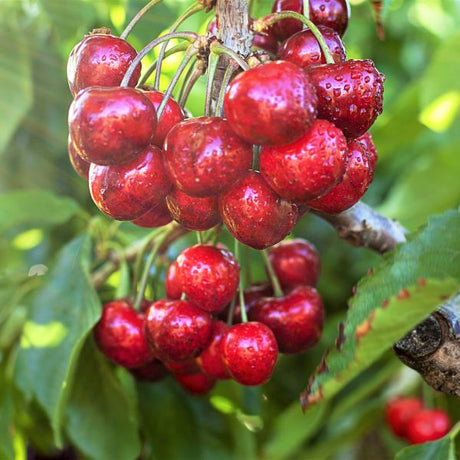
Regular price From $16903Unit price /Unavailable -


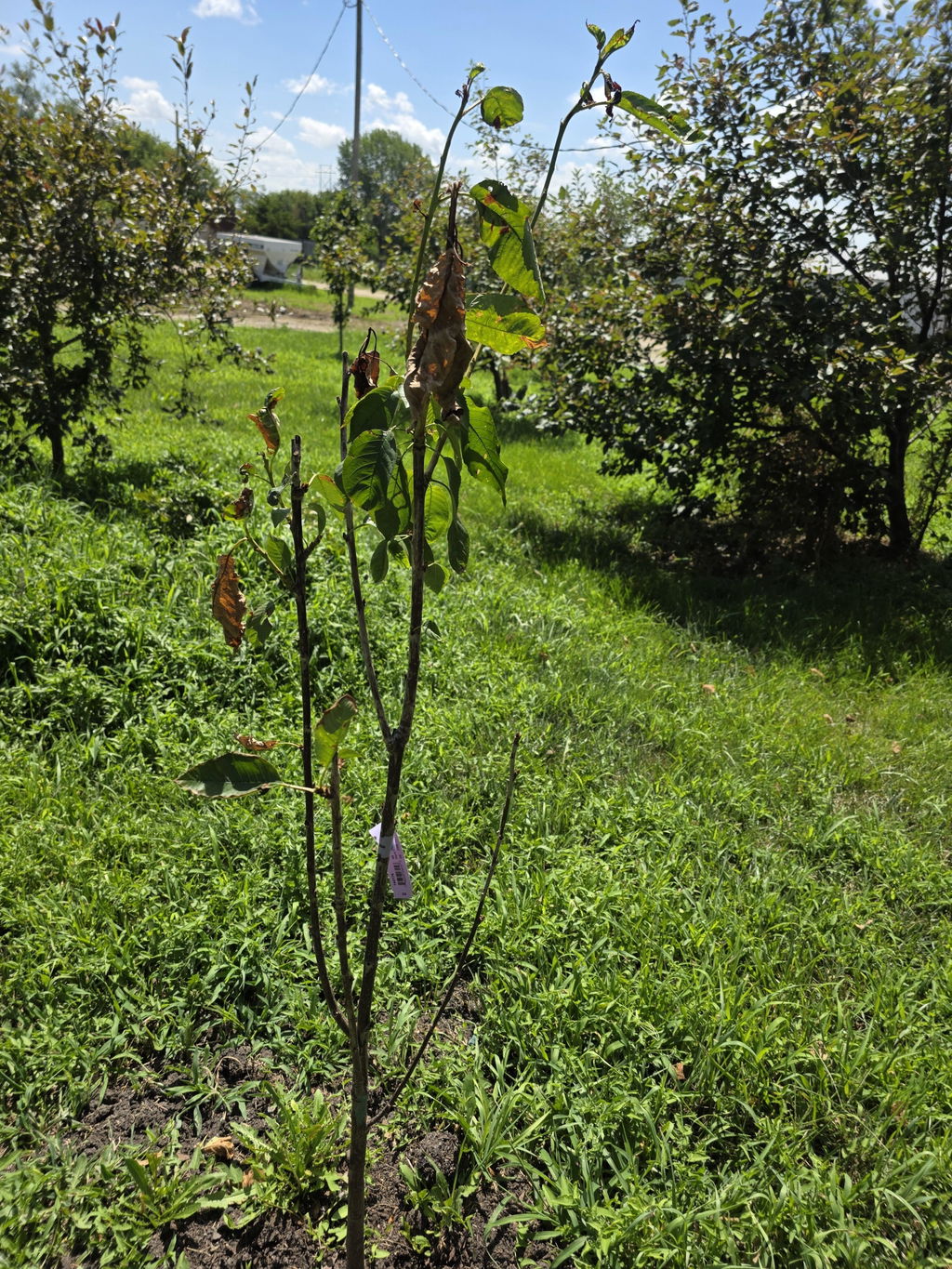
I don't know if it is due to being so hot but I am not getting any growth on it. Will find out in the spring if it comes back I guess.
Beautiful healthy tree. Arrived on Las Vegas October 2025 when the weather is about to be chilly.
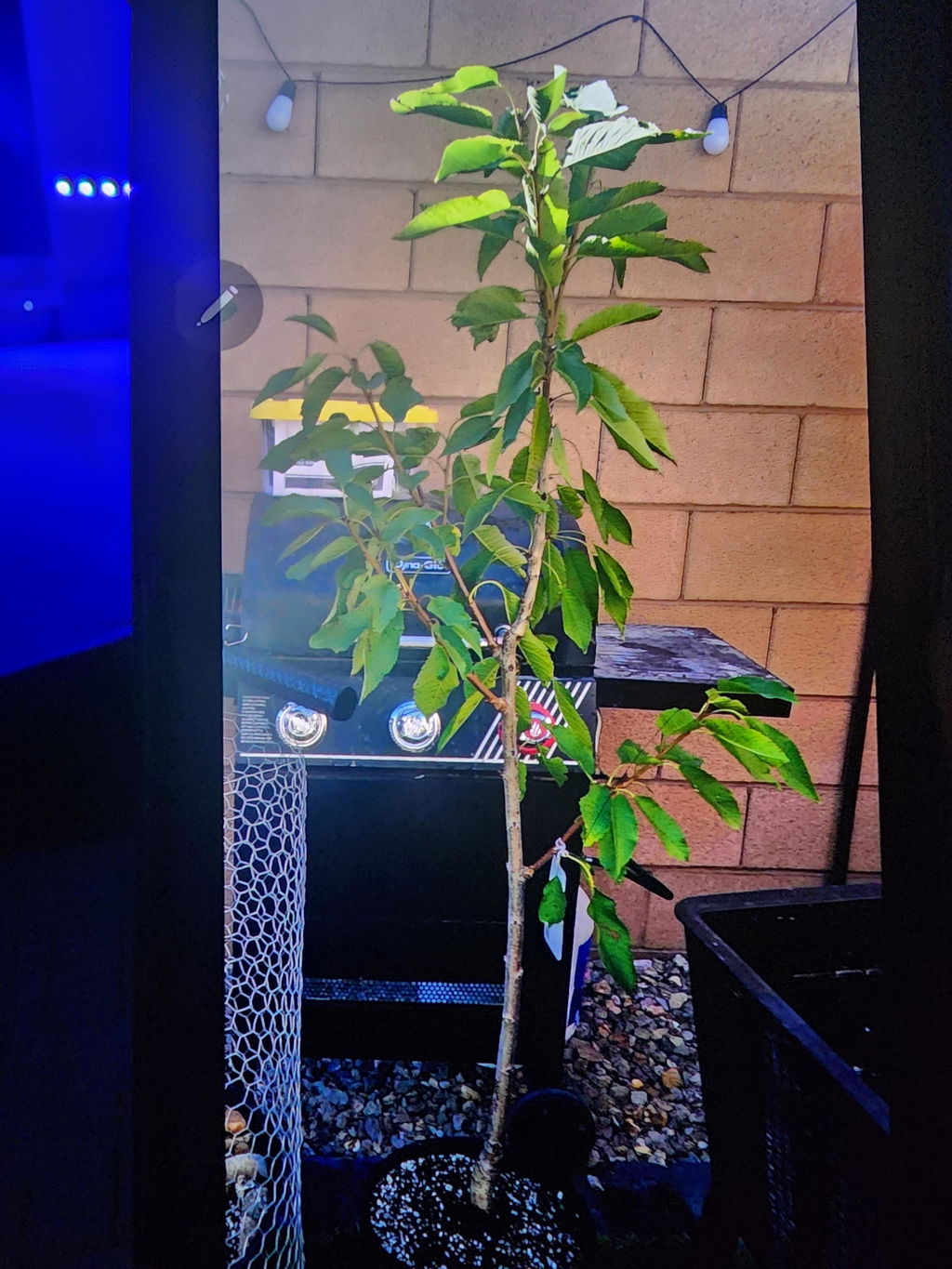
Hi Gloria, Thank you so much for taking the time to leave a review for our Rainier Cherry Tree. We are happy to hear that it arrived in beautiful and healthy condition. Look how pretty it is, thanks for sharing a photo! Happy planting - Nature Hills Customer Support
Received the tree in good condition. Planted already. Looks like adjusting well. Hope to see cherries in next year.
Rainier cherries are worth the wait, and it sounds like yours is off to a solid start. Keep in mind that young cherry trees often take a few seasons to settle in before they produce fruit, so do not be discouraged if next year is light. Consistent watering through the first summer will go a long way toward getting it established. Thanks for planting with us, Nina.
Even though the tree was small, but it was healthy and strong. It has been growing well.
Hi Ralene,
Thank you so much for sharing your wonderful experience with us! We’re delighted to hear that your tree, although small at the start, has been healthy, strong, and growing well. Watching a tree thrive is truly rewarding, and it sounds like you’re giving it just the right care.
If you ever have questions about fertilizing, watering schedules, or need tips to support its continued growth, please don’t hesitate to reach out. We’re here to help every step of the way so your little tree can flourish beautifully.
Rooting for your garden’s success,
Your Nature Hills Plant Care Team
Even though the tree was small, but it was healthy and strong. It has been growing well.
Hello Ralene,
Thank you so much for taking the time to share your wonderful feedback! We're delighted to hear that although your tree was small, it arrived healthy and strong, and it has been growing well for you. Sometimes those young trees surprise us with their resilience and ability to thrive!
If you ever need tips on nurturing your tree as it grows or suggestions for branching out your garden, please don’t hesitate to reach out. We’re always here to support your planting journey.
Bloom on,
The Nature Hills Plant Knowledge Team
Grew up on Bing Cherries, and didn't know there was any other cherry other than a Montmorency kind. When got to the Seattle area in 1997, it took me 3-5 years to even want to try any other cherry than the Bing. Broke down and asked the fruit stand person if I could try just one before i bought any, and they agreed. Was amazed at how wonderfully sweet this cherry is, and took a nice sized bag home to enjoy. The color to me is odd, but just because I grew up with red Bings. It will be hard to tell when they are ripe when I want to get my first Rainier Cherry, but it might be fun to use the taste test to know exactly when they are ready. Do not know how they grow, or if they will grow in my Northern Utah yard, but hopefully one will be fine, even in the stiff winds we get here. Have given the cherries a four-star rating of their taste, and because I don't know if the tree will grow in my yard. The Bings in central Utah growing up got 'worms' (my grandpa called them), which destroyed them, so am hoping the Rainier won't be attacked by the caterpillar worms, or I won't have another cherry tree to try growing for the rest of my senior days, I think.
Dear C H.,
Thank you so much for sharing your heartfelt story and experiences with cherries! We truly appreciate you taking the time to provide such a thoughtful review. It’s lovely to hear how your taste buds gradually warmed up to Rainier cherries—sometimes a change like that can be quite the adventure!
You’re right that Rainier cherries look quite different from the classic Bing cherries, and using a taste test to determine ripeness sounds like a delicious approach. As for whether Rainiers would thrive in your Northern Utah yard, these trees generally prefer full sun and well-draining soil but can be somewhat sensitive to very windy conditions. Since your area experiences stiff winds, planting the tree in a sheltered spot—perhaps near a fence or alongside a windbreak — could help protect it. Additionally, using mulch around the base can help with moisture retention and root health.
When it comes to pests like those “wo rms” your grandfather mentioned, Rainier cherries can experience similar challenges to Bings, such as cherry fruit worms or other caterpillars. Regularly inspecting your trees, maintaining good pruning practices to increase airflow, and consulting local extension services for targeted, environmentally friendly pest treatments can be beneficial to keep your cherries healthy.
If you ever want a more tailored planting guide or ongoing care tips specific to Northern Utah, don’t hesitate to reach out—we’d be happy to assist you further in making this cherry-growing journey a happy and fruitful one!
Wishing you happy planting,
The Nature Hills Plant Experts
Grew up on Bing Cherries, and didn't know there was any other cherry other than a Montmorency kind. When got to the Seattle area in 1997, it took me 3-5 years to even want to try any other cherry than the Bing. Broke down and asked the fruit stand person if I could try just one before i bought any, and they agreed. Was amazed at how wonderfully sweet this cherry is, and took a nice sized bag home to enjoy. The color to me is odd, but just because I grew up with red Bings. It will be hard to tell when they are ripe when I want to get my first Rainier Cherry, but it might be fun to use the taste test to know exactly when they are ready. Do not know how they grow, or if they will grow in my Northern Utah yard, but hopefully one will be fine, even in the stiff winds we get here. Have given the cherries a four-star rating of their taste, and because I don't know if the tree will grow in my yard. The Bings in central Utah growing up got 'worms' (my grandpa called them), which destroyed them, so am hoping the Rainier won't be attacked by the caterpillar worms, or I won't have another cherry tree to try growing for the rest of my senior days, I think.
Dear C H.,
Thank you so much for sharing your heartfelt story and experiences with cherries—the journey from Bing to discovering the unique sweetness of Rainier cherries is truly delightful! We completely understand how the playful color of Rainiers, so different from familiar red Bings, can make knowing just the right moment to harvest all part of the fun. Your idea of relying on the taste test to judge ripeness is a great and classic approach.
Regarding your concern about growing Rainier cherry trees in Northern Utah, these trees generally thrive in well-drained soils with full sun and prefer a climate with a definite chill period during winter, which Utah offers. However, those stiff winds can pose challenges, so considering some windbreaks like hedges or sturdy fencing could help protect your young tree.
As for pests, including worms (likely cherry fruit worms or caterpillars), regular monitoring during the growing season can go a long way. Applying organic treatments or consulting local cooperative extension services for integrated pest management could support keeping these pesky visitors at bay without harming your tree's health.
If you'd like, feel free to reach out for detailed planting instructions and tips specific to your region!
Wishing you rewarding and joyful gardening with this new chapter of cherry growing.
Rooting for your garden’s success,
Your Nature Hills Plant Care Team
I love it. The tree looks very healthy and package well. I will buy it again.
Dear Pakorn,
Thank you so much for your wonderful feedback! We're delighted to hear that your Rainier Cherry tree arrived healthy and well-packaged. It’s always our goal to ensure your plants arrive in great condition and ready to thrive. If you ever have any questions about care or want tips for the best growing results, don’t hesitate to reach out—we’re here to help.
We look forward to assisting you with your next purchase and wish you lots of joyful moments watching your tree flourish!
Rooting for your garden’s success,
Your Nature Hills Plant Care Team
I love it. The tree looks very healthy and package well. I will buy it again.
Dear Pakorn,
Thank you so much for sharing your wonderful feedback about your Rainier Cherry tree! We’re delighted to hear that it arrived healthy and well-packaged—that's always our goal. It’s fantastic that you’re happy with your purchase, and we look forward to helping you with more beautiful additions to your garden in the future. If you ever have questions about caring for your cherry tree or want recommendations for companion plants, please don’t hesitate to reach out. We're here to support your growing success every step of the way.
Rooting for your garden’s success,
Your Nature Hills Plant Care Team
