


Red Chokeberry Bush
Aronia arbutifolia 'Brilliantissima'


Plant Sentry™ Protected
Your order is protected by our compliance system that:
- Prevents restricted plants from shipping to your state
- Ensures plants meet your state's agricultural requirements
- Protects gardens from invasive pests and diseases
Specifications
| Plant Characteristics | Cold hardy, Native, Fall Color/Interest, Flowering, Clay Tolerant, Wet Soils, Deer-resistant, Drought resistant, Ornamental Berries/Fruit, Edible, Hedge/Screen, Attracts pollinators, Self-pollinating, Fragrant, Disease resistant |
|---|---|
| Hardiness Zone | 3a to 9b |
| Sunlight | Full sun, Partial shade |
| Height | |
| Width | |
| Watering Needs | High |
| Preferred Soil | Clay, Loamy |
| Growth Rate | Slow |
| Growth Habit | Spreading, Upright |
| Blooms In | Spring, Summer |
| Flower Color | White |
| Foliage Color | Green |
| Native | Yes |
| Suitable Space | Outdoors |
| Botanical Name | |
| Species | |
| Cultivar | |
| Class | Magnoliopsida |
| Does Not Ship To | AK, HI, ID, MT, PR |
Description
Red Chokeberry (Aronia arbutifolia 'Brilliantissima') puts on a show in every season, starting with clusters of small white flowers in late spring that draw bees and butterflies. By late summer, those blooms transform into masses of glossy red berries that hang in heavy clusters and persist well into winter. But the real showstopper comes in autumn when the foliage ignites into shades of brilliant scarlet, orange, and crimson that rival any ornamental shrub in the landscape.
A Native Shrub with Four-Season Appeal
This improved selection of our native red chokeberry was chosen for its exceptionally bright fall color and heavy berry production. The 'Brilliantissima' cultivar delivers more intense reds and oranges than seedling-grown plants, making it a standout in fall gardens.
Spring brings delicate clusters of five-petaled white flowers with prominent pink anthers. These blooms are not only attractive but serve as an important early nectar source for native bees, honeybees, and early butterflies emerging from winter dormancy. The glossy dark green foliage fills in quickly, creating a dense, upright habit that reaches 6 to 10 feet tall and 4 to 6 feet wide at maturity.
Berries That Feed the Birds
The bright red berries that develop by late summer are technically edible for humans, though extremely tart and astringent when raw (hence the name "chokeberry"). Birds seem to find them more palatable, and songbirds like cedar waxwings, robins, and mockingbirds will descend on the shrub once other food sources become scarce in late winter. The berries often persist from September through February, providing critical nutrition when wildlife needs it most.
Thrives Where Others Struggle
Red Chokeberry evolved in the swamps, bogs, and low woodlands of eastern North America. This heritage means it handles wet feet, clay soil, and poor drainage better than almost any ornamental shrub. Rain gardens, bioswales, and that perpetually soggy corner of your yard are all fair game. It also tolerates drought once established, making it one of the most adaptable native shrubs available.
Landscape Uses
Plant Red Chokeberry in mass plantings for a stunning fall display, or use it as a wildlife hedge along property lines. The upright growth habit works well as a screen or backdrop for perennial borders. It naturalizes beautifully at the edge of woodlands, along streams, or in meadow plantings. Because it suckers slowly to form colonies, you can plant a few specimens and let them fill in over time, or remove suckers annually to maintain individual plants.
This native shrub requires almost no care once established. Deer typically leave it alone, and it has few pest or disease issues. For a low-maintenance plant that delivers spring flowers, summer berries, spectacular fall color, and winter bird activity, Red Chokeberry is hard to beat.
Planting & Care
Delivery and Shipping
Shipping Rates
Ships in 7-10 business days • Tracking provided • Weather protected
| Under $50 | $9.99 |
| $50 - $99.99 | $14.99 |
| $100 - $149.99 | $16.99 |
| $150 - $198.99 | $24.99 |
| $199+ | FREE |
✓ Zone-specific timing • ✓ Professional packaging • ✓ Health guarantee
Find on Page
Type to search specs, description, care, FAQ, and shipping.

I am very pleased with the red chokeberry bushes. They arrived in excellent condition, very promptly, and are growing well. This is the best experience I have had with ordering from a nursery online. I would recommend them to others.
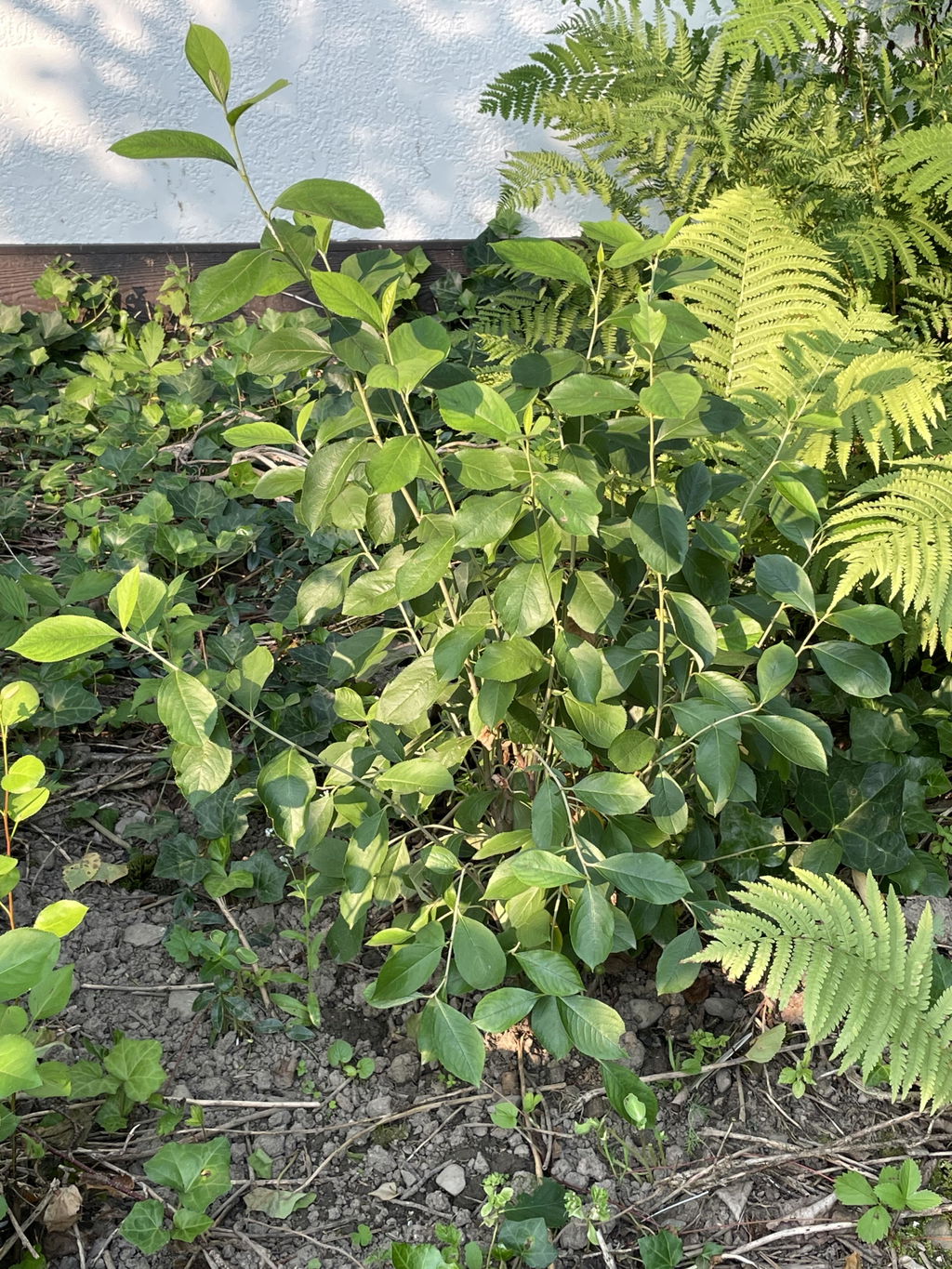
Red chokeberry gets off to a strong start when it arrives in good shape, so it's great to hear yours made the trip well and are already putting on growth. They'll reward you with a nice show of berries come fall, and the birds tend to find them before long. Thanks for the recommendation, Mary Beth. We appreciate you choosing us.
Bushes came well packed and very healthy! I was very impressed! I will order again. Thank you
Red chokeberry is a tough, rewarding shrub, and it always helps to start with healthy stock straight out of the box. Glad the plants arrived in good shape, Orville. They tend to put on a nice show come fall with both the berries and the leaf color, so you have that to look forward to. Thanks for the order, and welcome back whenever you are ready for more.
I ordered them while on vacation and they had them to my house in 2 days. They look very healthy and seem to be doing well!
Two days is a quick turnaround, and it sounds like the plants arrived in good shape ready to get in the ground. Red Chokeberry is a tough, adaptable shrub, so with a decent start like that it should settle in well. Thanks for sharing the update!
Started slow, but appears healthy. Arrived in timely fashion and looked really healthy. Have had bad luck with other online nurseries with plants arriving half dead or dying. Looking forward to more purchases
Red Chokeberry can take a little time to settle in after transplanting, so it is good to hear yours is looking healthy and picking up steam. We are glad the shipping experience was a step up from what you have dealt with elsewhere. That means a lot to us, and we look forward to growing your garden with you.
