


Gay Butterflies Butterfly Weed
Asclepias tuberosa 'Gay Butterflies'


Plant Sentry™ Protected
Your order is protected by our compliance system that:
- Prevents restricted plants from shipping to your state
- Ensures plants meet your state's agricultural requirements
- Protects gardens from invasive pests and diseases
Specifications
| Plant Characteristics | Native, Flowering, Deer-resistant, Drought resistant, Attracts Butterflies, Attracts pollinators, Low Maintenance |
|---|---|
| Hardiness Zone | 3a to 9b |
| Sunlight | Full sun |
| Height | |
| Width | |
| Preferred Soil | Chalky, Clay, Loamy, Sandy |
| Growth Rate | Moderate |
| Growth Habit | Trailing, Upright |
| Plant Life Cycle | Perennial |
| Blooms In | Summer |
| Flower Color | Orange, Yellow, Red |
| Foliage Color | Green |
| Native | Yes |
| Native To |
Alabama,
Arizona,
Arkansas,
Colorado,
Connecticut,
Delaware,
Florida,
Georgia,
Illinois,
Indiana,
Iowa,
Kansas,
Kentucky,
Louisiana,
Maine,
Maryland,
Massachusetts,
Michigan,
Minnesota,
Mississippi,
Missouri,
Nebraska,
New Hampshire,
New Jersey,
New Mexico,
New York,
North Carolina,
Ohio,
Oklahoma,
Pennsylvania,
Rhode Island,
South Carolina,
South Dakota,
Tennessee,
Texas,
Utah,
Vermont,
Virginia,
Washington DC,
West Virginia,
Wisconsin
+35 moreshow less |
| Pet Safety | Toxic to pets, Toxic to horses |
| Suitable Space | Outdoors |
| Botanical Name | |
| Species | |
| Cultivar | |
| Class | Magnoliopsida |
| Does Not Ship To | AK, HI, ID, MT, PR |
Description
Gay Butterflies Butterfly Weed (Asclepias tuberosa 'Gay Butterflies'), sometimes called Orange Milkweed, brings a spectacular mix of yellow, orange, and red blooms to your garden, creating a multicolored display that outshines the traditional orange butterfly weed. This compact selection of native milkweed grows just 1-2 feet tall, making it ideal for the front of borders, container gardens, and smaller spaces where you want maximum pollinator impact without the height. Monarchs, swallowtails, and hummingbirds treat these nectar-rich flowers like an all-you-can-eat buffet from early summer through late summer.
The timing couldn't be better to add Gay Butterflies to your garden. With monarchs proposed for threatened species listing and 2025 designated the Year of the Asclepias by the National Garden Bureau, planting native milkweed has never been more important for butterfly conservation. Eastern monarch populations nearly doubled in 2025, showing that individual gardeners can make a real difference by providing critical habitat.
A Compact Pollinator Powerhouse
The cheerful flower clusters appear in warm shades that shift and blend across the yellow-orange-red spectrum, with individual plants displaying unique color combinations. Each flat-topped flower cluster contains dozens of tiny blooms that provide easy landing pads for butterflies and beneficial insects. Unlike taller selections, Gay Butterflies maintains a tidy, compact habit that works beautifully in mixed borders, pollinator gardens, rock gardens, and even large containers. The narrow green leaves create an unassuming backdrop that lets the brilliant flowers take center stage.
Supporting Butterfly Populations
Gay Butterflies serves double duty as a monarch butterfly host plant. Adult monarchs, swallowtails, and painted ladies visit for nectar, while monarch caterpillars depend on the foliage as their exclusive food source. Planting native milkweed species like this one directly supports declining monarch populations by providing critical habitat throughout their lifecycle. The compact size makes it easy to include multiple plants in borders and pollinator gardens, increasing the food supply for both caterpillars and adult butterflies.
Tough, Reliable, and Long-Lived
Once established, this native North American wildflower thrives on neglect. The deep taproot allows Gay Butterflies to access moisture far below the soil surface, making it remarkably drought tolerant and eliminating the need for summer watering in most climates. Deer and rabbits avoid the milky sap, so your plants remain untouched even in areas with heavy browsing pressure. The taproot also makes this native perennial incredibly long-lived, with plants persisting for decades in the same spot. Be patient in spring as butterfly weed emerges later than most perennials, typically not showing growth until soil temperatures warm in mid to late spring.
Design Ideas and Landscape Uses
The compact stature of Gay Butterflies makes it versatile in pollinator gardens and native plant landscapes. Plant it along walkways where you can watch butterflies up close, mass it in drifts for bold color impact, or combine it with other native perennials like purple coneflower, black-eyed Susan, and little bluestem for a naturalistic meadow effect. The warm flower colors pair beautifully with purple salvias, blue Russian sage, and yellow coreopsis. In containers, combine Gay Butterflies with trailing plants like creeping zinnia for a pollinator-friendly patio display. After flowering, the ornamental seed pods split open to release silky seeds, adding late-season interest and feeding goldfinches through fall.
Planting & Care
Delivery and Shipping
Shipping Rates
Ships in 3-5 business days • Tracking provided • Weather protected
| Under $50 | $9.99 |
| $50 - $99.99 | $14.99 |
| $100 - $149.99 | $16.99 |
| $150 - $198.99 | $24.99 |
| $199+ | FREE |
✓ Zone-specific timing • ✓ Professional packaging • ✓ Health guarantee
Find on Page
Type to search specs, description, care, FAQ, and shipping.

Very happy with this plant
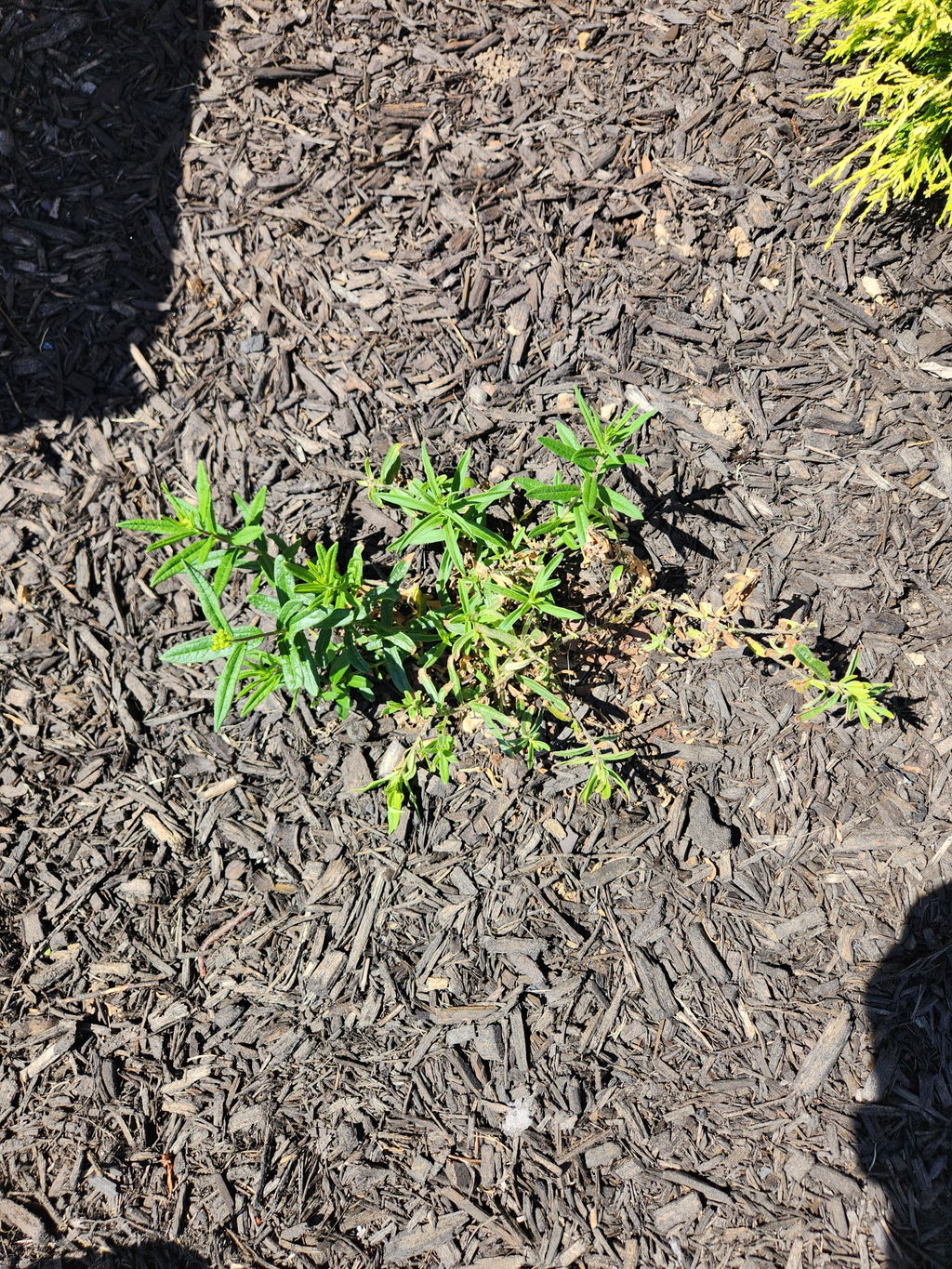
Gay Butterflies is a great choice for pollinators, and it sounds like yours is off to a solid start. It tends to establish slowly in the first season while it puts energy into the roots, so do not be discouraged if top growth is modest early on. Thanks for sharing, Don.
The flowers arrived in amazing and secure packaging! Looking great in my Monarch Butterfly Garden! Thank you!!
plant was shipped during a very hot spell and arrived dry. It's alive but struggling to get established. I'll keep babying it and hopefully will flourish
Came in pretty good shape im surprised it survived a week in the mail
Asclepias can be a little temperamental about being moved, so it is genuinely good to hear yours arrived in solid shape after a week in transit. Give it some time to settle in before expecting a lot of new growth. Once it finds its footing in a sunny, well-drained spot, it tends to take off and the pollinators will not be far behind. Thanks for sharing your experience, Jeannie.
One is fine, the other appears to be dead.
Plants were knocked out of pots through delivery so I am hoping to get them revived
These arrived wilted and are not doing well
Nice plant. No response from customer service.
So far so good with the two Gay Butterflies Weed 1 gallon plants! Both have been in the ground for a few days. The plants arrived in great shape in the most impressive plant box I’ve seen.
A well-designed shipping box really does make a difference when plants are traveling across the country, and we're glad both arrived in good shape. Butterfly Weed can take a little time to settle in after transplanting, so don't be alarmed if they look quiet for a few weeks before they start putting on new growth. Once they're established, they're tough as nails and the monarchs will find them fast. Thanks for planting a couple, Donna.
