


-
Straight & Narrow® Japanese Holly
Ilex crenata ‘PIIIC-I’
Sold outRegular price $8342Unit price /Unavailable -
-
Ligustrum vulgare 'Swift'
Sold outRegular price $6897Unit price /Unavailable -
-
-
-
Phlox paniculata 'Ditomfra'
Sold outRegular price $3505Unit price /Unavailable -
-
Hydrangea paniculata 'Bailpanone'
Sold outRegular price $7022Unit price /Unavailable -
-
Phlox paniculata 'Ditomfav'
Sold outRegular price $3499Unit price /Unavailable -
-
Berry White® Panicle Hydrangea
Hydrangea paniculata 'Renba'
Sold outRegular price $8275Unit price /Unavailable -
-
Heptacodium miconioides 'Minhep'
Sold outRegular price $8741Unit price /Unavailable -
-
-
-
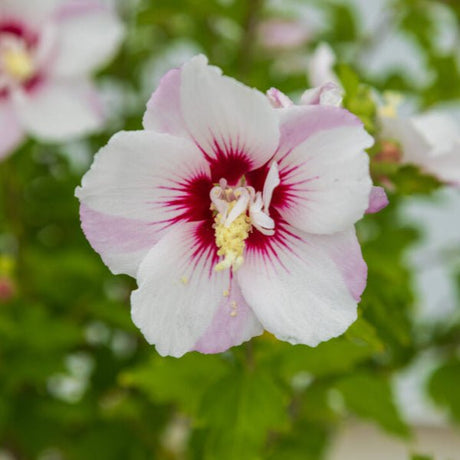
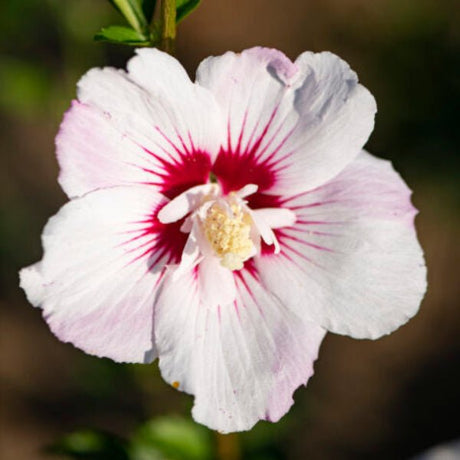
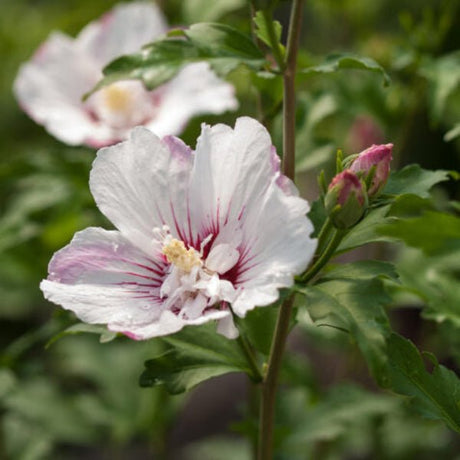
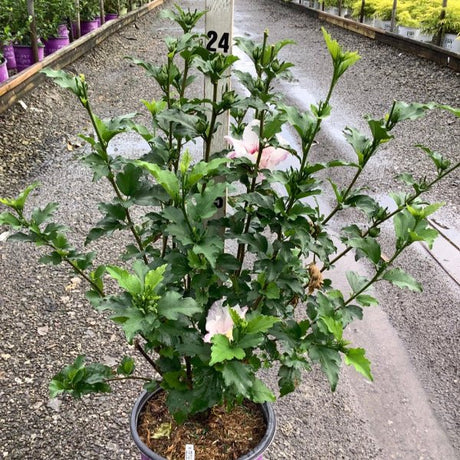
Hibiscus syriacus 'Minspot'
Sold outNew arrivalRegular price $5828Unit price /Unavailable -
-
Hibiscus syriacus 'Mineru'
Sold outRegular price $5831Unit price /Unavailable -




FAQ's for Buying First Editions® Shrubs and Trees Online
What sets First Editions® shrubs and trees apart from other branded plant collections?
What sets First Editions® shrubs and trees apart from other branded plant collections?
Plant breeders working with Bailey Nurseries select each First Editions® introduction for unique color, compact habit, or exceptional disease resistance, then trial it for three‑to‑five years in multiple U.S. regions. Only cultivars that consistently perform—without special pampering—make the cut. This rigorous screening means homeowners get 100 + “rock‑star” varieties that transplant easily, establish quickly, and deliver the advertised flower, foliage, or form benefits with minimal maintenance. The result is lower replacement cost, higher landscape success, and more confidence for new gardeners before any buying decision.
Which USDA hardiness zones do First Editions® plants cover, and how do I pick varieties that will thrive in my climate?
Which USDA hardiness zones do First Editions® plants cover, and how do I pick varieties that will thrive in my climate?
The collection spans Zones 2 through 9, so gardeners from the Upper Midwest to the Deep South can find options that overwinter reliably. Start by confirming your zone, then filter the lineup (or Nature Hills’ site) by zone to see matching cultivars. Next, check micro‑climates—wind exposure, reflected heat, or frost pockets—around your planting site. Finally, match moisture and sun requirements (full‑sun hydrangeas vs. part‑shade azaleas, for instance). By layering zone, micro‑climate, and site conditions, you can narrow 100 + choices to the two or three most climate‑resilient stars for your yard.
What are the key planting and care steps to ensure my First Editions® shrub or tree establishes quickly and grows vigorously?
What are the key planting and care steps to ensure my First Editions® shrub or tree establishes quickly and grows vigorously?
1) Site prep: Work 2–6 in. of compost into the top 8–12 in. of soil to boost drainage and nutrient holding. 2) Dig & loosen: Excavate a hole twice the root‑ball width, tease circling roots so they can grow outward. 3) Plant high: Set the crown slightly above finished grade to prevent waterlogging. 4) Water & mulch: Back‑fill, firm, then water deeply; add a 2 in. organic mulch ring (keep it off the trunk). 5) First‑year care: Irrigate when the top 2 in. of soil is dry; withhold fertilizer until the second spring, then apply a slow‑release, balanced formula. 6) Pruning: Shape after flowering or in late winter, depending on bloom time, to maintain form without sacrificing next season’s buds. Following this step‑by‑step routine encourages rapid root growth, reduces transplant shock, and sets the plant up for long‑term vigor.
Can First Editions® plants succeed in containers or small urban gardens, and which varieties work best?
Can First Editions® plants succeed in containers or small urban gardens, and which varieties work best?
Yes. Many cultivars were bred specifically for compact spaces. Choose a container at least twice the diameter of the nursery pot, with drainage holes. Fill with a high‑quality peat‑based mix amended with compost for moisture control. Position sun‑lovers (e.g., Vanilla Brandy™ Abelia) where they receive 6 + hrs of light; tuck shade‑adaptable picks (e.g., Standing Ovation™ Serviceberry) onto balconies with part‑day sun. Water whenever the top inch feels dry, feed lightly each spring, and move pots to a sheltered spot or wrap them when winter lows dip below the variety’s tolerance. Compact forms stay under 4 ft, making them ideal for patios, entryways, and rooftop gardens without crowding walkways.
Are any First Editions® shrubs considered invasive or restricted, and how can I plant responsibly?
Are any First Editions® shrubs considered invasive or restricted, and how can I plant responsibly?
A few First Editions® selections belong to the Berberis (barberry) group. While many modern barberries are sterile, several states—including New York, Pennsylvania, Maine, Minnesota, Wisconsin, and Indiana—restrict or ban Japanese barberry sales because older seed‑producing types spread into woodlands. Before purchasing, check your state’s invasive‑species list or ask Nature Hills customer service for cultivar compliance. If barberry is allowed, maintain a 2 – 3 ft mulch gap around the base, remove any volunteer seedlings promptly, and never dump pruning debris into natural areas. This ensures you enjoy the plant’s color and deer resistance without compromising local ecosystems.
