

Lucas European Hornbeam
Carpinus betulus ‘Lucas’


Plant Sentry™ Protected
Your order is protected by our compliance system that:
- Prevents restricted plants from shipping to your state
- Ensures plants meet your state's agricultural requirements
- Protects gardens from invasive pests and diseases
Specifications
| Hardiness Zone | 4a to 8b |
|---|---|
| Sunlight | Full sun, Partial shade |
| Height | |
| Width | |
| Growth Rate | Moderate |
| Watering Needs | Moderate |
| Landscape Use | Hedge & Privacy |
| Blooms In | Spring |
| Flower Color | Green |
| Plant Characteristics | Fast-growing, Cold hardy, Flowering, Drought resistant, Attracts pollinators |
| Botanical Name | |
| Does Not Ship To | AK, HI, ID, MT, PR |
Description
Looking for a sleek, vertical accent tree that thrives in tight spaces? The Lucas European Hornbeam (Carpinus betulus 'Lucas'), also known as Lucas Columnar Hornbeam, is a tall, narrow, deciduous tree with a stately form and refined beauty! It boasts glossy, dark green serrated foliage that turns golden-yellow in fall, making it ideal for privacy screening, hedging, and formal landscaping.
This non-flowering, sterile tree is prized for its tight columnar growth habit, making it a fantastic choice for urban yards, tight side yards, or flanking driveways and paths. The Lucas Hornbeam features smooth gray bark on sturdy, upright trunks and symmetrical branching with dense foliage coverage.
Its leaves are oval with finely toothed edges and hold their color well throughout the growing season. As autumn arrives, the foliage shifts to a bright yellow hue before dropping. It typically reaches 30-35 feet tall and stays just 8-10 feet wide without pruning, maintaining a narrowly upright, almost architectural form that requires very little shaping!
Key Features
- Strongly columnar, space-saving shape
- Dense dark green foliage turns golden yellow in fall
- No messy flowers, fruit, or seed pods
- Great for screens, hedges, or formal designs
- Tolerates urban conditions and pruning
Landscaping Uses
Lucas Columnar Hornbeam reaches 30-35 feet tall and stays 8-10 feet wide, with a strong upright shape, perfect for narrow landscapes.
- Tall vertical accent for modern landscapes
- Formal rows or allees
- Living fences or privacy screens
- Flank driveways, fences, or paths
- Space-saving shade tree for small yards
- Fantastic windbreak tree
- Perfect as a street tree or narrow border
Care & Maintenance
Native to Europe and Western Asia, this cultivar is a selected form of the European Hornbeam that is bred for its narrower profile and improved uniformity. It produces no flowers or fruit of note, is a non-invasive, pollution-tolerant tree perfect for cold, windy regions, compact urban areas, and structured plantings.
Hardy in USDA Zones 4-8, it’s a favorite in both residential and commercial landscapes. This is a deciduous, cold-hardy, low-maintenance tree with a narrow upright habit that tolerates pollution and wind.
- Planting Time: Best planted in spring or fall
- Sun Requirements: Full sun to partial shade
- Soil Requirements: Prefers moist, well-drained soil but tolerates clay and compacted urban soils
- Moisture Needs: Moderate; water deeply during establishment and during dry spells (use the Finger Test)
- Arborist Mulch: Apply a 3-4 inch layer of arborist mulch around the base to retain moisture and suppress weeds
- Fertilization Needs: Use a slow-release balanced fertilizer in early spring; compost is beneficial
- Pruning Info: Prune in late winter if shaping is needed; responds well to pruning for formal hedges
- Renewal Pruning: Not needed due to formal shape
- Special Perks/Growing Tips:
- Extremely cold-hardy
- Wind-tolerant
- Resistant to urban stress and air pollution
Adaptable to clay and alkaline soils
Upright Elegance For Every Space
Lucas Columnar Hornbeam brings architectural drama and elegant greenery to narrow spaces. Its tidy vertical growth makes it perfect for rows, screens, and formal plantings in modern or traditional gardens. Order your Lucas European Hornbeam and start shaping your garden with refined structure today from naturehills.com!
Explore More from Nature Hills
The Lucas European Hornbeam is an excellent choice for those seeking versatile trees that work beautifully as formal hedges or specimen plantings, especially in zone 5 plants, trees & shrubs gardens where its drought tolerant nature shines. For comprehensive guidance on creating effective screens, explore our Privacy Trees and Shrubs: The Complete Guide to Screening, Spacing & Top Varieties and discover more options in our Best Privacy Trees and Shrubs to Plant This Spring article.
Planting & Care
Delivery and Shipping
Shipping Rates
Ships in 3-5 business days • Tracking provided • Weather protected
| Under $50 | $9.99 |
| $50 - $99.99 | $14.99 |
| $100 - $149.99 | $16.99 |
| $150 - $198.99 | $24.99 |
| $199+ | FREE |
✓ Zone-specific timing • ✓ Professional packaging • ✓ Health guarantee
Find on Page
Type to search specs, description, care, FAQ, and shipping.

Great value - beautiful specimen. Super impressed at the size and quality.
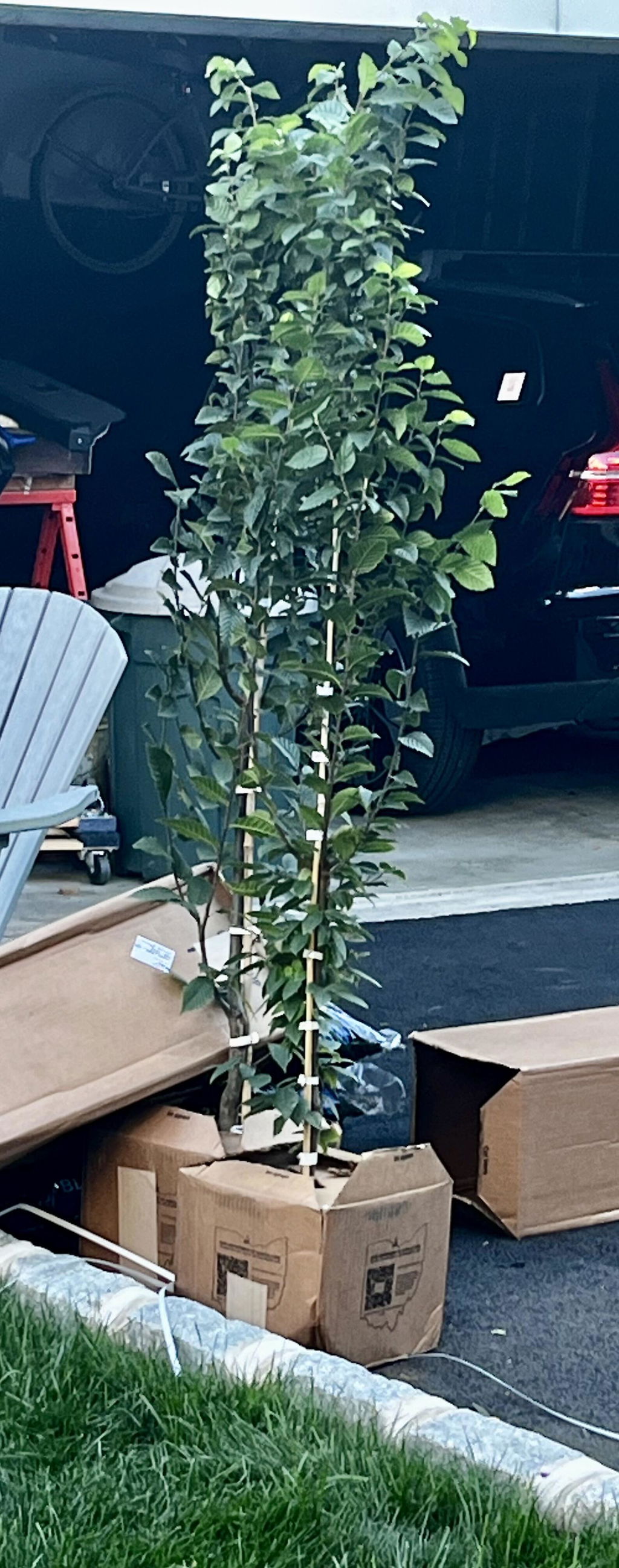
A Lucas European Hornbeam that arrives at a good size and in solid shape is exactly what you want when you are investing in a specimen tree. It tends to hold that strong structure as it establishes, so you have a great foundation to work with. Thanks for sharing your experience, Leanne. The Nature Hills Team
excellent. I bought 4 of them.
Four Lucas Hornbeams is a great choice. This cultivar really shines when planted in multiples, whether as a hedge, an allee, or a screen. Thanks for the note, and we hope they settle in well for you.
