


White Flowering Dogwood
Cornus florida


Plant Sentry™ Protected
Your order is protected by our compliance system that:
- Prevents restricted plants from shipping to your state
- Ensures plants meet your state's agricultural requirements
- Protects gardens from invasive pests and diseases
Specifications
| Plant Characteristics | Cold hardy, Native, Flowering, Fall Color/Interest, Ornamental Berries/Fruit, Thornless, Attracts pollinators, Fragrant, Drought resistant, Evergreen, Fast-growing, Groundcover, Self-pollinating |
|---|---|
| Hardiness Zone | 5a to 9b |
| Sunlight | Full sun, Partial shade |
| Height | |
| Width | |
| Watering Needs | Moderate |
| Preferred Soil | Clay, Loamy, Peaty, Sandy |
| Growth Rate | Moderate |
| Blooms In | Spring |
| Flower Color | White |
| Native | Yes |
| Native To |
Alabama,
Arkansas,
Connecticut,
Delaware,
Florida,
Georgia,
Illinois,
Indiana,
Kansas,
Kentucky,
Louisiana,
Maine,
Maryland,
Massachusetts,
Michigan,
Mississippi,
Missouri,
New Hampshire,
New Jersey,
New York,
North Carolina,
Ohio,
Oklahoma,
Pennsylvania,
Rhode Island,
South Carolina,
Tennessee,
Texas,
Vermont,
Virginia,
Washington DC,
West Virginia
+26 moreshow less |
| Suitable Space | Outdoors |
| Plant Name | Dogwood |
| Botanical Name | |
| Species | |
| Class | Cornales |
| Does Not Ship To | AK, HI, ID, MT, PR |
Description
Few trees capture the spirit of an American spring quite like the White Flowering Dogwood (Cornus florida). This beloved native delivers four full seasons of landscape interest, from those iconic white bracts in April to rich burgundy foliage in October. It's the state tree of Virginia, North Carolina, and Missouri for good reason: once you've seen a mature specimen in bloom, you never forget it.
White Dogwood bracts appear before the leaves emerge, creating a floating cloud of white against still-bare branches. Each bract cluster surrounds tiny yellow-green true flowers that draw in early pollinators, including the Spring Azure butterfly, which uses Dogwoods as a host plant. The display typically lasts three to four weeks in early to mid-spring.
Why You'll Love White Flowering Dogwood
- True four-season tree: White spring bracts, lush green summer canopy, red-burgundy fall foliage, and striking horizontal winter branching
- Native powerhouse: Supports pollinators in spring and feeds songbirds with bright red berries in fall and winter
- Foundation-friendly roots: Non-invasive root system is safe to plant near homes, patios, walkways, and underground utilities
- Naturally graceful form: Horizontal layered branching creates an elegant silhouette year-round with no heavy pruning required
- Proven performer: Averaging 4.63 out of 5 stars across 27 customer reviews at Nature Hills
Growing Conditions
White Flowering Dogwood thrives in USDA Zones 5 through 9. It performs best in full sun to part shade. In Zones 8 and 9, give it morning sun with afternoon shade to prevent leaf scorch. Plant in rich, well-drained soil that's slightly acidic with plenty of organic matter. A 2 to 3 inch layer of mulch helps keep roots cool and moisture consistent.
Water regularly during the first two years (about 1 inch per week). Once the root system is established, this Dogwood is moderately drought tolerant and rarely needs supplemental irrigation except during extended dry spells.
Size and Growth Habit
Expect a mature height and spread of 15 to 25 feet in both directions, forming a rounded to horizontally layered canopy. Growth rate is moderate at 1 to 2 feet per year. The naturally open, layered branching habit gives this tree its signature woodland elegance without heavy maintenance.
Landscape Uses and Design Ideas
White Flowering Dogwood is one of the most versatile small trees you can plant. Use it as a specimen near an entryway, tuck it into a woodland garden, or line a property edge with a grouping of three or five for a naturalized look. It works beautifully as an understory tree beneath taller oaks and maples, and the non-invasive roots make it a smart pick for planting near foundations and patios.
Browse our full Flowering Dogwood collection, or explore more native plants and deer-resistant options to build out your landscape.
Planting and Care Tips
Dig the planting hole twice as wide as the root ball but no deeper. The root flare should sit at or just above soil level. Backfill with the native soil and water deeply to settle everything in.
Apply a slow-release, acid-forming fertilizer in early spring before new growth begins. Avoid heavy pruning; if shaping is needed, do it right after flowering wraps up in late spring. Learn more in our guide to caring for Dogwood trees, or read about the rich history of the Dogwood in American landscapes.
Planting & Care
Delivery and Shipping
Shipping Rates
Ships in 3-5 business days • Tracking provided • Weather protected
| Under $50 | $9.99 |
| $50 - $99.99 | $14.99 |
| $100 - $149.99 | $16.99 |
| $150 - $198.99 | $24.99 |
| $199+ | FREE |
✓ Zone-specific timing • ✓ Professional packaging • ✓ Health guarantee
Find on Page
Type to search specs, description, care, FAQ, and shipping.
Other Dogwood varieties
-

Scarlet Fire® Japanese Dogwood
Cornus kousa 'Rutpink'
Regular price From $12771Unit price /Unavailable -

-

Cherokee Princess Dogwood Tree
Cornus florida 'Cherokee Princess'
Regular price From $9967Unit price /Unavailable -

-

Cornus florida 'Comco No. 1'
Regular price From $10190Unit price /Unavailable -

-

-


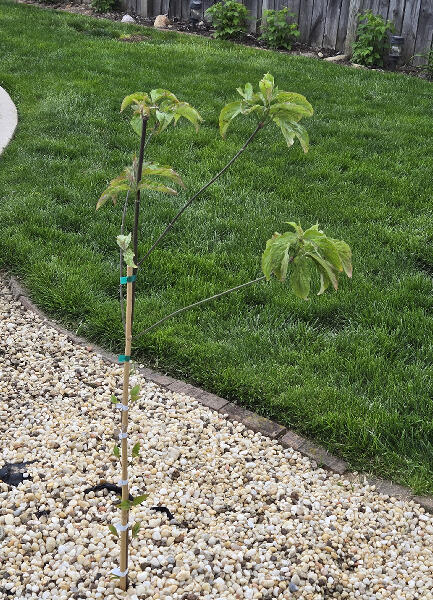
The tree died. I was able to get zero assistance through customer service after weeks and weeks of reaching out. Finally had to appeal through the credit card company for a refund. Impossible to get a hold of anyone. The chat does not work. When they do reply, it is a stock answer. Warning. Disreputable company.
Leaves are wilting, trying to be patient?
This Dogwood is lovely! It is a bit smaller than I thought it would be; however, i am patient! It will grow.
Dogwoods do arrive on the smaller side, but they tend to establish well and reward patient gardeners with a great show once they settle in. Yours should put on more size each season, and the blooms are well worth the wait. Thanks for sharing your experience, Laurie. The Nature Hills Team
I have contacted you already to report the tree arrived almost dead and has since died. Please contact me asap
So far so good. Last one I had died within 2 wks of planting. this one looks like it is doing great
Glad this one is off to a strong start, Becky. Dogwoods can be a little sensitive to transplant stress, so if you haven't already, keeping the root zone mulched and watering deeply but infrequently through the first season really helps them settle in. Here's to many years of those blooms.
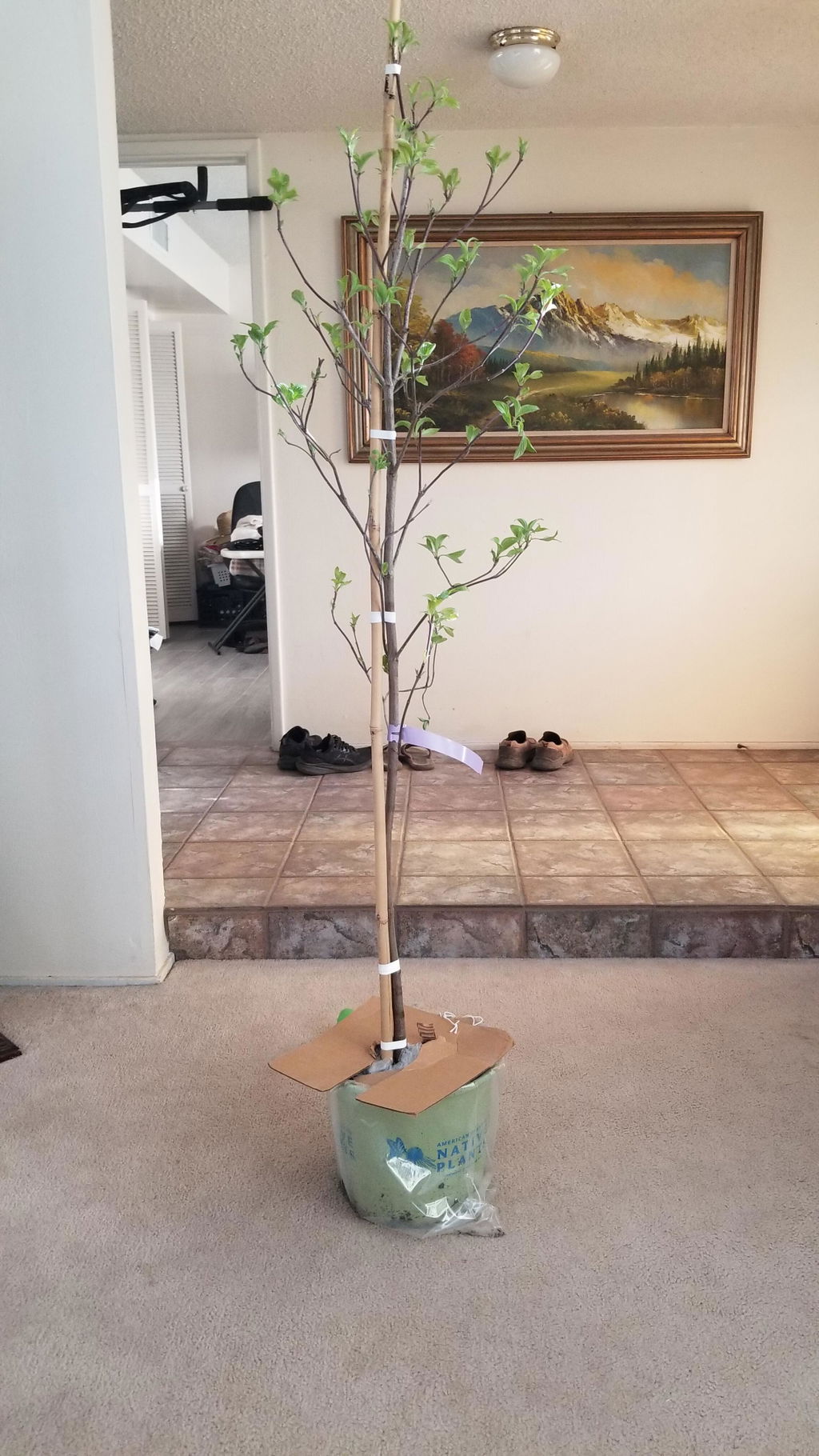
pkg arrived on time in good shape. The tree was approx. 3 1/2ft tall. I thought it would have more branches. My daughter called it a stick in the ground. It came with no instructions for planting. I googled support. After a week it has leaves on the limited branches and is starting to look promising.
Kinda small for what I wanted and website did not indicate the size. But hopefully it will do well for years to come. Shipping was extremely fast and shipped with care.
Hi there,
Thank you for taking the time to leave a review for our White Flowering Dogwood. We apologize that the size was not clearly indicated on our website. We are constantly working to improve our product information for our customers. We are glad to hear that the shipping was fast and that the plant was well taken care of.
In regards to the size, our Dogwood is a young plant and will continue to grow over the years. In the meantime, we recommend giving it plenty of water and placing it in a spot with partial shade. This will help it thrive and reach its full potential. We hope you enjoy watching it grow and bloom for many years to come.
Thank you for choosing our product and for your valuable feedback. Happy gardening!
Best,
Nature Hills Support
The dogwood came packaged very well and in great condition. I am anxious to see it grow and provide the shade and beauty that I am hoping for. I am pleased with the service and quality at Nature Hills.
Thank you, Mary, for your kind review of the White Flowering Dogwood!
We’re so happy to hear your tree arrived in great condition and was well-packaged—that’s always our goal! The White Dogwood is a timeless favorite, and we share your excitement to watch it grow into a stunning focal point, offering both shade and seasonal charm. We're also grateful for your kind words about our service—it means the world to us!
Here for all your plant care needs,
Nature Hills – America’s Online Plant Experts
I finally will be putting in my own Cherokee Princess this spring and I cant wait. This tree is one of the most beautiful trees I have ever seen.
Hi Gina134,
Thank you so much for sharing your excitement about planting the Cherokee Princess White Flowering Dogwood! You’re absolutely right—this tree is truly a stunning addition to any yard with its elegant winter buds and striking porcelain-white blooms. We’re thrilled you’ve chosen such a beautiful specimen to nurture in your own garden.
As you prepare for spring planting, make sure to select a location with well-drained soil and partial shade, as dogwoods thrive best in these conditions. Mulching around the base will help retain moisture and protect roots through temperature fluctuations. Should you want to enhance its health further, occasional deep watering and monitoring for pests like borers will keep your Cherokee Princess happy and vibrant.
We’re so excited to be part of this planting journey with you and are here if you have any questions along the way. Wishing your new dogwood many seasons of beauty and joy!
Rooting for your garden’s success,
Your Nature Hills Plant Care Team
Great write up. Will plant one of these in the backyard of my new house in the next month.
Hello Sandy,
Thank you so much for your wonderful feedback! We're thrilled to hear that you enjoyed the write-up and are planning to plant a White Flowering Dogwood in your new backyard. These trees are truly stunning and can bring such elegance and charm to any landscape.
When it comes to planting your dogwood, be sure to select a spot with well-draining soil and partial shade, if possible—this will help it thrive for years to come. Keep in mind that dogwoods appreciate consistent moisture, especially in hotter climates, so regular watering as the tree establishes is key. If you’d like, we have detailed care guides on our website that provide tips on mulching, pruning, and promoting their gorgeous blooms, which could be helpful once your dogwood is settled.
Congratulations on your new home—what a perfect new beginning with this beautiful tree taking root in your yard!
Rooting for your garden’s success,
Your Nature Hills Plant Care Team
The older my white flowering dogwood gets, the more I like it. Loads of white flowers every spring.
Dear The Joker,
Thank you so much for sharing your experience with your White Flowering Dogwood! It’s wonderful to hear how much more you appreciate its beauty as it matures—those abundant white blossoms in spring truly are a joy and such a bright addition to any garden.
If you ever want to keep those flowers coming strong year after year, a little extra care like mulch to retain moisture and occasional deep watering during dry spells can really help. Pruning just after flowering also promotes healthy growth and more blooms the following season.
We’re thrilled your dogwood is bringing such delight to your outdoor space and would love to help if you have any other questions about its care or any other plants you think about adding.
Bloom on,
The Nature Hills Plant Knowledge Team
The older my white flowering dogwood gets, the more I like it. Loads of white flowers every spring.
Dear The J.,
Thank you so much for sharing your wonderful experience with your white flowering dogwood! It warms our hearts to hear that as your tree matures, its abundant white blooms continue to bring you joy every spring. Dogwoods truly are a stunning addition to any garden, and your appreciation for its growing beauty reflects a true connection with your landscape.
If you ever want tips on helping sustain those vibrant blooms or keeping your dogwood healthy through the seasons, feel free to reach out. For instance, providing mulch to retain moisture, ensuring proper watering during dry spells, and inspecting the tree for any signs of pests can all make a positive difference. We’re here to help you cultivate an even fuller and healthier display of blossoms for years to come!
Thank you again for your kind feedback and for inviting us into your planting journey.
Rooting for your garden’s success,
Your Nature Hills Plant Care Team
First of all, I was very impressed with the dogwood tree I received last spring. Well packed & seemed much taller than advertised. The box must have been 7 feet tall. It bloomed last spring & I noticed the flowers, although a lot of them, seemed smaller than I remember dogwood blooms to be. It's blooming again this year. Again, tons of flowers but they seem small. Is there something I can feed the tree or do to promote larger blooms?
Hi Woody,
Thank you so much for sharing your experience with the White Flowering Dogwood! We’re delighted to hear the tree arrived tall, healthy, and thrived enough to bloom not just once but twice. Dogwoods truly are beautiful additions to any garden.
It’s quite common for dogwood blooms to vary in size based on factors such as soil nutrients, watering, and sunlight. If your tree is producing many flowers but they appear smaller than you remember, helping it get the right balance of nutrients can make a big difference. We recommend applying a balanced, slow-release fertilizer formulated for flowering trees in early spring before buds break dormancy. Also, ensuring the tree receives ample but not excessive water—dogwoods prefer moist, well-drained soil—will promote healthy growth. Mulching around the base with organic material helps retain moisture and protects roots.
Another key factor is the amount of sunlight; dogwoods typically thrive with partial shade, so avoiding intense, direct midday sun could improve bloom size and quality. Pruning lightly after the spring bloom may also encourage better structure and more prominent flowers next season.
If you’re interested, we have a helpful care guide for dogwoods available on our site that dives deeper into fertilizing schedules and ideal lighting specifics.
We’re so glad your tree continues to flourish year after year, and we hope these tips illuminate the path to those fuller, larger blooms you’re looking forward to!
Growing with you,
Nature Hills Nursery – Your Trusted Plant Specialists
First of all, I was very impressed with the dogwood tree I received last spring. Well packed & seemed much taller than advertised. The box must have been 7 feet tall. It bloomed last spring & I noticed the flowers, although a lot of them, seemed smaller than I remember dogwood blooms to be. It's blooming again this year. Again, tons of flowers but they seem small. Is there something I can feed the tree or do to promote larger blooms?
Hi Woody,
Thank you so much for sharing your experience with your White Flowering Dogwood! We're thrilled to hear the tree arrived in great condition and that it’s bloom-a-licious two seasons in a row.
Regarding the smaller flowers, a few factors might influence bloom size. Dogwoods benefit from regular feeding with a balanced, slow-release fertilizer formulated for trees and shrubs, particularly one higher in phosphorus, which supports bloom development. Adding organic mulch and ensuring the tree receives adequate moisture—especially in dry periods—can also improve bloom quality. Additionally, planting location matters: partial shade, good drainage, and protection from strong winds usually help the tree thrive and produce fuller flowers.
You might also consider a soil test to check if any specific nutrients are lacking, as nutrient imbalances sometimes impact bloom size. Our blog and plant care pages have more this detailed care info that you may find helpful.
Thanks again for your thoughtful feedback—wishing your splendid dogwood many seasons of breathtaking blooms ahead!
Rooting for your garden’s success,
Your Nature Hills Plant Care Team
Mine produces a ton of flowers each spring. The white flowering dogwood is one of my favorite trees.
Hi K I.,
Thank you so much for sharing your wonderful experience with your White Flowering Dogwood! It’s truly heartwarming to hear that it produces such an abundant display each spring and has become one of your favorite trees. These dogwoods are absolutely stunning and “heavy flowering” specimens like yours can really brighten any landscape.
If you’d ever like tips on pruning, caring for the foliage through the seasons, or even planting complementary shrubs or perennials to enhance your spring display, please don’t hesitate to reach out. We’re always here to help your garden flourish in every way!
Wishing you happy planting,
The Nature Hills Plant Experts
Mine produces a ton of flowers each spring. The white flowering dogwood is one of my favorite trees.
Dear Kimmy,
Thank you so much for sharing your wonderful experience with your White Flowering Dogwood! We’re delighted to hear that your tree produces such a beautiful, abundant bloom each spring. It's truly a special tree, and knowing it’s one of your favorites means a lot to us.
If you ever want to enhance its health or bloom even further, ensuring it gets partial shade, well-drained soil, and consistent watering during dry spells can make a great difference. Fertilizing lightly in early spring can also support those heavy flower displays next season!
We’re always here if you’d like tips on pruning or dealing with any pests or diseases, too. Enjoy your gorgeous blooms—and thanks again for being a part of the Nature Hills family!
Bloom on,
The Nature Hills Plant Knowledge Team
White in the spring and red in the fall. The white flowering dogwood is a tree that will not be ignored.
Dear Suzette,
Thank you so much for sharing your glowing review of the White Flowering Dogwood! We absolutely agree—the breathtaking white blooms in spring and vibrant red hues in fall truly make this tree a captivating highlight in any landscape. It’s wonderful to know your dogwood is commanding well-deserved attention.
If you ever want tips to keep your dogwood healthy and vibrant, such as proper watering, mulching, or disease prevention, please don’t hesitate to reach out. We’re here to help your beautiful tree thrive through every season!
Bloom on,
The Nature Hills Plant Knowledge Team
White in the spring and red in the fall. The white flowering dogwood is a tree that will not be ignored.
Dear Suzette O.,
Thank you so much for sharing your beautiful reflections on the White Flowering Dogwood! We completely agree—its striking white blooms in spring and vibrant red leaves in the fall truly make it a standout addition to any garden. It’s a joy to hear how much you appreciate the dynamic charm this tree brings through the seasons.
If you ever want tips on nurturing your dogwood through its growing stages or advice on ideal planting locations and soil care to keep it flourishing year after year, please don’t hesitate to reach out. We’re always here to help your garden thrive.
Wishing you happy planting,
The Nature Hills Plant Experts
White Flowering Dogwood is a classic spring bloomer in my yard but it also has unexpected fall color that is also quite a show!
Dear Dig-um,
Thank you so much for taking the time to share your experience with the White Flowering Dogwood! We’re delighted to hear that it not only graces your yard with its classic spring blossoms but also treats you to those beautiful fall colors—a feature that often surprises and enchants many gardeners.
If you’re looking to enhance the show even further, we recommend providing your dogwood with well-drained, acidic soil and partial shade, as these conditions are ideal for vibrant foliage and flowers. Additionally, mulching around the base can help retain moisture and protect the roots during seasonal changes.
If you'd like, we’re happy to send along some detailed care guides or suggestions for companion plants that thrive alongside dogwoods to create an even more stunning spring-to-fall landscape.
Thanks again, Dig-um, for sharing your gardening joy with us!
Bloom on,
The Nature Hills Plant Knowledge Team
White Flowering Dogwood is a classic spring bloomer in my yard but it also has unexpected fall color that is also quite a show!
Dear Dig U.,
Thank you so much for sharing your wonderful experience with the White Flowering Dogwood! We’re delighted to hear that its classic spring blooms brighten your yard and that the unexpected fall color adds an extra layer of beauty to your landscape. The vibrant reds and purples in the fall really make this tree a year-round showstopper.
If you’re interested in enhancing its health and color even further, ensuring it’s planted in well-drained, slightly acidic soil and watering it consistently during dry spells can make a big difference. Also, mulching around the base helps retain moisture and nurtures the roots. If you’re ever looking for companions that pair beautifully with dogwoods—like azaleas or ferns—we’d be happy to provide suggestions!
Thank you again for choosing Nature Hills and for sharing this lovely testimony. We look forward to following your garden’s future beauty!
Rooting for your garden’s success,
Your Nature Hills Plant Care Team
MY tree must of had the right weather for blooms last year. I had never seen so many flowers. Gorgeous tree.
Hi Fred,
Thank you so much for sharing your wonderful experience with your White Flowering Dogwood! It sounds like last year’s weather truly treated your tree kindly, resulting in a spectacular display of blooms. These trees can be quite rewarding when they flourish, and it’s great to hear yours did just that.
To help ensure your dogwood continues to thrive and bloom plentifully, you might consider providing it with some light shade during the hottest parts of the day, since too much intense sun can sometimes be tough on the blooms. Also, consistent watering—especially during dry spells—and mulching can help keep the roots healthy and stress-free. If ever you want to explore fertilizing options, a balanced, slow-release fertilizer in early spring can give your tree an added boost.
Should you have any more questions or want tips for other plants, we’re here to help! Thanks again for taking the time to share your joyful blooms with us.
Bloom on,
The Nature Hills Plant Knowledge Team
