


Kousa Dogwood Tree
Cornus kousa chinensis


Plant Sentry™ Protected
Your order is protected by our compliance system that:
- Prevents restricted plants from shipping to your state
- Ensures plants meet your state's agricultural requirements
- Protects gardens from invasive pests and diseases
Specifications
| Plant Characteristics | Disease resistant, Edible, Flowering, Cold hardy, Deer-resistant, Fragrant, Attracts pollinators, Evergreen |
|---|---|
| Sunlight | Full sun, Partial shade |
| Height | |
| Width | |
| Watering Needs | Moderate |
| Preferred Soil | Chalky, Clay, Loamy, Peaty |
| Growth Rate | Moderate |
| Blooms In | Spring |
| Flower Color | Pink, White |
| Suitable Space | Outdoors |
| Plant Name | Dogwood |
| Botanical Name | |
| Species | |
| Class | Cornales |
| Does Not Ship To | AK, HI, ID, MT, PR |
Description
A Four-Season Masterpiece for Your Landscape
The Kousa Dogwood, or Cornus kousa var. chinensis, is widely considered one of the most elegant small trees available for the home landscape. Often called the Chinese Dogwood, this variety is celebrated for having larger flower bracts and a more vigorous habit than the species. Its year starts with a vase-shaped silhouette that gradually matures into a regal, rounded canopy. As the seasons shift, so does the personality of this tree, offering a sensory experience that transitions from lush greenery to a fiery autumn display.
Extraordinary Late-Spring Blooms
While the native Flowering Dogwood finishes its show early, the Chinese Dogwood takes center stage in late May and June. The "flowers" are actually a collection of four creamy-white, pointed bracts that surround a small cluster of yellowish-green true flowers. These bracts can reach up to 5 inches across, often appearing in such profusion that they completely obscure the dark green foliage. Because they bloom later, they are less susceptible to late spring frosts, ensuring a reliable display year after year.
Edible Jewels and Autumn Fire
By late summer, the blooms transition into unique, hanging red fruits that resemble large raspberries. These fruits are technically edible with a custard-like interior, though they are most often prized as a magnet for local birds and butterflies. As the weather cools, the oval, pointed leaves transform into a spectacular palette of orange and deep red. Even in the dead of winter, the Kousa Dogwood remains a focal point; its mature bark begins to exfoliate, revealing a mottled pattern of tan, gray, and brown that looks stunning against a backdrop of snow.
Superior Disease Resistance
One of the greatest benefits of planting Cornus kousa chinensis is its incredible durability. Unlike many other dogwood varieties, the Kousa has excellent natural resistance to dogwood anthracnose and powdery mildew. This makes it a low-maintenance, high-reward choice for specimen planting near patios, in woodland gardens, or as a focal point in a well-manicured lawn.
Planting & Care
Delivery and Shipping
Shipping Rates
Ships in 7-10 business days • Tracking provided • Weather protected
| Under $50 | $9.99 |
| $50 - $99.99 | $14.99 |
| $100 - $149.99 | $16.99 |
| $150 - $198.99 | $24.99 |
| $199+ | FREE |
✓ Zone-specific timing • ✓ Professional packaging • ✓ Health guarantee
Find on Page
Type to search specs, description, care, FAQ, and shipping.

I'm disappointed - I have been waiting for this tree to give to a friend who recently put her dog down. It arrived in horrible condition. I took photos. I cannot give this as a gift; I'm not sure it will survive, and it looks horrible. Waste of money.
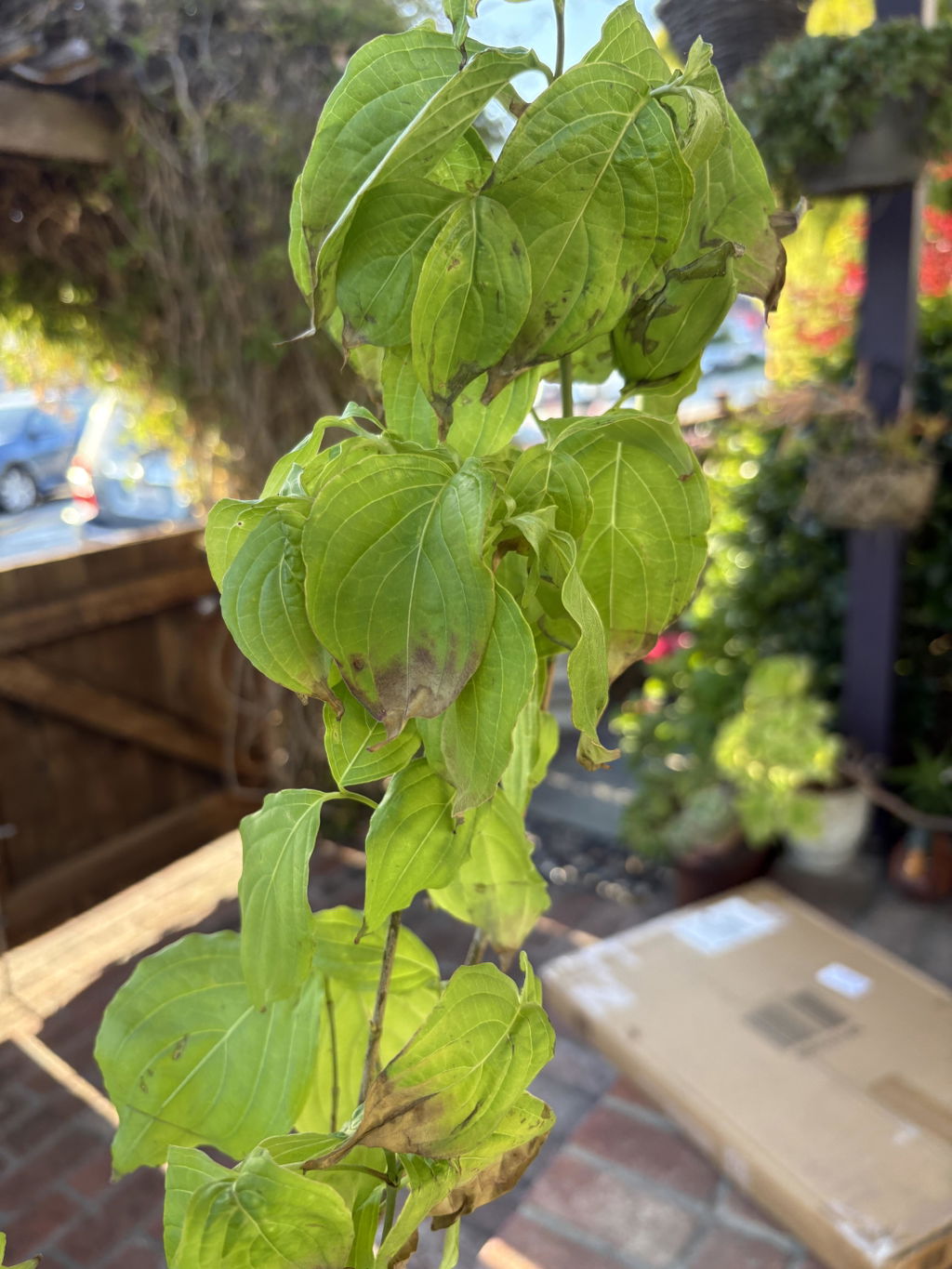
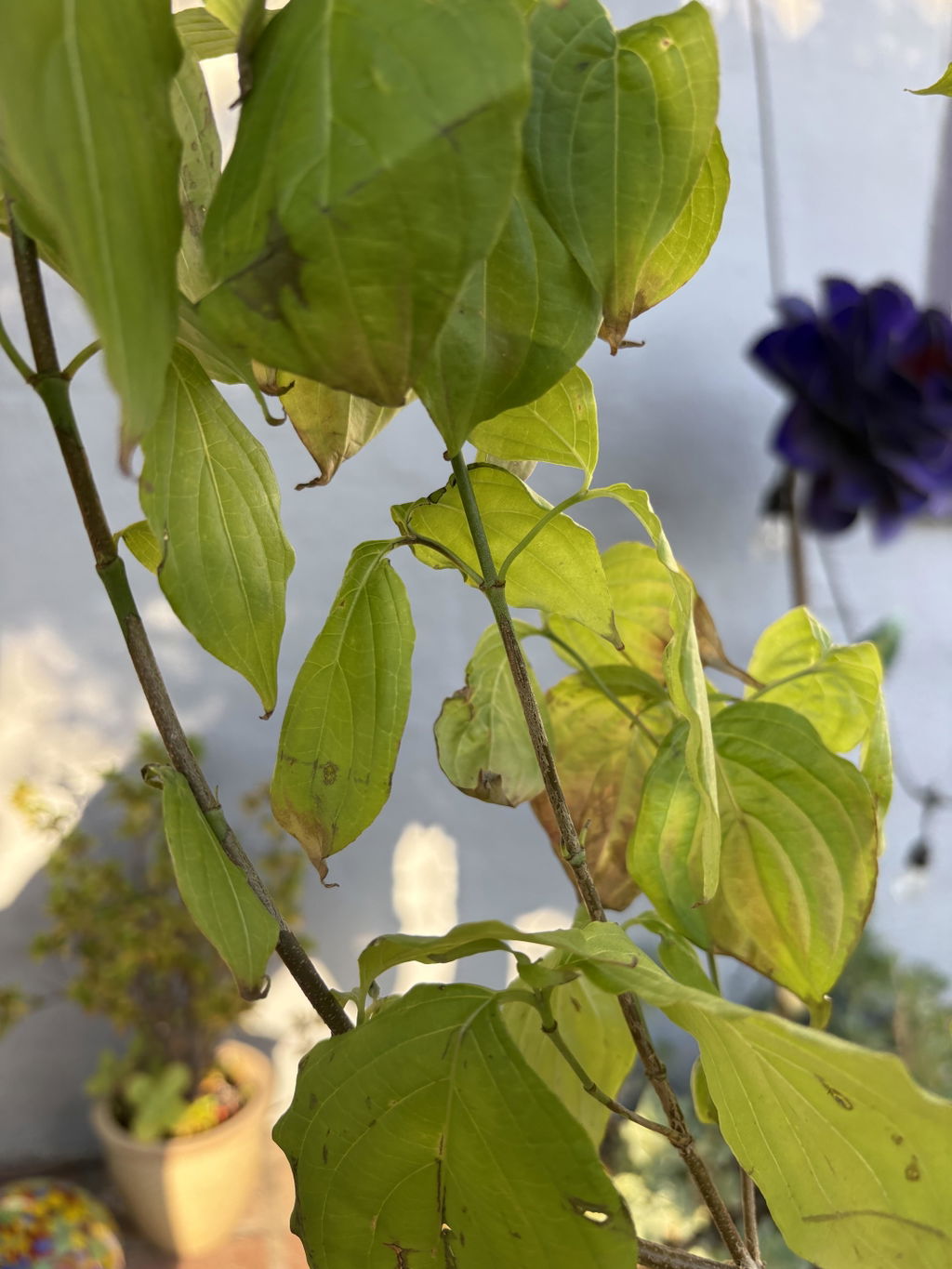
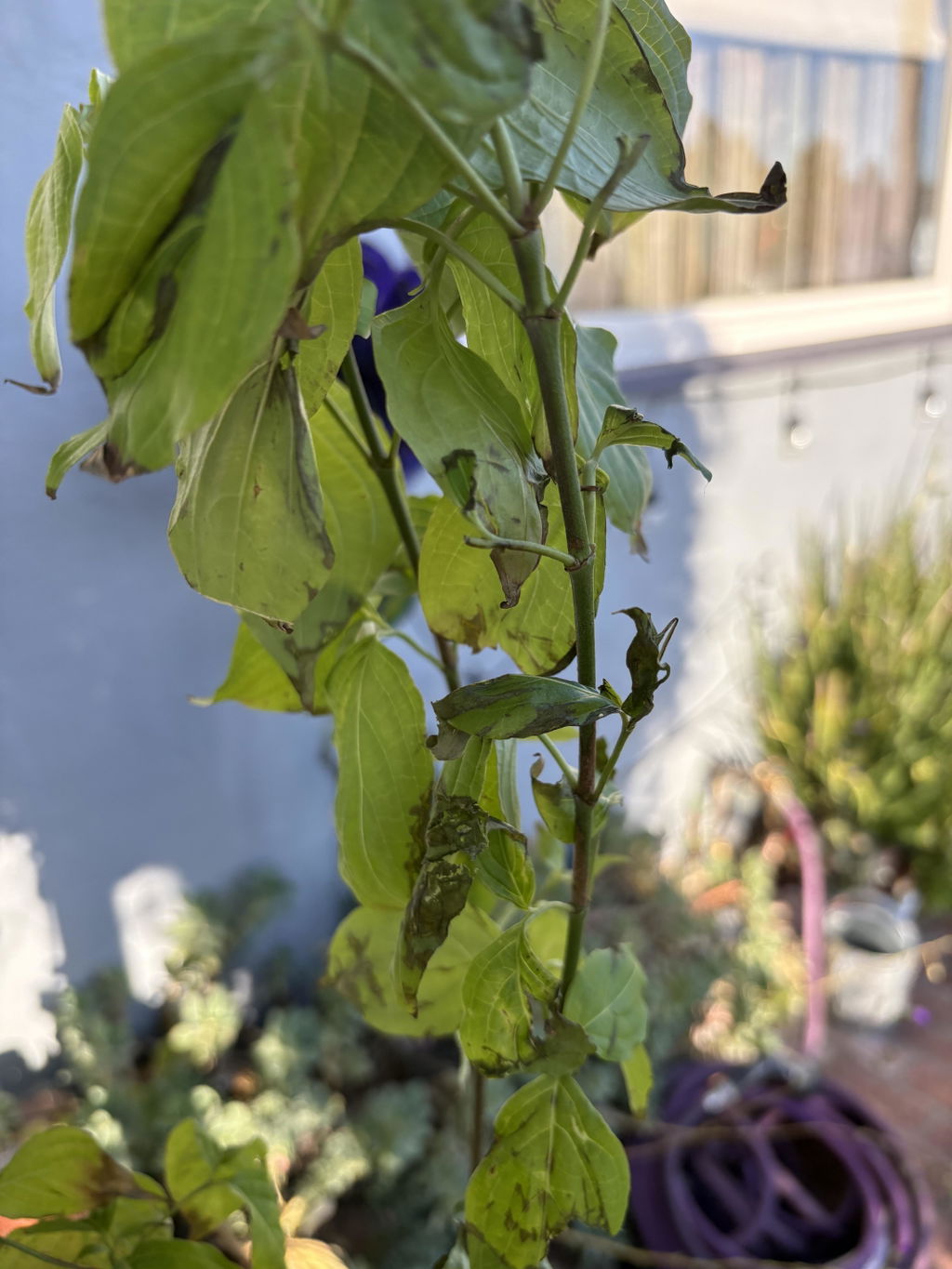
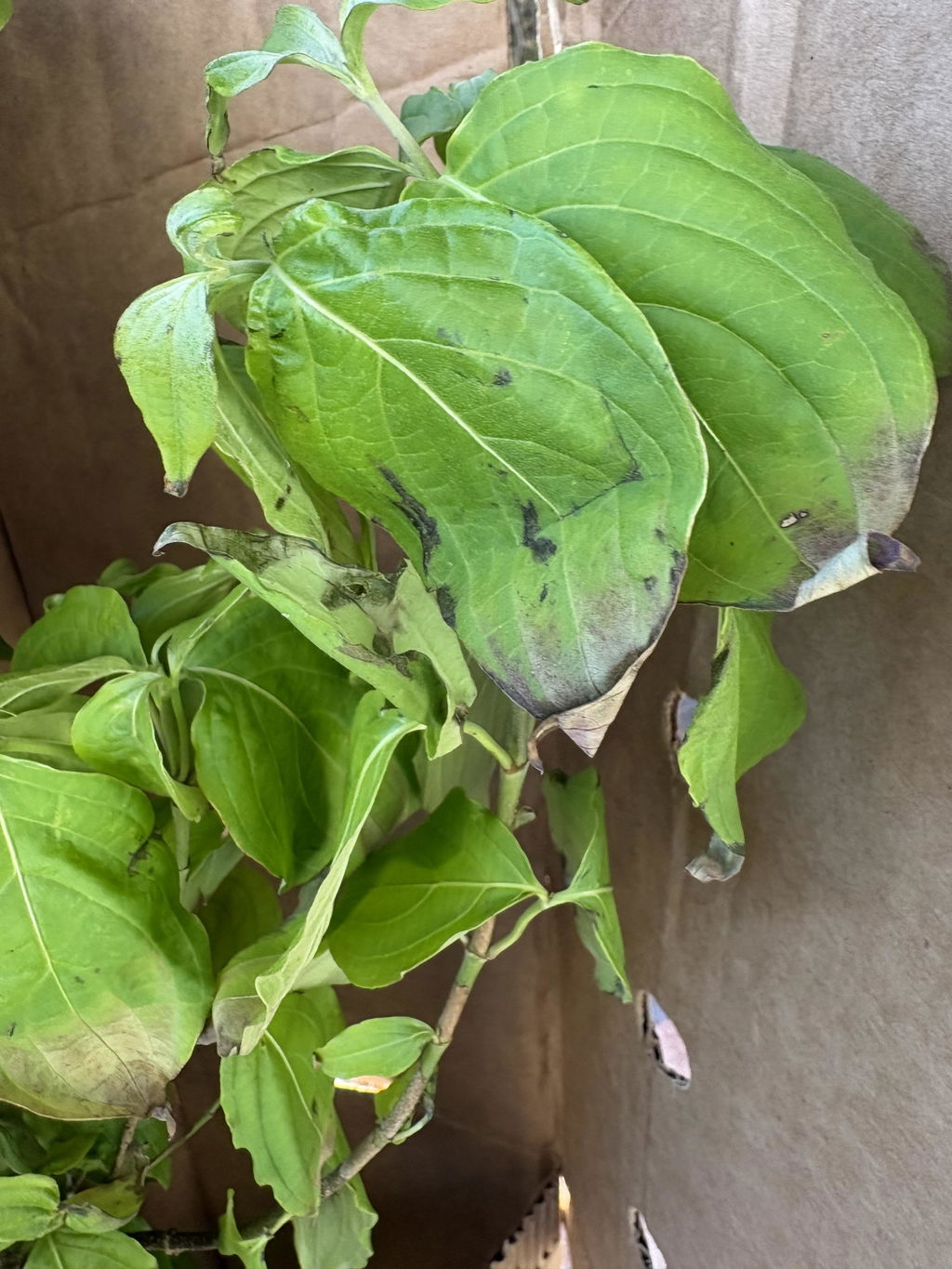
Tree arrived in great condition.
A Kousa Dogwood that travels well is a good start to a long relationship with a great tree. They're slow to establish but patient gardeners are well rewarded with the spring blooms and summer fruit. Thanks for sharing the update, Jan.
The tree was in great shape when it arrived, and it still looks great!
Kousa Dogwood is such a satisfying tree to grow, and getting one that arrives in good shape and keeps right on thriving is exactly what you want. Thanks for sharing, Loretta. If it blooms for you this season, those white bracts are worth the wait. The Nature Hills Team
The dogwood is full and healthy, a really perfect balanced tree. The packing was a work of art. I will certainly order from Spring Hill,in the future.
A full, balanced Kousa right out of the box is exactly what you want, and good packing makes all the difference in getting a tree there in that condition. We do put a lot of care into how plants are prepared for shipping, so it is great to hear it showed. We hope your Kousa settles in well and gives you years of those distinctive star-shaped blooms. Thanks for the kind words, and we look forward to your next order.
Nature Hills sent me a beautiful little tree. Now I hope nature and I are good to it and can nature it into a full-grown beauty.
Kousa Dogwoods are worth every bit of the patience it takes to get them established, and it sounds like yours is off to a good start. Give it consistent water through the first season or two, and once it settles in it tends to take off on its own. Thanks for planting one, Warren. The Nature Hills Team
Will this tree do well planted in full sun in Massachusetts?
Hello Donna,
Thank you so much for reaching out with your question! We truly appreciate your thoughtfulness in ensuring your tree thrives in your Massachusetts garden. Many trees do well planted in full sun here, but it definitely depends on the specific variety you're looking to plant. If you’d like to share the name of the tree, we can provide detailed guidance on sun requirements and care tips to help it flourish in your area. In general, Massachusetts offers a favorable climate for many sun-loving trees, and planting in full sun can often enhance growth and blooming.
Please don’t hesitate to contact us with more details or for personalized recommendations! We’re here to support your gardening every step of the way.
Rooting for your garden’s success,
Your Nature Hills Plant Care Team
Very impressive quality. The size and tree description is exactly as described. The extra effort taken in the shipping container is unmatched. FedEx was very rough in handling and one day late in delivery. If the special packaging effort was not taken the tree probably would not have survived. The tree is recovering from the rough shipping and is looking well. Thank you!
Dear Robert,
Thank you so much for taking the time to share your detailed feedback! We’re truly delighted to hear that the quality and description of your tree met your expectations, and that our special packaging made a positive difference during what sounds like a challenging shipping experience. We completely understand how rough handling by carriers like FedEx can cause concern, so it’s wonderful to know your tree is on the road to recovery and looking well.
Please don’t hesitate to reach out if you’d like tips on helping your tree regain full health or any other plant care advice. We’re always here to support you in nurturing your new addition. Your kind words truly motivate us to continue our careful packaging efforts to deliver the best possible trees.
Rooting for your garden’s success,
Your Nature Hills Plant Care Team
I place this in my backyard between my 2 Summer Red Maple Trees. It is doing quite nicely. Cant wait for it to mature.
Hi Cynthia,
Thank you so much for sharing your experience with your new Kousa Dogwood! It’s wonderful to hear that it’s doing well breezed in nicely between your two Summer Red Maples. This beautiful 위치 combined with the gentle presence of maples will surely create a lush backyard oasis as it matures.
As your dogwood grows, you can look forward to its stunning layered, trumpet-shaped blooms and vibrant fall foliage, making your garden truly impressive year-round. To help it thrive, just ensure it gets consistent watering, especially during dry spells, and consider applying a light mulch to conserve moisture and protect its roots in winter.
If you ever need tips on pruning or seasonal care, we’d love to assist — don’t hesitate to reach out. Wishing your lovely garden continued growth and beauty!
Rooting for your garden’s success,
Your Nature Hills Plant Care Team
I place this in my backyard between my 2 Summer Red Maple Trees. It is doing quite nicely. Cant wait for it to mature.
Dear Cin F.,
Thank you so much for sharing your experience with your Kousa Dogwood! It’s wonderful to hear that it is thriving in your backyard alongside your Summer Red Maples. The way you’ve positioned it sounds perfect, and we’re sure it will bring even more beauty as it matures. If you ever need tips on care or ways to help it flourish further, don’t hesitate to reach out—we’re always here to help every step of the way!
Growing with you,
Nature Hills Nursery – Your Trusted Plant Specialists
got in great shape, well protected
Hi,
Thank you so much for taking the time to share your feedback about your dogwood! We're delighted to hear that it arrived in great shape and well protected. We take extra care to ensure that each plant is securely packed to give you the best possible start with your new addition.
If you ever have any questions about caring for your dogwood or need tips on planting and maintenance to help it thrive, please don’t hesitate to reach out. We're here to support you every step of the way on your gardening journey!
Wishing you happy planting,
The Nature Hills Plant Experts
got in great shape, well protected
Hello Charles,
Thank you so much for your wonderful feedback! We’re delighted to hear that your dogwood arrived in great shape and well protected—that winning combination makes all the difference for a smooth planting experience. If you ever have questions about caring for your dogwood or want tips to help it thrive throughout the seasons, please don’t hesitate to reach out. We’re always here to support you withAdvice or resources to keep your tree flourishing.
Wishing you happy planting,
The Nature Hills Plant Experts
I also had two Kousa Dogwood trees while living in New Jersey. Have moved to Texas and work for a Garden Center, so I ordered 8 trees. Four for a friend and four for myself. The red raspberry was not as sweet as the real raspberry. Yes, I did eat a couple and lived to tell. Also a member of Brazos County Master Gardener. Check your extension office for a local Master Gardener Club.
Hello Sandy,
Thank you so much for sharing your wonderful experience with the Kousa Dogwood trees and for your thoughtful feedback! It’s inspiring to hear about your gardening journey from New Jersey to Texas, and how your passion even extends to working at a Garden Center and participating in the Brazos County Master Gardener program. You’re absolutely right—checking with your local extension office for a Master Gardener Club is a fantastic tip that helps gardeners connect and gain localized knowledge.
We’re glad you’ve enjoyed fostering these beautiful trees and appreciate your note about the red raspberry fruit flavor—while it has a milder sweetness than traditional raspberries, it’s great that you got to taste and enjoy it safely! If you ever need tailored advice for how to best care for your Kousa Dogwoods in the Texas climate or want tips on encouraging vibrant blooms and healthy fruit, just reach out. Our plant care resources and your local Master Gardener network are terrific allies on your planting journey.
Wishing you happy planting,
The Nature Hills Plant Experts
We have 2 lovely Kousa Dogwood trees at either front end of our 50s ranch house. They were not familiar to us, but our neighbor identified them. We have lived here 4 years and have enjoyed them. The flowers stay fresh for a long period of time. I do keep after the berries that fall on our driveway, but its no big problem. Im not aware of birds eating them.
Dear Mkm,
Thank you so much for sharing your experience with your Kousa Dogwood trees! We’re delighted to hear that these lovely trees have become a cherished part of your home’s landscape and that you’re enjoying their long-lasting flowers. It’s great that your neighbor could help you identify them—sometimes having a community connection like that makes all the difference in appreciating new plants.
Keeping up with the fallen berries can be a bit of a task, but it’s wonderful to know it’s manageable and doesn’t overshadow the enjoyment you get from your trees. If you’re curious, Kousa Dogwood berries are indeed often eaten by birds like cardinals and thrushes, especially late summer into fall, so they may eventually attract some feathery visitors to your yard. You might want to place a bird feeder nearby to encourage local bird activity if you’re interested in making it more wildlife-friendly.
If you'd like tips on caring for your Kousas through the seasons or maximizing their beautiful blossoms, we’re always happy to offer guidance too!
Wishing you happy planting,
The Nature Hills Plant Experts
This Dogwood is doing very well in zone 4 (Wisconsin) No flowers yet after 2 years but still very healthy tree! I will buy another.
Dear Lassonde,
Thank you so much for sharing your experience with your Kousa Dogwood Tree in zone 4 Wisconsin! We're delighted to hear that your tree is thriving and staying healthy, even though the flowers haven’t shown up yet. It’s not uncommon for Kousa Dogwoods to take a few years—sometimes 3 to 5—before they begin blooming, especially as they establish themselves, so your tree is right on track.
To encourage flowering in the future, make sure it’s getting plenty of well-drained soil and sunlight—these trees do best in full sun to partial shade. Avoid heavy pruning in late summer or fall since Kousa Dogwoods set flower buds for the next season during that time. Patience is definitely paying off here!
We’re delighted to hear you'd consider buying another tree from us; please don’t hesitate to reach out for additional planting or care tips to ensure continued success.
Bloom on,
The Nature Hills Plant Knowledge Team
The red berries have big seeds but the flavor is mm mm good to taste. just spit the seeds out.
Dear Kousa L.,
Thank you so much for taking the time to share your experience with your Kousa Dogwood Tree! We’re delighted to hear that you’re enjoying the delicious flavor of the red berries. Yes, those seeds can indeed be quite large—it’s great advice to simply spit them out while savoring the fruit.
If you’re interested in other ways to enjoy the berries, some customers like to use them in jams or sauces once they’ve removed the seeds, which enhances their delightful flavor without the fuss. Also, if you ever want to propagate more Kousa Dogwoods, the seeds are a great start, but just be mindful they require a cold stratification period for the best germination results. We’re happy to send care tips anytime!
Thanks again for sharing your feedback—it helps fellow plant lovers make the most of their nature finds.
Rooting for your garden’s success,
Your Nature Hills Plant Care Team
Very nice display of fall color by my Kousa dogwood.
Hi Terri,
Thank you so much for sharing your wonderful experience with your Kousa dogwood tree! We’re delighted to hear that it’s providing such a beautiful display of fall color in your garden. The Kousa dogwood truly shines in autumn with its rich hues, and it’s great to know yours is thriving. If you’re ever looking for tips to keep your tree vibrant year-round or information on gentle pruning and soil care, feel free to reach out—we’re always here to help your garden flourish.
Rooting for your garden’s success,
Your Nature Hills Plant Care Team
Very nice display of fall color by my Kousa dogwood.
Hi Terri,
Thank you so much for sharing your experience with your Kousa Dogwood! We’re delighted to hear you’re enjoying the beautiful fall color display—it truly is one of the most captivating features of this lovely tree. If you ever want tips on enhancing fall color even further, we recommend ensuring your tree gets plenty of sunlight and consistent watering during dry periods. Mulching around the base can also improve soil health and encourage vibrant foliage. Feel free to reach out anytime for more care advice or if you’re thinking of adding more autumn beauties to your garden.
Bloom on,
The Nature Hills Plant Knowledge Team
This tree had some smal flowers when purchased, but really looking forward to summer blooms and fall colors
Hi Gail,
Thank you so much for sharing your thoughts about your Kousa Dogwood Tree! We’re delighted to hear you enjoyed the small flowers it had when you received it. As you look forward to summer blooms and the radiant fall colors, remember that Kousa Dogwoods do beautifully with plenty of sunlight and well-drained soil. Regular watering, especially during dry periods, will support vibrant flowering and a healthy display of foliage colors later in the year.
If you want to maximize bloom potential, a light application of balanced fertilizer in early spring can give your tree some extra nourishment. And as the seasons change, keep an eye out for those lovely, reddish bracts and crisp fall leaves that really make this variety shine. If you have any questions or want personalized tips as your beauty grows, don’t hesitate to reach out!
Bloom on,
The Nature Hills Plant Knowledge Team
This tree had some smal flowers when purchased, but really looking forward to summer blooms and fall colors
Hi Gail,
Thank you so much for sharing your lovely thoughts about your Kousa Dogwood Tree! We're delighted to hear you're already enjoying the small flowers and are eagerly anticipating the summer blooms and vibrant fall colors—Kousa Dogwoods truly make a stunning seasonal statement.
As your tree grows, make sure it gets plenty of sunlight and well-drained soil to support its health and blooming potential. Regular watering, especially during dry periods, will help it flourish. In late winter or early spring, a gentle pruning can encourage stronger branches and more blossoms. If you’d like detailed care tips or advice on enhancing your tree’s growth, feel free to reach out!
We’re so glad to be part of your gardening journey and can’t wait to hear how your dogwood brightens your yard.
Bloom on,
The Nature Hills Plant Knowledge Team
This tree would be a great accent to anyone's yard
Hi Debbie,
Thank you so much for your kind words about the Kousa Dogwood Tree! We’re glad to hear you appreciate its size and think it makes a great accent—it really is a wonderful choice for adding elegance and seasonal interest to any yard. If you ever want tips on how to best care for your Kousa Dogwood or ideas to complement it with companion plants, please don’t hesitate to reach out. We’re always here to help your garden thrive!
Rooting for your garden’s success,
Your Nature Hills Plant Care Team
This tree would be a great accent to anyone's yard
Hi Debbie,
Thank you so much for sharing your thoughts on the Kousa Dogwood Tree! We’re delighted to hear that its size makes it a wonderful accent for your yard. This tree truly adds charm with its beautiful blooms and distinctive shape.
If you’re looking for tips on care, the Kousa Dogwood benefits from well-drained soil and partial to full sunlight. Mulching can help retain moisture and protect roots during temperature changes. And if you’d like inspiration or pointers on pairing it with other plants, feel free to reach out—we’re always here to help!
Wishing you happy planting,
The Nature Hills Plant Experts
The birds migrate to my Kousa dogwood in the fall and winter to eat the fruit.
Dear Delbert199,
Thank you so much for sharing your wonderful experience with your Kousa Dogwood Tree! We're delighted to hear that it has become a cozy spot for migrating birds during the fall and winter. It's always gratifying when our plants contribute not only to personal enjoyment but also to local wildlife.
If you'd like to enhance your garden's welcoming environment even further, consider planting additional native shrubs or small trees that produce berries or nuts. Species like serviceberry or beautyberry can provide a continuous food source for birds throughout different seasons. Also, adding a birdbath nearby could encourage more feathered friends to visit and stay healthy through the colder months.
Please don’t hesitate to reach out if you want specific recommendations for plants that attract and support local birds, or if you need any other garden tips. We’re thrilled to be part of your bird-loving gardening journey!
Bloom on,
The Nature Hills Plant Knowledge Team
