


Royal Frost™ Birch Tree
Betula x 'Royal Frost'


Plant Sentry™ Protected
Your order is protected by our compliance system that:
- Prevents restricted plants from shipping to your state
- Ensures plants meet your state's agricultural requirements
- Protects gardens from invasive pests and diseases
Specifications
| Plant Characteristics | Cold hardy, Fast-growing, Fall Color/Interest, Thornless |
|---|---|
| Hardiness Zone | 3a to 6b |
| Sunlight | Full sun, Partial shade |
| Height | |
| Width | |
| Watering Needs | Moderate |
| Preferred Soil | Chalky, Loamy, Sandy |
| Growth Rate | Medium |
| Blooms In | Spring |
| Flower Color | Green |
| Suitable Space | Outdoors |
| Botanical Name | |
| Species | |
| Cultivar | |
| Class | Magnoliopsida, Fagales |
| Does Not Ship To | AK, HI, ID, MT, PR |
Description
Roll out the red carpet and make way as the trumpets sound for the Royal Frost® Birch (Betula x 'Royal Frost')! You will understand the hype when this unique Birch Tree is in your presence!
Featuring an upright, pyramidal form with regal burgundy-red to plum purple foliage that transforms into a captivating yellow-orange to red coloration in the fall. Unlike the usual Birch dark green foliage that becomes golden yellow, Royal Frost® stands out as something truly unique!
Royal Frost® keeps the impressive family trait of snow-white bark that shows off beautifully in the winter months. You will have something to look forward to every season of the year. Hardy throughout USDA planting zones 4 to 7 and grow into impressive 30 - 40 feet tall specimens. Spreading just 15 - 20 feet wide, these Birch hybrids grow fast to mature size.
Landscape Application:
You won't be able to miss this magnificent tree no matter where it's planted! Planting as a specimen tree is ideal as this tree was born to be the centerpiece of every landscaping! Create a raised berm in your front lawn to further highlight the many perks of this tree!
The Royal Frost® Birch makes for a perfect privacy screen with its medium size of about 35 feet tall and around 15 feet wide. Your family and friends will want to come over to admire this fascinating tree with you!
Set up a reading chair or your fire pit beneath the cooling shade without worrying about these trees shading out your lawn completely! But front yard curb appeal is where the Royal Frost® really shows off best.
- Toothy Burgundy/Plum Red Foliage
- Orange to Red Fall Color Uncommon Among Birch Trees
- Ghostly Snow-White Bark Stands Out In Winter
- Graceful Open Form
- Must-Have Specimens In Front & Back Yards, Shade & Focal Points
#ProPlantTips for Care:
This Weeping Cut Leaf Birch is easily grown in average, medium, well-drained soil in full sun to part shade. Provide regular moderate moisture access for your plants and try to not let Birch go through drought dry. Use a 3-4 inch deep layer of mulch around the root zone to help keep soil moisture more consistent while insulating the roots.
Like Maples, Birch trees have sap that runs in the spring, so avoid pruning until after they are in flower to remove crossing branches and winter dieback.
- Full Sun & Part Shade
- Likes Well-Drained Soil
- Consistent Moisture Needs
- Appreciates Mulched Beds
- Prune Late Spring
Make your house look like a royal garden by planting your very own Royal Frost® Hybrid Birch tree in your landscaping today! Order from Nature Hills Nursery today before it's too late!
Single Stem, Multi Stem, Shrub Form, Oh My!
Before you buy, make sure you know what you’re getting! Single stem, multi stem, and shrub forms are different so read a bit about which we’re currently offering below.
Single Stem:
These are plants that have one stem coming from the ground. Plants can also be considered single stem when lower branches are removed to raise the height of the branching. Sometimes, you will hear a single stem referred to as Tree Form.
Multi Stem:
These are plants with 2 or more stems planted together in the ground in close proximity to form a clump. There are times when multiple stems are formed by a tree that branches at the soil line with more than one main stem.
Shrub Form:
These are bushy plants with many stems and branches close to the ground. They are referred to as shrubs or bushes and are often shorter than their tree forms.
Explore More from Nature Hills
The Royal Frost™ Birch makes an excellent addition to any landscape, and you'll find plenty of other options in our trees and fast growing trees collections. This hardy variety thrives in zone 4 plants, trees & shrubs through zone 7 plants, trees & shrubs, making it adaptable to many growing conditions. For expert growing advice, check out our #ProPlantTips: How to Care for & Grow Birch Trees guide, and explore our Best Privacy Trees and Shrubs to Plant This Spring for more landscape ideas.
Delivery and Shipping
Shipping Rates
Ships in 7-10 business days • Tracking provided • Weather protected
| Under $50 | $9.99 |
| $50 - $99.99 | $14.99 |
| $100 - $149.99 | $16.99 |
| $150 - $198.99 | $24.99 |
| $199+ | FREE |
✓ Zone-specific timing • ✓ Professional packaging • ✓ Health guarantee
Find on Page
Type to search specs, description, care, FAQ, and shipping.

Tree arrived intact and a very healthy specimen. Tree has been in ground for 1.5 weeks. I have the tree strategically placed among my two other RiverFrost Birches. I chuckle because this tree is ‘the baby’. The one birch is 12 yrs and other is 3yrs. Thank you again for a quality product.
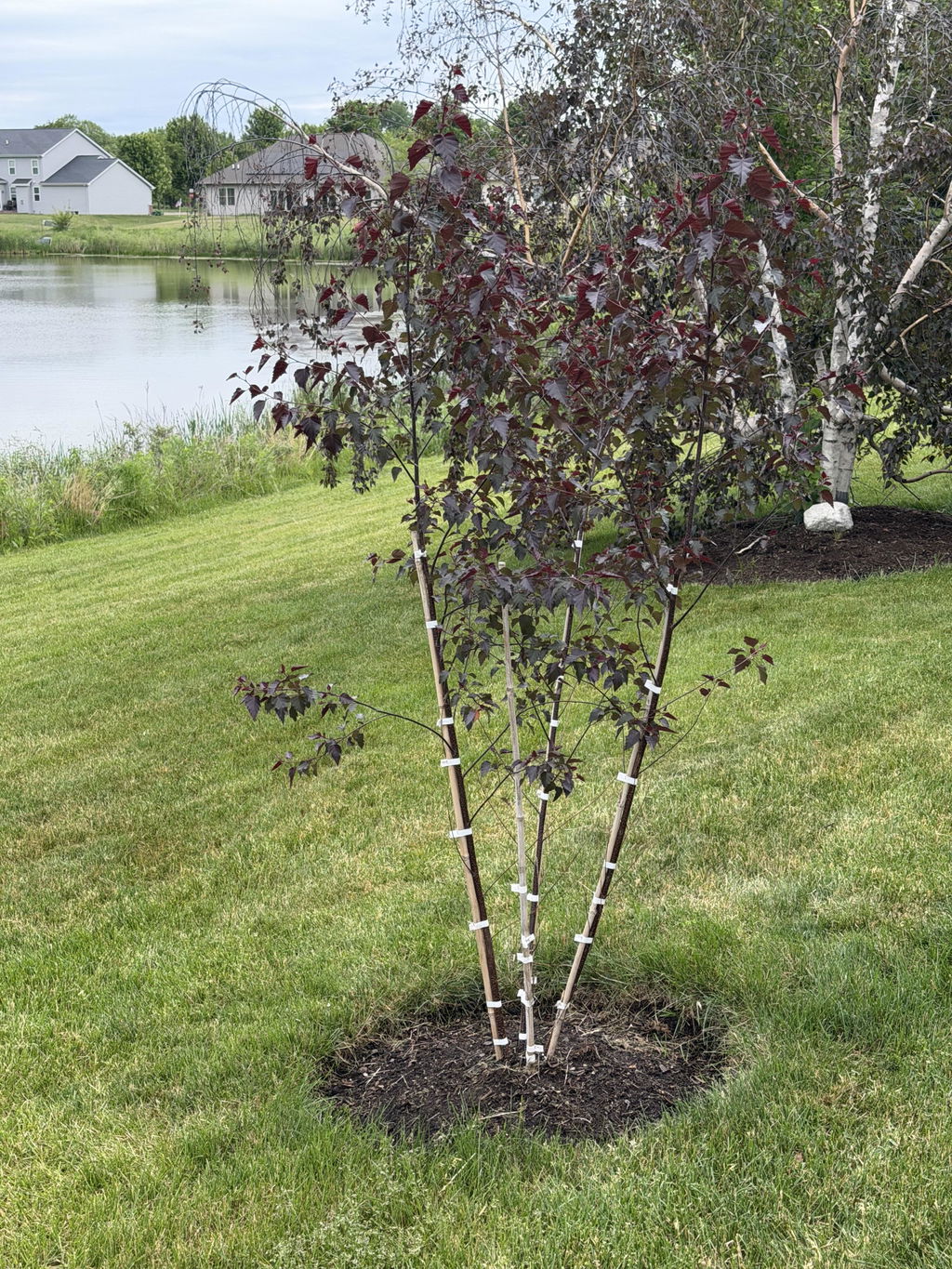
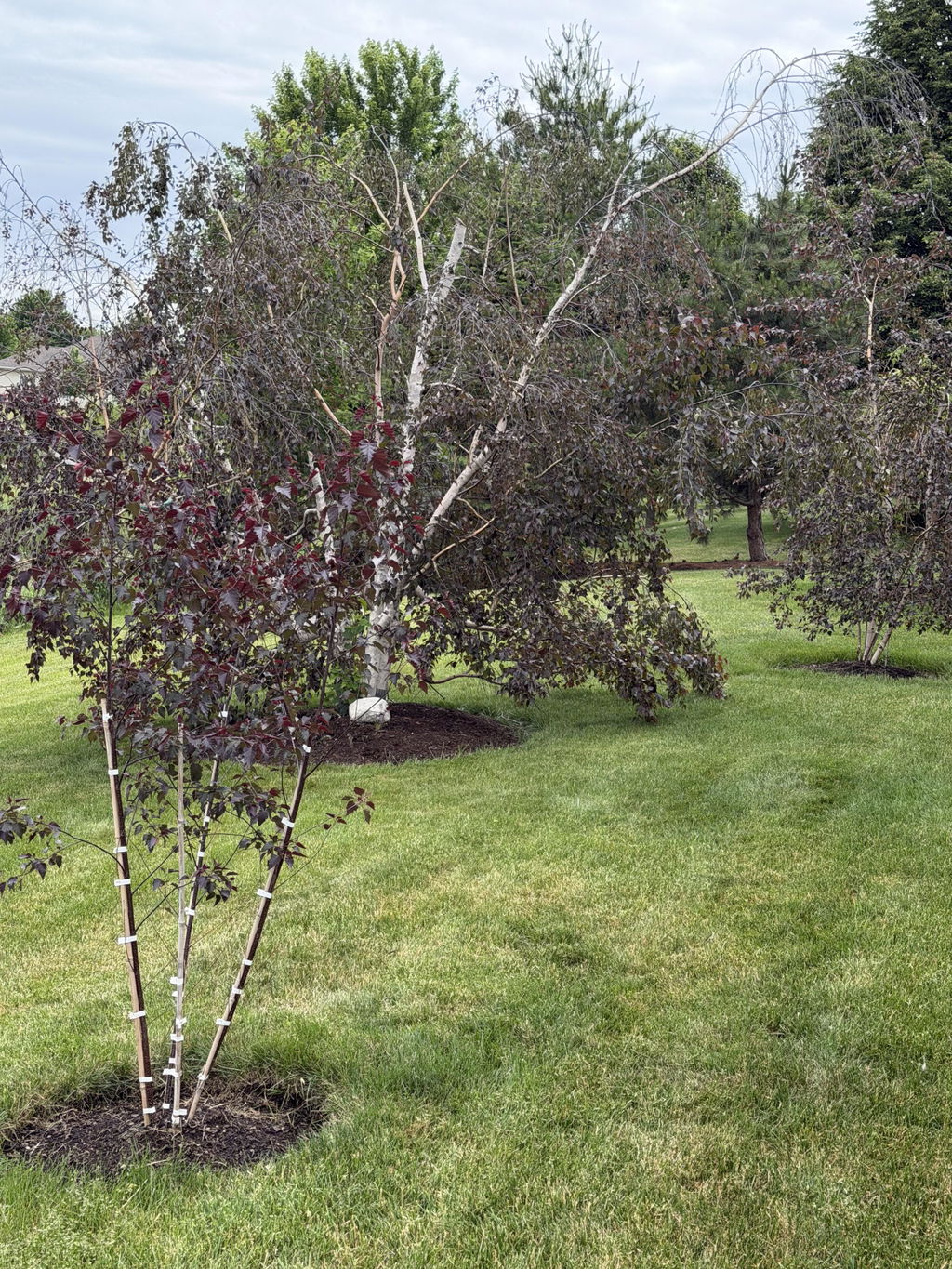
A three-generation birch family is a fun thing to watch over the years. The Royal Frost will fill in beautifully alongside your older trees, and since it shares the same care needs as your RiverFrost specimens, you already know exactly what it wants. Thanks for choosing us again, Michelle, and for sharing a little of your garden's history.
Trees are healthy and full, however; the leaves are green and no hiny of purple or burgundy color as described in the listing.
