


Bowles Periwinkle
Vinca minor 'Bowles'


Plant Sentry™ Protected
Your order is protected by our compliance system that:
- Prevents restricted plants from shipping to your state
- Ensures plants meet your state's agricultural requirements
- Protects gardens from invasive pests and diseases
Specifications
| Plant Characteristics | Cold hardy, Evergreen, Groundcover, Slopes/Erosion Control, Low Maintenance, Deer-resistant, Drought resistant, Flowering, Attracts pollinators, Container Friendly, Fast-growing |
|---|---|
| Hardiness Zone | 4a to 9b |
| Sunlight | Full sun, Partial shade, Shade |
| Height | |
| Width | |
| Watering Needs | Moderate |
| Preferred Soil | Clay, Loamy, Peaty, Sandy |
| Growth Rate | Fast |
| Growth Habit | Spreading, Trailing |
| Plant Life Cycle | Perennial |
| Blooms In | Spring, Fall |
| Flower Color | Blue, Purple |
| Suitable Space | Outdoors, Indoors |
| Botanical Name | |
| Species | |
| Cultivar | |
| Class | Magnoliopsida |
| Does Not Ship To | AK, HI, ID, MT, PR |
Description
One of the Best Groundcovers - Bowles Periwinkle!
- Hardy Across Most of America
- Spreads Like a Champ
- Sun & Part Shade & Full Shade
- Glossy Dark-Green Leaves
- Evergreen in Most Climates
- Large Violet-Blue Pinwheel Flowers
- Adaptable & Resistant
- Blocks Weeds
- Fire-Scaping & Drought Tolerant
- Tolerates Wet Soil
- Spiller & Groundcover
- Containers & En Masse
- Erosion Control & Slopes
- Deer & Rabbit Resistant
We love Bowles Periwinkle (Vinca minor 'Bowles')! This is hands down one of our top favorite plants. But let's be honest - the top of our list is very long. We love plants, what can we say? But this one is cream of the crop! Once you see all the virtues this Vinca offers, you'll feel the same way!
For starters, this is an incredibly adaptable and hardy perennial! It’s a nearly indestructible groundcover that smothers weeds! Forming sizeable mats under a foot in height, Bowles tolerates all types of soil, all kinds of conditions, and from full sun to full shade!
Plus Periwinkle spreads like a champ! Filling those garden bare spots before you can say, “Hey! That was a bare spot!” And it just keeps spreading until you stop it.
Vinca boasts large, eye-catching pinwheel-shaped violet-blue flowers all early spring until early summer, with some sporadic blooms all summer long! Each sport a slightly pale eye in the center of the unique blooms!
The long tendrils of glossy dark-green foliage fill areas quickly with incredible weed blocking capabilities. Displaying evergreen tendencies in all but the most extreme climates, for fantastic greenery year-round!
How to Use Bowles Periwinkle In The Landscape
Once Bowles fills in, it blocks weeds, so it is a great natural mulch alternative! A showy groundcover for covering swaths of trouble areas such as that hell-strip along the road, and that hard-to-mow slope or bank.
The trailing stems root to form dense mats, fantastic rambling over the tops of hardscapes and retaining walls. Shallow roots are easily removed but quickly fill areas in deep green.
Tolerating a vast range of conditions, use Vinca around that soggy area by the gutters, or fill in that dry shade area in the corner of your property. Clambering over rocks, gravel and hillsides in both sun and shade.
Fantastic when draped out of planters and containers, you can even use these spillers in hanging planters! Rambling and cascading over garden edges and rocks, these are great edging or filling in the bare ground around mature shrubs and trees.
Use for Xericscaping and Fire-wise landscaping where this versatile and adaptable plant thrives, with virtually no maintenance on your part!
#ProPlantTips For Care
Hardy across most of America, from cold zone 4 to tropical zone 10! Tolerant of full sun in northern zones and thriving in dappled or even deep shade in the hot South!
Bowles adapts to just about any soil but needs good watering to look its best. Once established though, this tough plant handles wet soil, dry soil, drought and almost any type of well-drained soil.
Water regularly and moderately while establishing young plants, but afterward, only occasional watering is needed in times of drought for the best-looking plants.
Deer and rabbit resistant, plus fast-growing, Vinca is fantastic in troublesome areas throughout the landscape. Almost maintenance-free, just the occasional raking to clean out a build-up of litter. To stop them from spreading into an area, simply use a spade or use a lawn trimmer to keep them at bay.
We know that every garden has a spot for Bowles Periwinkle, so if you’re reading this, you should go ahead and order some from NatureHills.com right now. You’ll be adding this to your own top list of plants just like we did!
Explore More from Nature Hills
Bowles Periwinkle joins other exceptional perennials and groundcovers that thrive with minimal care, making it perfect for gardeners seeking low maintenance plants and drought tolerant options. This charming blue-flowered perennial pairs beautifully with other spring bloomers, as featured in our guide Check Out Spring Blooming Perennials for Early Spring Color!. For more inspiration on incorporating blue flowers into your landscape, explore Classic Colors Blue & Purple Flowering Perennials.
Planting & Care
Delivery and Shipping
Shipping Rates
Ships in 7-10 business days • Tracking provided • Weather protected
| Under $50 | $9.99 |
| $50 - $99.99 | $14.99 |
| $100 - $149.99 | $16.99 |
| $150 - $198.99 | $24.99 |
| $199+ | FREE |
✓ Zone-specific timing • ✓ Professional packaging • ✓ Health guarantee
Find on Page
Type to search specs, description, care, FAQ, and shipping.

Am happy with the periwinkle so far, it’s nice and green, seems to have adapted to its location. Can’t wait til it’s old enough to bloom.
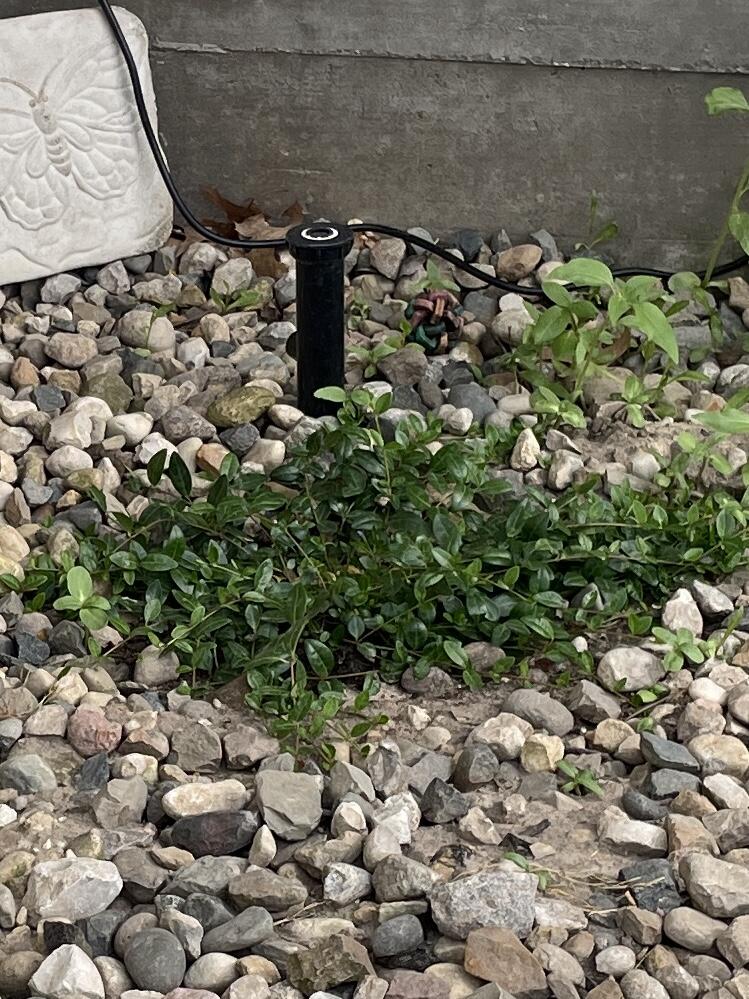
Bowles Periwinkle is a reliable spreader once it settles in, and it sounds like yours is off to a solid start. The blooms are worth the wait, that clear violet-blue is hard to beat in a groundcover. Thanks for sharing the update, Karin.
The periwinkle arrived on time looking very green and healthy. I was able to plant it within a day, and it's thriving in my garden.
Bowles Periwinkle settles in quickly when it arrives in good shape, so it's great to hear yours hit the ground running. It should continue to spread and fill in nicely over the coming seasons. Thanks for sharing the update, Susan!
Blooms on 3 of 4 and it is coming along.
Three out of four blooming already is a good sign, and Bowles Periwinkle tends to fill in nicely once it gets its roots established. Give it a little time and that fourth plant will likely catch up. Thanks for the update!
I love this for ground cover. My plants arrived in perfect condition and made easy for me to plant and now this periwinkle is thriving beautifully 🤠🥕🐇
Bowles Periwinkle is one of those plants that really rewards you once it gets going, and it sounds like yours is off to a great start. It spreads steadily over time, so it will fill in nicely as a ground cover season by season. Thanks for sharing the update, David.
