

Red Mulberry Tree
Morus rubra
Plant Sentry™
Plant Sentry™

Plant Sentry™ Protected
Your order is protected by our compliance system that:
- Prevents restricted plants from shipping to your state
- Ensures plants meet your state's agricultural requirements
- Protects gardens from invasive pests and diseases
Delivery and Shipping
Delivery and Shipping
Delivery and Shipping
Fast, Safe Plant Delivery
Ships in 3-4 business days • Tracking provided • Weather protected
| Under $50 | $9.99 |
| $50 - $99.99 | $14.99 |
| $100 - $149.99 | $16.99 |
| $150 - $198.99 | $24.99 |
| $199+ | FREE |
✓ Zone-specific timing • ✓ Professional packaging • ✓ Health guarantee
Understanding Plant Options
Nature Hills offers plants in two main formats:
- Container Plants: Grown in pots with soil, sized by container volume and plant age
- Bare Root Plants: Dormant plants without soil, sized by height measurements
Container Plant Sizes
Container sizes indicate plant age and growing capacity rather than liquid volume equivalents. Our containers follow industry-standard nursery "trade gallon" specifications, which differ from standard liquid gallon measurements.
Young Plants (6 months to 18 months old)
| Container Size | Actual Volume | Metric Equivalent |
|---|---|---|
| 2" x 2" x 3" | 0.18 - 0.21 dry quarts | 0.20 - 0.23 dry liters |
| 4" Container | 0.31 - 0.87 dry quarts | 0.35 - 0.96 dry liters |
| 4.5" Container | 0.65 dry quarts | 0.72 dry liters |
| 6" Container | 1.4 dry quarts | 1.59 dry liters |
| 1 Quart | 1 dry quart | 1.1 dry liters |
| 5.5" Container | 1.89 dry quarts | 2.08 dry liters |
Established Plants (18 months to 2.5 years old)
| Container Size | Actual Volume | Metric Equivalent |
|---|---|---|
| 2 Quart | 2 dry quarts | 2.2 dry liters |
| #1 Container | 2.26 - 3.73 dry quarts | 2.49 - 4.11 dry liters |
| 5" x 5" x 12" | 3.5 - 4.3 dry quarts | 3.85 - 4.74 dry liters |
Mature Plants (2-4 years old)
| Container Size | Actual Volume | Metric Equivalent |
|---|---|---|
| #2 Container | 1.19 - 1.76 dry gallons | 5.24 - 7.75 dry liters |
| #3 Container | 2.15 - 2.76 dry gallons | 8.14 - 12.16 dry liters |
Large Plants (3-5 years old)
| Container Size | Actual Volume | Metric Equivalent |
|---|---|---|
| #5 Container | 2.92 - 4.62 dry gallons | 12.86 - 20.35 dry liters |
| #6 Container | 5.25 - 6.01 dry gallons | 23.12 - 26.42 dry liters |
| #7 Container | 5.98 - 6.53 dry gallons | 26.34 - 28.76 dry liters |
Bare Root Plants
Bare root plants are sold by height from the root system to the top of the plant. Plants may exceed minimum height requirements.
Common Sizes:
- Trees: 1 foot, 2 feet, 3 feet, 4 feet, 5 feet, 6 feet
- Shrubs & Perennials: 1 foot, 18 inches, 2 feet
Important Notes
Container Volume Specifications
- Trade Gallon Standard: Our containers follow industry-standard "trade gallon" specifications established by the American National Standards Institute (ANSI Z60.1) for nursery stock
- Volume Variations: Actual soil volume may vary due to plant root systems and growing medium settlement
- Age Indicators: Container size primarily indicates plant age and maturity rather than liquid volume equivalents
Growing Conditions
- Plant size can vary based on variety and growing conditions
- Container size helps indicate plant maturity and establishment level
- Larger containers generally mean more established root systems and faster landscape establishment
Seasonal Availability
- Bare root plants are available seasonally when dormant
- Container plants are available throughout the growing season
- Specific varieties may have limited availability in certain sizes
Questions?
For questions about specific plant sizes or availability, please contact our plant experts who can help you choose the right size for your landscape needs.
Plant Sentry™ Protected
Your order is protected by our compliance system that:
- Prevents restricted plants from shipping to your state
- Ensures plants meet your state's agricultural requirements
- Protects gardens from invasive pests and diseases
Plant Profile & Growing Essentials
Cold hardy, Native, Flowering, Edible, Ornamental Berries/Fruit, Drought resistant, Thornless, and Attracts pollinators
Specifications
Specifications
-
Botanical Name
-
Height
-
Width
-
Growing Zones
-
Sunlight
-
Growth RateFast
-
Flower Color
-
Leaf Color
-
Fall Color
-
NativeYes
-
Pollinator FriendlyYes
-
Pollinator Required
-
Bloom PeriodEarly Spring
Planting & Care
Planting & Care
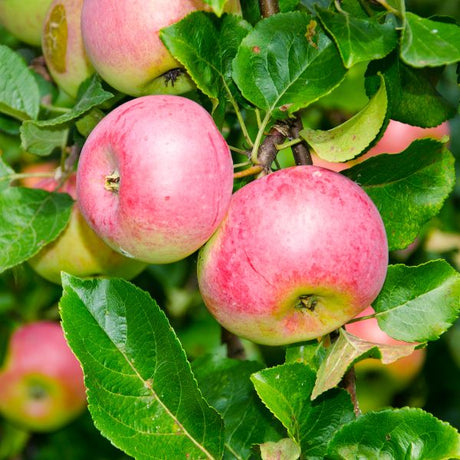
A berry good choice for home gardeners, the Red Mulberry Tree Morus rubra brings old-fashioned charm, sweet summer flavor, and backyard wildlife magic all in one easy-growing package. This fruit tree produces long, Raspberry-like berries that shift color from green to red to deep purple as they ripen. The fruit is wonderfully sweet, slightly fragrant, and arrives in summer for snacking, baking, preserving, or wine-making. As a deciduous fruiting tree, it offers major seasonal interest with lush dark foliage and a rounded, shade-giving canopy.
This North American native isn’t just tasty. Its textured, 5-inch dark green leaves often appear in several unique shapes on the same tree, giving it a funky, artsy vibe that gardeners of every generation appreciate. The leaves turn a cheerful yellow in fall, lighting up the landscape before dropping for winter. Sturdy branching, dark bark, and a naturally rounded form give it that classic tree silhouette Ma Nature loves to show off.
A member of the Moraceae family, Red Mulberry has long been valued for traditional fruit use, wildlife support, and its historical presence in old homesteads across the eastern and central United States. Its symbolism of abundance and generosity lives on today as it continues feeding people, birds, and pollinators every summer.
>>Jump to Planting & Care Instructions
Key Features
- Native fruit tree with sweet, edible red to purple berries
- Catkin-like spring flowers that transform into Raspberry-like fruit
- Dark green, uniquely shaped leaves with bright yellow fall color
- Rounded canopy offers shade and backyard charm
- Attracts birds, butterflies, and wildlife
- Great for homesteads, food forests, and edible landscapes
Landscaping Uses
Use this tree anywhere you want shade, beauty, and delicious fruit. Reaching a generous mature height with an equally broad canopy, it quickly becomes a favorite feature in edible gardens and wildlife-friendly yards.
- Shade tree for open lawns
- Edible landscaping feature
- Backyard orchard or food forest centerpiece
- Wildlife garden anchor
- Naturalized or rural-style landscape planting
Care And Maintenance
Hardy in USDA planting zones 4 to 9, Red Mulberry is a deciduous fruit tree with a well-earned reputation for being low-maintenance, drought-tolerant once established, and adaptable to a range of soil conditions. Thanks to its ability to handle urban air, it earns a spot among pollution-tolerant trees for city and suburban growers. Don’t forget to order your Nature Hills Root Booster for lifelong mycorrhizal root support.
- Planting Time: Best planted in spring or fall when temperatures are mild
- Sun Requirements: Full sun for the best fruit; tolerates light shade
- Soil Requirements: Prefers well-drained soil; handles clay, loam, and sandy soils; does not enjoy prolonged standing water
- Moisture Needs: Moderate moisture; use the Finger Test; new plants need regular moisture during their first year
- Arborist Mulch: Apply a 3 to 4-inch deep layer of bark mulch to conserve moisture
- Fertilization Needs: Apply a balanced fertilizer for fruit trees in early spring; compost is a great addition
- Pruning Info: Prune in late winter to maintain structure and size; remove dead or crossing branches; blooms and fruits form on new growth
- Renewal Pruning: Renewal pruning is not typically needed for this species
- Division Info: Not applicable for trees
- Special Perks: Heat-tolerant, wildlife-friendly, low-maintenance, pollution-tolerant, adaptable to urban soil
- Chill Hours: Not typically required
- Pollination Needs: Self-fruitful
A Berry Sweet Addition To Any Garden
If you’re craving a fruit tree that practically takes care of itself while showering your yard with summer sweetness, Red Mulberry hits the mark. From its colorful berries to its lively foliage and deep wildlife value, this heritage tree deserves a spot in every edible landscape. Order your Red Mulberry Tree today and start enjoying homegrown fruit delivered right to your doorstep from naturehills.com!