


Common Milkweed
Ascelpias syriaca


Plant Sentry™ Protected
Your order is protected by our compliance system that:
- Prevents restricted plants from shipping to your state
- Ensures plants meet your state's agricultural requirements
- Protects gardens from invasive pests and diseases
Specifications
| Plant Characteristics | Cold hardy, Low Maintenance, Flowering, Native, Fragrant, Attracts pollinators, Attracts Butterflies, Deer-resistant, Heat Tolerant, Drought resistant, Clay Tolerant |
|---|---|
| Sunlight | Full sun |
| Height | |
| Width | |
| Watering Needs | Moderate |
| Growth Rate | Moderate |
| Blooms In | Summer |
| Flower Color | Purple, Pink, White |
| Foliage Color | Green |
| Suitable Space | Outdoors, Container |
| Botanical Name | |
| Species | |
| Class | Magnoliopsida |
| Does Not Ship To | AK, HI, ID, MT, PR |
Description
The Monarch Host Wildflower Common Milkweed
- Native Plant to Support Monarch Caterpillars
- Larval Host Food
- Months of Nectar-Rich Flowers
- Fragrant Bloom Umbels are Purple-Pink and White
- Tall, Slim Growth Habit
- Elliptical Leaves are Eight Inches Long
- Unique Paisley-Shaped Pods
- Symmetrical Seeds Held on Silky Threads
- Critical Resource in Butterfly Gardens
- Widely Adaptable
- Tolerates Extreme Cold and High Heat
- Drought Tolerant Once Established
- Seldom Damaged by Deer
If you have a yen to help our amazing Monarch butterflies regain their population numbers...there is no better help than Common Milkweed (Ascelpias syriaca). Trust us, this isn't just another "weed".
Herbaceous Common Milkweed is absolutely critical to the healthy growth of these instantly recognizable black and orange butterflies. The eggs are laid on Common Milkweed plants to give caterpillars a ready food source.
This robust native plant acts as a clarion call for beneficial pollinators of all kinds, in fact. It creates showy colonies in naturalized plantings.
It's time to reimagine Common Milkweed as a valuable plant in the right landscape setting. A stand of these important native plants adds a showy, rough texture all season long.
The fragrant blooms are held in attractive spherical umbels composed of a hundred or more tiny true flowers. Intricate purple, pink and white blooms will be covered in butterflies and honey bees for several months each summer.
A strongly vertical main stem is softened with broad, thick leaves on either side. Light green on top, the underside is grayish-green with red veins.
Common Milkweed has been utilized to make fibrous cord, food, and even medicine through the years across the United States. But today, its value to Monarch butterflies makes it a staple for consideration.
The butterflies lay their eggs on the soft underside of these leaves, which contain natural cardiac glycosides or cardenolides. Nature's chemicals provide protection for the vulnerable caterpillars and make them distasteful to most predators.
Lack of habitat threatens the Monarch butterfly's migration paths. Tucking even a small planting dedicated to Common Milkweed in a sunny spot will really help boost their numbers.
Common Milkweed is native to North America and thrives in a wide array of conditions, including disturbed soil. It grows best in well-drained soil somewhere it can bask in the sun for hours.
Make a difference and leave a legacy by thoughtfully including native Common Milkweed. Order one or many more and turn some of your space into a beneficial Pollinator Garden!
How to Use Common Milkweed in the Landscape
On large lots, a generous swathe of native plantings create a magnificent feature in open, sunny areas. Mow wide walking paths through an exceptional prairie planting, where you'll appreciate the sight and fragrance of your Milkweed colonies dotted here and there.
Create a destination spot to enjoy picnics with family and friends. We are so proud to offer high-quality American wildflowers in our vast online catalog.
Even smaller gardens can help bring support for your local ecology. Although this species variety does grow vigorously, there is a way to use it on suburban lots.
Look for an area that receives lots of light each day to plan out your Butterfly Garden. Perhaps that is in your front yard or a forgotten side yard.
The key to using wildflowers in a "tame" environment is to pay attention to the finished edges. Invest in locally sourced quarry materials to edge your planned garden beds.
Once symmetrical planting beds are filled to bursting with vibrant flowering wildflowers, they become a dramatic study in contrasts. Install a formal frame around your wildly riotous blooming "living painting".
In urban areas, why not create an outdoor sign that explains the goals of your planting? Bolt a plasma-cut metal butterfly sculpture to a study column set in concrete for a long-lasting ornament that won't fly away.
Some funky neighborhoods are a little more free-form. There, add a wide curved bed that follows the lay of your land. Have fun recreating your local ecosystem in miniature and you'll spark plenty of conversation with your neighbors.
Don't forget to include cozy seating areas nearby. Keep binoculars in a weatherproof box, along with a special notebook to write down your daily sightings.
You can easily see why kids might get excited about this endeavor. Why not add a tall Tipi of annual runner beans nearby for a fun place for them to dream?
Victory Gardens and backyard orchards can realize a huge boost of productivity with Common Milkweed used nearby. Reclaim some space in your utility areas for these valuable host plants...such as behind the compost bins.
#ProPlantTips for Care
Give these native wild plants full sun so you can enjoy plenty of blooms and sturdy stems. Common Milkweed needs at least six hours of sunlight a day.
The soil type truly doesn't seem to matter to these exceptionally durable plants. In fact, this is an excellent choice to use on rough or disturbed ground in newly constructed areas.
Give a consistent schedule of water during the first season. Watch established plantings during extended drought and supplement with water as needed to protect your investments.
If you need to keep the colony in check, consider snipping the seed pods in the fall before they split open to release the fluffy seeds. They make wonderful dried arrangements and adorable wreaths.
In early spring, snip the dried stalks to an inch above ground level. Wait until spring, as the dried stalks provide winter shelter.
Yes, you may need to take up the mantle of educator by making this important choice. Become a proud ambassador for the beautiful Monarch Butterfly and order Common Milkweed from our native plant experts today!
Planting & Care
Delivery and Shipping
Shipping Rates
Ships in 7-10 business days • Tracking provided • Weather protected
| Under $50 | $9.99 |
| $50 - $99.99 | $14.99 |
| $100 - $149.99 | $16.99 |
| $150 - $198.99 | $24.99 |
| $199+ | FREE |
✓ Zone-specific timing • ✓ Professional packaging • ✓ Health guarantee
Find on Page
Type to search specs, description, care, FAQ, and shipping.

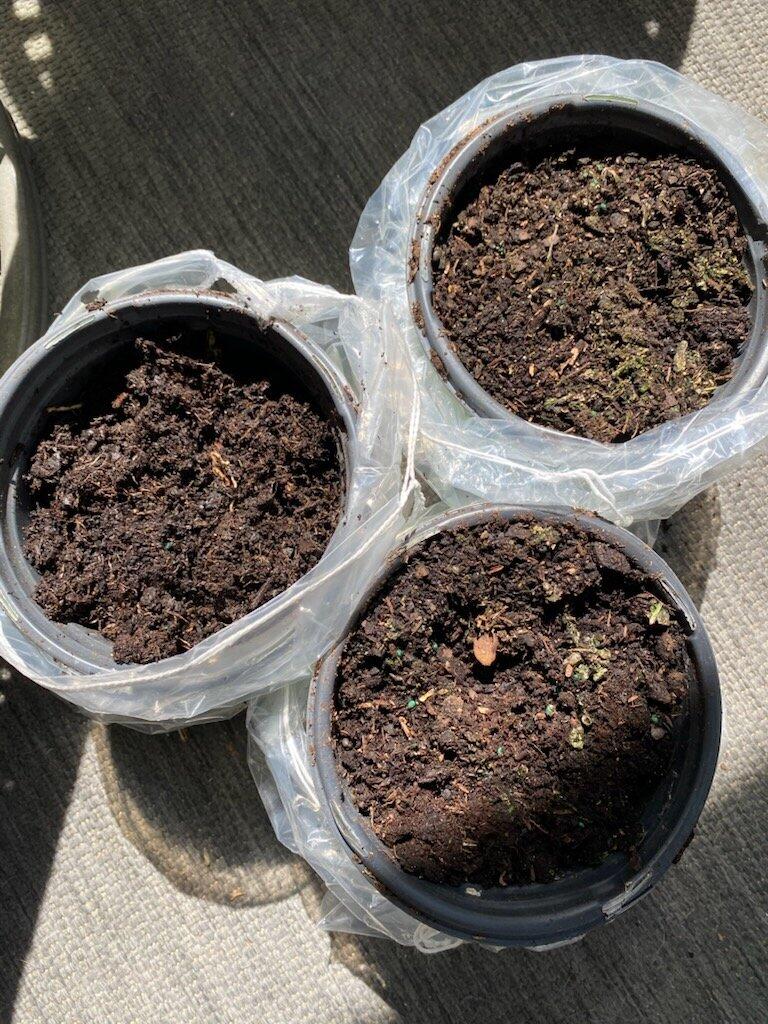
I order 3 containers of Common Milkweed PLANTS for a total price with shipping of $140. However, there were no plants in the tubs of dirt, rather a bit of moist moss. No sign of roots or that there may have even been seeds- not that this would have been acceptable as these were supposed to have been actual plants. Clearly there was no quality control from the grower.
Beautiful!
Thank You!
Always a great experience
Common Milkweed is such a rewarding plant to add to the garden, and it does so much good for pollinators along the way. Thanks for coming back to us, Kirstin. If you ever want to expand your milkweed patch, the Butterfly Weed and Swamp Milkweed varieties are worth a look too.
