


Magnus Purple Coneflower
Echinacea purpurea 'Magnus'


Plant Sentry™ Protected
Your order is protected by our compliance system that:
- Prevents restricted plants from shipping to your state
- Ensures plants meet your state's agricultural requirements
- Protects gardens from invasive pests and diseases
Specifications
| Plant Characteristics | Cold hardy, Low Maintenance, Native, Flowering, Deer-resistant, Clay Tolerant, Heat Tolerant, Drought resistant, Attracts Butterflies, Attracts pollinators, Container Friendly, Fragrant |
|---|---|
| Hardiness Zone | 3a to 8b |
| Sunlight | Full sun |
| Height | |
| Width | |
| Watering Needs | Moderate |
| Preferred Soil | Chalky, Clay, Loamy, Peaty, Sandy |
| Growth Rate | Moderate |
| Growth Habit | Upright |
| Blooms In | Summer |
| Flower Color | Purple, Pink |
| Foliage Color | Green |
| Suitable Space | Outdoors |
| Plant Name | Echinacea |
| Botanical Name | |
| Species | |
| Cultivar | |
| Class | Asterales |
| Does Not Ship To | AK, HI, ID, MT, PR |
Description
The gorgeous Magnus Purple Coneflower (Echinacea purpurea 'Magnus') is a gorgeous native plant that grows strong and true and makes a spectacular cut flower. A native of the dry prairies and open woodlands of North America, Purple Coneflowers have long been a favorite of gardeners worldwide!
Magnus Purple Coneflower is a relative of the sunflower and features a central cone surrounded by wide, flat purple-pink petals that stick straight out, they don't droop like other Coneflowers are prone to do. The scratchy green leaves add an equally bold presence to the landscape and won't fade in the sun.
The well-branched stems can be 2 to 4 feet long making Magnus an excellent cut flower and stately border plant! Butterflies and bees will adore it, and hummingbirds too! After they flower, the spiky cones can be dried to use indoors or left on the plant for the birds to enjoy during the winter.
Magnus was awarded the title of 1998 Plant of the Year by the Perennial Plant Association. Hardy throughout USDA growing zones from 3 to 8, these tough prairie native cultivars grow 2-4 feet in height and spread 18-24 inches wide.
Planting and Application:
Although Magnus is slow to start in the spring, it loves the sun and grows quickly with the onset of hot summer weather! Blooming in the summer to the fall in Pollinator Borders, Cut Flower gardens, Cottage Gardens, and prairie and meadow installations, Coneflower are rugged blooms that support butterflies like the Monarch butterfly when they need nectar the most.
Magnus can be massed in harsh locations in the sun, handling poor soil, and periodic drought, making them fantastic in the hell-strip along the road or sidewalk, in Rock Gardens, or in a Xeric garden with Prairie Grasses and other prairie wildflowers. The deep roots make them able to handle wildfire, so include them in your Fire-Wise landscaping plan!
Plant in the back of a perennial border or showcased as a single specimen, and it is equally at home in native restoration gardens or in more formal plantings. Its brilliant purple-pink color works well with blues and its rounded shape nicely complements the linear lines of plants like Liatris.
- Award-Winning Perennial!
- Purple-Pink Petals & Raised Spiky Centers
- Long Bloom Time
- Great Cut Flower & Pollinator Plant
- Sun Beds & Borders, Patio Planters, Xeric & Fire-Wise Landscaping
#ProPlantTips for Care:
You'll have very little care once these sun-loving plants are established in your yard. They are tolerant of "beginner gardeners" and are easy to grow, even in poor soils. If you want the best performance, you will need to give them plenty of sunshine. They'll need at least 6 hours of full sun a day. Don't plant this herbaceous perennial in low-lying areas that collect water. They need well-drained soil. Although they will be relatively drought tolerant, you'll get more blooms with a regular schedule of medium water.
Feel free to cut the blooms and take them inside for flower arrangements. It's a great way to deadhead the fresh or fading blooms and encourage a new flush to follow right along behind it. In early spring, if you've left your perennial plantings to stand over the winter, just snip the stalks back down to an inch above ground level. Coneflowers are almost maintenance-free and do well in most of the country with very little care.
- Easy Care In Full Sun
- Needs Well-Drained Soil
- Moderate to Low Moisture
- Deadhead Spent Flowers & Prune In Spring
- Xeric & Drought-Tolerant
Hardy and bold, these are aptly named and among the greatest of the Echinacea! Order your award-winning Magnus Purple Coneflower from Nature Hills Nursery today!
Planting & Care
Delivery and Shipping
Shipping Rates
Ships in 3-5 business days • Tracking provided • Weather protected
| Under $50 | $9.99 |
| $50 - $99.99 | $14.99 |
| $100 - $149.99 | $16.99 |
| $150 - $198.99 | $24.99 |
| $199+ | FREE |
✓ Zone-specific timing • ✓ Professional packaging • ✓ Health guarantee
Find on Page
Type to search specs, description, care, FAQ, and shipping.
Other Echinacea varieties
-

Echinacea purpurea 'Pas702917'
Regular price From $1999Unit price /Unavailable -

Sunseekers™ Golden Sun Coneflower
Echinacea × ‘Ifecssgold’ PP 35,962
Regular price From $1999Unit price /Unavailable -

Echinacea purpurea 'PAS702918'
Regular price From $1999Unit price /Unavailable -

Echinacea x 'Cheyenne Spirit'
Regular price From $1999Unit price /Unavailable -

Sunseekers™ Rainbow Coneflower
Echinacea 'Sunseekers Rainbow'
Regular price $2699Unit price /Unavailable


As usual. Another beauty of a perennial specimen.
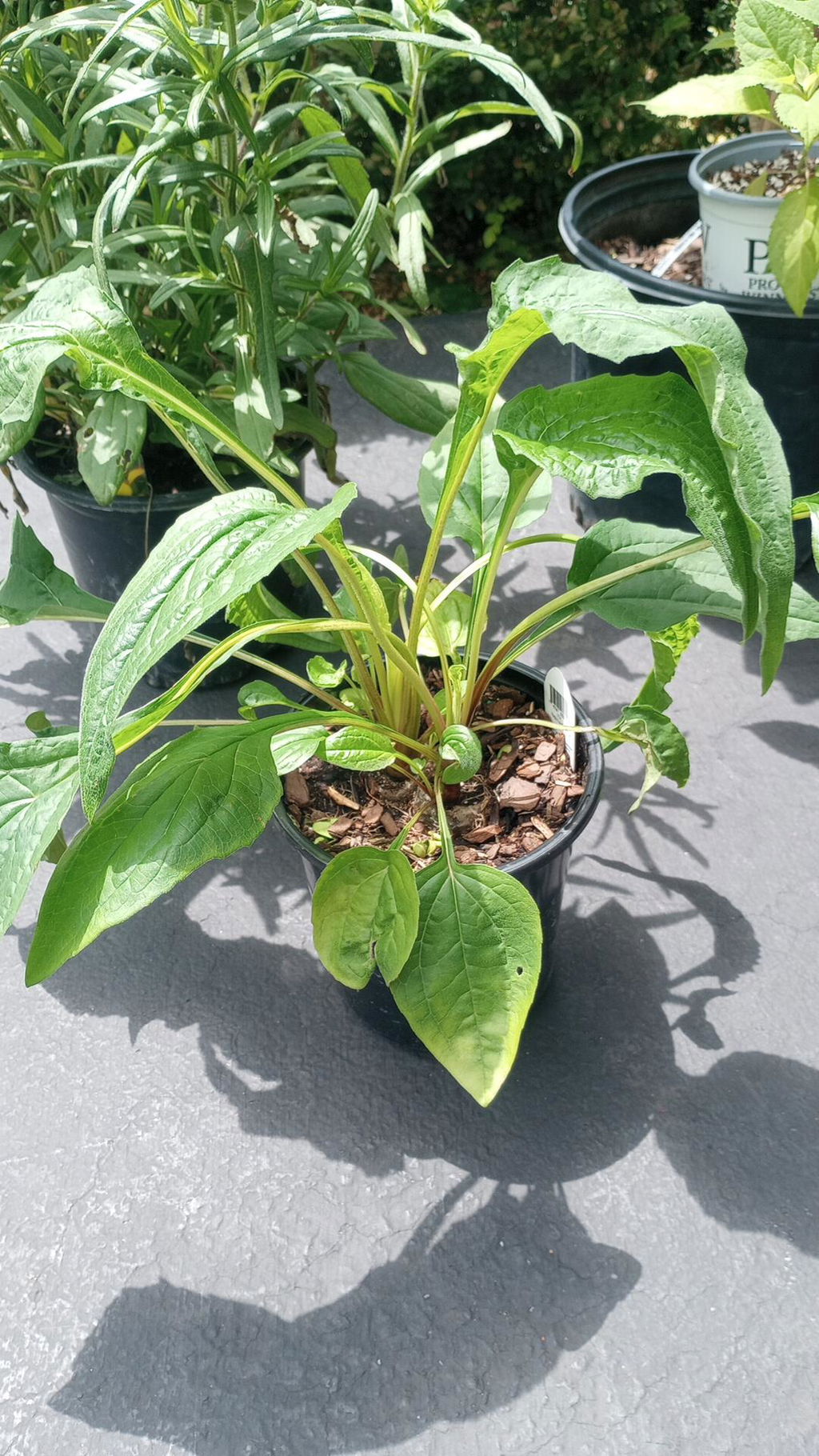
Magnus is hard to beat as a coneflower, and it sounds like yours arrived ready to hit the ground running. Enjoy watching it fill in. Thanks for sticking with us, Scotty.
Perfect experience!
Thank you.
Magnus is a great coneflower to have in the garden, and we're glad the experience matched. Thanks for planting with us, Doris. We hope it blooms beautifully for you this season.
Beautiful
Magnus is one of those coneflowers that earns that word every summer. It tends to fill out more each year, so you have good things ahead. Thanks for sharing, Irene. -The Nature Hills Team
Plant arrived in good condition and already had buds.
Buds on arrival is a great sign, especially with coneflowers since they settle in and bloom so well once established. Magnus is a reliable bloomer and the pollinators tend to find it quickly. Thanks for sharing the update, Roxanne. The Nature Hills Team
Coneflower plants arrived in good condition. The plants were only about a foot high and after planting seem to be thriving. I guess I have to wait for later in the summer before they flower.
Plants looked healthy & are growing great!! Exactly what we wanted!!
Magnus is such a reliable bloomer, and it sounds like yours are off to a great start. Coneflowers really hit their stride in the second and third year, so you have a lot to look forward to as they fill in. Thanks for sharing, Sandra!
