
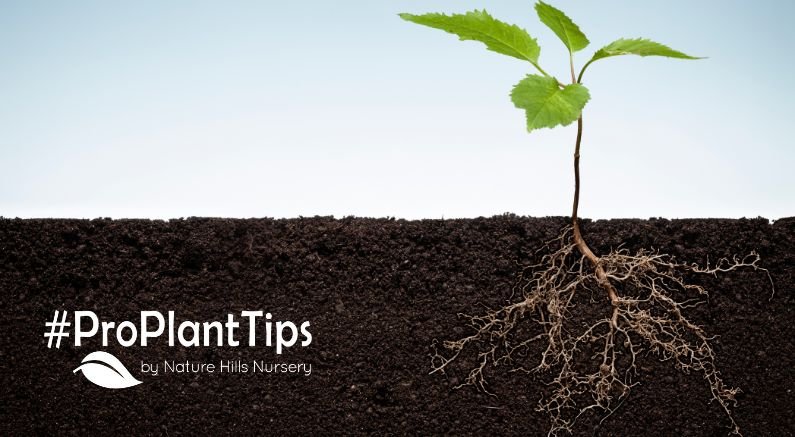
Why A Tree's Drip Line Is The VIP Zone Of Your Garden

When you're caring for your trees, you’ve probably heard people mention the "drip line". But what exactly is it, and why should you care?
In the world of gardening, understanding the tree drip line is like unlocking a secret map to your tree’s health and happiness. And trust us! Your trees really want you to know about it!
Let’s dig into why the drip line is a big deal, how to protect it, and how gardeners can use it to grow greener, stronger, and happier landscapes!
What Is a Tree Drip Line?
The tree drip line is the invisible circle on the ground that matches the outermost reach of the tree’s branches. Picture where the rain would "drip" off the outer edge of the tree’s canopy, and voilà, that’s the drip line!
This zone isn't just for looks. It's where your tree’s feeder roots (the roots that absorb the most water and nutrients) live and thrive. While the trunk is the heart of the tree, the drip line is the life-giving circle that keeps it nourished.
Why Is the Drip Line So Important?
Here’s why the drip line deserves the red carpet treatment:
1. Root Real Estate
Most of the tree’s absorbing roots are located within the drip line, not near the trunk. These roots are delicate and shallow, and they do the hard work of pulling in water and nutrients.
2. Watering Wisdom
Watering near the trunk? Not very effective. Watering around the drip line? That’s the golden zone! You’re feeding the roots exactly where they want it.
3. Fertilizing Effectiveness
Want to give your tree a boost? Apply fertilizer along the drip line, not at the base. That’s where it’ll be taken in quickly and efficiently by the feeder roots.
4. Mulch Matters
When mulching, aim for the drip line zone. A nice organic mulch layer here conserves moisture, regulates soil temperature, and adds nutrients back into the soil over time.
Just remember: no mulch volcanoes up against the trunk!
How To Protect Your Tree’s Drip Line
Your tree’s drip line is precious territory, so guard it like a garden gnome with a mission. Here’s how:
Avoid Compaction
Don’t park cars, build patios, or store heavy items under a tree’s drip line. Compacted soil squashes the roots and stops water from soaking in.
Careful When Digging
Digging or tilling within the drip line can damage roots and stress your tree. If you must plant something, go shallow and stick with low-impact options like shade-loving groundcovers or arborist mulch.
Mulch, Don’t Smother
Apply mulch in a 3-4 inch thick layer around the drip line, but keep it a few inches away from the trunk. Let the roots breathe easy while keeping moisture where it belongs.
The Drip Line & Tree Width: Why Spacing Matters When Planting

Thinking about planting a tree near your house, sidewalk, driveway, or septic system? Hit the pause button and think about your tree’s drip line and mature width first, because where you plant today determines whether you’ll be dealing with cracked concrete or root invasions tomorrow.
Drip Line = Root Reach
The drip line grows as your tree grows. As the canopy expands, so do the roots, especially those all-important feeder roots that stretch just beyond the drip line. So even though your new sapling looks cute and compact now, it's dreaming of growing big and wide.
Mature Width = Final Size
Every tree has a mature width, which tells you how wide the canopy will be once it's fully grown. This measurement also gives you a great idea of how far the roots will stretch out underground.
Golden Rule of Tree Spacing:
Never plant a tree closer to an object than half of its mature width.
So if your tree’s mature width is 30 feet, keep it at least 15 feet away from structures like your home, shed, garage, or fences. That way, you avoid roots pressing up against foundations or branches knocking on your windows during storm season.
How Far Should You Plant From Key Structures?
Here’s a handy breakdown of minimum planting distances based on the tree’s mature size and drip line:
-
House or Building:
Plant at least half the tree's mature width away from walls, windows, and foundations. Then give yourself a few more feet so you can squeeze between your tree and foundation for easy maintenance. -
Sidewalk or Driveway:
Stay at least one-half the tree's mature width. For more aggressive root systems like Willows and Royal Empress Trees, give even more space to prevent cracked concrete and lifted paving. -
Septic System or Drainfield:
Plant at least half the tree's mature width and avoid water-hungry trees like Willows, Silver Maples, and Poplars, which love to chase moisture. -
Fence or Property Line:
Keep a 5–15 foot buffer, depending on how wide the mature tree will grow. This prevents future overhang and boundary disputes. -
Power Lines:
Choose compact or dwarf trees (under 25 feet tall) or plant large trees well away from overhead lines to avoid pruning problems and power outages.
Why It Matters For Long-Term Success
-
Root Damage: Roots may lift sidewalks, crack foundations, or break into sewer and septic lines.
-
Branch Overgrowth: Trees planted too close to buildings often need heavy pruning, which can hurt their health and shape.
-
Maintenance Mayhem: Cleaning leaves from gutters, trimming branches away from roofs, or dealing with root damage costs time and money.
- Tree Health: Trees planted too close to hardscapes or other trees may suffer from compacted soil, limited root space, and poor airflow.

Knowing a tree’s mature width and drip line zone gives you the power to choose the perfect spot where it can thrive without interfering with structures, paving, or plumbing. This isn’t just about avoiding damage, it's about giving your tree the room it needs to grow strong, healthy, and beautiful for decades.
Smart spacing = happy trees, solid foundations, and a whole lot less digging (or regretting) later on.
Why Gardeners Should Love the Drip Line
Knowing your tree’s drip line helps you become a smarter, more successful gardener. Here’s how this magical ring helps your green thumb grow even greener:
Better Watering Routines
No more guessing games. Aim your hose or soaker hose at the drip line for maximum absorption and minimal waste.
Companion Planting Perks
Want to plant under trees? Use the drip line as a guide. Choose companion plants that play nice with tree roots, like Ferns, Groundcover Sedum, Hostas, or other shade-lovers, and keep digging shallow.
Seasonal Tree Care
From fertilizing in spring to mulching in fall, your timing and placement get a major upgrade when you know where the drip line falls.
Let the Drip Line Lead the Way
The tree drip line isn’t just a circle on the ground … it’s a circle of life. It’s where the magic happens beneath the soil, where roots stretch out and sip up the goodness that keeps your trees strong and stunning.
Whether you're a seasoned gardener or just digging in, understanding and respecting the drip line will make your garden smarter, healthier, and more in tune with mother nature’s design. So next time you look at your tree, picture that ring, and give it the love it deserves.
Want thriving trees that return the favor? Start at the drip line, it’s where the real growth begins.
Happy Planting!

