Free Shipping on Orders $199+

Growing Zone: | Garden in
Find your Growing Zone!

Understanding Tree-Forms, Multi-Stems, Shrub-Forms & Beyond!

Understanding Tree-Forms, Multi-Stems, Shrub-Forms & Beyond! - Nature Hills Nursery

Charlotte Weidner |

Single Stem, Multi-Stem, Shrub Form, Oh My! It can be a bit confusing when selecting a tree or shrub, but Nature Hills Nursery is here to help you take the guesswork out of all the terminology!

Many plants and trees are available in a range of forms and sizes. Rose and Hydrangea Tree forms, Birch and Quaking Aspen, Chaste, Magnolia and Crape Myrtles, Redbuds and more, are just a few of the many plants that have several forms available, or can be trained and pruned into a wide variety of forms once you receive them!

Before you make your purchase, make sure you know what you’re getting! Single-stem, multi-stem, and shrub forms are different, so read on for more information about each.

Single-Stem Tree Form:

These are plants that have one single, straight stem coming up from the ground, branching once they grow higher to form a canopy.

Plants can also be considered ‘single-stem’ when lower branches are removed to raise the height of the branching canopy, referred to as ‘limbed-up’. You will often hear a single-stem plant referred to as Tree-Form. Low branches can be removed as the plant grows taller to keep the single-stem look.

Naturally, single-trunked trees are usually large shade trees and hardwood trees. All tall, impressive specimens that stand out on their own, and are magnificent focal points in the landscape!

When one of these types of tree forms a second trunk, it’s a health hazard. The unstable or weaker trunk needs to be removed, leaving only the central ‘leader’ trunk. Hazards include breakage and splitting which causes damage both to the tree as it peels away and damage to whatever it falls on. There are also pests, moisture/rot, and disease issues caused by ‘included bark’ trapped between the two trunks.

single stem tree

Specialty Single Stem:

A few shrubs like Roses, Lilacs, Rose of Sharon, and Hydrangea, and flowering vines such as Jasmine, Wisteria, and Trumpet vines, have professionally trained versions of the plant that are made into tree forms by way of training or grafting at the nursery. Usually, when grafted, they are on a single stem trunk referred to as a ‘standard’.

When trained this way, hardy vines are trained straight on a sturdy stake for support until the vine becomes a woody trunk that can then support its own canopy afterward.

Multi-Stem Clump Form:

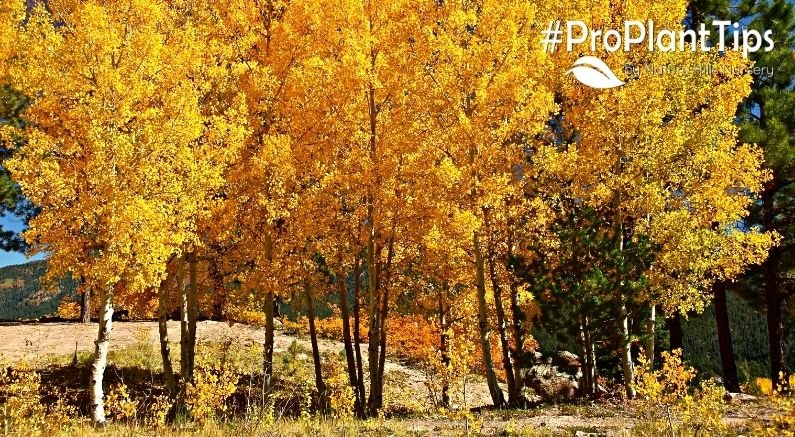
These are plants with 3, 4, and sometimes 5 or more stems, planted together in the ground in close proximity to form a ‘clump’. You will often see Birch trees, for instance, sold as a clump and this is what that means. Always done with the same species, the many trunks all grow together and form a single-looking large tree with many trunks rising up.

Trees grown in multi-stem and clump forms like Birch, Aspen, Oak, and Crape Myrtles, where the nursery plants clumps of individual trees make excellent naturalized plantings such as islands and privacy screens. Use in a front island planting, or specimen planting as a backdrop for your seating areas or to shade your backyard spaces.

multi stem

Shrub Form:

Shrub-form plants are typically ornamental flowering trees that are not trained as single-stem specimen plants. Instead, they’re pruned back when they are small and encouraged to branch lower to the ground as shrub form plants. We do this with Magnolias, Redbud, Crape Myrtles, Chaste Trees, Dogwood Trees, Amelanchier, Japanese Tree Lilacs, Japanese Maples, and even Citrus trees. It is a fun alternative to a single-stem tree form.

They are referred to as shrubs or bushes and are often shorter than their tree forms. These are great privacy and screening plants, ideal for blocking wind, noise, and unwanted views.

shrub form

Reach Out Any Time!

So hopefully this demystifies the many forms your trees and shrubs can show up at your door when you order ornamental landscaping plants from NatureHills.com!

Check out our #ProPlantTips for care in our Garden Blog for all you need to know about pruning and maintaining your plants, no matter what form they come in!

Happy Planting!

Previous Next

Frequently Asked Questions

What is the difference between single-stem, multi-stem, and shrub-form trees?

Single-stem trees have one straight trunk that branches higher up to form a canopy, like traditional shade trees and hardwoods that serve as landscape focal points. Multi-stem clump forms feature multiple trunks growing from the base, creating a natural clustered appearance popular with species like Birch and Quaking Aspen. Shrub forms maintain their natural bushy, multi-branched structure from ground level without a dominant trunk. Consider your landscape goals when choosing: select single-stem for formal shade trees, multi-stem for naturalized groupings, and shrub form for foundation plantings or informal borders.

How do I plant a multi-stem tree properly to ensure stability?

Plant multi-stem trees at the same depth they were growing in the container, ensuring the root flare is visible at soil level. Space the hole 2-3 times wider than the root ball and backfill with native soil, watering thoroughly to eliminate air pockets. Unlike single-stem trees that may need staking, multi-stem forms are naturally more stable due to their multiple trunks distributing weight. Water deeply twice weekly for the first growing season to establish a strong root system that will anchor all stems securely.

Can I train a single-stem tree into a multi-stem form at home?

While technically possible, converting a single-stem tree to multi-stem form is not recommended and can create structural weaknesses that lead to splitting, breakage, and disease issues from trapped bark between trunks. Single-stem trees like shade trees and hardwoods are naturally designed to maintain one central leader trunk for optimal health and stability. Instead of forcing a conversion, select plants that naturally grow in multi-stem forms like Birch, Quaking Aspen, or Redbud if you want that aesthetic in your landscape.

What is the best way to prune shrub-form trees to maintain their shape?

Prune shrub-form trees during their dormant season (late winter to early spring) by removing dead, damaged, or crossing branches first. Make cuts just above outward-facing buds at a 45-degree angle, and thin overcrowded areas to maintain good air circulation. Remove no more than 25-30% of the plant in a single season to avoid stress. Focus on maintaining the plant's natural multi-stem structure rather than forcing it into a single-trunk form.

When is the best time of year to prune tree-forms and multi-stem trees for optimal shape maintenance?

The optimal pruning window for tree-forms and multi-stem trees is late winter to early spring, typically February through March in zones 5-8, while the plant remains dormant before bud break. This timing allows wounds to heal quickly once active growth resumes and minimizes stress on the tree's structure. Avoid pruning in late fall or early winter when trees are entering dormancy, as this can stimulate unwanted growth vulnerable to frost damage. Schedule your pruning 4-6 weeks before your area's average last frost date for best results.

How do I measure the size of multi-stem versus shrub-form trees when buying?

Multi-stem trees are typically measured by their overall height and the caliper (diameter) of the largest stem, while shrub-form plants are measured by height and spread width. Multi-stem specimens often have 2-4 main trunks ranging from 1-3 inches in diameter each, whereas shrub forms have multiple smaller stems under 1 inch. When ordering, check the product specifications for both height ranges (like 4-6 feet) and container sizes, as multi-stem forms usually require larger root systems and bigger pots than shrub forms of the same plant variety. Always verify the mature size expectations with your nursery specialist to ensure the form matches your landscape space.

Will multi-stem trees fuse at the base over time, or stay separate?

Multi-stem trees typically maintain their separate trunks throughout their lifetime rather than fusing together at the base. The individual stems may grow closer and appear more unified as they mature and thicken, but they remain structurally distinct. Unlike single-stem trees where multiple trunks create weak points and included bark issues, multi-stem forms are naturally designed to have several independent trunks. When selecting multi-stem specimens, choose plants with well-spaced trunks at the base to ensure proper air circulation and healthy long-term growth.

What soil and moisture conditions are ideal for multi-stem birches?

Multi-stem birches thrive in consistently moist, well-draining soil with a pH between 6.0-7.0 and perform best in USDA zones 2-6. They require regular watering during their first two years, needing about 1 inch of water weekly, as these shallow-rooted trees are particularly sensitive to drought stress. Plant them in locations with morning sun and afternoon shade to prevent bark stress and leaf scorch. Apply a 3-4 inch layer of organic mulch around the base to retain soil moisture and keep roots cool.

How do I create my own multi-stem tree from a young specimen?

To create a multi-stem tree from a young single-stem specimen, cut the main trunk back to 12-18 inches above ground level during late winter dormancy (February-March in zones 4-8). This encourages multiple shoots to develop from the base and lower trunk area. Select 3-5 of the strongest, most evenly-spaced shoots to become your permanent stems, removing weaker growth annually. Allow the selected stems to develop naturally without further pruning for 2-3 years to establish the multi-stem structure.

Are shrub-form trees suitable for small gardens or underplanting?

Yes, shrub-form trees are excellent choices for small gardens and underplanting because they maintain a more compact, multi-branched structure that won't overwhelm limited spaces. These forms typically stay shorter and bushier than single-stem tree forms, making them ideal for foundation plantings, mixed borders, or areas where you need screening without blocking views. Popular shrub-form options like Crape Myrtles, Redbuds, and Chaste trees work well in zones 5-9 and can be maintained at 6-12 feet tall through selective pruning. Choose shrub forms when you need the beauty of flowering trees without the mature height and canopy spread of traditional tree forms.

Find Your Garden's Growing Zone!

Your Current Growing Zone:

Zone

ZIP Code:

✓ Growing Zone Set Successfully!

Your zone has been saved and will be used throughout the site.

⚠ Unable to locate a growing zone for that ZIP code.

Please check your ZIP code and try again.

Looking up your growing zone...

When ordering a tree or plant, make sure to know your planting zone.

You can determine your garden's USDA hardiness zone by entering your Zip Code below.