Free Shipping on Orders $199+

Growing Zone: | Garden in
Find your Growing Zone!

Understanding Pruning Sealants: To Seal Or Not Seal

Understanding Pruning Sealants: To Seal Or Not Seal - Nature Hills Nursery

Charlotte Weidner |

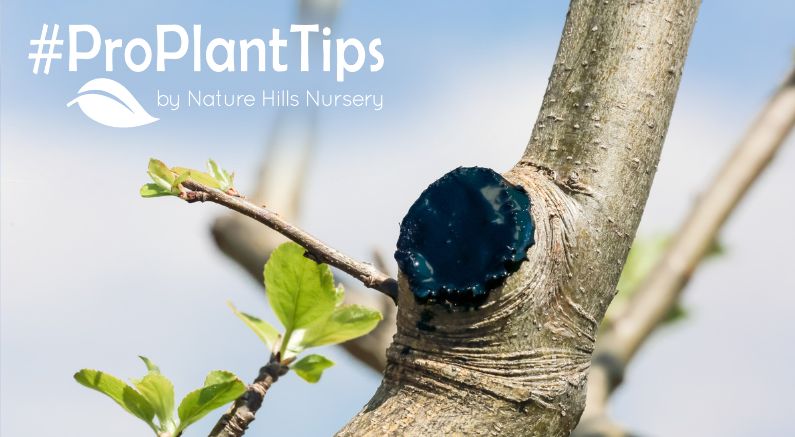
Tree paint on freshly pruned stems

When it comes to pruning your trees and shrubs, it may seem logical to want to protect the fresh cuts with something extra, like a pruning sealant. Also known as Pruning Paint, Tree Wound Sealer, and Tree Paint, these dark, tar-like substances are marketed as a way to prevent disease and promote healing.

While it might feel like sealing a wound helps, trees don't heal like people; they seal shut tight. Applying a coating often traps moisture, encourages decay, and disrupts mother nature's own defense systems. Most of the time, a healthy tree is fully capable of sealing off cuts and protecting itself without interference.

In fact, improper sealing can turn a simple pruning job into a lingering problem. Instead of reaching for the can, it's time to trust in better techniques and let your landscape breathe.

The truth is: pruning sealants can do more harm than good. Today, we'll explore what they are, why they're outdated, and what practices actually support plant health after pruning.

What Is a Pruning Sealant?

Pruning sealants or paints are petroleum-based or latex products that are applied to freshly cut branches. They create a physical barrier, supposedly to protect the wound from insects, fungi, and moisture.

These were once a staple in garden sheds everywhere, especially promoted for fruit trees and shade trees. The idea was that "sealing" a wound would help the plant heal faster, much like a bandage.

Why You Should Skip The Seal

Modern horticultural science shows us that trees and shrubs don't just heal after injury; they seal. That's right, plants naturally compartmentalize wounds using their own protective tissues. Slapping on pruning sealants can potentially:

  • Trap Moisture: Sealants can lock in moisture and invite decay rather than prevent it.
  • Promote Rot: Instead of keeping pathogens out, they can actually create a cozy space for bacteria and fungi.
  • Block Natural Defense: Trees form callus tissue that closes wounds over time. Sealants interfere with this process.

So, instead of helping, sealants may delay recovery and encourage disease.

What Works Better?

Instead of reaching for a pruning product, reach for proper timing and technique. Here's what promotes healthy healing:

  • Prune at the Right Time: Late winter or very early spring is ideal for most trees before active growth begins. Depending on your tree, you will want to prune after the first flush of growth, after flowering, or while the tree is dormant.
  • Make Clean Cuts: Use sharp, sanitized tools to avoid crushing or tearing bark.
  • Cut Outside the Branch Collar: This swollen area at the base of the branch contains specialized cells that seal off wounds naturally.
  • Skip the Sealant: Let mother nature do her thing! A healthy tree will seal off pruning wounds all on its own.

Also, avoid pruning during wet or humid conditions, when disease pressure is high.

Conditions When You May Want To Use Sealant

1. Preventing Oak Wilt in Certain Regions

In areas where Oak Wilt disease is a threat (especially in the Midwest and South), tree experts may recommend applying a thin coat of latex-based pruning sealant immediately after cutting Oak Trees during the growing season. This is to deter Nitidulid beetles, which spread the disease and are attracted to fresh sap.

  • Timing matters: Pruning Oaks during dormant winter months avoids this need altogether.
  • Use only as directed: Light application, and only on cuts made out of season.

2. Grafting and Budding

During fruit tree grafting or budding, a specialized sealant or grafting compound is applied to protect the union from drying out, moisture intrusion, and pests while the plant tissues fuse.

  • These are formulated for flexibility and breathability. Unlike thick tar-like pruning paints.
  • Products like grafting wax or parafilm are commonly used.

3. Mechanical Damage or Large Wounds

For large wounds from storm damage or mechanical injury, sealants are sometimes applied not to help the tree heal, but to temporarily deter pests or pathogens while the tree starts to compartmentalize the wound.

  • This is more of a short-term measure than a healing aid.
  • Arborists might use it when immediate pest pressure is high, especially in urban environments or on an already stressed tree.

4. Disease-Prone Trees in Humid Climates

a nicely healed tree scar

Some fruit trees, like stone fruits (e.g., Peaches and Plums), are very prone to fungal infections after cuts in warm, wet conditions. In these cases, a very light, breathable dressing may be used on large cuts as part of a broader disease management plan. Learn more about pruning Fruit Trees Here.

When in Doubt? Skip It or Ask an Arborist

Unless you're dealing with a specific disease-prone tree or performing a graft, nature's own methods, clean cuts, good timing, and healthy care are still best. When in doubt, a certified arborist can provide guidance tailored to your tree species, region, and climate.

Let mother nature Seal The Deal

The urge to "help" plants with pruning sealants is well-meaning, but misguided. Trust in the biological wisdom of your trees. With the right clean cut at the right time, your plants will be just fine, without the tar and goop.

Happy Planting!

Previous Next

Frequently Asked Questions

What do you paint on cut tree limbs?

You don't need to paint anything on cut tree limbs. While pruning sealants (also called tree paint or wound sealers) are still sold, modern horticultural science shows they trap moisture and can promote rot rather than prevent it. Healthy trees naturally compartmentalize wounds by forming protective callus tissue that seals cuts over time. Make clean cuts with sharp, sanitized tools and let the tree's natural defenses do the work.

What do you put on trees after cutting limbs?

Nothing at all. Modern horticultural science shows that healthy trees naturally seal wounds by forming protective callus tissue, and applying pruning sealants or tree paint actually traps moisture and promotes rot rather than preventing it. These petroleum-based or latex products interfere with the tree's natural compartmentalization process and can create ideal conditions for bacteria and fungi. Make clean cuts with sharp, sterilized tools and let your trees heal themselves naturally.

How to seal tree cuts?

Don't seal tree cuts with pruning sealants or tree paint - modern research shows these products trap moisture and promote decay rather than prevent it. Trees naturally compartmentalize wounds by forming protective callus tissue, and sealants interfere with this healing process. Instead, make clean cuts with sharp, sanitized tools at the proper angle just outside the branch collar. Allow the tree's natural defense systems to seal the wound on their own.

Should you seal a tree branch after cutting?

No, you should not seal tree branches after cutting. Modern horticultural science shows that pruning sealants trap moisture and promote rot rather than prevent it, while interfering with the tree's natural ability to compartmentalize wounds through callus tissue formation. Healthy trees are fully capable of sealing cuts on their own without any coating or paint. Make clean cuts with sharp, sanitized tools and let the tree's natural defense systems do their work.

What to put on branches after pruning?

Nothing at all. Trees naturally seal wounds by forming protective callus tissue, and applying pruning sealants or paints actually traps moisture and promotes rot rather than preventing it. Modern horticultural science shows that petroleum-based and latex wound sealers interfere with the tree's natural defense systems and can create ideal conditions for bacteria and fungi. Make clean cuts with sharp, sterilized tools and let your trees heal themselves naturally.

How to preserve tree branches for decoration?

To preserve tree branches for decoration, cut them during the dormant season (late fall through early winter) when sap flow is minimal. Remove all leaves and bark, then treat with a glycerin solution (1 part glycerin to 2 parts water) for flexible preservation, or simply air-dry in a cool, dry location for 2-3 weeks for a more brittle finish. Avoid using pruning sealants or paints, as these can trap moisture and cause decay rather than preserve the wood. Clean cuts and proper drying techniques will give you the best results for long-lasting decorative branches.

How to fix a big hole in a tree?

You cannot truly "fix" a large hole in a tree trunk, as trees don't heal like humans but instead compartmentalize damage by sealing it off with new tissue growth. Avoid using pruning sealants or tree paint, which trap moisture and promote rot rather than helping recovery. If the hole compromises more than 50% of the trunk diameter or shows signs of decay, consult a certified arborist to assess whether the tree can safely remain standing.

How to save a ring barked tree?

Ring barking (girdling) severely damages a tree's ability to transport nutrients, and complete girdling is often fatal. If the bark damage is partial, you can help by keeping the tree well-watered, applying mulch around the base, and avoiding any additional stress like fertilizing or pruning. For complete girdling on valuable trees, bridge grafting performed by a certified arborist within weeks of the damage offers the best chance of survival. Act quickly and consult a tree care professional to assess whether the tree can be saved.

Should I use pruning sealant on tree cuts after pruning?

No, skip the pruning sealant entirely. Modern research shows that healthy trees naturally compartmentalize wounds by forming protective callus tissue, while sealants trap moisture and create ideal conditions for rot and fungal infections. These petroleum or latex-based products interfere with the tree's natural defense systems rather than helping them. Make clean cuts with sharp tools and let your trees heal naturally without any coating.

Do trees really need pruning paint to heal wounds?

No, trees don't need pruning paint to heal wounds. Unlike humans, trees naturally compartmentalize and seal cuts using their own protective tissues and callus formation. Pruning sealants actually trap moisture and create ideal conditions for bacteria and fungi, disrupting the tree's natural defense systems. Make clean cuts with sharp tools and allow healthy trees to seal wounds naturally without interference.

Find Your Garden's Growing Zone!

Your Current Growing Zone:

Zone

ZIP Code:

✓ Growing Zone Set Successfully!

Your zone has been saved and will be used throughout the site.

⚠ Unable to locate a growing zone for that ZIP code.

Please check your ZIP code and try again.

Looking up your growing zone...

When ordering a tree or plant, make sure to know your planting zone.

You can determine your garden's USDA hardiness zone by entering your Zip Code below.