Free Shipping on Orders $199+

Growing Zone: | Garden in
Find your Growing Zone!

Top 10 Plants For Bees To Make Honey

Top 10 Plants For Bees To Make Honey

Charlotte Weidner |

The keeping of bees is like the direction of sunbeams.” - Henry David Thoreau

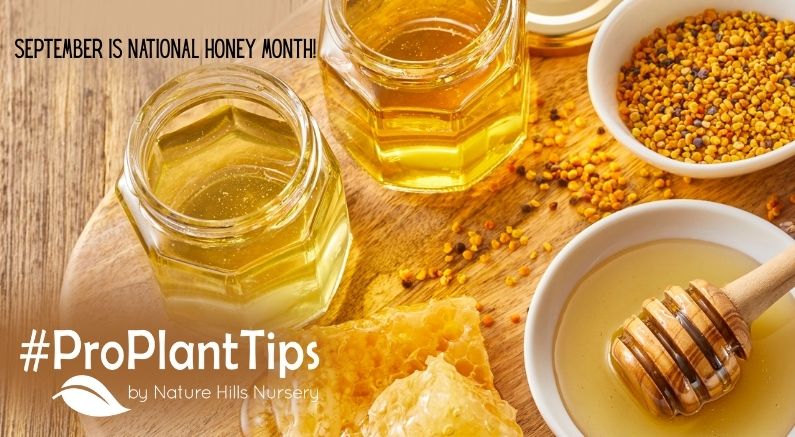
September is National Honey Month, and it's the perfect time to highlight the best plants for honeybees and backyard beekeepers!

national honey month buy bee-friendly plants at nature hills

From classic honey plants like Linden Trees and Tupelo Trees to bee-friendly shrubs and perennials like Russian Sage, Catmint, and Lavender, NatureHills.com offers gardeners and beekeepers a wide variety of nectar sources. Planting these pollinator favorites ensures strong colonies, heavy supers filled with golden honey, and unique floral notes in every harvest.

Planting these pollinator favorites ensures steady food for your hive, healthier bees, and delicious golden honey with unique floral notes!

how bees make honey infographic

What Is Honey?

Technically, honey is a supersaturated sugar solution made by honeybees from flower nectar. It contains mainly fructose and glucose, along with trace enzymes, amino acids, vitamins, minerals, and antioxidants, all preserved within wax-sealed comb cells.

How Bees Make Honey

Honey production starts when forager bees collect nectar, then pass it along to house bees inside the hive, where it's transformed into honey and stored in capped comb.

Honeybees collect nectar from flowers using their long tongues and store it in a special "honey stomach". Back at the hive, the nectar is passed between worker bees, reducing moisture and mixing with enzymes.

The bees then deposit it into honeycomb cells, where they fan it with their wings until it thickens. Finally, they seal each cell with wax to keep the honey fresh.

Benefits of Honey

  • Natural sweetener packed with antioxidants
  • Supports immune health
  • May help those with allergies
  • Provides quick energy
  • Has natural antibacterial and anti-inflammatory properties
  • Soothes sore throats and coughs
  • Used in skincare for healing and hydration

Top 10 Plants Bees Love For Honey

Bees need their honey stores for food, helping them get through lean times and winters when flowers are not available. A healthy apiary depends on a steady nectar flow from reliable plants throughout the season!

1. Native Linden Species (Tilia americana)

Both American Linden (Basswood) and Littleleaf Linden are celebrated honey plants. Their fragrant flowers produce nectar that results in a light, floral honey prized by beekeepers. American Linden is native to North America, while Littleleaf Linden, a European species, is widely planted in U.S. cities and landscapes.

  • Reliable nectar source in summer
  • Highly attractive to bees and pollinators
  • Produces mild, floral-flavored honey
  • Known for producing prized Basswood honey

2. Tupelo Tree (Nyssa ogeche)

Famous in the Southeast, especially along Florida's rivers, Tupelo Trees (also known as Black Gum) provide nectar that produces one of the most sought-after honeys in the world. Tupelo honey never crystallizes and has a rich, buttery flavor.

  • Thrives in moist soils
  • Beloved for premium Tupelo honey
  • Nectar flows during spring

3. Black Locust Tree (Robinia pseudoacacia)

Black Locust and other Locust Tree blossoms are highly fragrant and irresistible to bees. The honey is pale, clear, and slow to crystallize - a beekeeper's favorite.

  • Rapid-growing shade tree
  • Blooms in late spring with clusters of white flowers
  • Known for high nectar production

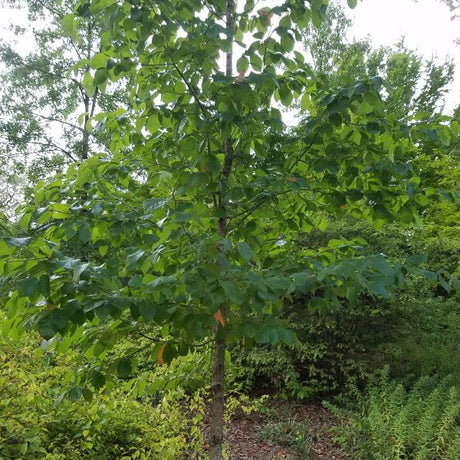
4. Sourwood Tree (Oxydendrum arboreum)

Sourwood honey is a delicacy in the Appalachian region. The midsummer flowers yield nectar that produces honey with a buttery, caramel-like flavor.

  • Native ornamental tree
  • White, drooping flower clusters
  • Blooming later in the season helps extend nectar flow

5. Wildflowers

Mixed wildflower plantings provide bees with a buffet of nectar sources across the growing season. Diverse blooms create multi-floral honeys with complex flavors that change year to year depending on what's in bloom.

  • Supports biodiversity and pollinator health
  • Provides a continuous nectar supply from spring to fall
  • Produces richly flavored, unique honey blends

Common wildflowers for honey production include Sunflowers, Goldenrod, Asters, Coneflowers, and Black-Eyed Susans, plus the many annual wildflowers, all excellent nectar and pollen sources for bees!

6. Russian Sage (Perovskia atriplicifolia)

While not a tree, this perennial shrub is a powerhouse for bees. Long-blooming, drought-tolerant, and nectar-rich, it keeps hives supplied all summer.

  • Aromatic silvery foliage
  • Violet-blue flowers attract pollinators nonstop
  • Perfect for sunny borders

7. Catmint (Nepeta)

Catmint is adored by pollinators for its long bloom season and abundant nectar. It produces honey with a minty, herbal character.

  • Compact perennial
  • Bloom late spring through summer
  • Hardy and deer-resistant

8. Lavender (Lavandula)

Lavender honey is famously fragrant with subtle floral notes. The purple blooms attract bees in droves.

  • Aromatic perennial
  • Blooms in summer
  • Creates honey with a light, herbal sweetness

9. Buttonbush (Cephalanthus occidentalis)

This native shrub features spherical white flower clusters that bees can't resist. Nectar produces distinctive honey with a hint of spice.

  • Thrives near water
  • Summer blooms extend the nectar season
  • Provides wildlife habitat

10. Perennial Legumes for Honey Production

Legumes are famous nectar plants, producing mild, sweet honey. While Clover is the classic, other legumes also yield excellent honey crops. Consider planting:

  • White Clover (Trifolium repens) - the most famous honey plant in the U.S.
  • Alsike Clover (Trifolium hybridum) - hardy, long-blooming, and nectar-rich
  • Purple/Red Clover (Trifolium pratense) - bees forage heavily when flowers are accessible
  • Alfalfa (Medicago sativa) - produces light-colored, mild honey
  • Vetch (Vicia villosa) - excellent early nectar source in spring
  • Sainfoin (Onobrychis viciifolia) - highly attractive to bees, produces aromatic honey

Clover honey is the most well-known honey in the U.S., but gardeners can plant perennial clover groundcovers and nectar-rich legume perennials that provide the same sweet, mild honey flavor.

buy honey plants and bee-friendly plants at nature hills

Getting The Most Out Of Honey Plants

  • Plant in full sun for maximum nectar flow
  • Provide consistent water during establishment
  • Use organic fertilizer to encourage bloom production
  • Avoid pesticide use to keep hives safe. Even organic pesticides can be troublesome
  • Plant a mix of trees, shrubs, and perennials to stagger bloom times for a continuous nectar supply

Sweet Finish!

mother nature gives us honey as one of her sweetest gifts, and gardeners can give back by planting nectar-rich trees, shrubs, and perennials. From Linden and Tupelo to Lavender and Catmint, these plants create a honeybee buffet that keeps hives thriving and honey jars full. Plant some of these beauties this fall - and let the buzz begin!

Happy Planting!
Previous Next

Compare Plants

Browse the features and specs side-by-side to find the best fit for your garden.

A table comparing the facets of 2 products
Facet
Black Gum Tree
Black Gum Tree
View details
Sourwood
Sourwood Tree
View details
Rating
Rating
(5)
(10)
Type
TypeTreeTree
By
ByNature Hills NurseryNature Hills Nursery
Flower Color
Flower Color
  • White
  • White
Growing Zone Range
Growing Zone Range
5-9
5-8
Mature Height
Mature Height
40-60 ft
20-30 ft
Width
Width
20-30 ft
10-15 ft
Price
Price
Regular price $9790
Regular price $10995

Frequently Asked Questions

What are the best native plants for bees in my region to support honey production?

The best native plants for honey production vary by region, but top performers include American Linden Trees (zones 3-8) for abundant late spring nectar, Tupelo Trees (zones 6-9) that produce premium honey, and native Lavender varieties that bloom for months. In northern regions, focus on Basswood and Wild Bergamot, while southern gardeners should prioritize Tupelo and native Sage species. Plant a mix of early, mid, and late-season bloomers to ensure continuous nectar flow from spring through fall. Contact your local extension office to identify the specific native honey plants that thrive in your hardiness zone and soil conditions.

When is the best time to plant flowers for early or late blooming to help bees make honey?

For early nectar sources, plant spring bloomers like fruit trees and early perennials in fall (6-8 weeks before hard frost) to establish strong root systems. Late-season honey plants such as asters, goldenrod, and Russian sage should be planted in spring after the last frost date for your zone. This timing ensures maximum bloom production when bees need it most - early spring for colony buildup and late summer for winter honey stores. Check your USDA hardiness zone and plan plantings accordingly to support bees throughout the entire foraging season.

How do I create large patches of the same flowers to attract honey bees for better foraging?

Plant bee-friendly flowers in clusters of at least 3-4 feet wide rather than scattering individual plants throughout your garden. For maximum impact, create drifts of 6-12 plants of the same species, such as Russian Sage or Catmint, spaced 18-24 inches apart depending on mature size. Time your plantings so different varieties bloom sequentially from spring through fall, providing continuous nectar sources. Focus on native plants suited to your hardiness zone for the strongest, most reliable blooms that require minimal maintenance.

Which trees should I plant for early spring nectar and pollen sources for honey bees?

For early spring nectar and pollen, plant Linden Trees and Maple varieties, which bloom from March through May depending on your zone. Willow trees are exceptional early bloomers, providing both nectar and pollen when bees are building their colonies in late winter to early spring. These trees typically mature to 40-80 feet and thrive in zones 3-9, making them reliable long-term investments for beekeepers. Plant multiple varieties to extend the bloom period and ensure consistent food sources during the critical early season buildup.

Can I let my herbs like basil, mint, and rosemary flower for bees instead of harvesting them?

Yes, allowing herbs like basil, mint, and rosemary to flower provides excellent nectar sources for bees while still maintaining harvestable foliage. Basil flowers from mid-summer through fall, mint blooms June through September, and rosemary flowers nearly year-round in zones 7-10. You can harvest leaves from the lower portions of the plant while letting the top 6-8 inches flower for pollinators. For best results, pinch flowers on half your herb plants for kitchen use and let the other half bloom for bee forage.

What perennials return yearly and provide consistent bee forage for honey throughout the season?

Several hardy perennials provide reliable nectar sources for honeybees year after year. Russian Sage (Zones 4-9) blooms from midsummer through fall, while Catmint (Zones 3-8) offers continuous flowers when cut back after initial blooming. Lavender (Zones 5-9) produces fragrant nectar-rich spikes from June through August, and Bee Balm (Zones 4-9) delivers abundant midsummer blooms that bees favor. Plant these in sunny locations with well-draining soil, spacing them 18-24 inches apart for maximum impact and easy bee access.

How far do honey bees forage, and does that affect what I need to plant around my garden?

Honey bees typically forage within a 2-3 mile radius of their hive, though they can travel up to 5 miles when necessary nectar sources are scarce. This means your garden plantings will compete with all flowering plants in roughly a 12-18 square mile area around the hive. For maximum impact, focus on planting large drifts of the same bee-friendly species rather than scattered individual plants, and choose varieties that bloom during nectar dearth periods like mid-summer and late fall. Plant at least 3-5 of the same flowering trees or 10+ of the same perennials to create meaningful forage patches that bees will prioritize visiting.

Are there bee-friendly plants that bloom during dry summer months when nectar is scarce?

Yes, several drought-tolerant plants provide crucial nectar during summer's dry spells when other flowers fade. Russian Sage, Lavender, and Catmint are excellent choices that bloom from mid-summer through fall and thrive in zones 4-9 with minimal water once established. These hardy perennials can handle temperatures above 90°F and continue producing nectar even during drought conditions. Plant them in well-draining soil and group multiple plants together to create substantial foraging areas for your bees.

Should I avoid Bradford pears and choose other Rosaceae family plants for bees?

Yes, avoid Bradford pears as they're invasive and produce poor-quality nectar. Instead, choose native Rosaceae family alternatives like serviceberry (Amelanchier species, zones 3-8) or native crabapples, which bloom in early spring when bees need nectar most. These alternatives provide abundant pollen and nectar while supporting local ecosystems. Plant serviceberries 15-20 feet apart for optimal bee foraging and fruit production.

What spacing and soil conditions do honey bee plants need to thrive and produce maximum nectar and pollen?

Most bee-friendly plants thrive in well-draining soil with a pH between 6.0-7.5 and require spacing of 12-36 inches apart depending on mature size to ensure proper air circulation and prevent competition for nutrients. Perennial favorites like lavender, bee balm, and catmint prefer full sun (6+ hours daily) and can tolerate drought once established, while annuals like sunflowers and zinnias need consistent moisture during their growing season. Plant in drifts of 3-5 of the same species rather than single specimens to create the mass plantings that attract foraging bees most effectively. Choose varieties suited to your hardiness zone and succession plant every 2-3 weeks from spring through fall to provide continuous blooms throughout the bee foraging season.

Find Your Garden's Growing Zone!

Your Current Growing Zone:

Zone

ZIP Code:

✓ Growing Zone Set Successfully!

Your zone has been saved and will be used throughout the site.

⚠ Unable to locate a growing zone for that ZIP code.

Please check your ZIP code and try again.

Looking up your growing zone...

When ordering a tree or plant, make sure to know your planting zone.

You can determine your garden's USDA hardiness zone by entering your Zip Code below.