Free Shipping on Orders $199+

Growing Zone: | Garden in
Find your Growing Zone!

Spring & Fall's Best Blooming Tree: Autumn Blooming Cherry!

Spring & Fall's Best Blooming Tree: Autumn Blooming Cherry! - Nature Hills Nursery

Charlotte Weidner |

The gorgeous Flowering Cherry tree is a spring-flowering standard that provides scent, beauty, and fall color and the versatile Autumn Blooming Cherry tree kicks up the flowering show with a second flush of bonus blooms in the fall!

Learn about this fantastic ornamental flowering tree, its many perks, the wide range of landscape benefits, and how easy it is to grow in your landscape!

    The Beautiful Autumn Blooming Cherry

    Autumn Blooming Cherry

    This tree is the gift that keeps on giving! The Autumn Blooming Cherry offers four seasons of visual interest, ensuring that each passing season has something new to love!

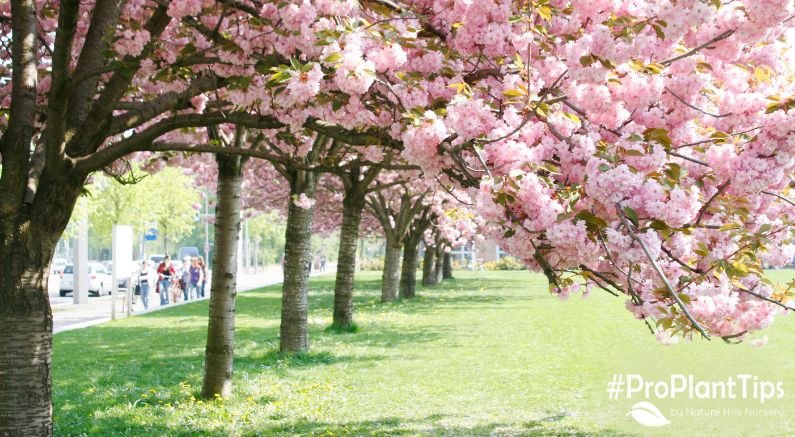
    The Autumn Blooming Cherry Tree (Prunus subhirtella 'Autumnalis') lights up your landscape with an explosion of fragrantly sweet, ruffled, frilly pink blooms that fade to white! Pollinators adore these nectar-rich, single to semi-double spring blooms.

    Once the spring flowers fade the green foliage fills your tree's canopy. During the summer, enjoy the shade from the large, oval green leaves that seem to flit and flutter with every puff of wind.

    Then, in fall as the leaves are dropping, your Autumn Blooming Cherry starts producing a smaller flush of flowers again later in the growing season in the warmer zones!

    Autumn Blooming Cherry close up

    The fall foliage color can be good most years producing bronze, gold, and yellow.

    In the late summer to autumn, the Autumn Blooming Cherry Tree produces small black (inedible) cherries that are a boon to birds looking for a pre-winter feast!

    After this deciduous tree drops its leaves, mild winter climates may be delighted to see an additional round of blooms as other plants begin to go dormant for the winter!

    Lastly, as the winter snows sculpt the branches, you’ll enjoy the rosy, burnished Cherry tree bark that this family is well known for! You'll also get a chance to appreciate the magnificent branch structure. Every little bit helps in winter!

    Where To Use The Autumn Blooming Cherry Tree

    The double to triple dose of double pink blooms are glorious enough to make you want to keep them all to yourself by hiding this tree in the backyard!

    • Add cooling shade to a back patio or seating areas
    • Add flouncy blooms to outdoor garden rooms and feed the bees and butterflies
    • Be sure to plant one outside of a favorite window to enjoy the year-round show!
    • Plant by the veggie garden or orchard to draw in more pollinators to help with pollination
    • A second bloom to support pollinators again late into the season!
    • Create groupings with other ornamentals to create a naturalized and colorful settings

    But this floral show is exactly why you must share this double dose of beauty with the whole neighborhood! You’ll enjoy a major boost to neighborhood clout and curb appeal with a double dose of pink blooms!

    • A single specimen by your driveway or in a bermed focal point planting in the front yard
    • Anchor a foundation planting
    • A line of these trees along your drive will welcome you home
    • These are also stately street trees
    • Create so much curb appeal with so little work from yourself

    While Cherry trees generally do not have invasive root systems, it's always prudent to plant any tree at least one-half of its mature width away from a structure - both above and below ground.

    The moderate growth rate and its “just right” size, provides wonderful shade and impact without sacrificing space! Hardy and tolerant of urban conditions, Autumn Blooming Cherry has it all!

    Autumn Blooming Cherry Tree Care

    The Autumn Blooming Cherry is a hardy deciduous tree with so many incredible features while requiring very little care or fuss from you! Amazingly disease resistant, there’s no reason for you to spray or worry about pests!

    Flowering Cherry full tree
    Flowering Cherry trees love the full sun, and bloom the absolute best when planted in as much sunlight as you can provide. Autumn Blooming Cherry is adaptable enough to also tolerate some partial shade (but you’ll have fewer flowers in less sun).

    Water young trees well to ensure they become well-established in their first year. Doing best in any kind of soil, these spring and fall flowering Cherry trees do require well-draining conditions and cannot sit in soggy soils. Be sure to include the Nature Hills Root Booster to give your root system the healthy jump-start it needs to get growing beautifully!

    Add a 3-4 inch layer of mulch over the root system for insulation and moisture retention.

    If needed, it is best to prune right after the early spring flush of flowers. However, you may miss out on a bit of the fall bloom.

    • These can reach 20 - 30 feet in height and 20 - 30 feet wide
    • Winter hardy to USDA hardiness zones 4-8
    • Full sun is best, but also part shade/afternoon shade
    • Well-drained enriched soil
    • Moderate moisture needs
    • Appreciates mulched beds
    • Prune after spring flowering if needed

    The Autumn Blooming Cherry tree is so easy on the eyes and easy on your busy lifestyle!

    What cherry trees need

    Bountiful Beautiful Blooms!

    If you wish to see blooms next spring, you better hurry and order your own Autumn Blooming Cherry from Nature Hills today! Enjoy repeat blooms, sweet fragrances, and fall color trees with wonderful, cooling shade!

    You won't go wrong with buying the Autumn Blooming Cherry tree from Nature Hills Nursery! We sell out of this magical flowering tree every single year, so please - place your order today! You won't want to miss this tree!

    Happy Planting!

    Shop Cherry Trees
    Previous Next

    Frequently Asked Questions

    What is the best time to plant an Autumn Blooming Cherry tree for optimal establishment?

    The best time to plant an Autumn Blooming Cherry tree is during early spring after the last frost or in fall 6-8 weeks before your area's first hard freeze. Spring planting allows the tree to establish its root system during the growing season, while fall planting takes advantage of cooler temperatures and consistent moisture. In zones 4-8 where this tree thrives, aim for March-April or September-October depending on your location. Plant when soil is workable but not waterlogged to ensure proper root establishment before seasonal stress periods.

    How much sun does the Autumn Blooming Cherry need to bloom its best in spring and fall?

    The Autumn Blooming Cherry requires full sun to partial sun (6+ hours of direct sunlight daily) to produce its best spring and fall bloom displays. Trees planted in shadier locations will have fewer flowers and may not develop the characteristic second flush of fall blooms. For optimal flowering performance in both seasons, plant your Autumn Blooming Cherry in a location that receives morning sun and protection from harsh afternoon winds. Choose the sunniest available spot in your landscape to maximize both spring and autumn bloom cycles.

    What type of soil is ideal for the Autumn Blooming Cherry, and how do I ensure good drainage?

    The Autumn Blooming Cherry thrives in well-draining, slightly acidic to neutral soil with a pH between 6.0-7.0. This adaptable tree tolerates various soil types including clay, loam, and sandy soils, but consistently waterlogged conditions will cause root rot. To ensure proper drainage, plant on a slight slope or amend heavy clay soils with compost and coarse sand before planting. Test drainage by digging a 12-inch hole and filling it with water - it should drain within 24 hours for optimal tree health.

    How often should I water a newly planted Autumn Blooming Cherry tree in its first year?

    Water your newly planted Autumn Blooming Cherry tree deeply 2-3 times per week during its first growing season, providing approximately 1-2 inches of water each time. Focus watering during spring through early fall, reducing frequency as temperatures cool and the tree enters dormancy. Check soil moisture by inserting your finger 2-3 inches deep – the soil should feel moist but not waterlogged. Maintain consistent moisture throughout the root zone but avoid overwatering, which can lead to root rot in cherry trees.

    When is the best time to prune an Autumn Blooming Cherry, and what should I prune?

    Prune your Autumn Blooming Cherry immediately after the spring bloom period ends, typically in late May to early June, to avoid removing next year's flower buds. Focus on removing dead, diseased, or crossing branches, along with any suckers growing from the base. Light pruning is best for this tree since heavy pruning can reduce the spectacular fall bloom display. Make clean cuts just outside the branch collar and avoid pruning more than 25% of the canopy in a single year.

    Will pruning after spring blooms affect the fall flowering on my Autumn Blooming Cherry?

    Pruning your Autumn Blooming Cherry immediately after spring blooms won't significantly impact fall flowering since this variety blooms on both old and new wood. Light pruning in late spring to early summer (May-June) is actually beneficial for maintaining tree shape and health. Avoid heavy pruning after July, as this can reduce the tree's energy reserves needed for fall bloom production. For best results, limit pruning to removing dead, damaged, or crossing branches and maintain the tree's natural graceful form.

    How far should I plant an Autumn Blooming Cherry from my house or driveway to avoid root issues?

    The Autumn Blooming Cherry typically reaches 20-25 feet tall and wide at maturity, so plant it at least 15-20 feet from your house foundation and 10-12 feet from driveways to prevent root conflicts. This ornamental cherry has a relatively non-aggressive root system compared to larger shade trees, but proper spacing ensures the roots won't interfere with foundations or crack pavement as the tree establishes over 10-15 years. Plant in zones 4-8 for best performance and allow adequate space for the tree's graceful, spreading canopy to develop naturally.

    What fertilizer, if any, should I use for Autumn Blooming Cherry trees, and when?

    Autumn Blooming Cherry trees benefit from a balanced 10-10-10 fertilizer applied in early spring before new growth begins, typically March in zones 4-8. Apply 1 pound of granular fertilizer per inch of trunk diameter, spreading it evenly under the canopy to the drip line. Avoid fertilizing after mid-summer as this can stimulate late growth that won't harden off before winter. Water thoroughly after application and consider a light compost top-dressing in fall for additional organic nutrition.

    How do I mulch around an Autumn Blooming Cherry to retain moisture and protect roots?

    Apply a 2-3 inch layer of organic mulch like shredded bark or wood chips around your Autumn Blooming Cherry, extending from 6 inches away from the trunk to the drip line. Mulch in early spring before the growing season begins and refresh annually as needed. Keep mulch pulled back from the trunk to prevent moisture buildup against the bark, which can lead to disease and pest issues.

    What is the mature size of an Autumn Blooming Cherry tree, and how should I space multiple trees?

    The Autumn Blooming Cherry tree typically reaches 20-25 feet tall and 15-20 feet wide at maturity, forming a graceful, spreading canopy. When planting multiple trees, space them 20-25 feet apart center to center to allow for proper air circulation and full canopy development. This spacing prevents overcrowding while creating an impressive grove effect that maximizes the spring and fall blooming display.

    Find Your Garden's Growing Zone!

    Your Current Growing Zone:

    Zone

    ZIP Code:

    ✓ Growing Zone Set Successfully!

    Your zone has been saved and will be used throughout the site.

    ⚠ Unable to locate a growing zone for that ZIP code.

    Please check your ZIP code and try again.

    Looking up your growing zone...

    When ordering a tree or plant, make sure to know your planting zone.

    You can determine your garden's USDA hardiness zone by entering your Zip Code below.