Free Shipping on Orders $199+

Growing Zone: | Garden in
Find your Growing Zone!

Simple Steps For Sweet Success: Fixing Alkaline Soil

Simple Steps For Sweet Success: Fixing Alkaline Soil - Nature Hills Nursery

Charlotte Weidner |

Sweet or high pH soil is alkaline soil

Got struggling plants, yellow leaves, or stunted growth? Your soil might be a little too sweet, and we're not talking candy bars here! Alkaline soil (also known as "sweet soil") can cause major nutrient issues that keep your plants from living their best life.

But don't fret! With just a few easy steps and a little garden smarts, you can bring your soil back into balance and grow lush, thriving plants that pop with color and vigor. Let's dig in!

What Exactly Is Alkaline Soil?

Soil pH is like a measuring stick that tells us how acidic or alkaline the soil is. The scale goes from 0 to 14:

  • 7 is neutral
  • Below 7 = acidic
  • Above 7 = alkaline (aka "sweet" soil)

Most garden favorites, including veggies, flowers, fruit trees, and shrubs, prefer their roots in soil that falls between 6.0 and 7.0. That’s the "goldilocks zone" for nutrient availability and healthy root uptake.

However, alkaline soil is pretty common in regions like the Southwest deserts, the Rocky Mountain foothills, and the Midwest plains. These soils often hit pH levels of 7.5 to 8.5 or more, and that can spell trouble for plant roots trying to absorb what they need.

Signs Your Soil Is Too Alkaline

  • Yellowing leaves (especially between the veins)
  • Stunted growth
  • Poor flowering or fruiting
  • Plants that just won't thrive. Even with water and fertilizer

These signs point to nutrient deficiencies, not because your soil lacks nutrients, but because those nutrients are "locked up" and unavailable to plant roots in high-pH conditions.

Testing your soil is like shining a flashlight into the underground world of your garden. It helps you make the right moves with confidence.

Quick Options:

  • Buy a pH test kit or pH meter from your local garden center or online. Easy, affordable, and fast.

  • Try a DIY test: Mix 1 cup of soil with water to create mud, then add vinegar. If it fizzes, it's likely alkaline soil.

  • Get a pro soil test from your local County Extension Office; many offer lab testing at low or no cost. You'll get detailed results that can help you make spot-on adjustments.

How To Fix Alkaline Soil Naturally

Once you've identified alkaline soil, it's time to start sweet-talking your garden into balance. Here are some simple solutions to lower pH and unlock those vital nutrients:

1. Add Organic Matter

Compost, leaf mulch, and aged manure work wonders. They gently acidify the soil over time while improving drainage and microbial activity. Win-win!

2. Use Sulfur-Based Amendments

Elemental sulfur or soil acidifiers (available at garden centers) help lower soil pH over weeks to months. Follow the label and test pH regularly.

3. Try Peat Moss or Pine Needles

Peat moss, or pine straw (pine needle mulch), is great because these acidic materials are great for garden beds or containers. Blend into the top layer or use as mulch to help gradually lower pH.

4. Choose Plants That Love Alkaline Soil

If you want to work with what you've got, plant selections like Lavender, Russian Sage, Red Yucca, Smokebush, and Hollyhock can handle higher pH soils and still look fabulous! Here are more plants that thrive in these conditions:

  • Boxwood: A versatile evergreen shrub perfect for hedges and foundation plantings, Boxwood tolerates alkaline soil with ease.
  • Butterfly Bush (Buddleia): A pollinator magnet with arching blooms in bold colors; thrives in high-pH garden beds.
  • Forsythia: One of spring's first bloomers, Forsythia bursts with sunny yellow flowers and grows beautifully in alkaline soil.
  • Daylilies: Tough, colorful, and low-maintenance, Daylilies bloom reliably in many soil types, including alkaline.
  • Clematis: A climbing beauty that adds vertical interest and vibrant flowers while tolerating slightly alkaline soils.
  • Peony: A long-lived perennial that brings stunning blooms and a light fragrance to alkaline soils.
  • Barberry: A colorful shrub with vibrant foliage ranging from gold to deep red; loves dry, sweet soils.
  • Spirea: These tidy flowering shrubs come in many sizes and bloom reliably in alkaline conditions.
  • Catmint (Nepeta): Aromatic leaves and clouds of blue flowers make this an alkaline-loving, pollinator-friendly pick.
    Sweet Alyssum: A fragrant, low-growing annual with tiny flowers that thrives in alkaline beds and containers.
  • Coral Bells (Heuchera): Known for its stunning foliage colors and adaptability to different soil types, including sweet soils.
  • Salvia: Both ornamental and pollinator-friendly, many varieties of Salvia grow great in higher pH environments.
  • Lilac: These nostalgic, fragrant shrubs bloom best in well-drained, alkaline soils with plenty of sunlight.
  • Sedum (Stonecrop): Succulent, drought-tolerant groundcovers and perennials that handle tough soil with grace.
  • Wisteria: A robust vine with cascading fragrant blooms that handles slightly alkaline conditions well when established.

Take The "Sweet" Out Of Your Soil For Good!

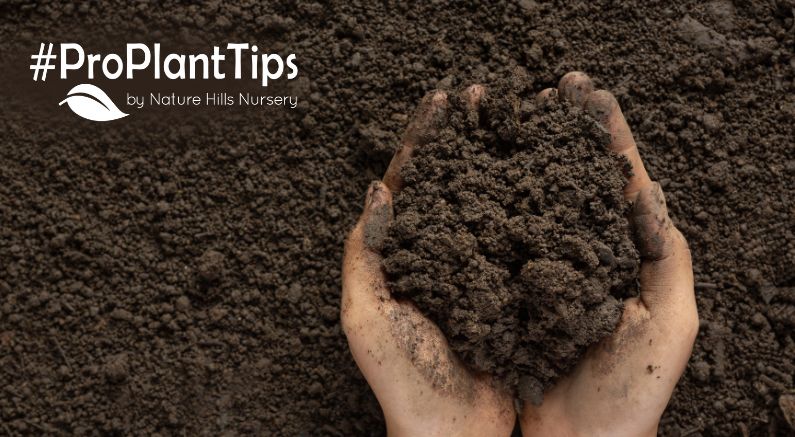
Rich healthy soil

Alkaline soil might be sweet in name, but it's not always sweet for your plants. When your greenery starts to struggle despite your best care, don't forget to look down at your soil's pH!

A few smart steps, a sprinkle of sulfur, and a dose of compost can make all the difference. By testing your soil and adding the right amendments, you'll unlock a garden full of rich color, vigorous growth, and blooming success.

Happy Planting!

Previous Next

Compare Plants

Browse the features and specs side-by-side to find the best fit for your garden.

A table comparing the facets of 1 products
Facet
Red Yucca
Red Yucca
View details
Rating
Rating
(1)
Type
TypePerennial
By
ByNature Hills Nursery
Flower Color
Flower Color
  • Red
  • Pink
Growing Zone Range
Growing Zone Range
5-10
Mature Height
Mature Height
3-5 ft
Width
Width
3-4 ft
Price
Price
Regular price $2415

Frequently Asked Questions

What should I do if things don't grow in my alkaline soil?

If your plants struggle in alkaline soil (pH above 7.5), start by adding organic matter like compost, peat moss, or aged manure to gradually lower the pH and improve nutrient availability. For faster results, apply elemental sulfur at 1-2 pounds per 100 square feet, which will acidify the soil over 2-3 months. You can also choose alkaline-tolerant plants like lavender, ornamental grasses, and many native species suited to your region. Test your soil pH first, then amend accordingly and retest annually to maintain the ideal 6.0-7.0 range for most garden plants.

How can I neutralize alkaline soil and make it better for planting?

To neutralize alkaline soil, apply sulfur at a rate of 1-2 pounds per 100 square feet, or work in organic amendments like compost, peat moss, or pine needles to gradually lower pH levels. For faster results, use aluminum sulfate at half the rate of sulfur, though it works more quickly and requires careful application. These treatments work best when applied in fall or early spring, giving them time to break down before peak growing season. Test your soil pH annually and reapply amendments as needed to maintain that ideal 6.0-7.0 range most plants crave.

What's the best way to reduce the pH in alkaline clay soil?

For alkaline clay soil, work elemental sulfur into the top 6-8 inches at a rate of 1-2 pounds per 100 square feet to lower pH by about one point over 6-12 months. Clay's dense structure slows pH changes, so add organic matter like compost or peat moss simultaneously to improve drainage and speed the process. Apply sulfur in fall for best results, as it needs time to break down through soil bacteria activity. Test your soil pH again after one growing season before making additional amendments.

Should I use compost, leaf mould, or chicken manure to lower soil pH in raised beds?

Compost and leaf mold are your best choices for lowering pH in raised beds, as they provide gentle, long-term acidification while improving soil structure. Chicken manure is typically alkaline and will actually raise your pH further. Apply 2-3 inches of quality compost or well-aged leaf mold and work it into the top 6-8 inches of soil in fall or early spring. Test your soil pH again after 3-4 months to monitor progress and determine if additional applications are needed.

How accurate are soil pH meters, and what if they give false readings for alkaline soil?

Digital pH meters can be quite accurate for alkaline soil when properly calibrated, but cheap models under $20 often give inconsistent readings, especially in clay-heavy soils common in the Southwest and Midwest plains. For the most reliable results with alkaline soils testing 7.5-8.5+, use a quality meter ($30-50 range) and test multiple spots in your garden, or verify suspicious readings with a County Extension Office lab test. Always clean the probe between tests and calibrate monthly using buffer solutions to ensure accuracy.

Is it easier to live with slightly alkaline soil (pH 7.0-8.0) than try to lower it for gardening?

For slightly alkaline soil in the 7.0-8.0 range, it's often more practical to work with your soil rather than against it. Many plants adapt well to pH 7.0-7.5, and you can simply choose alkaline-tolerant varieties like lavender, clematis, or ornamental grasses instead of fighting to lower the pH. If you're set on growing acid-loving plants, focus your soil amendment efforts on specific planting areas rather than trying to treat your entire landscape. Test your soil first, then decide whether plant selection or targeted soil improvement makes more sense for your garden goals.

Why is my soil pH so alkaline, and will it ever reach the optimum range for plants?

Alkaline soil is common in regions like the Southwest deserts, Rocky Mountain foothills, and Midwest plains, where natural conditions and low rainfall create pH levels of 7.5 to 8.5 or higher. Yes, you can successfully lower your soil pH to the optimal 6.0-7.0 range that most plants prefer, though it requires consistent effort and patience. The process typically involves adding organic matter like compost, peat moss, or sulfur amendments over multiple growing seasons. Test your soil annually and apply amendments in fall for best results, as pH changes happen gradually over 6-12 months.

What plants can I grow in alkaline soil without changing the pH?

Many plants actually thrive in alkaline soil with pH levels of 7.5-8.5, including lavender, rosemary, sage, clematis, lilac, and most ornamental grasses. Vegetables like asparagus, cabbage, and broccoli also perform well in sweet soil conditions. Native plants from alkaline regions such as purple coneflower, black-eyed Susan, and Russian sage are particularly successful choices. Choose plants specifically labeled as alkaline-tolerant and group them together for easier maintenance and watering.

How do I fix chlorosis in plants due to high alkaline soil pH?

Chlorosis from alkaline soil occurs when high pH (above 7.5) locks up iron and other nutrients, causing yellow leaves with green veins. Lower your soil pH by incorporating sulfur at 1-2 pounds per 100 square feet, or apply iron sulfate for quicker results in 2-4 weeks. For immediate relief, use chelated iron fertilizer as a foliar spray or soil drench. Test your soil pH first, then retest after amendments to ensure you reach the optimal 6.0-7.0 range for nutrient availability.

What should I do with alkaline soil that's high in phosphorus but low in organic matter?

For alkaline soil high in phosphorus but low in organic matter, focus on adding sulfur or aluminum sulfate to lower pH while incorporating 2-4 inches of compost, peat moss, or aged manure annually. Avoid phosphorus-rich fertilizers since your soil already has adequate levels that plants can't access due to high pH. The organic matter will improve soil structure and help buffer pH changes, while the acidifying amendments make existing nutrients more available. Test your soil pH every 6 months to monitor progress and adjust amendments accordingly.

Find Your Garden's Growing Zone!

Your Current Growing Zone:

Zone

ZIP Code:

✓ Growing Zone Set Successfully!

Your zone has been saved and will be used throughout the site.

⚠ Unable to locate a growing zone for that ZIP code.

Please check your ZIP code and try again.

Looking up your growing zone...

When ordering a tree or plant, make sure to know your planting zone.

You can determine your garden's USDA hardiness zone by entering your Zip Code below.