Free Shipping on Orders $199+

Growing Zone: | Garden in
Find your Growing Zone!

Sand Cherries: A Unique & Small Native

Sand Cherries: A Unique & Small Native - Nature Hills Nursery

Charlotte Weidner |

Need a pretty flowering deciduous shrub that is rugged, has edible fruit for you and the birds, plus features silvery foliage and shining white blooms? The Sand Cherry Shrub is all that and more!

Read on to learn more about this native treasure!

Sand Cherry Shrubs (Prunus) are a smaller Cherry tree relative that - in addition to the heralds regarding its character above - also displays sweetly fragrant flowers for pollinators and lovely foliage color too!

Spring starts with drifts of sparkling pure white (sometimes pinkish), Pollinator-friendly blossoms that look gorgeous in the landscape! Sand Cherries are wonderfully fragrant pink or white flowers. Both native bees and beneficial insects love the pollen they carry, and pollinators and butterflies love the ample nectar.

Sand Cherry Shrub

All growing season, these deciduous shrubs carry an energetic space-saving form! The Purpleleaf Sand Cherry, Great Lakes Sand Cherry, and Western Sand Cherry can be maintained as larger upright shrubs. Pawnee Buttes® and Jade Parade® are both low, spreading more groundcover-like shrubs super useful in sunny well-drained areas.

These shrubs have either purple-red foliage or silvery sage green leaves that are small and finely textured, filling out the entire form that is often rounded to low-growing depending on the variety!

Then, you and your songbirds will anticipate the juicy crop of Cherry-like dark berries that are rich and flavorful with a tart flavor! Related to Aronia, if you can beat the birds to the summer harvest, you will have plenty of fresh eating snacks and treats, or process into preserves and bake into pies or sauces!

Birds adore these shrubs as much as you will for their double-duty fruiting ornamental beauty and nesting shelter and cover!

Sand Cherry Varieties Available At Nature Hills

White Sand Cherry

There are tree-form Sand Cherry’s and shrub-form varieties for you to choose from! We have the Purpleleaf Sandcherry as a single-stem tree form available as well. All are fantastic shrubs that will enhance your landscape beautifully! Wildlife will make use of any fruit that these plants produce if you don’t hurry and make jam, jelly, juice, or baked goods from your harvest!

Purpleleaf Sand Cherry

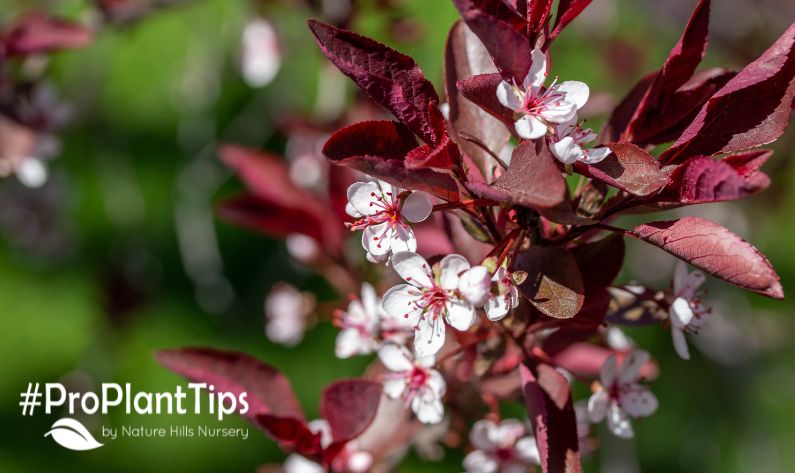
The purely ornamental Purpleleaf Sand Cherry Tree is a gorgeous single-stemmed tree form of the shrub that is grafted on a straight standard (trunk). The purple leaves and white petalled blooms have a rosy tint on rosy purple-red stems for an overall pinkish effect in the landscape!

Both the Purpleleaf tree and shrub have a dramatic show throughout USDA planting zones: 4-8 for the tree and zones 4-7 for the shrub! These may be related but Purpleleaf Sand Cherry is native to Asia and not the States.

Pawnee Buttes® Western Sand Cherry

The Pawnee Buttes® Western Sand Cherry Bush features fragrant pinkish-white blooms, edible purple-black fruit, and dramatic fall color! Low-growing but wide-spreading, Pawnee Buttes® has silvery foliage with a lovely gloss! Fall brings on vibrant ruby-red foliage to end the season. These Growing Zones 3-8 cultivars retain all the hardiness of their native counterparts!

Great Lakes Sand Cherry

The Great Lakes Sand Cherry are hardy natives with silvery foliage, fragrant white blooms with yellowish centers, and rich tart fruit. Extremely drought and cold-hardy, Great Lakes Sand Cherry can be variable in size, ranging between 2 -6 feet tall and wide. Growing throughout USDA planting zones 2 to 8, these are highly adaptable shrubs! These also handle a bit more shade than other varieties.

Western Sand Cherry

The Western Sand Cherry is a native with sparkling white blossoms and silvery foliage. Handling the sandier, drier, and more xeric conditions throughout USDA planting zones 3 to 6, these are wonderfully cold-hardy fruiting shrubs that grow 5-6 feet in height and width! In their native environment, Western Sand Cherry bushes can be low growing and spreading, but in the garden border, can be while-flowering upright shrubs!

First Editions® Jade Parade® Sand Cherry

Sand Cherry Infographic

The fancy cultivar of the family, First Editions® Jade Parade® Sand Cherry bushes are incredible groundcover plants with blue-green leaves! The long kinetic branching can be pruned or left to grow in fluffy round mounds that are filled with glorious white-scented blooms and later have dark red cherry-like fruit for you or the birds too! The mix of fall colors becomes a riotous mixture of yellow, orange, and red!

Caring For Sand Cherry Bushes

These deciduous shrubs are highly adaptable to various soil types and climates! Cold-hardy, you’ll get the best show of blooms and fruit set in full sun, but a few varieties handle partial shade.

Typically xeric and hardy plants, Sand Cherry thrive in some tough conditions in nature, but these native and hybrid plants also do well in average garden conditions! Purpleleaf Sand Cherry appreciates regular moisture access to keep them looking their healthiest.

Like most plants, these hardy natives need well-drained soil and average fertility. Sand Cherries thrive in harsher conditions due to their deep root system, enabling established plants to survive drought, poor soil, sandy or rocky locations. Provide a layer of mulch to help insulate the roots and support their moisture needs.

These plants bloom in the spring so to get maximum bloom displays, prune right after they have finished blooming. You can also renewal prune every 3-5 years to keep the branching vigorous and remove older branches that are less productive.

  • Full Sun & Some Part Shade
  • Well-Drained Soil & Handles Poor Soil
  • Moderate to Low Moisture Needs - Drought Tolerant Once Established
  • Prune After Flowering or Renewal Prune Every 3-5 Years
  • Xeric, Hardy & Cold-Tolerant

Sweet Little Sand Cherry Shrubs

The Prunus family has over 400 species growing in just the Northern hemisphere and includes Almonds, Nectarines, Peaches, Apricots, Cherry, Aronia, and Plum trees! Grown not just for their beauty but for the gorgeous flowers and tasty fruit they produce!

Sand Cherries are grown more for their ornamental qualities and not for the fruit but they are still fantastic additions to your edible landscaping orchards and supporting native ecosystems!

Nature Hills has a wide selection of these hardy bushes for you to choose from so check out each and order yours today!

Happy Planting!

Shop Sand Cherries
Previous Next

Frequently Asked Questions

Are sand cherries edible?

Yes, sand cherries produce edible dark berries with a rich, tart flavor similar to their Aronia relatives. The cherry-like fruits ripen in summer and can be eaten fresh or processed into preserves, pies, and sauces. However, you'll need to harvest quickly as songbirds are equally fond of these nutritious berries. Pick the fruits when they turn dark purple-black for the best flavor and beat the birds to your homegrown harvest.

Do cherries grow on bushes?

While traditional sweet cherries grow on trees, Sand Cherries (Prunus species) are compact shrubs that produce small, dark, cherry-like berries perfect for fresh eating or preserves. These native shrubs range from low groundcover types like Pawnee Buttes® to upright varieties reaching 6-8 feet tall, thriving in zones 2-7 depending on the cultivar. The tart, flavorful berries ripen in summer and are excellent for wildlife habitat. Choose Sand Cherries for edible fruit production in smaller spaces where full-sized cherry trees won't fit.

What type of soil does sand cherry prefer, and how can I improve drainage if my soil is heavy?

Sand cherries thrive in well-drained, sandy or loamy soils and struggle in heavy clay or waterlogged conditions. If you have heavy soil, amend it by working in 2-3 inches of coarse sand, perlite, or fine gravel to a depth of 12-18 inches before planting. You can also create raised beds 6-8 inches high or plant on slopes to improve drainage. Choose planting sites that don't collect standing water after rain or irrigation.

How much sun does sand cherry need for best growth and foliage color?

Sand cherry shrubs perform best in full sun (6-8 hours of direct sunlight daily) for optimal flowering, fruit production, and foliage color development. Purple-leaved varieties like Purpleleaf Sand Cherry require full sun to maintain their deep red-purple coloration, while insufficient light causes foliage to fade to green. These native shrubs tolerate partial shade but will produce fewer flowers and fruits with less vibrant foliage. Plant your sand cherry in the sunniest location available for maximum ornamental impact and berry harvest.

How often should I water sand cherry, especially for newly planted ones?

Newly planted sand cherry shrubs need deep watering 2-3 times per week for the first growing season, providing about 1 inch of water each time to establish their root systems. Once established (after 12-18 months), these drought-tolerant natives require minimal supplemental watering except during extended dry periods. Water deeply at the base rather than overhead to prevent fungal issues, and reduce frequency in fall to help plants prepare for winter dormancy.

What kind of fertilizer is best for sand cherry, and when should I apply it?

Sand cherries thrive with a balanced 10-10-10 fertilizer applied in early spring before new growth begins, typically March through April depending on your zone. These native shrubs are naturally low-maintenance and don't require heavy feeding, so one application per year is sufficient. Apply according to package directions around the base of the shrub, keeping fertilizer 6 inches away from the trunk. Avoid late-season fertilizing after July, as this can encourage tender growth vulnerable to winter damage.

How and when should I prune sand cherry to prevent it from becoming leggy or to rejuvenate it?

Prune sand cherry shrubs in late winter or early spring before new growth begins, typically February through March in most zones. Remove up to one-third of the oldest canes at ground level to prevent legginess and encourage new shoots from the base. For rejuvenation pruning on severely overgrown shrubs, cut the entire plant back to 6-12 inches from the ground in late winter, though this will sacrifice one season of flowers and fruit. Always use clean, sharp pruning tools and focus on opening the center for better air circulation.

Why is my sand cherry losing leaves or dying back in summer, and what can I do to save it?

Sand cherries typically experience summer dieback due to excessive moisture or poor drainage, as these drought-tolerant natives prefer well-drained soils and can develop root rot in consistently wet conditions. Heat stress and overwatering are the most common culprits, especially in zones 7-9 where summer humidity is high. Immediately reduce watering frequency, ensure proper drainage around the root zone, and prune away any dead or diseased branches back to healthy wood. Move container plants to receive morning sun with afternoon shade protection during peak summer months.

Do sand cherries need a pollinator to produce more fruit, and what varieties work?

Sand cherries are generally self-fertile and will produce fruit on their own, but planting multiple varieties or having other Prunus species nearby will significantly increase your harvest. Cross-pollination between different sand cherry varieties like Purpleleaf Sand Cherry, Great Lakes Sand Cherry, and Western Sand Cherry enhances fruit production. For best results, plant at least two different varieties within 50 feet of each other and ensure they bloom at similar times in early spring.

How long does it take for sand cherry to mature and start producing fruit?

Sand cherry shrubs typically begin producing fruit within 2-3 years after planting, with full production reached by years 4-5. These hardy natives (zones 2-7 depending on variety) will start flowering in their second spring, with fruit following in mid to late summer. The berries ripen from green to dark purple or black, usually ready for harvest in July through August. Plant your sand cherry in full sun with well-draining soil and be prepared to compete with birds for the delicious fruit once production begins.

Find Your Garden's Growing Zone!

Your Current Growing Zone:

Zone

ZIP Code:

✓ Growing Zone Set Successfully!

Your zone has been saved and will be used throughout the site.

⚠ Unable to locate a growing zone for that ZIP code.

Please check your ZIP code and try again.

Looking up your growing zone...

When ordering a tree or plant, make sure to know your planting zone.

You can determine your garden's USDA hardiness zone by entering your Zip Code below.