Free Shipping on Orders $199+

Growing Zone: | Garden in
Find your Growing Zone!

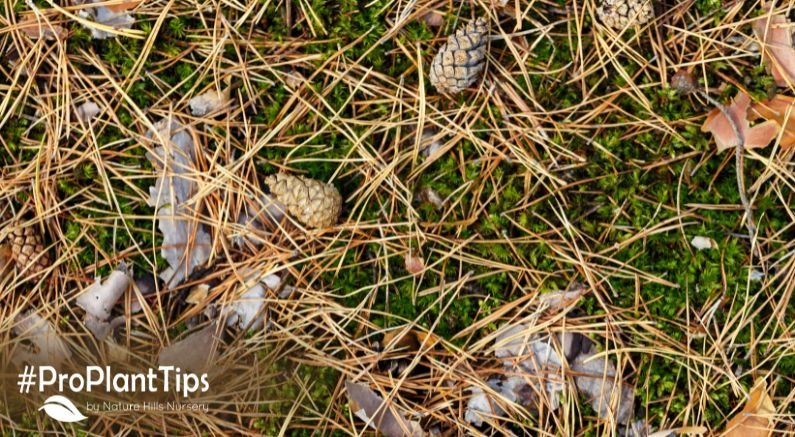
Pine Needles Make Great Mulch

Pine Needles Make Great Mulch - Nature Hills Nursery

Nature Hills Nursery |

Pine straw

Pine Trees lose their needles ... and that’s a good thing!

Pine needles make amazing mulch, and fall needle drop is perfectly normal in the spring or fall. Each autumn, we receive a wave of concerned gardeners asking why their Pine trees are losing needles.

But here’s the truth: evergreen doesn’t mean forever-green. While Pines hold their needles year-round, they don’t keep the same needles forever. A natural win for acid-loving plants!

Pine Needles = Fantastic, Free Mulch

Evergreen mulch

Pine needle mulch (also known as Pine Needle Straw) doesn’t just work hard, it looks great, too! Its soft, reddish-brown color adds a warm, natural finish to garden beds and borders. The fine texture of pine straw lies neatly and weaves together, creating a tidy, polished appearance that blends beautifully with woodland, cottage, and native garden styles. Over time, it settles into a dense mat that stays in place and enhances the landscape with a clean, well-maintained look.

Don’t rake those needles to the curb! Needle Mulch makes excellent mulch, especially for plants that love acidic soil. They're lightweight, break down slowly, and help:

  • Suppress weeds
  • Retain moisture
  • Insulate roots
  • Gradually acidify the soil

Spread the Pine Mulch 2-4 inches thick around your garden beds, but keep it a few inches away from stems and trunks to avoid rot.

Read about the incredible benefits of Arborist Mulch for your garden and how it can make or break your planting success!

Which Plants Benefit from Pine Needle Mulch?

Acidifying evergreen needle mulch isn’t just mulch, it’s a gift to many beloved garden plants that prefer slightly acidic soils. Use it around:

Shrubs:

  • Azaleas
  • Rhododendrons
  • Camellias
  • Hydrangea macrophylla (Bigleaf Hydrangeas)
  • Mountain Laurel

Trees:

  • Dogwood
  • Magnolia
  • Pine
  • Spruce
  • Fir

Perennials:

  • Hostas
  • Ferns
  • Astilbe
  • Bleeding Heart
  • Lungwort

By repurposing your fallen Pine needles, you’re not only improving soil health but also supporting the needs of your acid-loving plants. Nature knows best, put those needles to good use!

Pine cone mulch

Pine Cones: More Than Just Forest Floor Decor

Pine cones aren’t just pretty … they’re practical! These natural treasures have a variety of uses in the garden and beyond:

In the Garden:

  • Mulch for containers: Use Pine cones as a top layer in potted plants to help retain moisture and reduce soil splash.
  • Cat deterrent: Scatter Pine cones in garden beds to discourage neighborhood cats from using them as a litter box. The texture is uninviting to sensitive paws.
  • Weed blocker: A layer of Pine cones can help prevent weeds in hard-to-mulch areas.

Around the Home:

  • Decor & crafts: Use Pine cones in wreaths, centerpieces, garlands, or holiday decorations. They’re beautiful, long-lasting, and cost nothing if you collect them from your own yard!
  • Fire starters: Dried Pine cones can be used as kindling in wood stoves or fire pits.

They may fall with the needles, but don’t toss them … Pine cones are just as useful!

Out With The Old: Natural Needle Drop: What to Expect

Let’s take the Eastern White Pine as an example. This tree keeps its current year's needles (the new ones at the tips) and sheds the older, two- or three-year-old needles every fall. This natural process happens fast, sometimes over just a few weeks.

What’s normal:

  • Yellowing and dropping of interior needles
  • The tips of the branches stay green and healthy

What’s not normal:

  • Browning at the tips or widespread loss of new growth

This isn’t just a Pine thing. Spruce, Fir, and Arborvitae also shed older foliage. In Arborvitae, this often causes a flush of yellowing interior leaves that drop suddenly, triggering plenty of calls from confused gardeners. But if your evergreens have healthy green tips, there’s nothing to worry about.

Fall Watering is Key For Evergreen Health

To keep all evergreens strong through winter, help them resist freezing temperatures, and drying northern winds that cause windburn, fall watering is crucial:

  • Continue watering deeply until the ground freezes
  • Focus on newly planted trees and shrubs, which are still establishing roots

This simple step prevents winter burn and boosts survival rates for everything planted earlier in the year.

Garden Smarter With What mother nature Gives You

Pine mulch

This blog covered why Pine trees drop their needles in fall (and why that’s normal!), how to use Pine Straw as mulch, the many ways Pine cones can benefit your garden and home, and the importance of watering evergreens through fall. We also listed many shrubs, trees, and perennials that thrive with slightly acidic soils enhanced by Pine needle mulch.

So the next time your Pine tree starts shedding, don’t see it as a mess, see it as a gift! From mulch to moisture retention, cat deterrent to crafting, mother nature hands you everything you need, right at your feet. All you have to do is use it!

Don't have a use for your free Pine Mulch? Go ahead and leave it beneath the tree! It will keep your Pines roots cool, discourage weeds, and retain soil moisture just as nature intended!

Happy Planting!

Shop for evergreen trees at nature hills
Previous Next

Frequently Asked Questions

Can pine needles be used as mulch with all plants?

No, pine needles work best as mulch for acid-loving plants like azaleas, rhododendrons, hydrangeas, dogwoods, and hostas since they gradually acidify the soil as they decompose. Avoid using pine needle mulch around plants that prefer neutral to alkaline soils, such as most vegetables, herbs, and many perennials. Apply pine needles 2-4 inches thick around appropriate plants, keeping the mulch several inches away from stems and trunks to prevent rot.

Are there plants that should not have pine needles as mulch?

While pine needle mulch benefits acid-loving plants, avoid using it around alkaline-preferring plants like lavender, clematis, peonies, and most vegetables including tomatoes, peppers, and brassicas. Plants that thrive in neutral to slightly alkaline soils (pH 7.0-8.0) can suffer from the gradual soil acidification that pine needles create over time. Instead, use pine needle mulch specifically around azaleas, rhododendrons, blueberries, and other acid-loving species, and choose bark mulch or compost for your alkaline-preferring plants.

Do pine needles affect soil pH?

Yes, pine needles gradually acidify soil as they decompose, making them excellent mulch for acid-loving plants like azaleas, rhododendrons, and hydrangeas. The acidification process happens slowly over time, typically lowering pH by 0.2-0.5 points depending on your soil's starting pH and buffering capacity. Apply pine needle mulch 2-4 inches thick around acid-loving plants, keeping it several inches away from plant stems to prevent rot.

How effective are pine needles as a weed barrier?

Pine needles create an effective weed barrier by forming a dense, interwoven mat that blocks light and prevents weed germination. Applied 2-4 inches thick, pine needle mulch suppresses weeds while breaking down slowly, maintaining coverage longer than many other organic mulches. The fine texture allows the needles to settle tightly together, creating better weed suppression than coarser mulches. Apply fresh layers annually in spring or fall to maintain optimal weed control around your acid-loving plants.

How long do pine needles last as mulch before needing replacement?

Pine needles break down slowly and typically last 1-2 years as mulch before needing replacement, making them more durable than many organic mulches. The decomposition rate varies by climate, with needles lasting longer in cooler zones and breaking down faster in hot, humid conditions. You'll know it's time to refresh when the mulch layer becomes thin (less than 2 inches) or when the needles have darkened and compressed significantly. Simply add a fresh 2-4 inch layer over the existing mulch rather than removing the old material completely.

Is pine straw mulch easy to find commercially?

Pine needle mulch (also called pine straw) is readily available at most garden centers, landscaping suppliers, and home improvement stores, typically sold in compressed bales that cover 40-80 square feet when spread 2-3 inches thick. It's most abundant and affordable in regions with large pine forests, particularly in USDA zones 6-9 across the Southeast and parts of the West Coast. You can also source it for free by collecting fallen needles from your own pine trees or asking neighbors with mature pines. Check local suppliers in late fall through early spring when fresh pine straw is harvested and most readily stocked.

Are pine needles acidic when used as mulch?

Yes, pine needles are slightly acidic and gradually acidify the soil as they decompose, making them ideal mulch for acid-loving plants like azaleas, rhododendrons, and hostas. Fresh pine needles have a pH around 3.2-3.8, but as they break down, they become less acidic while still providing gentle soil acidification over time. Apply pine needle mulch 2-4 inches thick around your acid-loving plants, keeping it several inches away from stems and trunks to prevent rot.

Do pine needles help build up soil with organic material?

Yes, pine needles contribute organic material to soil as they decompose slowly over time. When applied as mulch at 2-4 inches thick, they break down gradually and add organic matter while simultaneously acidifying the soil, making it ideal for acid-loving plants like azaleas, rhododendrons, and hostas. Apply pine needle mulch in spring or fall, keeping it several inches away from plant stems to prevent rot issues.

How do pine needles perform compared to wood chip mulch?

Pine needles offer distinct advantages over wood chip mulch: they're lighter weight, break down more slowly, and gradually acidify soil while wood chips remain pH neutral. Pine needle mulch creates a tighter, more woven mat that stays in place better than chunky wood chips, making it ideal for slopes and windy areas. Wood chips excel for general garden use and pathways, while pine needles specifically benefit acid-loving plants like azaleas, rhododendrons, and hydrangeas. Choose pine needles for acidic soil plants and wood chips for vegetables and alkaline-preferring perennials.

Can pine needles be used around fruit trees and berry plants?

Pine needles can be used around most fruit trees and berry plants, but exercise caution with acid-sensitive varieties. Blueberries, cranberries, and strawberries thrive with pine needle mulch since they prefer acidic soil (pH 4.5-6.0), while stone fruits like peaches and cherries may struggle with increased acidity. Apply 2-3 inches around the root zone, keeping mulch 6 inches away from trunks to prevent pest issues and root rot. Test your soil pH first and monitor fruit production to ensure your specific varieties are benefiting from the acidifying effects.

Find Your Garden's Growing Zone!

Your Current Growing Zone:

Zone

ZIP Code:

✓ Growing Zone Set Successfully!

Your zone has been saved and will be used throughout the site.

⚠ Unable to locate a growing zone for that ZIP code.

Please check your ZIP code and try again.

Looking up your growing zone...

When ordering a tree or plant, make sure to know your planting zone.

You can determine your garden's USDA hardiness zone by entering your Zip Code below.