Free Shipping on Orders $199+

Growing Zone: | Garden in
Find your Growing Zone!

Pear Fruit Trees: When Are Pears In Season?

Pear Fruit Trees: When Are Pears In Season? - Nature Hills Nursery

Charlotte Weidner |

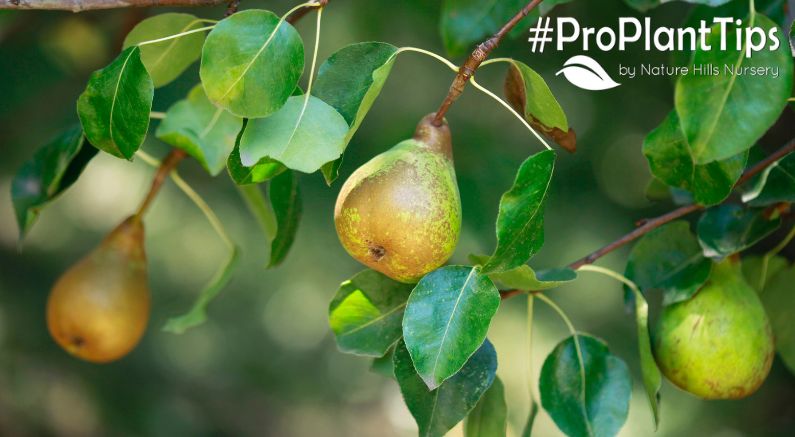
Juicy and succulently sweet Pears are a summer and autumn treat! The mellow sweetness and creamy textures are something we all look forward to each year! It's as easy as pie to grow your own Pear tree!

Four Pears in a Tree

Wild Pear trees (Pyrus) were originally grown and bred in both Europe and Asia. Ancient farmers looked for specimens that had larger, sweeter fruit and bred these parent plants over time. Romans were likely working with about 50 species of improved Pears. By 1860, American author T.W. Fields noted there were about 850 known Pears!

Modern Pear trees are hardy, disease-resistant, and produce mouth-watering fruit. Some tolerate cold climates (USDA zone 4) all the way up to sweltering hardiness zone 11! They bloom in a flourish of fragrant white blossoms and fill out in dark green glossy leaves.

From the tiny Chojuro Pear to the massive 40-foot-tall Oriental Asian Pear, here are some pointers and information to get you started harvesting your very own homegrown goodness, regardless of how much space you can spare!

  • Types of Pear Trees
  • Pear Seasons
  • How To Tell When Pears Are Ripe?
  • Enjoying Your Surplus Harvest
  • Happy Planting!

Types of Pear Trees

Asian Pear Tree

Pears are some of the easiest fruit trees to grow, and there are two main varieties: the European and the Asian. Both types require different harvesting techniques, with differences in storage, cooking, and usage.

Asian Pears

Asian Pears are round like Apples and are large, crisp, crunchy, and loaded with juice. Also known as the Apple Pear, they snap and crunch when you bite into them.

European Pears

European Pears have that characteristic narrow neck. They are softer with a nuanced flavor. Seckel Pear produces very sweet, small Pears used in canning. Comice and D'Anjou are staples in high-end food gift packages and are excellent for fresh eating, baking, canning, and preserving.

Pear Seasons

European Pears

With today's dizzying array of Pear tree varieties, it may be hard to choose just one! Pears typically ripen between July and October. Choosing varieties across the early, mid, and late seasons extends your harvest so you can enjoy Pears all summer into fall, and even into winter months!

Early Season Pears

Summer Pears ripen in July to August, depending on your climate.

  • Hosui – Round like an Apple, flavored like one. Ripens in August.
  • Pineapple – Hard yellow cooking Pear. Early August.
  • SummercrispBlight resistant, very hardy, mid-August harvest.
  • Southern BartlettGreat for hot climates, ripens early.

Mid-Season Pears

Early fall Pears ripen in September, just as the fall colors arrive.

  • Blake's Pride European – Aromatic and sweet, September.
  • Flemish Beauty EuropeanMelt-in-your-mouth red Pear, September.
  • LusciousCreamy flesh, disease & cold-tolerant, September harvest.

Late Season Pears

Also called Winter Pears, they ripen in cold and frost.

  • Korean Giant Asian – Giant, crisp, ripens in October.
  • SeckelCandy or Sugar Pear, stores until February.
  • Magness EuropeanThicker skin, melting flesh, late fall.

Your climate can alter these dates. Check with your County Extension Office and other local gardeners!

How To Tell When Pears Are Ripe?

Mid-Season Pears
  • Ripening Behavior: Most Pears rarely ripen on the tree and ripen slowly after harvest. Some Summer Pears and Asian Pears do ripen on the tree.
  • Ripeness Test: Press the neck near the stem. Look for color, sweet smell, and gentle twist release.
  • Testing Indoors: Pick slightly early and let them ripen on the counter or in a brown paper bag.
  • Visual Clues: Watch for color changes or a rosy blush. Not all Pears change color! Know your variety!
  • Harvest Timing: Don't wait too long. Overripe = mealy/grainy flesh.
  • European Pear Rule: Pick when firm, harvest mature but not ripe.
  • Speed Up Ripening: Use a brown paper bag with an apple for an ethylene gas boost.

How To Enjoy Your Surplus Harvest

Late Season Pears

Excellent fresh out of hand and in salads. Try these ideas:

  • Sliced on grilled cheese
  • Charcuterie board pairing with cheeses

Versatile flavors! They pair with:

  • Chocolate & vanilla
  • Caramel & maple syrup
  • Spices like cinnamon, mint, ginger
  • Savory herbs: thyme, rosemary
  • Nuts, pork, game
  • Red & white wine

Cooking & Baking With Pears

  • Grill with olive oil & balsamic vinegar
  • Bake into pies, tarts, desserts
  • Blend into smoothies
  • Churn into ice cream
  • Make into sauce (like applesauce)
  • Whip up Pear shortbreads
  • Blend into pancakes

Preserving & Storing Pears

  • Puree into fruit leather
  • Pear jelly & jam
  • Spiced Pears
  • Canned slices in syrup
  • Freeze or dry for snacks

Organic Baby Food

Pears make excellent homemade baby food , and you'll know exactly how they were grown!

Bushels of Pears Ahead!

Boost food sustainability and enjoy fresh pesticide-free produce in your backyard! Order your own Pear tree today for edible landscaping and a sweet, juicy harvest. Available in containers and bareroot shipping from NatureHills.com!

Read in-depth planting, care, and pruning info here!

Happy Planting!

Shop for Pear Trees Here!
Previous Next

Frequently Asked Questions

When are pears in season?

Pears are in season during summer and autumn, with harvest timing varying by variety and your USDA hardiness zone. Most pear varieties ripen between July and October, with Asian pears typically ready earlier in the season and European varieties like Comice and D'Anjou maturing later into fall. For the best harvest, plant multiple varieties with staggered ripening times to extend your fresh pear season from midsummer through late autumn.

When is pear season?

Pear season runs from summer through autumn, with harvest timing varying by variety and growing region. European pears like Comice and D'Anjou typically ripen in late summer to early fall, while Asian pears often mature slightly earlier in the season. Most pear trees are hardy across USDA zones 4-11, allowing gardeners in diverse climates to enjoy fresh homegrown fruit. Plant multiple varieties with different ripening times to extend your harvest season from July through October.

What is the best time of year to plant pear trees?

The best time to plant pear trees is during their dormant season, typically late fall through early spring (November through March) in most zones. Spring planting works well in zones 3-6 where harsh winters might damage newly planted trees, while fall planting in zones 7-9 allows roots to establish before summer heat stress. Plant when soil temperatures are between 45-65°F and the ground is workable but not waterlogged. Choose a location with full sun and well-draining soil, then water deeply after planting and apply 2-3 inches of mulch around the base.

When do pear trees bear fruit?

Pear trees typically begin bearing fruit 3-6 years after planting, with harvest seasons varying by variety from late summer through fall. Asian pears generally ripen earlier in the season, while European varieties like Comice and D'Anjou mature later in autumn. Most pear varieties thrive in USDA zones 4-9, though some can handle conditions up to zone 11. Choose early, mid, and late-season varieties to extend your harvest window and ensure consistent fruit production throughout the growing season.

When do pear trees bloom?

Pear trees bloom in spring with fragrant white blossoms, typically appearing before the leaves fully develop. The exact timing varies by variety and location, but most pear trees flower in early to mid-spring when temperatures consistently stay above freezing. Modern pear varieties are adapted to grow in USDA zones 4-11, with cold-hardy types blooming later in northern regions. Plan for blooms 4-6 weeks before your last expected frost date, and ensure you have compatible varieties nearby for proper cross-pollination.

When do pears grow?

Pears grow as summer and autumn fruits, with different varieties ripening at various times throughout the growing season. Pear trees are remarkably adaptable, thriving in USDA hardiness zones 4 through 11, making them suitable for both cold and hot climates. They bloom in spring with fragrant white blossoms, then develop fruit that typically ripens between July and October depending on the variety. Choose early, mid, and late-season varieties to extend your harvest window and enjoy fresh pears for months.

Are pears in season right now?

Pears are typically in season during summer and autumn, with harvest timing varying by variety and your USDA hardiness zone. European pears like Comice and D'Anjou generally ripen from late summer through fall, while Asian pears often mature slightly earlier in the season. To determine if pears are currently in season in your area, check with local growers or observe your own trees for the characteristic color changes and slight softening that indicate ripeness.

When do pears ripen?

Pears typically ripen between July and October, depending on the variety and your growing zone. Early season varieties begin ripening in midsummer, while late season types extend the harvest well into fall across USDA zones 4-11. Asian pears ripen on the tree and can be picked when firm and crisp, but European pears should be harvested when still firm and allowed to ripen off the tree for best flavor and texture. Plant multiple varieties with staggered ripening times to enjoy fresh pears throughout the entire growing season.

What time of year are pears in season?

Pears are in season during summer and autumn, with most varieties ripening between July and October depending on your location and specific cultivar. Different pear varieties have staggered harvest times, allowing you to enjoy fresh fruit for several months by planting early, mid, and late-season varieties. Asian pears typically ripen earlier in summer, while European varieties like Comice and D'Anjou reach peak harvest in fall. Plant multiple varieties with different ripening schedules to extend your harvest season and ensure proper cross-pollination for maximum fruit production.

Are pears seasonal?

Yes, pears are seasonal fruits that ripen during summer and autumn, typically between July and October depending on the variety. European pears like Comice and D'Anjou have different harvest windows than Asian varieties, allowing you to extend your fresh pear season by planting multiple types. Modern pear trees are hardy across USDA zones 4-11 and produce reliable annual harvests. Plant both early and late-season varieties to enjoy homegrown pears from midsummer through fall.

Find Your Garden's Growing Zone!

Your Current Growing Zone:

Zone

ZIP Code:

✓ Growing Zone Set Successfully!

Your zone has been saved and will be used throughout the site.

⚠ Unable to locate a growing zone for that ZIP code.

Please check your ZIP code and try again.

Looking up your growing zone...

When ordering a tree or plant, make sure to know your planting zone.

You can determine your garden's USDA hardiness zone by entering your Zip Code below.